 EN

Gas lighters for BBQ are essential tools for both commercial and residential grilling. They provide a convenient and efficient way to ignite charcoal or gas burners, ensuring a smooth start to any outdoor cooking experience. As a purchasing manager or product buyer, understanding the various aspects of gas lighters is crucial for making informed decisions. This article will delve into supplier reliability, technical specifications, assessment criteria, safety considerations, and common issues associated with gas lighters for BBQ.
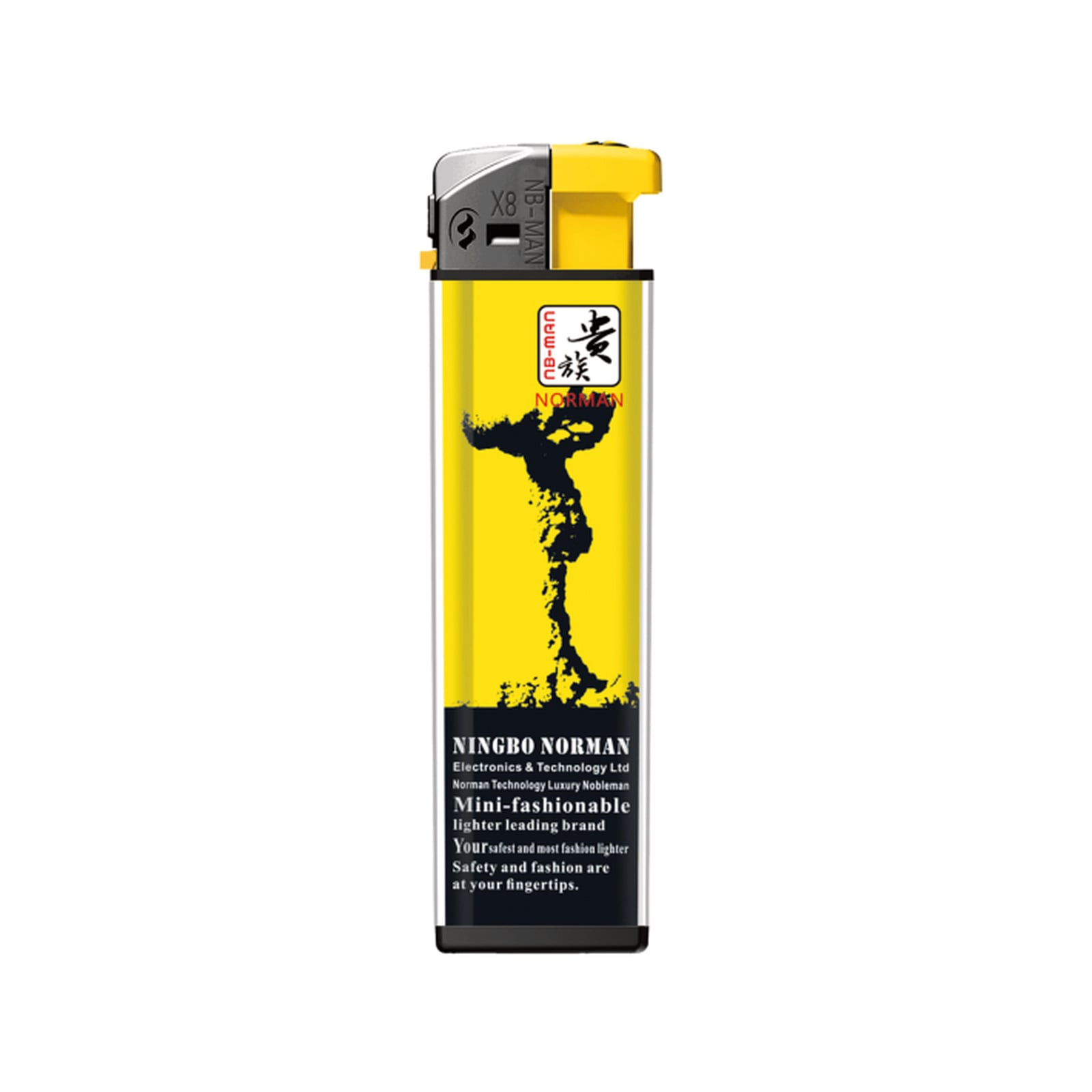
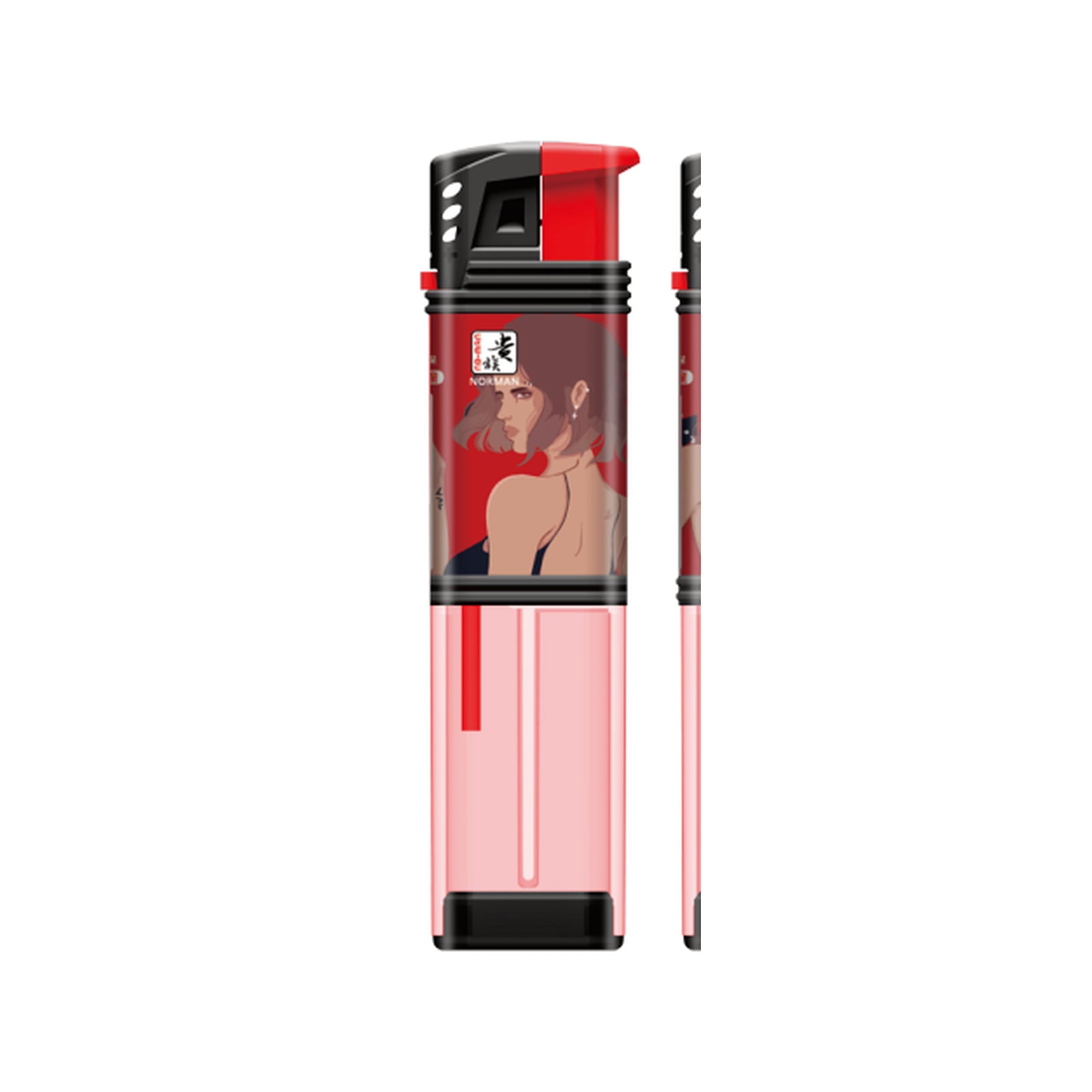
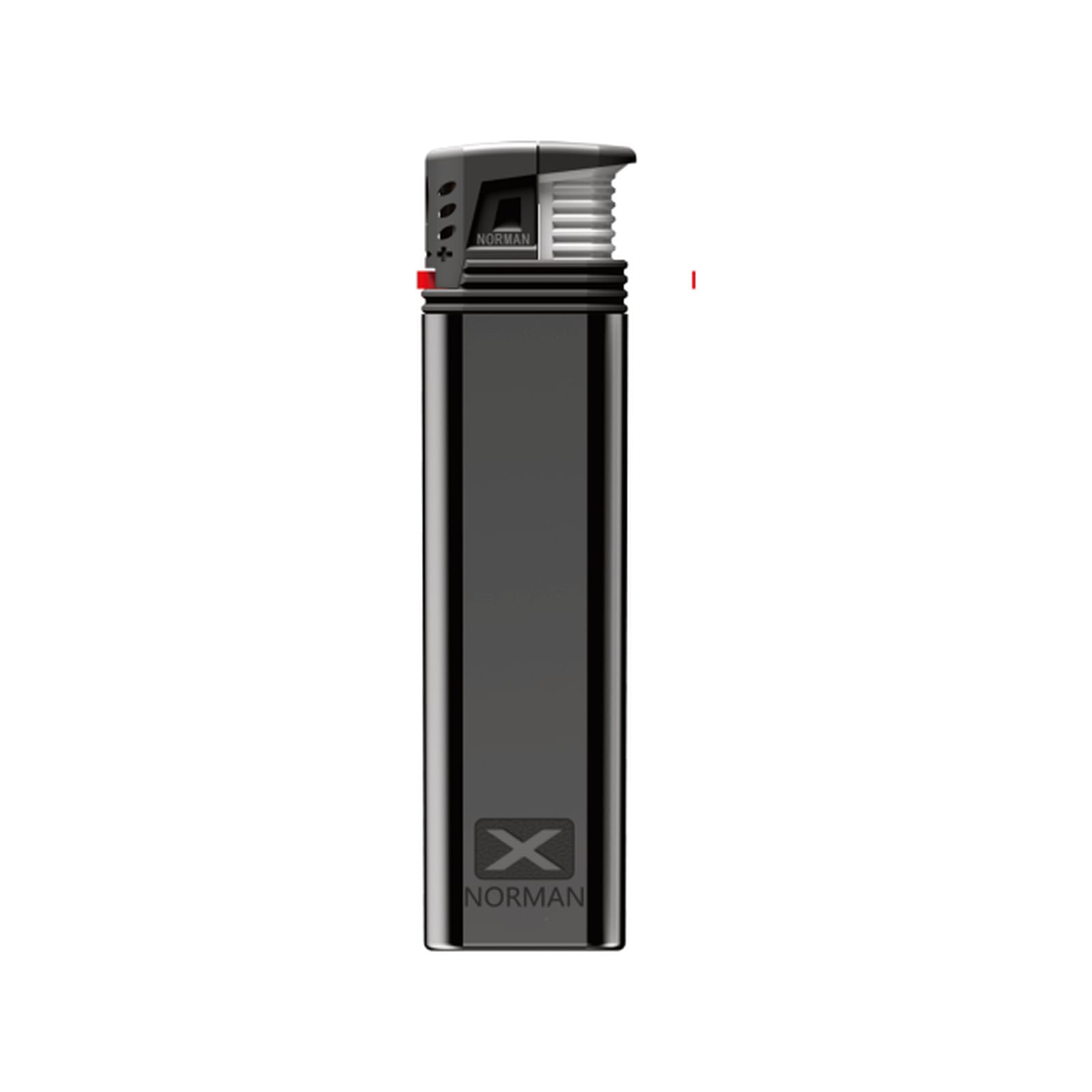
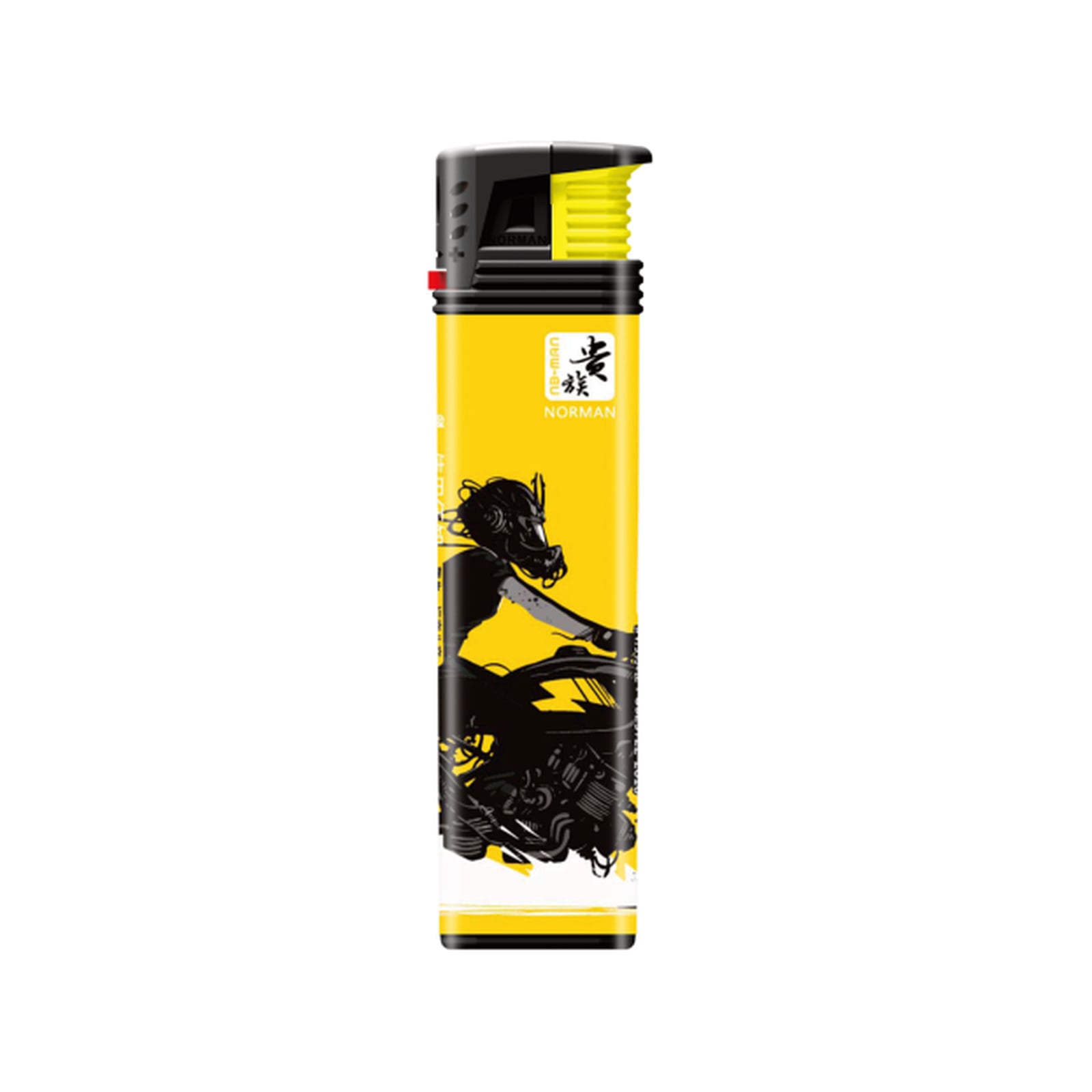
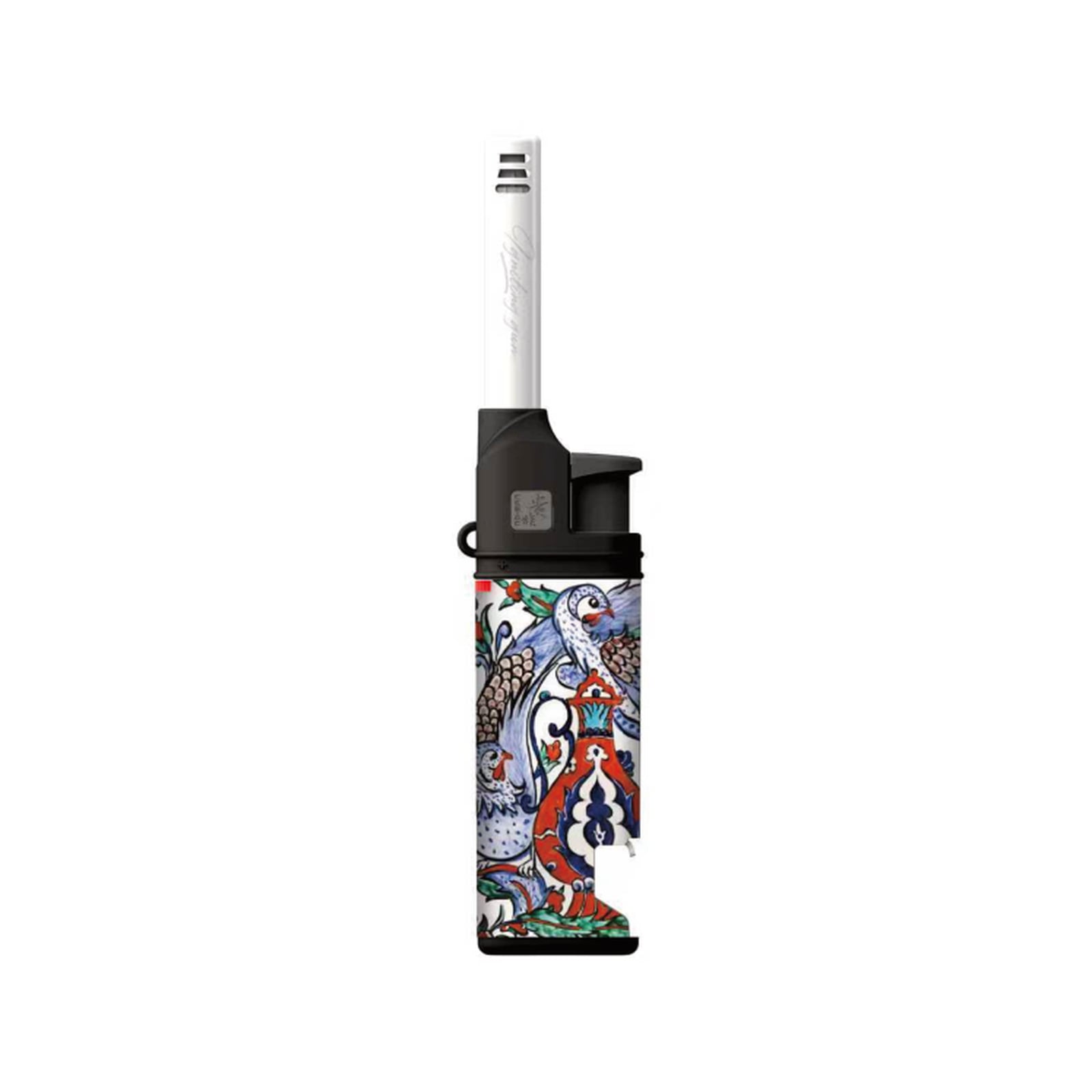
Technical Specifications You Should Know
Understanding the technical specifications of gas lighters for BBQ is essential for ensuring they meet your application needs. Key specifications include:
Material Composition: Gas lighters are typically made of high-quality plastic and metal components, which must withstand high temperatures and provide durability. Ensure that the materials used are resistant to heat and designed for repeated use.
Ignition Mechanism: Look for lighters with reliable ignition mechanisms, such as piezoelectric or electronic igniters. These systems ensure consistent performance, even in outdoor conditions.
Fuel Type Compatibility: Gas lighters may be designed for specific fuel types, such as butane or propane. Confirm that the lighter you choose is compatible with the fuel sources used in your BBQ equipment.
Safety Features: Safety features, like child-resistant mechanisms and flame control, are critical. They help prevent accidental ignition and ensure safe operation during use.
Dimensions and Weight: The size and weight of the lighter can affect its portability and ease of use. Consider the ergonomics and how comfortable the lighter feels in hand. For example, Jet Flame lighters often provide a more powerful and focused flame, enhancing the grilling experience.