Choosing Quality Barbecue Lighters for Wholesale Supply

Contact me immediately if you encounter problems!

All Categories

barbecue lighters

Barbecue lighters are essential tools for both domestic and commercial grilling, providing a reliable ignition source for various types of fuels. As a B2B buyer, whether you're a purchasing manager at a retail chain, a distributor, or an engineer, selecting the right barbecue lighters for wholesale supply involves multiple considerations. This article will delve into practical aspects that influence your purchasing decisions, including how to choose the right lighters, key specifications to evaluate, cost factors, installation guidance, and the advantages of different materials used in production.
Our Products

Key Specifications to Evaluate in Quality Barbecue Lighters

When assessing barbecue lighters, focus on the following specifications:

Ignition Type: Determine whether you need piezoelectric ignition or traditional flint-based ignition. Piezoelectric lighters offer reliable performance in various weather conditions, while flint-based lighters are often more cost-effective.

Fuel Type: Lighters may use butane, propane, or other fuels. Ensure that the chosen fuel type aligns with the applications they will serve, such as gas grills or charcoal.

Dimensions and Weight: The size and weight of the lighter can affect its usability. For instance, lighter models may appeal to consumers looking for portability, while heavier models may be preferable for commercial settings where durability is prioritized.

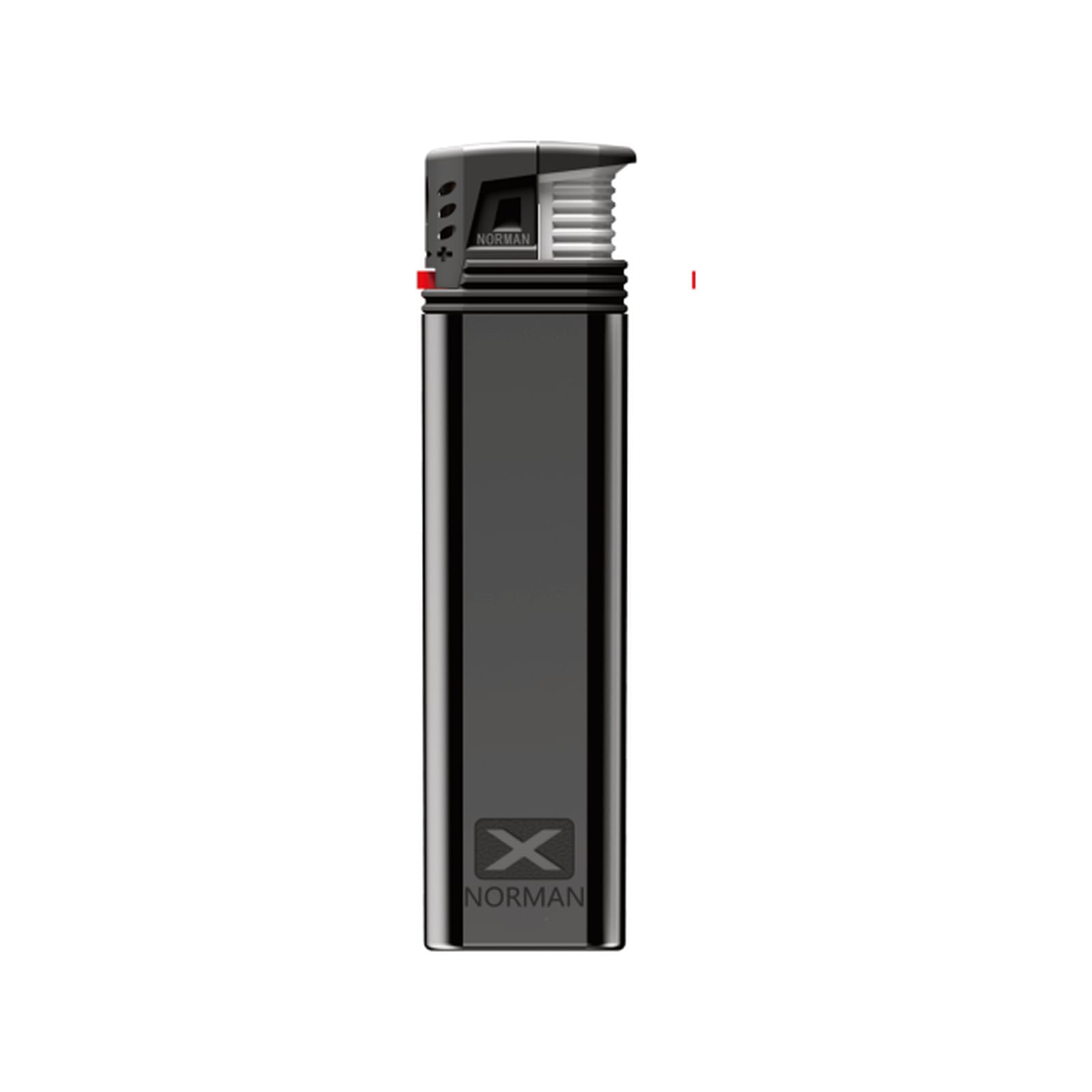
Material Quality: Assess the plastic or metal materials used in the construction. High-quality materials enhance durability and can improve resistance to heat and impact. Consider models that utilize Normal Flame for a reliable performance.

Safety Certifications: Verify that the lighters comply with relevant safety standards. Quality control measures, such as testing for leaks and ignition reliability, are crucial for minimizing risks.

Understanding the Cost Factors of Bulk Barbecue Lighter Orders

Several cost factors influence the pricing of bulk barbecue lighter orders. First, consider the minimum order quantity (MOQ). Suppliers often set a MOQ to ensure production efficiency, which can affect your upfront costs.

Next, evaluate the material costs. Premium materials may increase the unit price but can lead to long-term savings through enhanced durability and customer satisfaction. Additionally, shipping costs must be factored in, particularly if you are importing lighters from overseas manufacturers, as these costs can vary based on volume and destination.

Lastly, consider customization costs. If you're looking to include branding or unique design features, be aware that these may increase the overall price. Always request a detailed quotation from suppliers, outlining all potential costs, to avoid unexpected expenses.

Installation Guidance for Barbecue Lighters in Various Applications

Proper installation of barbecue lighters is essential for optimal performance and safety. Here are some key considerations for different applications:

Propane Grills: Ensure that the lighter is compatible with the grill's ignition system. Follow the manufacturer’s instructions for installation to prevent gas leaks. Testing the ignition before first use is crucial.

Charcoal Grills: Many users prefer lighter fluid or chimney starters for charcoal. If using lighters, ensure they are able to ignite the fuel effectively. Note that some lighters are specifically designed for charcoal applications, allowing for better flame control.

Wood-Fired Ovens: For wood-fired applications, choose lighters designed for high-temperature environments. These lighters should have a robust structure to withstand prolonged exposure to heat.

Safety Considerations: Provide users with clear instructions regarding safe handling and storage of lighters. This can include guidelines on keeping lighters away from children and ensuring they are stored upright.

The Advantages of Different Materials in Barbecue Lighter Production

The materials used in the production of barbecue lighters significantly impact their performance and durability. Here are the key materials commonly used and their advantages:

Plastic: Lightweight and cost-effective, plastic lighters are popular for disposable models. They are available in various colors and can be easily customized. However, they may not withstand high temperatures as well as metal.

Metal: Metal lighters, often made from aluminum or stainless steel, offer superior durability and resistance to heat. They are ideal for refillable models and can provide a more premium feel for consumers. Metal lighters are also less likely to break upon impact.

Ceramic Coatings: Some lighters feature ceramic coatings that improve heat resistance and add aesthetic value. These coatings can also enhance grip and usability.

Recycled Materials: An emerging trend is the use of recycled plastics in lighter production. This approach not only reduces environmental impact but also can appeal to eco-conscious consumers.

In summary, understanding these material advantages will enable you to make informed decisions when sourcing barbecue lighters, ensuring they meet both functional and market demands. By taking into account these factors, you can confidently navigate the complexities of selecting, purchasing, and integrating barbecue lighters into your product offerings, ensuring quality and satisfaction for your end customers.

How to Choose the Right Barbecue Lighters for Wholesale Supply

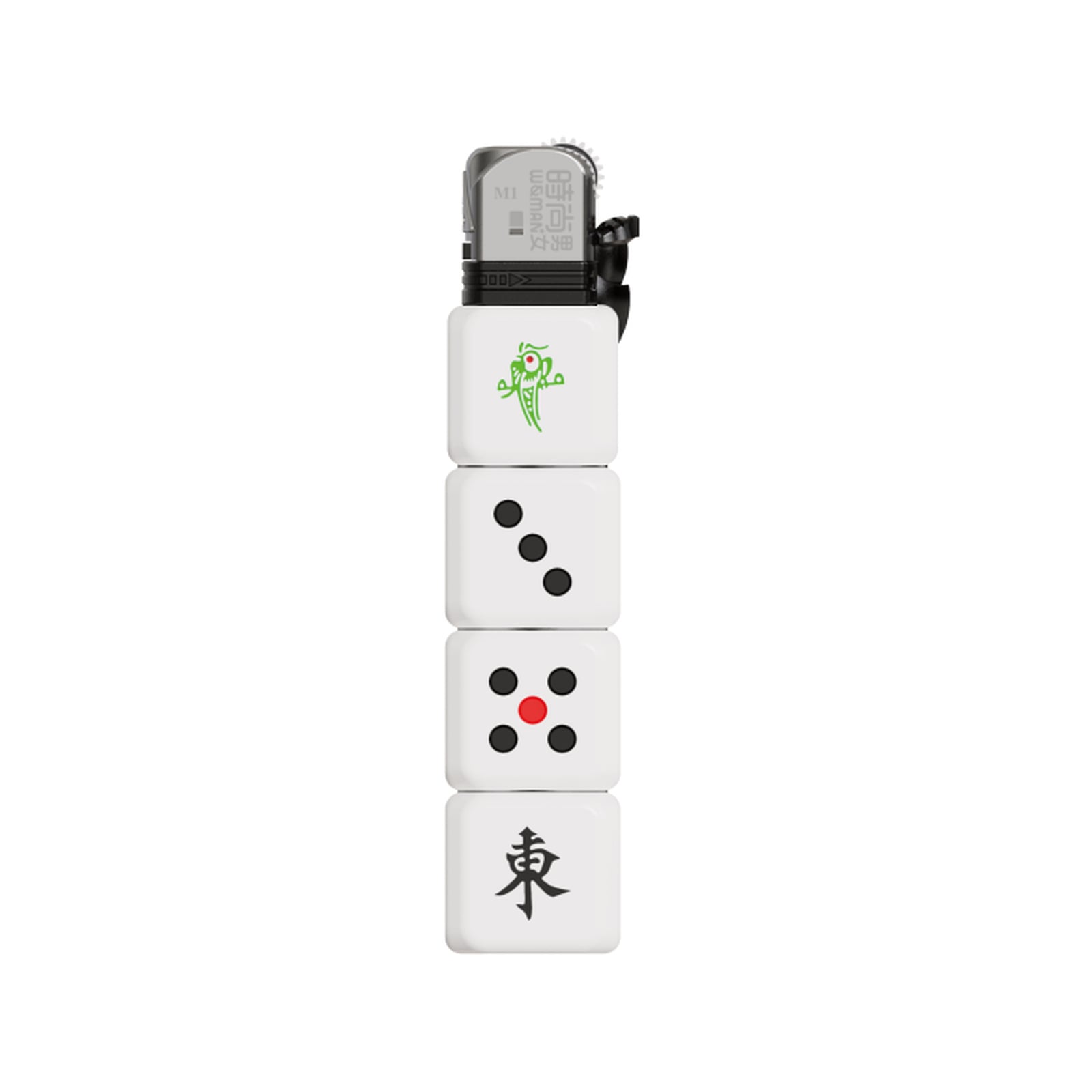
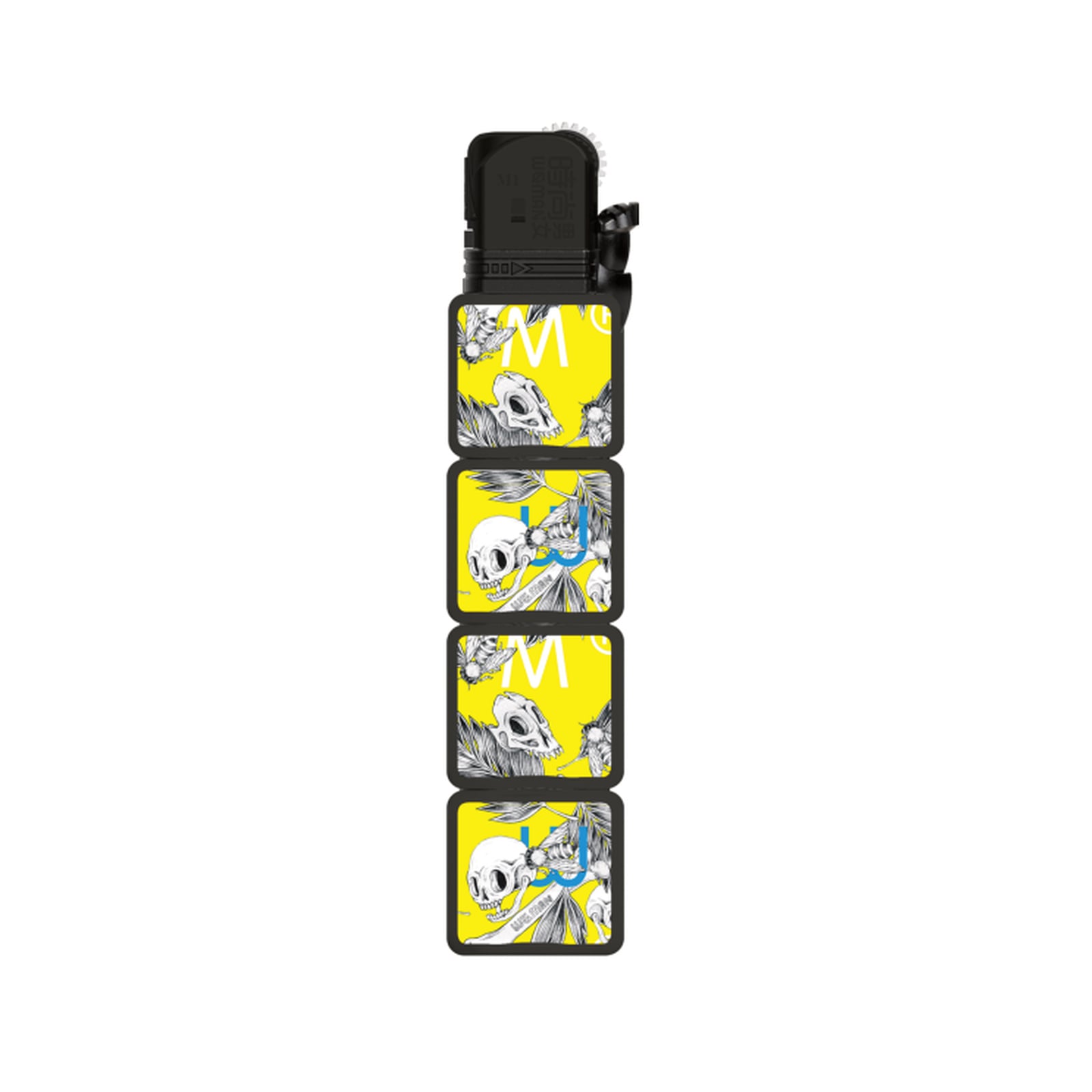
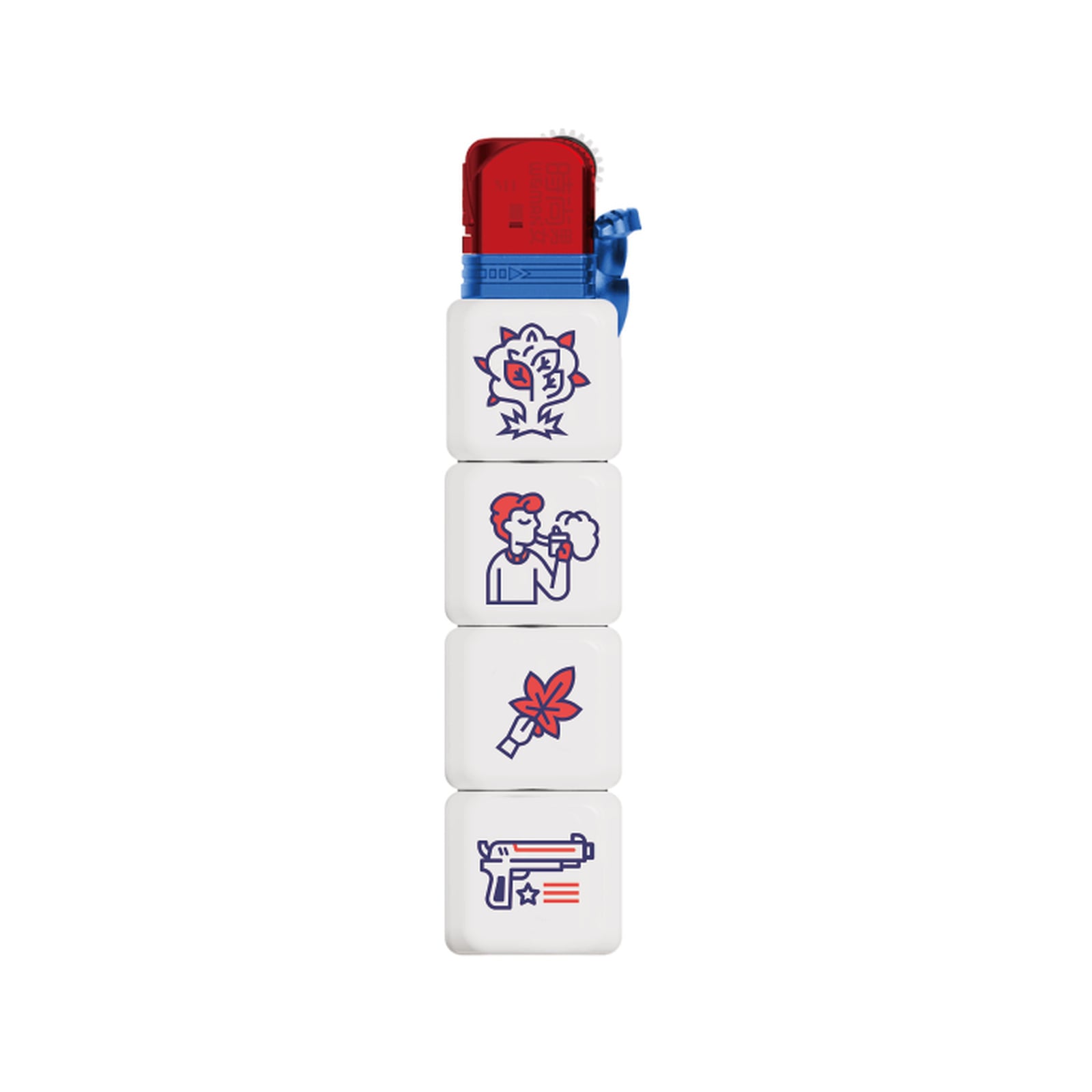
When selecting barbecue lighters for wholesale supply, consider the intended application and target market. Are you supplying retailers, restaurants, or consumers? Understanding your audience will guide you in choosing the appropriate lighter types. For instance, disposable lighters may be ideal for retail environments, while refillable models could be more suitable for restaurants that require durability. Additionally, you may want to explore options such as Jet Flame lighters for specific applications.

Evaluate key features such as ignition mechanism, safety features, and ease of use. For example, lighters with child-resistant mechanisms are essential for consumer safety and can help you meet regulatory requirements. Additionally, consider the design and branding possibilities. Custom lighters with promotional logos can enhance brand visibility, making them appealing for marketing campaigns.

Get a Free Quote

Our representative will contact you soon.
Email
Mobile
Name
Company Name
Message
0/1000

Related product categories