 EN

When it comes to BBQ lighters, selecting the right model for your business needs is crucial. These tools not only ignite grills and smokers but also play a significant role in safety and efficiency during food preparation. As a B2B buyer, your main concerns likely revolve around product performance, quality, and reliability. This article will guide you through essential factors to consider when choosing BBQ lighters, including specifications, quality evaluation, sourcing options, and common issues along with their solutions.
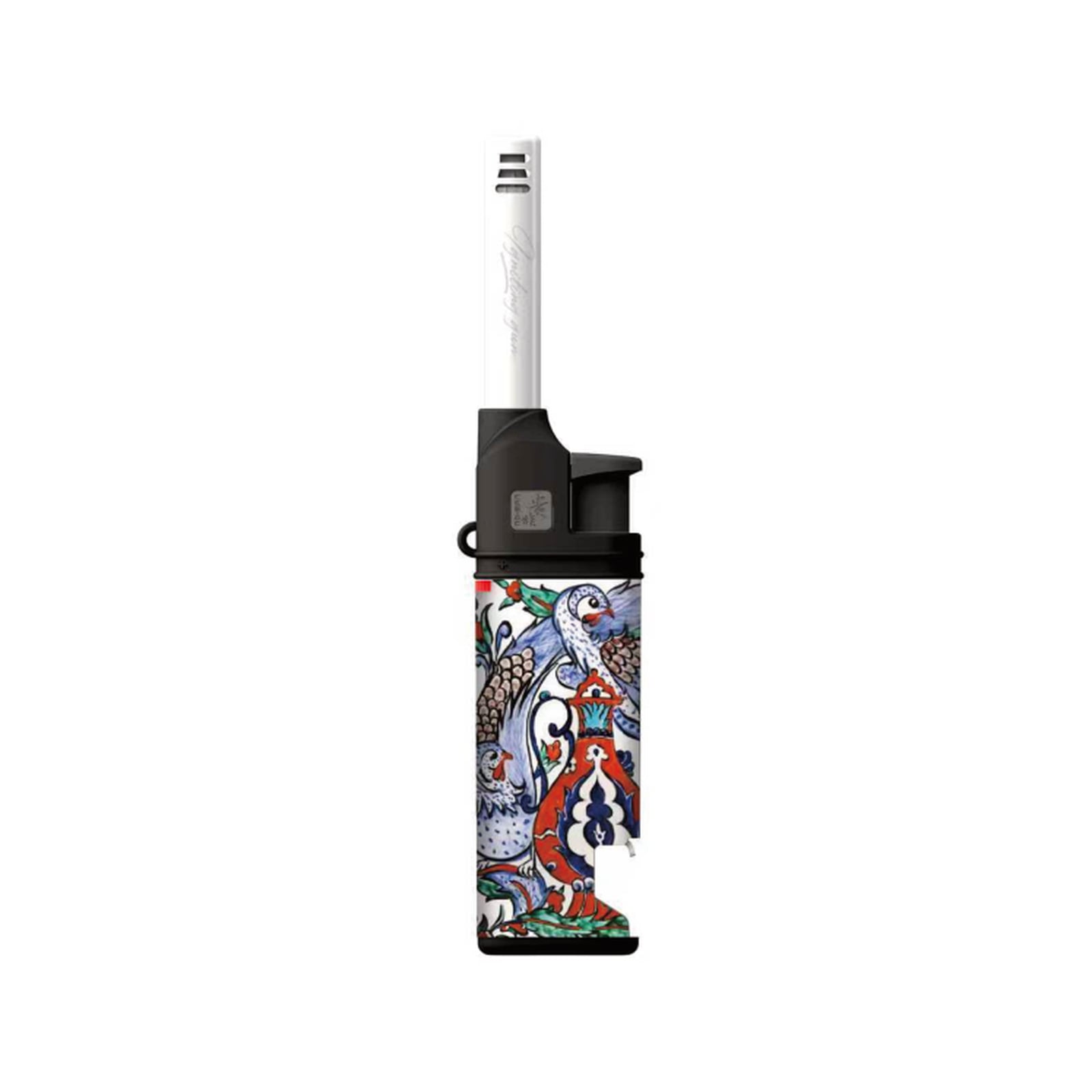
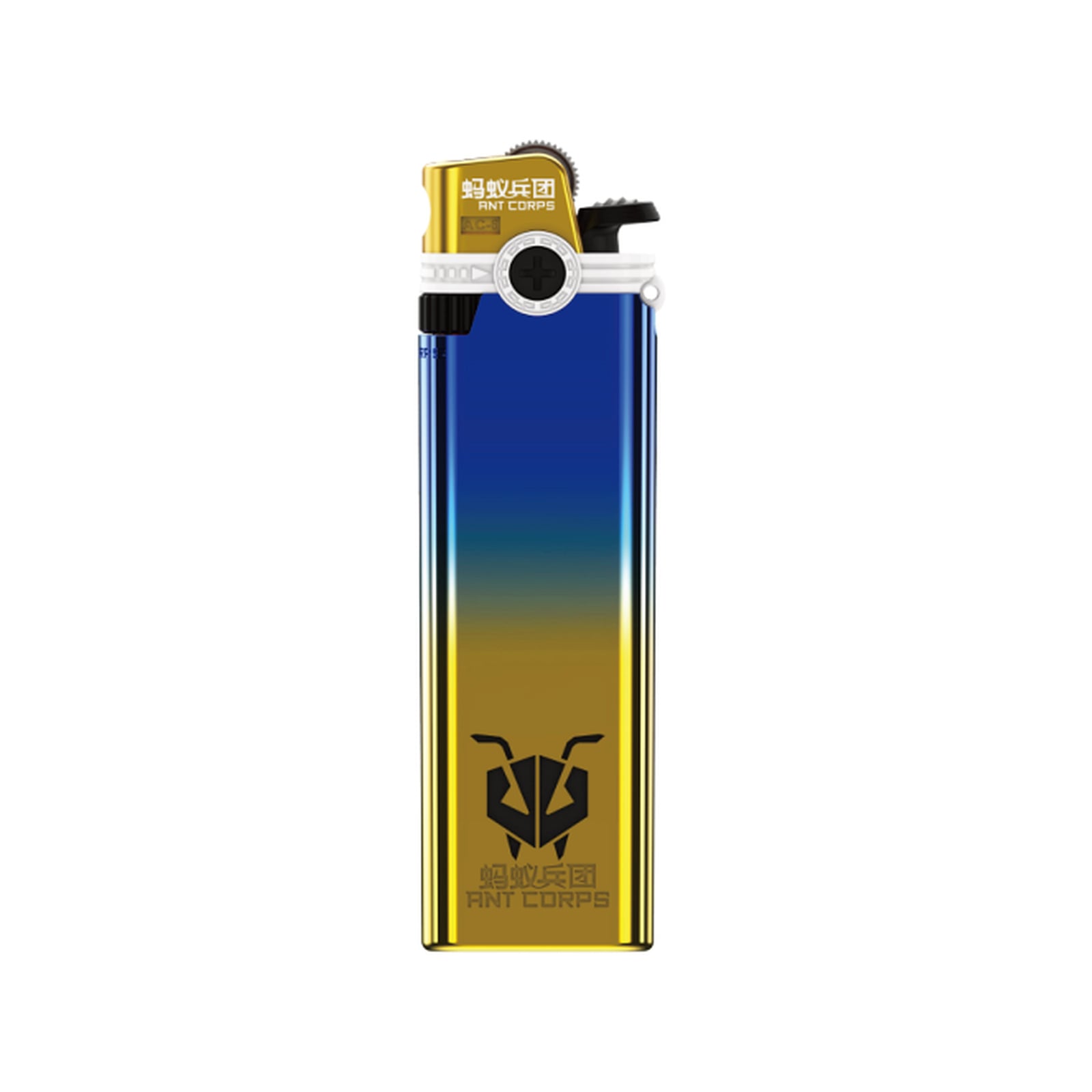
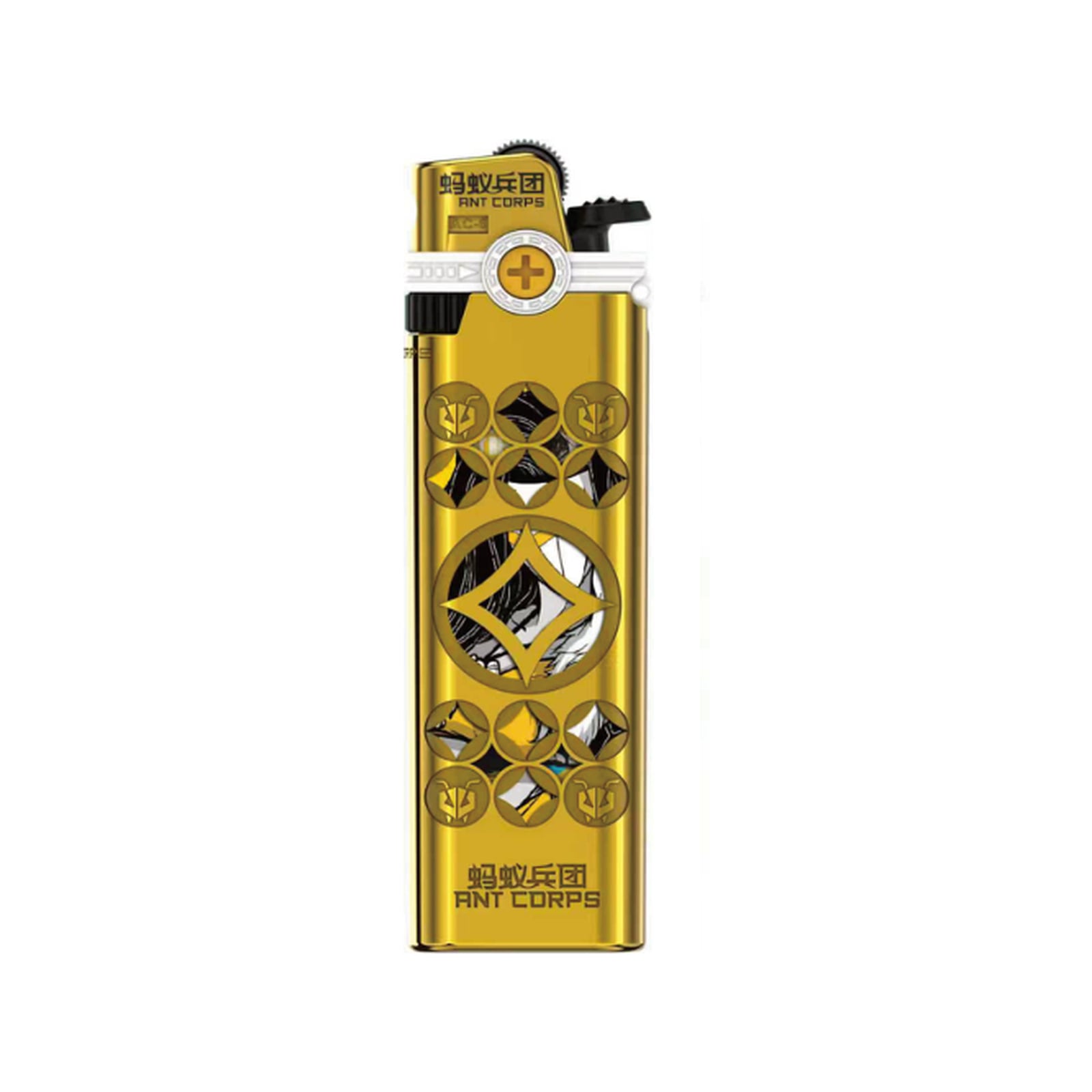
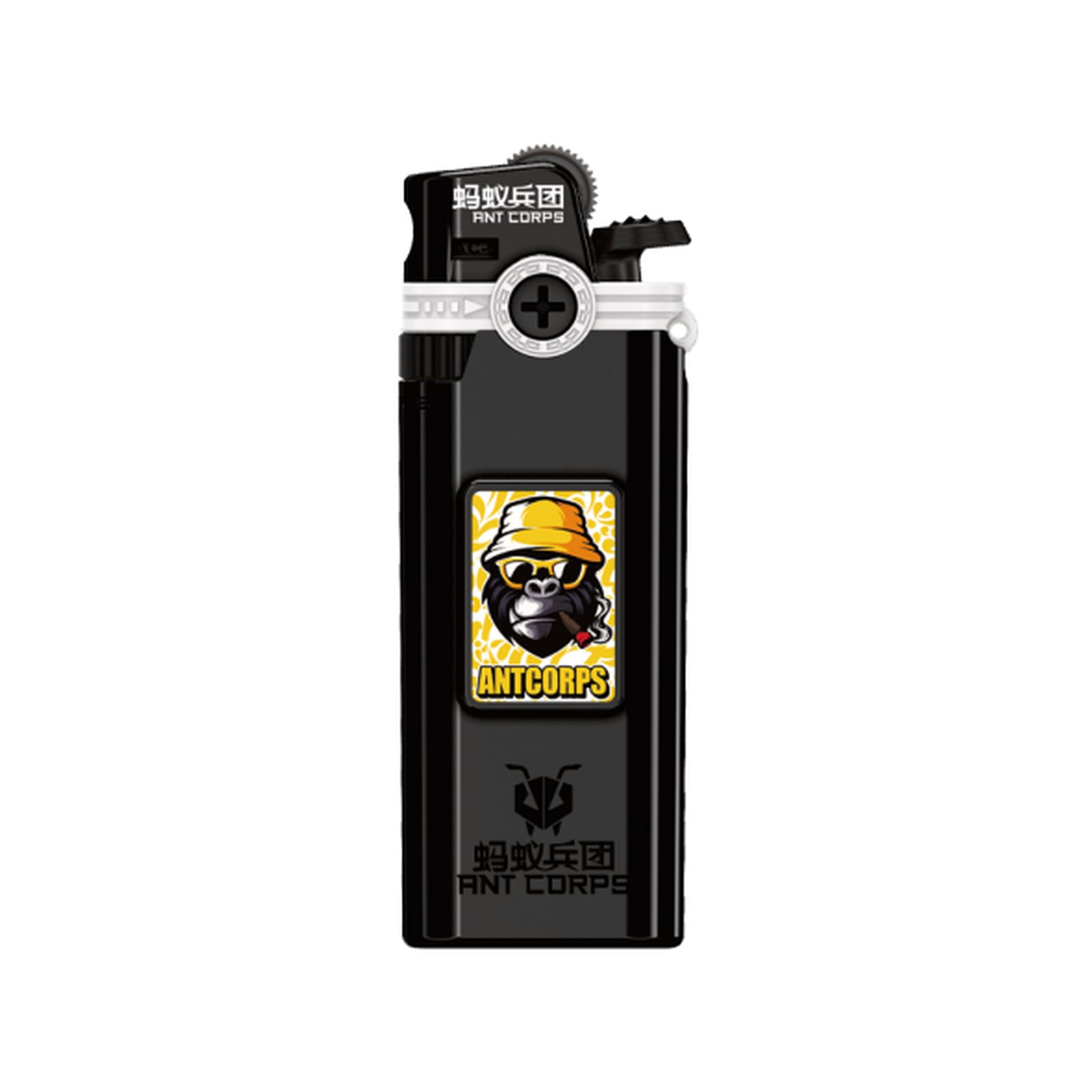
Key Specifications to Consider
When evaluating BBQ lighters, pay attention to the following key specifications:
Ignition System: The ignition system plays a critical role in how effectively the lighter performs. Electronic ignition systems tend to be more reliable and safer than manual strike systems.
Flame Type and Adjustability: Consider whether you need a steady flame or a torch-like flame for different cooking methods. Some models allow for flame height adjustment, which can enhance versatility.
Material Durability: The casing material impacts the lighter's longevity and resistance to heat. Common materials include robust plastics and metal alloys. Ensure that the material can withstand the operational environment.
Testing and Compliance: Confirm that the BBQ lighters meet industry safety standards and certifications. This may include compliance with ISO or other relevant safety regulations, which can be critical for commercial use.
Production Capacity and MOQ: Understand the minimum order quantity (MOQ) and the supplier's production capabilities to ensure that they can meet your demand efficiently.