Electric BBQ Lighters: Key Specs and Sourcing Insights

Contact me immediately if you encounter problems!

All Categories

bbq lighter electric

Electric BBQ lighters are essential tools for both commercial and residential grilling, providing a safe and efficient way to ignite charcoal, wood, or gas. For B2B buyers, such as purchasing managers and distributors, understanding the specifications, features, and quality control measures in the manufacturing process is crucial for making informed purchasing decisions. This article will explore key specifications for electric BBQ lighters, reliable sourcing options, important pricing factors, quality control measures in manufacturing, and common issues along with their solutions.
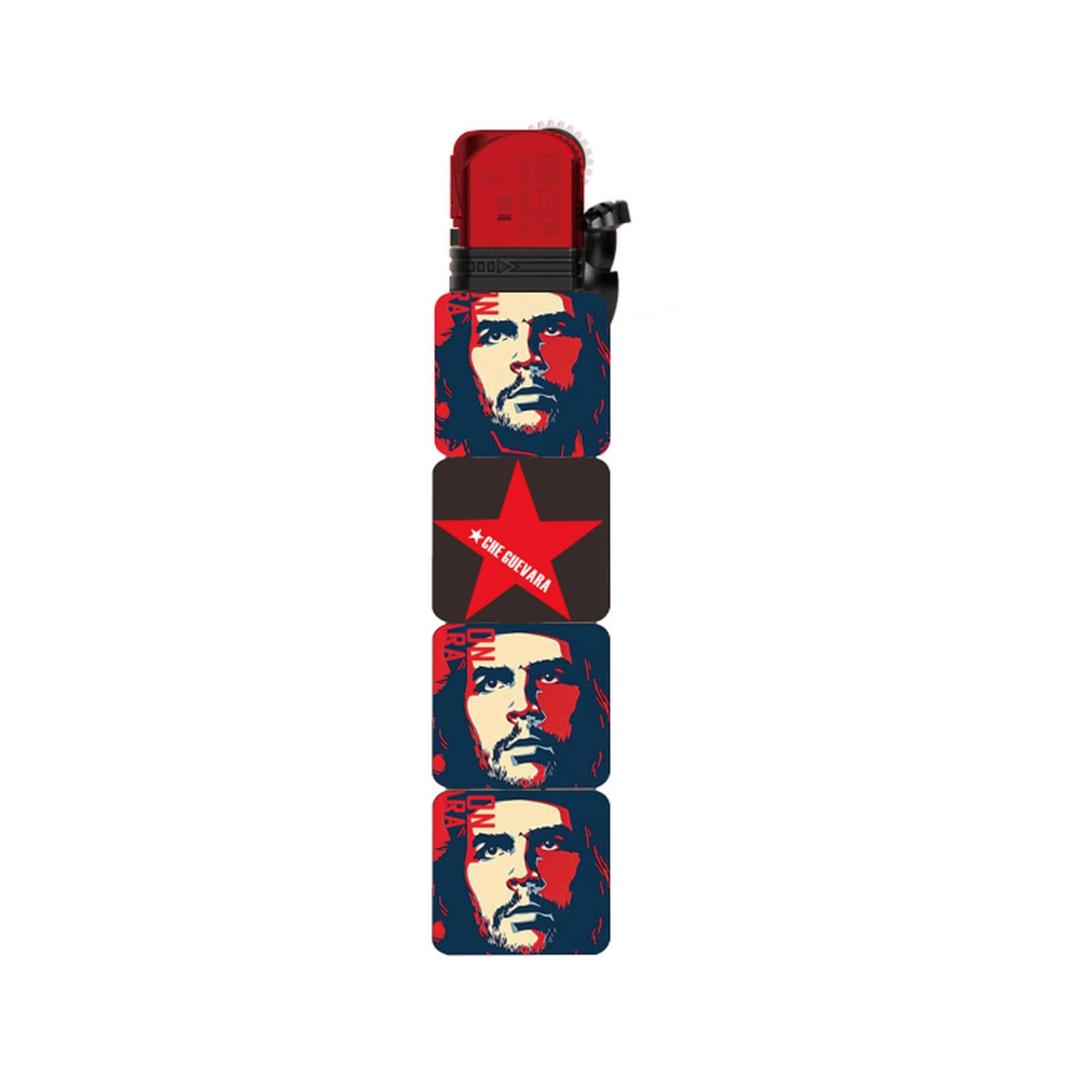
Our Products

Where to Find Reliable Suppliers of Electric BBQ Lighters

Finding reliable suppliers for electric BBQ lighters involves several strategies:

Industry Directories: Websites like Alibaba or ThomasNet provide lists of manufacturers and suppliers. Look for those with comprehensive profiles, including customer reviews and product specifications.

Trade Shows: Attending industry trade shows and expos is an excellent way to connect with manufacturers. These events allow buyers to see products in person, evaluate quality, and engage directly with suppliers.

Online Marketplaces: Platforms dedicated to B2B transactions often have sections specifically for BBQ equipment where buyers can compare various suppliers.

Referrals from Industry Peers: Networking with other professionals in the grilling or outdoor cooking industry can lead to trusted supplier recommendations.

Manufacturer Websites: Companies like Ningbo Shunhong Lighter Manufacture Co., Ltd. often provide information about their products, capabilities, and direct contact options for inquiries.

By utilizing these resources, buyers can identify reputable suppliers that meet their quality and service expectations.

Features and Pricing Factors

Several key features influence the pricing of electric BBQ lighters:

Material Quality: High-quality materials, such as durable plastics and stainless steel, typically result in higher prices but also enhance longevity and performance.

Design Complexity: Electric BBQ lighters with advanced features, such as adjustable flame control, LED indicators, or unique ergonomic designs, may command a premium. Models like the Turbo Flame exemplify these advanced features.

Certifications: Products with quality certifications (such as ISO or CE) may have higher prices due to the costs associated with achieving and maintaining these standards.

Customization Options: Suppliers offering customization in terms of branding, colors, or packaging may charge more depending on the complexity and volume of the order.

Order Volume: Bulk purchases often come with discounts. Understanding the minimum order quantity (MOQ) is crucial for pricing negotiations.

When preparing to request quotations, buyers should clearly outline the required specifications, desired features, and expected order volume to facilitate accurate pricing.

Quality Control Measures in Electric BBQ Lighter Manufacturing

Quality control is vital in ensuring the reliability and safety of electric BBQ lighters. Here are some common measures manufacturers implement:

Material Inspection: Before production, raw materials undergo inspection to ensure they meet required standards. This includes testing for durability, heat resistance, and safety.

In-Process Quality Checks: During assembly, manufacturers often perform checks at various stages. This may include testing the heating element's functionality and ensuring the proper assembly of safety features.

Final Product Testing: Finished products are typically subjected to rigorous testing, including heat generation tests, safety checks, and usability evaluations. This ensures that the lighters function correctly and meet safety standards.

Compliance with Regulations: Manufacturers must ensure that their products comply with relevant safety and quality regulations, which may vary by market. This often involves third-party testing and certification.

Feedback Loops: Gathering customer feedback post-sale allows manufacturers to identify areas for improvement in future production runs.

By understanding these quality control measures, buyers can make informed decisions about the reliability of the lighters they plan to purchase.

Common Problems with Electric BBQ Lighters and Their Solutions

Despite their convenience, electric BBQ lighters can encounter common problems. Here are several issues along with potential solutions:

Failure to Ignite: If the lighter does not ignite, check the power source—ensure batteries are charged or that the device is plugged in. Regular maintenance, such as cleaning the heating element, can also prevent this issue.

Overheating: If a lighter overheats, it may be due to continuous use beyond its designed limits. Buyers should consult the manufacturer's guidelines regarding usage duration and allow the lighter to cool between uses.

Short Battery Life: Battery-operated lighters may face reduced performance due to prolonged inactivity or low-quality batteries. Buyers should ensure they use high-quality batteries and consider rechargeable options for sustainability.

Damage to Cord (if applicable): For plug-in models, a damaged power cord can be a safety hazard. Inspect cords regularly and replace them immediately if frayed or damaged.

User Error: Many problems arise from improper use. Providing clear instructions or user manuals can help mitigate this issue, ensuring users understand how to operate the lighter safely and effectively.

Addressing these common problems proactively can enhance customer satisfaction and prolong the lifespan of electric BBQ lighters.

Key Specifications of Electric BBQ Lighters for Wholesale Buyers

When considering electric BBQ lighters for wholesale purchase, several key specifications should be evaluated:

Power Source: Most electric BBQ lighters operate on batteries or plug into an electrical outlet. Battery-operated models offer portability, while electric models provide continuous power without changing batteries.

Heating Element: The material and design of the heating element impact ignition speed and efficiency. Common materials include stainless steel for durability and rapid heating capabilities.

Temperature Range: The maximum temperature that the lighter can achieve is significant for efficient ignition. Many electric lighters can reach temperatures of 1000°F or higher, ensuring quick lighting of fuels.

Safety Features: Look for lighters with features such as overheating protection, child safety locks, and automatic shut-off to mitigate risks during use.

Ergonomics: The design should facilitate ease of use, especially for prolonged periods. A comfortable grip and a lightweight design are preferred by users.

Cord Length (if applicable): For plug-in models, a longer cord can increase usability by allowing more movement around the grill.

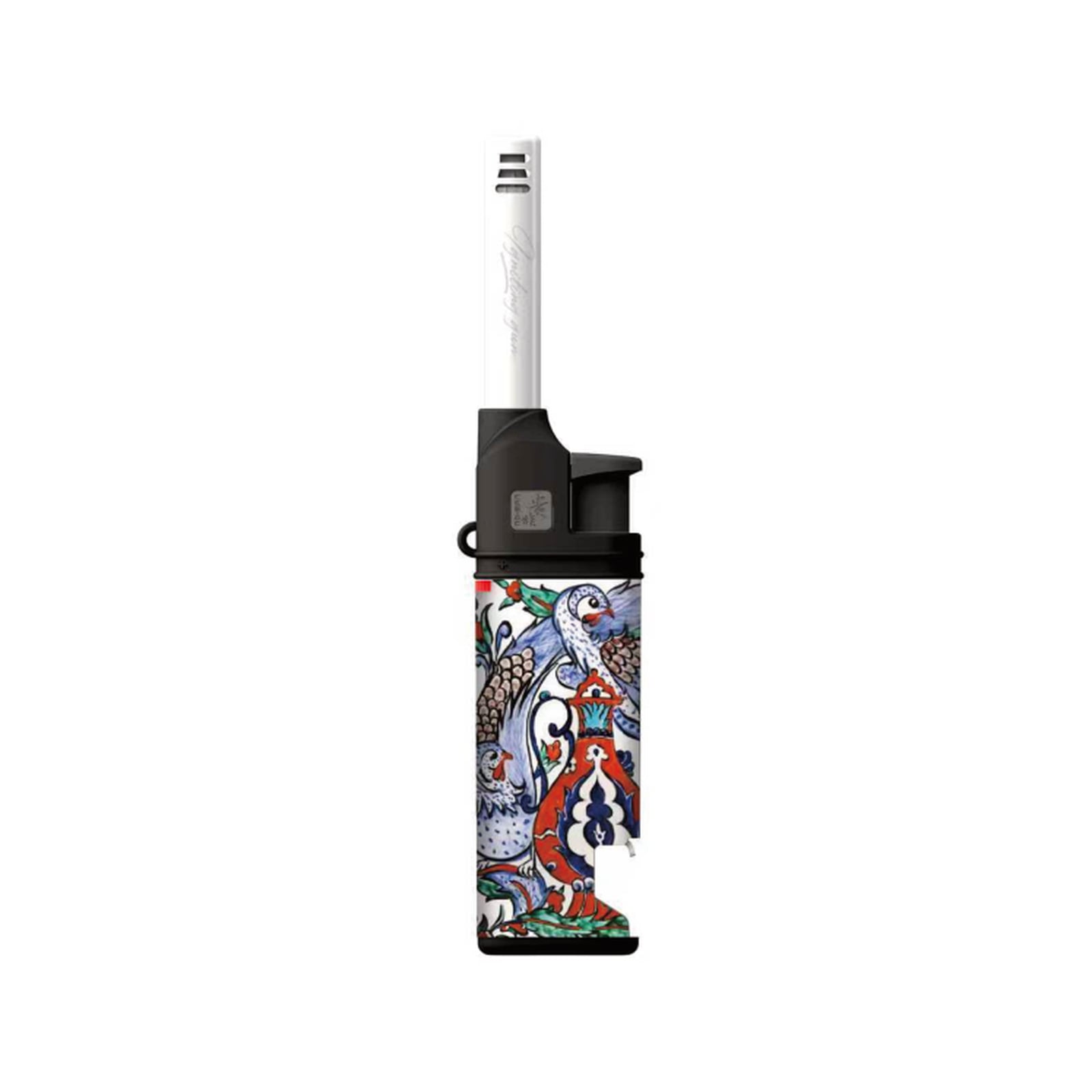
Understanding these specifications will help buyers assess the suitability of electric BBQ lighters for their specific applications and customer needs. For instance, models like the Jet Flame and Normal Flame are popular options that meet various requirements.

Get a Free Quote

Our representative will contact you soon.
Email
Mobile
Name
Company Name
Message
0/1000

Related product categories