Choosing the Right Barbecue Gas Lighter

Contact me immediately if you encounter problems!

All Categories

barbecue gas lighter

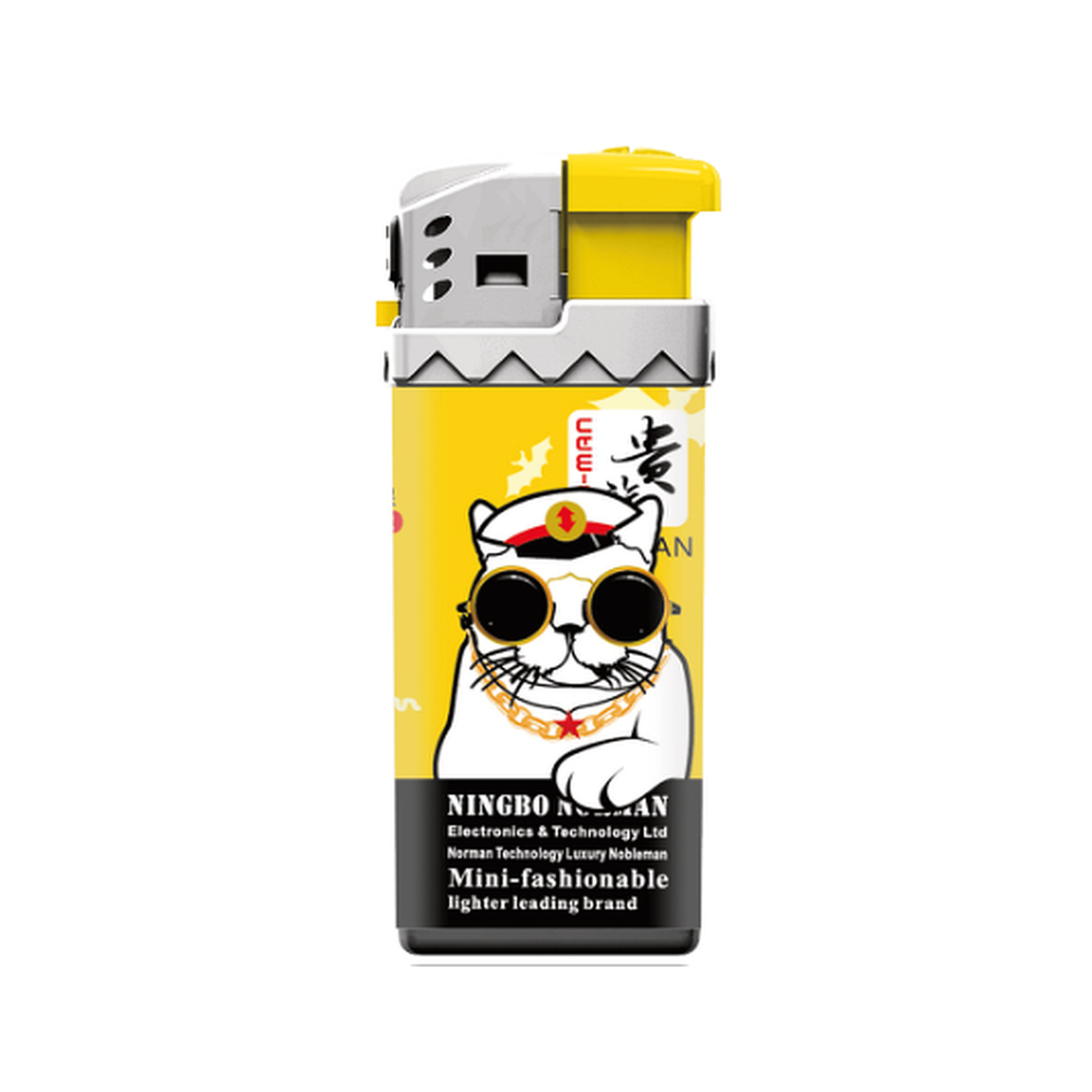
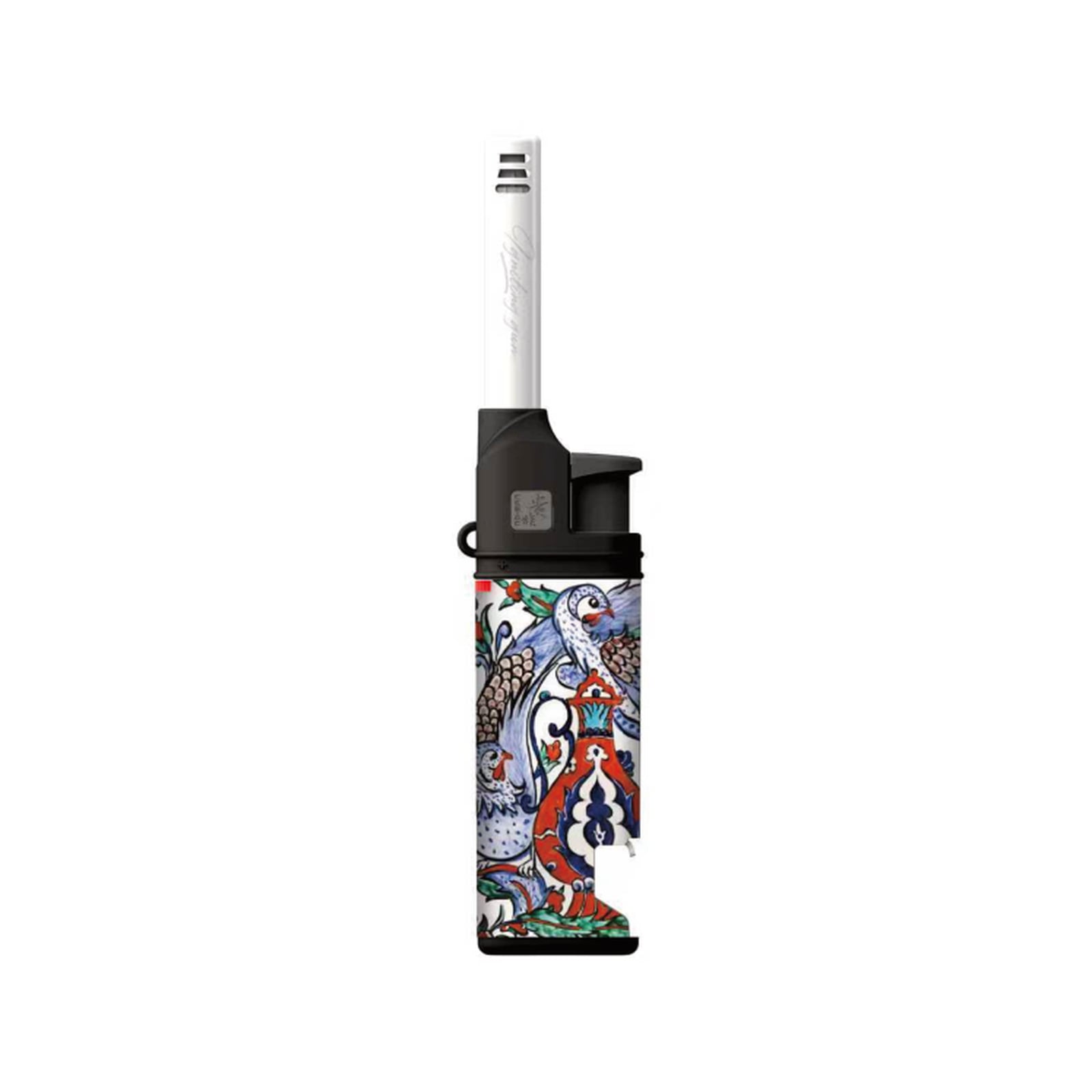
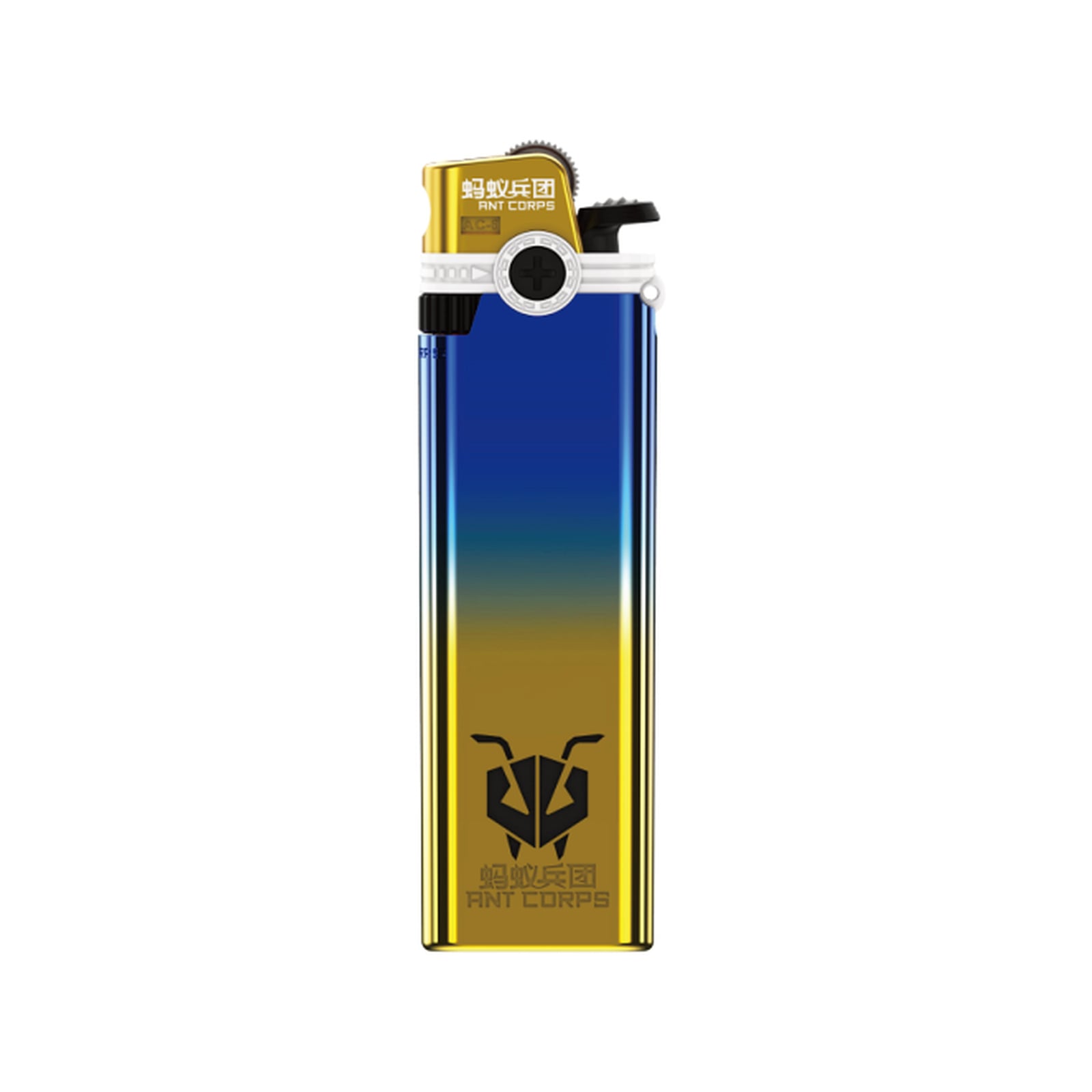
Barbecue gas lighters are essential tools for efficiently igniting grills, smokers, and fire pits, catering to both commercial and personal use. Buyers often prioritize factors such as reliability, safety, and ease of use when selecting the right lighter. This article aims to guide purchasing managers and product managers through the crucial aspects of choosing a barbecue gas lighter, addressing common concerns and providing practical insights into applications, potential issues, and material considerations.
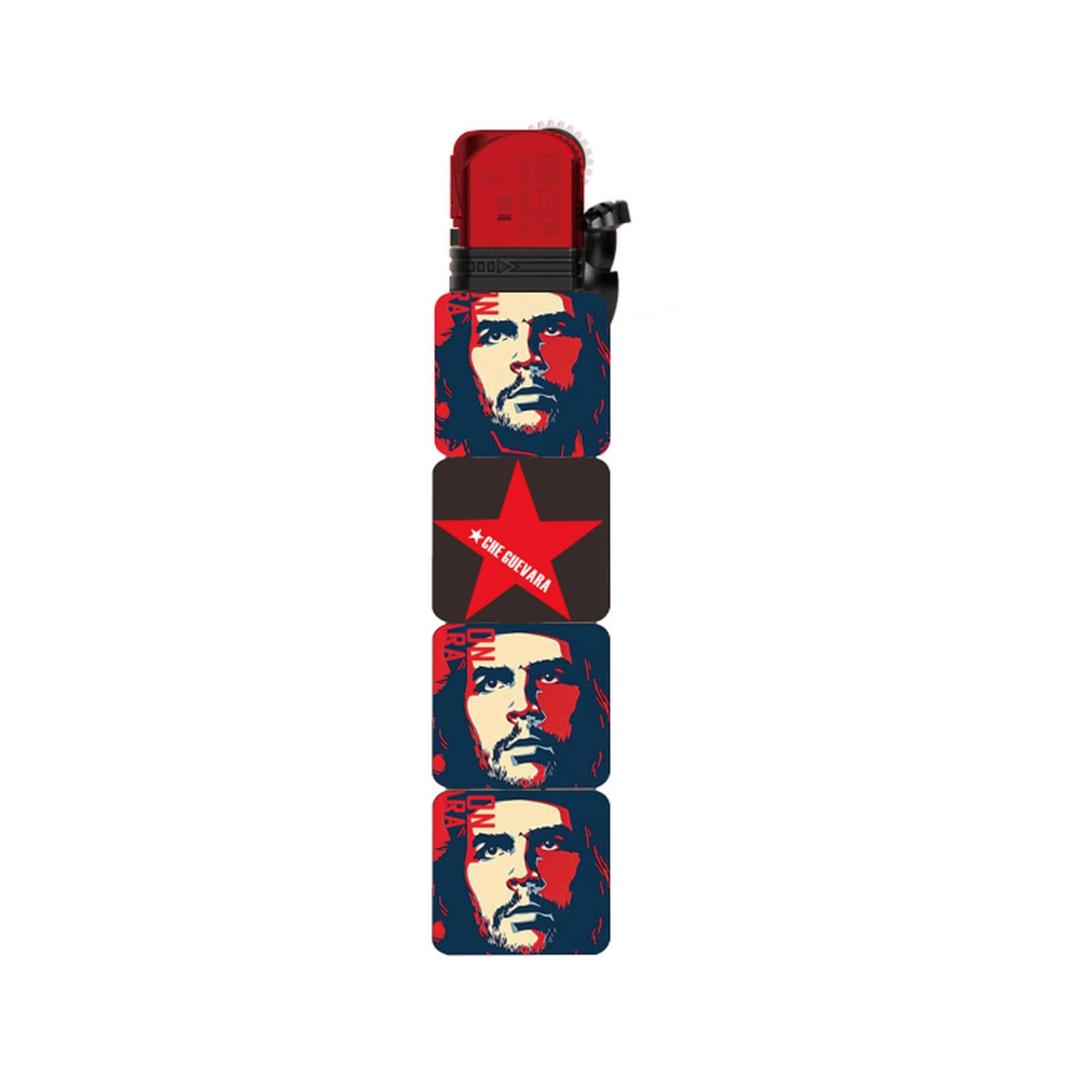
Our Products

Key Applications for Barbecue Gas Lighters in the Industry

Barbecue gas lighters find extensive applications in various sectors, primarily in the food and hospitality industry. Here are some key applications:

Catering Services: Mobile caterers and food trucks often rely on barbecue gas lighters to ignite grills quickly and safely, ensuring that food preparation runs smoothly during events.

Restaurants and Cafés: Establishments that utilize outdoor grills or fire pits for cooking or ambiance benefit from reliable lighters to maintain consistent operations, especially during peak times. Options like Jet Flame lighters can be particularly effective in these settings.

Manufacturing and Retail: Companies that produce barbecue grills or related products may also use gas lighters in their quality control processes to test ignition systems before shipping.

Home Use: For individual consumers, barbecue gas lighters are indispensable for backyard grilling, camping, and outdoor entertaining. They offer convenience and safety for igniting grills and fire pits.

By understanding these applications, buyers can better appreciate the versatility and importance of barbecue gas lighters in their respective fields.

Common Problems with Barbecue Gas Lighters and Their Solutions

Despite their simplicity, barbecue gas lighters can encounter several common issues. Here are some problems and recommended solutions:

Failure to Ignite: If a lighter fails to produce a flame, check the fuel supply and ensure the fuel is not empty or expired. It's also advisable to ensure that the ignition mechanism is functioning properly.

Inconsistent Flame: A flickering or weak flame can be caused by low fuel pressure or blockages in the nozzle. Regular maintenance and cleaning can prevent these issues.

Safety Lock Issues: Sometimes, the safety lock may malfunction, resulting in unintended ignition. Buyers should confirm that the safety features are working correctly during quality inspections.

Ergonomic Concerns: Users may experience discomfort if the lighter is poorly designed. Trying out different models to find one that fits comfortably in hand is crucial.

Addressing these common problems ensures that buyers can maintain their lighters effectively, optimizing performance and safety.

A Buyeru2019s Guide

When preparing to purchase barbecue gas lighters, buyers should gather specific information and consider several factors for a smooth procurement process:

Specifications: Clearly outline the required specifications, including ignition type, fuel compatibility, and safety features. This will help suppliers understand your needs.

Material Considerations: Inquire about the materials used in the construction of the lighter, as this affects durability and performance. Plastic and metal components should be assessed for quality and suitability.

Customization Requirements: If branding or specific design features are needed, communicate these requirements upfront. Manufacturers may offer customization options to meet branding needs.

Packaging and Shipping: Discuss packaging methods, especially for bulk orders. Ensure that the packaging protects the products during transit and is compliant with shipping regulations.

Lead Time and Pricing: Clarify lead times for production and delivery, and understand how pricing may vary based on order quantity and customization options.

By preparing this information, buyers can streamline their RFQ process and facilitate better communication with suppliers.

Understanding Material Advantages in Barbecue Gas Lighter Production

The materials used in the production of barbecue gas lighters significantly influence their performance and longevity. Here are some common materials and their advantages:

Plastic Components: High-quality, heat-resistant plastics are often used for the lighter casing. These materials are lightweight, cost-effective, and can be molded into ergonomic shapes for ease of use.

Metal Parts: Stainless steel or aluminum is commonly used for internal mechanisms due to their durability and resistance to corrosion. Metal components tend to offer greater longevity than plastic counterparts.

Ignition Mechanism Materials: The ignition system may utilize specialized alloys designed for high-temperature performance. Ensuring that these materials can withstand repeated use without degradation is crucial for reliability.

Sealing Materials: Gaskets and seals made from silicone or rubber help prevent gas leaks, which is essential for safe operation. Buyers should confirm the quality of these materials to reduce the risk of safety hazards.

By understanding the advantages of these materials, buyers can make informed decisions about the durability and suitability of barbecue gas lighters for their specific applications.

How to Choose the Right Barbecue Gas Lighter for Your Needs

When selecting a barbecue gas lighter, buyers should consider several key factors, including ignition type, fuel compatibility, safety features, and ergonomics.

Ignition Type: Barbecue gas lighters typically come with either a piezoelectric ignition or electronic ignition. Piezoelectric igniters are often more reliable in outdoor conditions, while electronic lighters may offer a more modern design and enhanced ease of use.

Fuel Compatibility: Ensure that the lighter is compatible with the fuel source used in your application, whether it’s propane, butane, or natural gas. This compatibility affects ignition efficiency and safety.

Safety Features: Look for lighters with child safety locks and flame control systems. These features prevent accidental ignitions and allow users to adjust the flame size according to their needs. For instance, options like Normal Flame settings can offer the right balance of control.

Ergonomics: A lightweight design that fits comfortably in the hand can significantly improve user experience. Consider lighters with long handles for better reach, especially for larger grills.

Understanding these specifications will aid buyers in selecting a barbecue gas lighter that meets their specific requirements and ensures efficient and safe usage.

Get a Free Quote

Our representative will contact you soon.
Email
Mobile
Name
Company Name
Message
0/1000

Related product categories