Quality Barbecue Coal Starters for Wholesale Buyers

Contact me immediately if you encounter problems!

All Categories

barbecue coal starter

A barbecue coal starter is an essential tool for achieving the perfect grilling experience, allowing users to ignite charcoal quickly and efficiently. For B2B buyers, particularly those in the manufacturing and retail sectors, selecting the right barbecue coal starter can be a critical decision that affects sales and customer satisfaction. This article provides insights into what to look for when sourcing these products, pricing factors, common issues and solutions, installation guidance, and the benefits of various materials used in their design.
Our Products

Pricing Insights

Pricing Insights

Pricing for barbecue coal starters varies based on material, design complexity, and manufacturing processes. Here are key considerations affecting pricing:

Material Costs: Stainless steel typically costs more than plastic, reflecting its durability and heat resistance. Buyers should assess how the material choice impacts both cost and perceived value in their target market.

Production Volume: Higher order quantities usually lead to lower unit costs due to economies of scale. Establishing a minimum order quantity (MOQ) with suppliers can help manage costs effectively.

Customization and Branding: Custom designs or branding can increase production costs. Buyers should evaluate whether the potential increase in selling price justifies these costs.

Shipping and Logistics: The final price should also include shipping costs, which can fluctuate based on the order size and delivery destination. It’s wise to discuss shipping terms with suppliers to get a comprehensive view of total costs.

Understanding these pricing factors will help buyers negotiate effectively and ensure they receive favorable terms from suppliers.
Common Problems with Barbecue Coal Starters and Their Solutions

Common Problems with Barbecue Coal Starters and Their Solutions

Barbecue coal starters can encounter several common issues that may affect performance. Here are some potential problems and their solutions:

Inefficient Ignition: If the starter fails to ignite coals quickly, it may be due to poor airflow design. Buyers should look for products with vents or perforations that facilitate better air circulation and enhance ignition efficiency.

Handle Heat Transfer: A common complaint is that handles can become too hot to hold safely. Selecting starters with heat-resistant or insulated handles can mitigate this issue and improve user safety.

Durability Concerns: Some starters may show signs of wear and tear after just a few uses. Ensuring that the chosen product is manufactured using high-quality materials and undergoing rigorous quality control can address these durability concerns.

Difficulty in Cleaning: Charcoal residue can make cleaning cumbersome. Buyers should consider products that are easy to disassemble or have smooth surfaces to facilitate easy cleaning after use.

By proactively addressing these common problems during the selection process, buyers can significantly enhance customer satisfaction and reduce return rates.

Installation Guidance for Efficient Use of Barbecue Coal Starters

Installation Guidance for Efficient Use of Barbecue Coal Starters

While barbecue coal starters are generally simple to use, following proper installation and usage guidelines can enhance performance and safety:

Placement: Position the starter on a stable, heat-resistant surface away from flammable materials. Buyers should also advise customers to use the starter in a well-ventilated area to ensure adequate airflow during ignition.

Loading Coals: Fill the starter with the appropriate amount of charcoal, ensuring they are not packed too tightly. This allows for optimal airflow and quicker ignition.

Ignition Method: Using lighter cubes or kindling at the bottom of the starter can improve ignition speed. Buyers should recommend reliable ignition methods to customers for optimal performance.

Post-Use Care: After use, customers should allow the starter to cool completely before cleaning. Regular maintenance and cleaning will help prolong the life of the product.

Providing clear installation guidance can help buyers enhance customer experience and promote safe usage practices.

Understanding Material Advantages in Barbecue Coal Starter Design

The choice of materials in barbecue coal starter design plays a crucial role in their performance and longevity. Here are some common materials and their advantages:

Stainless Steel: Known for its durability and resistance to rust and corrosion, stainless steel is an excellent choice for barbecue coal starters. It can withstand high temperatures without warping, ensuring a long-lasting product.

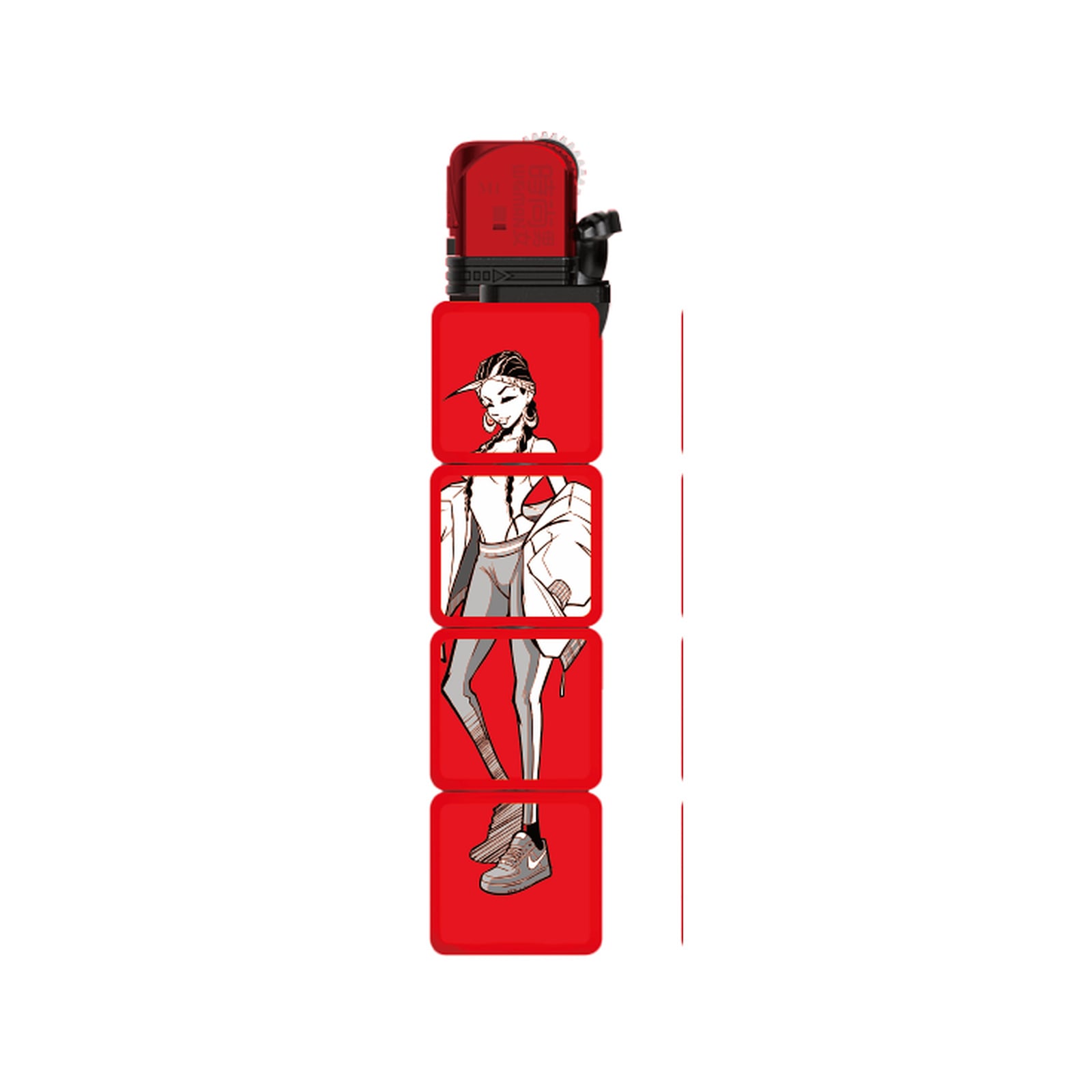
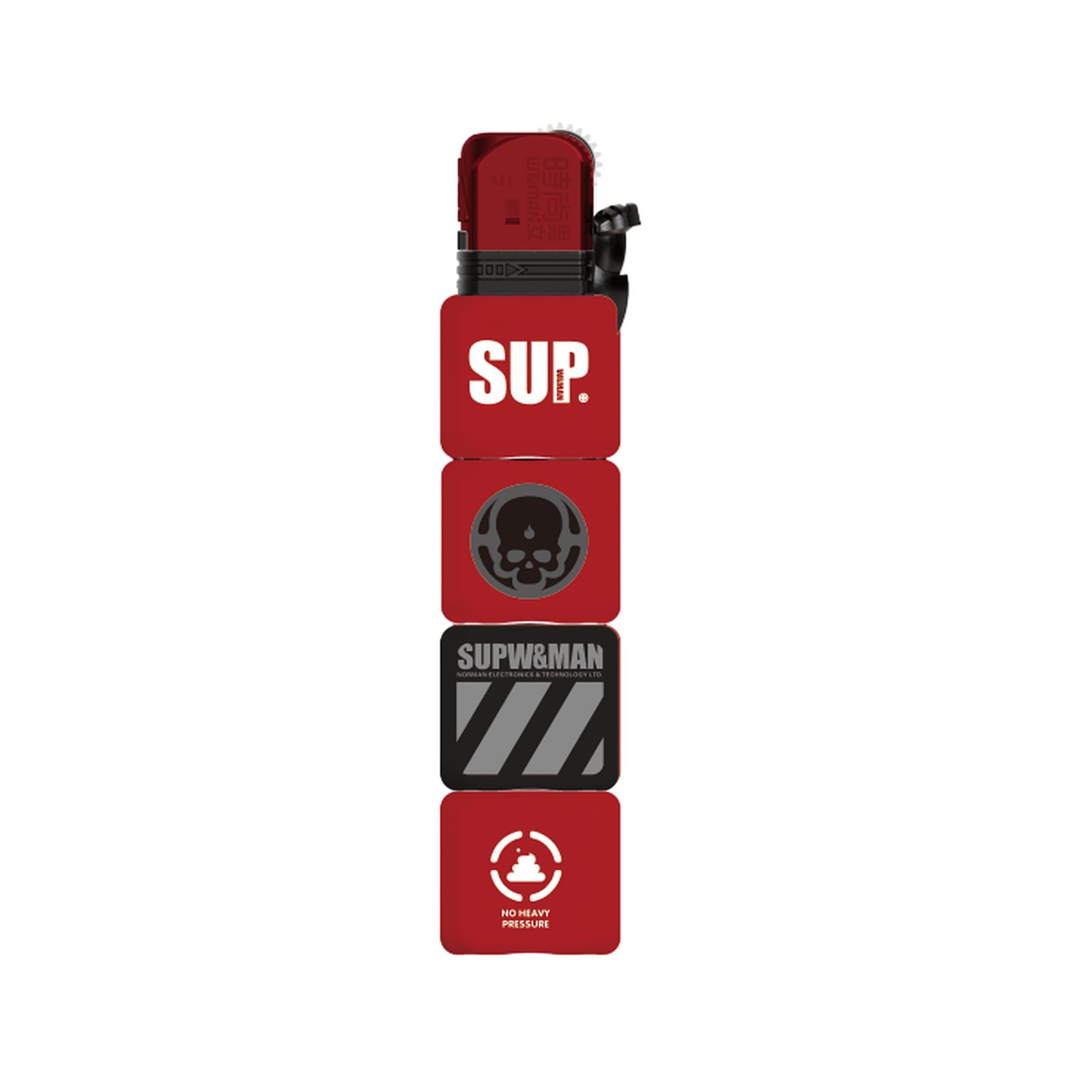
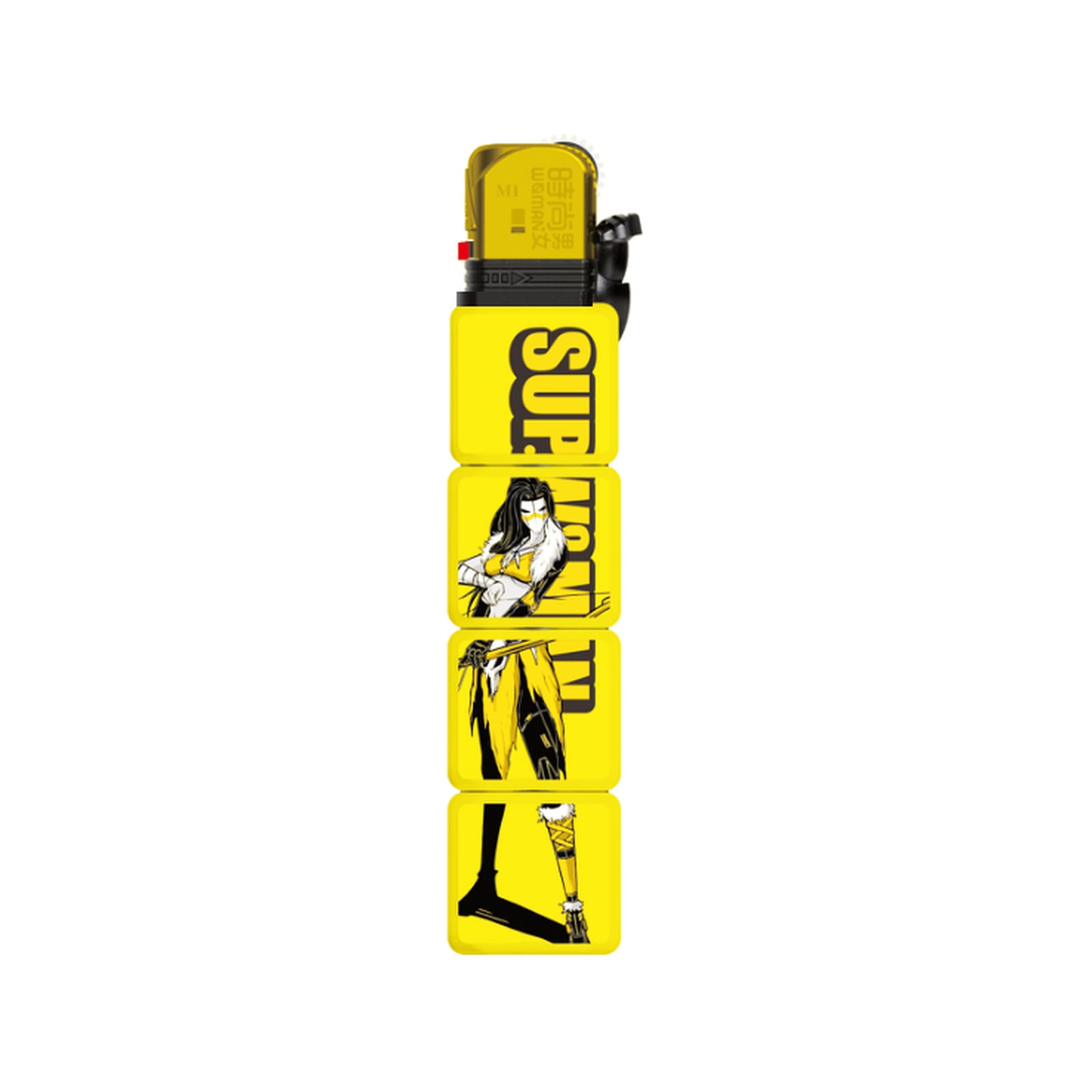
Heat-Resistant Plastic: While typically less durable than metal options, high-quality heat-resistant plastics can be effective for lighter, portable starters. These materials can reduce manufacturing costs and appeal to budget-conscious consumers. Products like the NBM-X3S Refillable Butane Gas Lighter – Compact yellow cartoon print are examples of this.

Coated Metals: Some starters may feature coatings for enhanced heat resistance and aesthetic appeal. Buyers should ensure that any coatings used do not compromise the safety or functionality of the product.

Composite Materials: Emerging composite materials can offer the best of both worlds—strength and lightweight properties. These materials can be particularly appealing to manufacturers looking to innovate.

Understanding the advantages of various materials allows buyers to make informed decisions based on performance requirements, target market preferences, and pricing strategies.

By considering the insights shared, B2B buyers can navigate the complexities of sourcing barbecue coal starters more effectively. This knowledge will empower them to select products that meet customer needs, enhance satisfaction, and drive sales.

What to Look for in a Quality Barbecue Coal Starter for Wholesale

When sourcing barbecue coal starters for wholesale, buyers should consider several key factors to ensure they choose a product that meets market demand and performs reliably.

Material Quality: The most effective starters are typically made from durable materials that can withstand high temperatures. Look for starters made from stainless steel or heat-resistant plastic. Stainless steel provides excellent heat retention and longevity, while heat-resistant plastics can be lighter and more cost-effective.

Design Features: Features such as a sturdy handle for easy handling and a wide base for stable positioning are critical for user safety and convenience. Buyers should also consider designs that facilitate airflow, as this can significantly reduce the time required to ignite coals.

Size and Capacity: Depending on the intended market, the size and capacity of the coal starter can vary. A larger capacity may appeal to commercial users who need to light more coals simultaneously, while smaller options may be suitable for home users.

Certification and Compliance: Ensure the products comply with relevant safety standards and certifications. This is vital for establishing trust with customers and adhering to legal requirements in different markets.

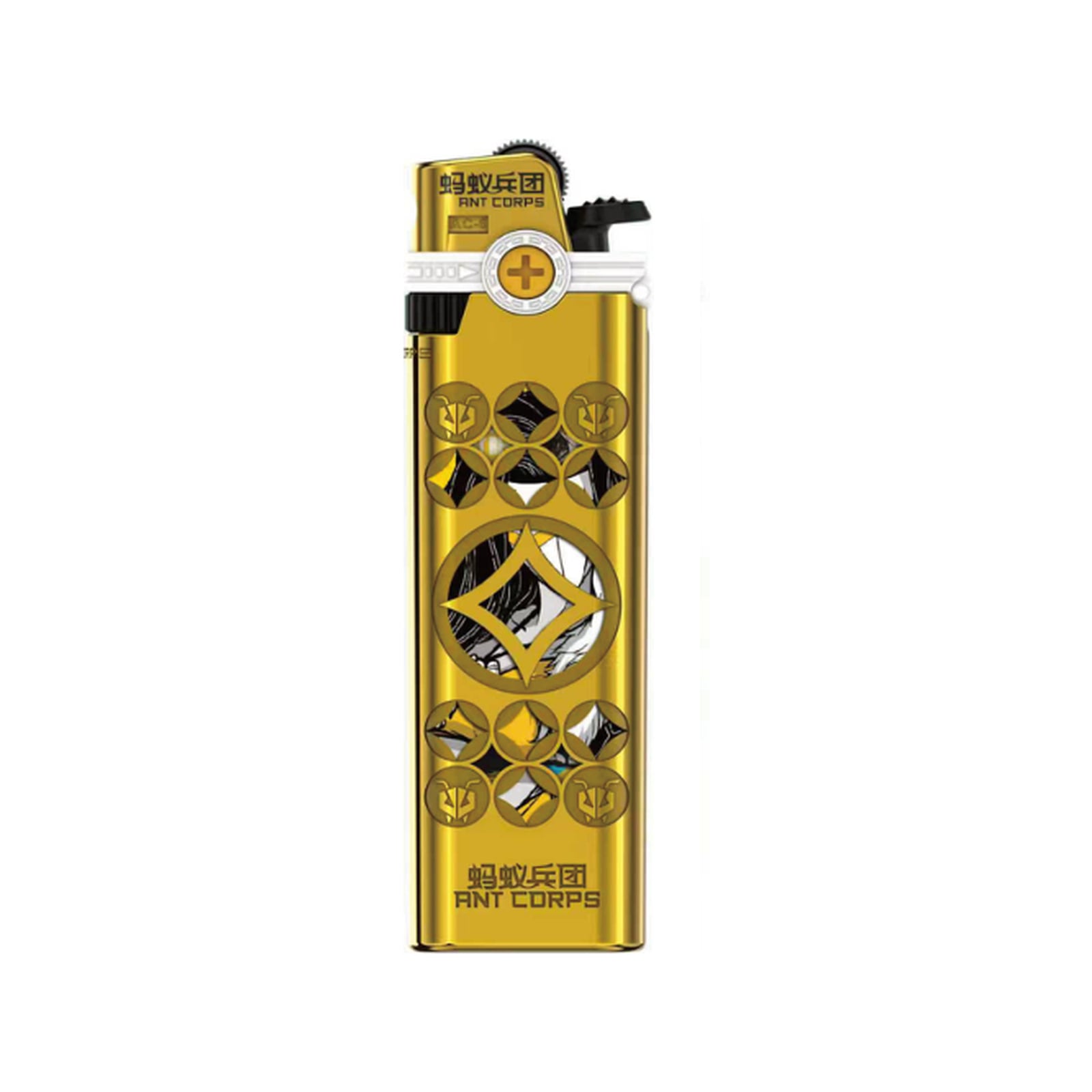
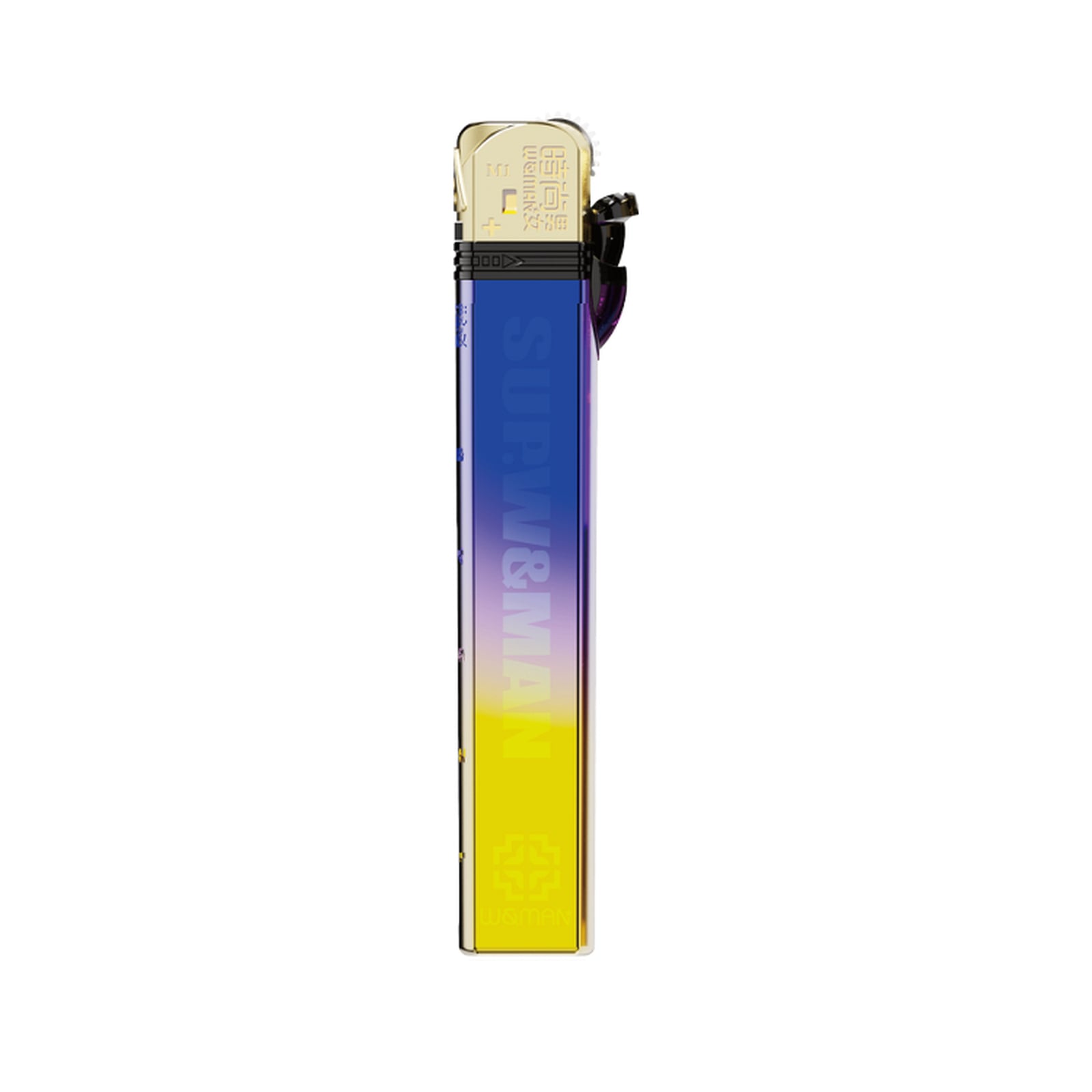
Customization Options: Some manufacturers, like Ningbo Shunhong Lighter Manufacture Co., Ltd., offer customization capabilities for branding or specific design modifications. This can enhance the product's appeal and differentiate it in a competitive market. For example, options like the Q6T Refillable Butane Gas Lighter – Slim printed fashion body can provide unique branding opportunities.

By carefully evaluating these factors, buyers can select barbecue coal starters that align with customer expectations and market trends.

Get a Free Quote

Our representative will contact you soon.
Email
Mobile
Name
Company Name
Message
0/1000

Related product categories