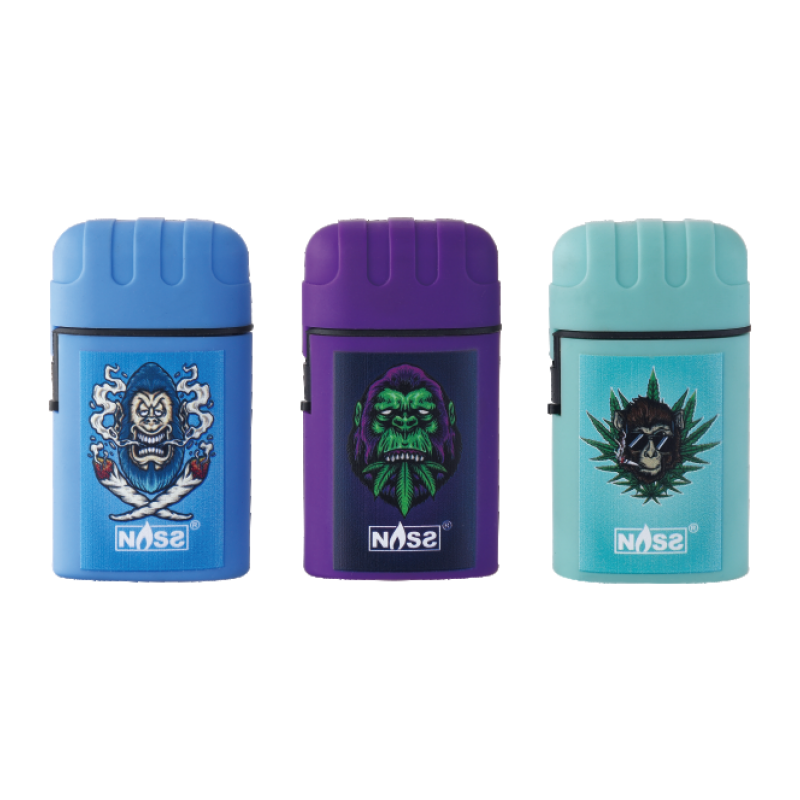
Key Specifications for Barbecue Charcoal Starters

Contact me immediately if you encounter problems!

All Categories

barbecue charcoal starter

When looking to ignite your barbecue quickly and efficiently, a barbecue charcoal starter becomes an essential tool. These devices simplify the process of lighting charcoal, ensuring an even burn and reducing the time needed to reach cooking temperatures. For B2B buyers, understanding the specifications, quality control processes, and potential issues related to charcoal starters is crucial for making informed purchasing decisions. This article will provide insights into key specifications, quality control, installation challenges, material advantages, and cost considerations when sourcing barbecue charcoal starters in bulk.
Our Products

Understanding the Quality Control Process for Charcoal Starters

Quality control is a fundamental aspect of manufacturing barbecue charcoal starters. At Ningbo Shunhong Lighter Manufacture Co., Ltd., a rigorous quality assurance process is implemented at multiple stages of production. This includes selecting high-quality materials that meet safety standards, conducting pre-production quality checks, and performing tests during the manufacturing process to ensure compliance with specifications.

Buyers should expect manufacturers to provide documentation of their quality control processes. This could include inspection reports, material certifications, and compliance with relevant industry standards. Furthermore, having a clear understanding of the manufacturer’s quality control measures can help buyers avoid common pitfalls, such as receiving products that do not meet specifications or have safety issues.

Common Installation Problems with Barbecue Charcoal Starters and Solutions

Installation and operational issues can arise with barbecue charcoal starters, often due to improper use or miscommunication regarding specifications. One common problem is the improper placement of the starter, which can lead to uneven burning and wasted fuel. To mitigate this, buyers should ensure that their team is trained on the correct usage of the starter and that specifications regarding placement and operation are clearly communicated.

Another frequent issue involves the starter’s compatibility with different types of charcoal. Some charcoal starters may not effectively light certain brands or types of charcoal. Buyers should verify that the starter they choose is suitable for the intended charcoal type to avoid operational difficulties. For instance, those considering a traditional approach might explore the benefits of a Normal Flame starter.

Lastly, users sometimes face challenges with power sources for electric starters. It’s important for buyers to confirm that the necessary power supply is available at the point of use, and if not, consider alternatives such as charcoal chimney starters that don’t require electricity.

Material Advantages of Our Barbecue Charcoal Starters Explained

The materials used in manufacturing barbecue charcoal starters significantly impact their performance and longevity. High-quality starters are typically made from heat-resistant materials such as stainless steel or durable plastics designed to withstand intense heat without degrading.

Stainless steel starters offer excellent durability and resistance to rust, making them ideal for outdoor use. On the other hand, high-grade plastics can provide lightweight options that are easier to handle and transport. When selecting materials, buyers should consider the expected operating conditions, including exposure to moisture, temperature fluctuations, and potential physical impacts during transport.

Moreover, manufacturers like Ningbo Shunhong incorporate design features that enhance the effectiveness of the materials used. For instance, starters with heat-reflective coatings can improve efficiency by directing heat back onto the charcoal, leading to quicker ignition times. Buyers should inquire about these specific advantages when evaluating different options.

Cost Factors to Consider When Purchasing Charcoal Starters in Bulk

When purchasing barbecue charcoal starters in bulk, various cost factors come into play. Firstly, the unit price can vary significantly based on the chosen specifications, such as materials, design complexity, and production volume. Buyers should discuss their specific requirements with manufacturers to receive accurate quotations that reflect the desired features.

Another cost consideration is the minimum order quantity (MOQ). Manufacturers often set MOQs based on production capabilities, and understanding these requirements can help buyers plan their budgets and inventory needs effectively. Additionally, shipping costs should be evaluated; bulk orders may present opportunities for cost savings in shipping, but this can vary based on the shipping method, destination, and any associated tariffs.

Lastly, buyers should factor in potential costs related to quality control and inspection. Engaging third-party inspection services can ensure that the products meet the required specifications before shipment, potentially preventing costly returns or reorders in the future.

By understanding these specifications and considerations, B2B buyers can make informed decisions when sourcing barbecue charcoal starters, leading to successful purchasing outcomes and satisfied end-users.

Key Specifications of Barbecue Charcoal Starters for Bulk Orders

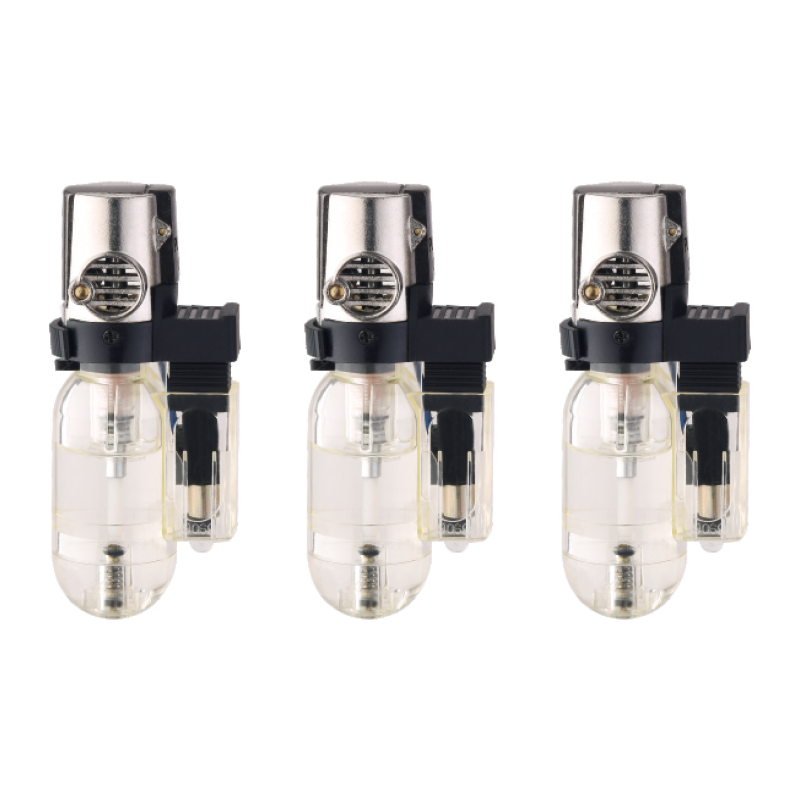
When sourcing barbecue charcoal starters, certain specifications are vital to consider. First, the type of ignition method is critical; electric starters, chimney starters, and lighter fluid starters all have unique benefits depending on the intended use. For example, electric starters are efficient for quick ignition, while chimney starters are favored for their ability to light larger amounts of charcoal evenly. Buyers should also consider options like Turbo Flame starters that offer enhanced ignition features.

Dimensions also play a significant role. Buyers should confirm the size of the starter to ensure compatibility with the type of grill or barbecue setup being used. A typical charcoal starter can range in size, but dimensions such as height and diameter can significantly affect the quantity of charcoal it can handle.

Material quality is another specification to evaluate. Most starters are made from heat-resistant plastics or metals, which can withstand high temperatures without warping or melting. It’s important to ensure that the materials used are durable and can stand up to regular use, as well as any specific environmental conditions they might face during shipping and storage.

Get a Free Quote

Our representative will contact you soon.
Email
Mobile
Name
Company Name
Message
0/1000

Related product categories