BBQ Gas Lighter Specifications for Wholesale Buyers

Contact me immediately if you encounter problems!

All Categories

bbq gas lighter

BBQ gas lighters are essential tools for both commercial and residential grilling, providing a safe and efficient way to ignite gas-powered grills. For B2B buyers such as purchasing managers, distributors, and engineers, understanding the specific requirements of BBQ gas lighters is crucial for making informed purchasing decisions. This article will delve into the key specifications, selection criteria, installation guidelines, common issues, and applications of BBQ gas lighters to help buyers navigate the procurement process effectively.

Our Products

How to Choose the Right BBQ Gas Lighter for Your Projects

Selecting the right BBQ gas lighter involves several considerations tailored to specific project needs. Here are some steps to guide the selection process:

Identify Usage Context: Determine whether the lighter will be used for commercial purposes, such as in restaurants or catering, or for personal use. Commercial applications may require more robust and durable designs.

Evaluate Performance Needs: Consider the ignition speed and flame control required for your specific application. For instance, rapid ignition may be crucial in a high-turnover restaurant environment.

Check Compliance Standards: Ensure that the BBQ gas lighter adheres to local safety and quality standards. This includes verifying certifications such as ISO or other relevant industry regulations.

Assess Customization Opportunities: Many manufacturers, including Ningbo Shunhong Lighter Manufacture Co., Ltd., offer customization options. Buyers should inquire about branding, color, and packaging to meet their specific needs.

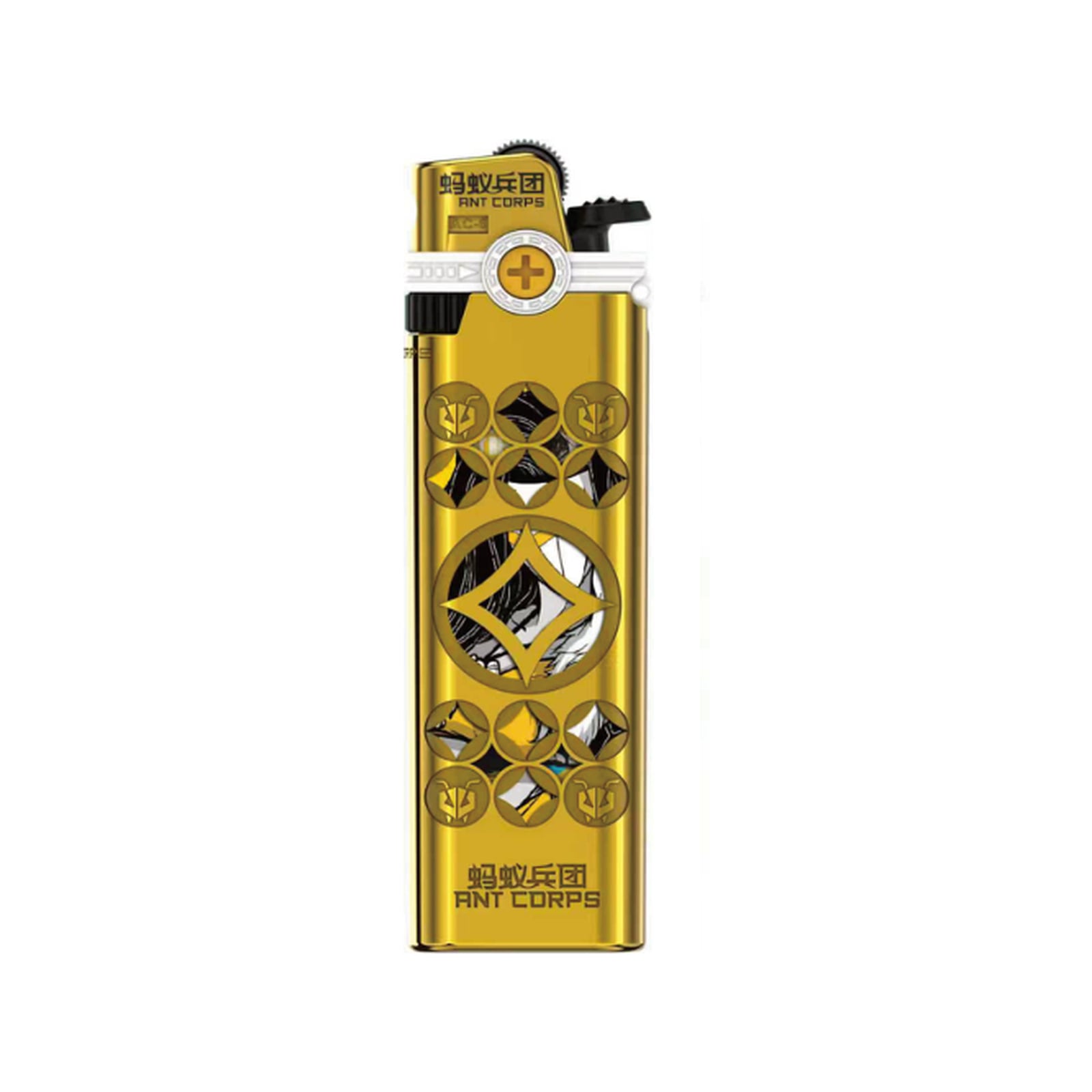
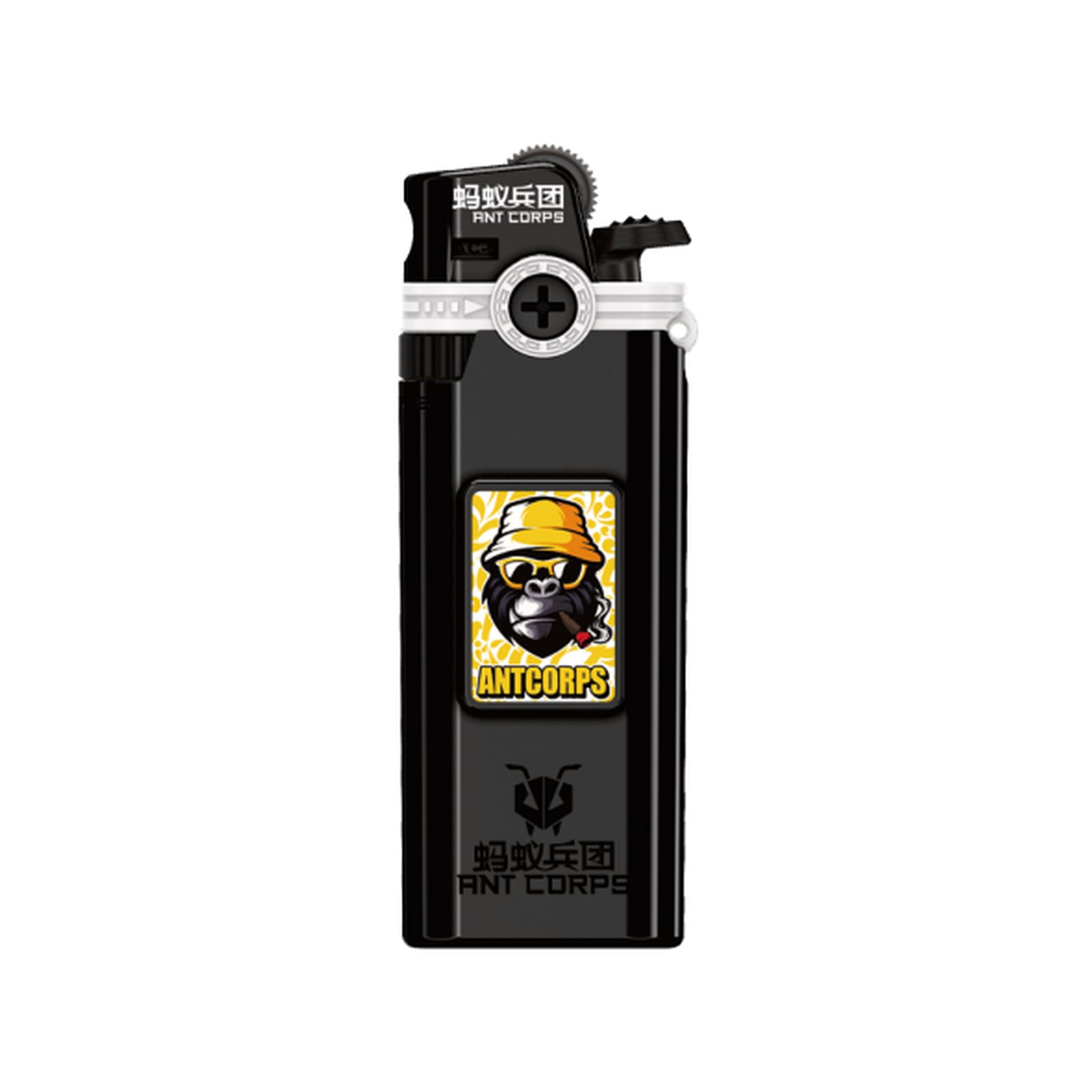
Review Minimum Order Quantities (MOQ): Understand the MOQ set by the supplier, as this can significantly impact budgeting for larger projects. For instance, the AC6HT Refillable Butane Gas Lighter – Gold patterned body provides a stylish option that can be branded for promotional purposes.

By following these steps, buyers can make informed decisions that align with their project requirements and budget constraints.

Installation Guidelines for BBQ Gas Lighters in Commercial Settings

Proper installation of BBQ gas lighters in commercial settings is critical for ensuring safety and efficiency. Here are some best practices:

Follow Manufacturer Instructions: Always refer to the manufacturer’s guidelines for installation to ensure compliance with safety standards and optimal performance.

Ensure Proper Ventilation: When installing gas lighters, ensure that the area is well-ventilated to prevent the accumulation of gas, which can pose safety hazards.

Secure Mounting: If the lighter is designed to be mounted, ensure that it is securely attached to prevent accidental falls or damage during use.

Conduct Regular Inspections: After installation, conduct routine inspections to check for any signs of wear or malfunction. This includes checking the ignition system and ensuring that safety features are operational.

Training for Staff: Provide training for staff on the proper use and maintenance of BBQ gas lighters to minimize risks and enhance safety in the workplace.

Adhering to these guidelines will help mitigate risks associated with gas lighters and promote a safe working environment.

Common Issues with BBQ Gas Lighters and Effective Solutions

Like any mechanical device, BBQ gas lighters can encounter issues that may affect their performance. Here are some common problems and their solutions:

Failure to Ignite: This is often caused by low fuel levels or a clogged ignition system. Regularly check fuel levels and clean the igniter to ensure proper functionality.

Weak Flame: A weak or inconsistent flame can result from insufficient fuel pressure or a blocked nozzle. Ensure that the gas supply is adequate and that the nozzle is free from obstructions.

Leaks: Gas leaks can be extremely dangerous. Regularly inspect the lighter for any signs of gas leakage and replace seals or components as necessary. Using a soap solution to check for bubbles can help identify leaks.

Wear and Tear: Over time, components may wear out due to prolonged use. Establish a maintenance schedule to replace parts and ensure the lighter operates safely.

Safety Lock Malfunctions: If the safety lock fails, it may pose a risk during operation. Regularly test the safety mechanism and replace the lighter if the lock is non-functional.

Addressing these common issues promptly can enhance the longevity of BBQ gas lighters and ensure safe operation.

Applications of BBQ Gas Lighters Across Different Industries

BBQ gas lighters find applications in various industries beyond traditional grilling. Here are some notable applications:

Catering and Food Service: In commercial kitchens, BBQ gas lighters are used for grilling, smoking, and igniting ovens. Their reliability is essential in fast-paced food service environments.

Outdoor Events and Festivals: For outdoor events such as festivals and fairs, BBQ gas lighters are used to quickly ignite grills and catering equipment, facilitating food preparation for large crowds.

Manufacturing and Industrial Processes: Certain manufacturing processes that require controlled flames, such as metalworking or glassblowing, utilize BBQ gas lighters for precision ignition.

Camping and Recreational Activities: In the outdoor leisure industry, BBQ gas lighters are popular for camping equipment, providing a safe and efficient means of igniting campfires and portable grills. Products like the SH-3011 Slim Pocket Jet Torch Lighter with Matte Finish are perfect for such activities.

Promotional Products: Many companies use BBQ gas lighters as promotional items, allowing for branding opportunities while providing a practical tool for customers.

Understanding these diverse applications can help buyers recognize the versatility of BBQ gas lighters and their potential for use in various settings, enhancing their overall value proposition.

Understanding BBQ Gas Lighter Specifications for Wholesale Buyers

When considering BBQ gas lighters, buyers should pay close attention to several specifications that directly impact performance and safety. Key specifications include:

Material Composition: Most BBQ gas lighters are made from durable plastics designed to withstand high temperatures and outdoor conditions. Common materials include ABS and polycarbonate. The choice of material affects both the product's longevity and safety.

Ignition Mechanism: BBQ gas lighters may utilize piezoelectric ignition or electronic ignition systems. Piezoelectric igniters are often favored for their reliability and ease of use, while electronic systems may offer added features such as safety locks.

Fuel Compatibility: It is essential to confirm the types of fuels that the lighter can ignite, typically propane or butane, to ensure compatibility with the intended grill model.

Safety Features: Look for features such as child-resistant mechanisms, safety locks, and flame height adjustments. These features enhance user safety and compliance with industry standards.

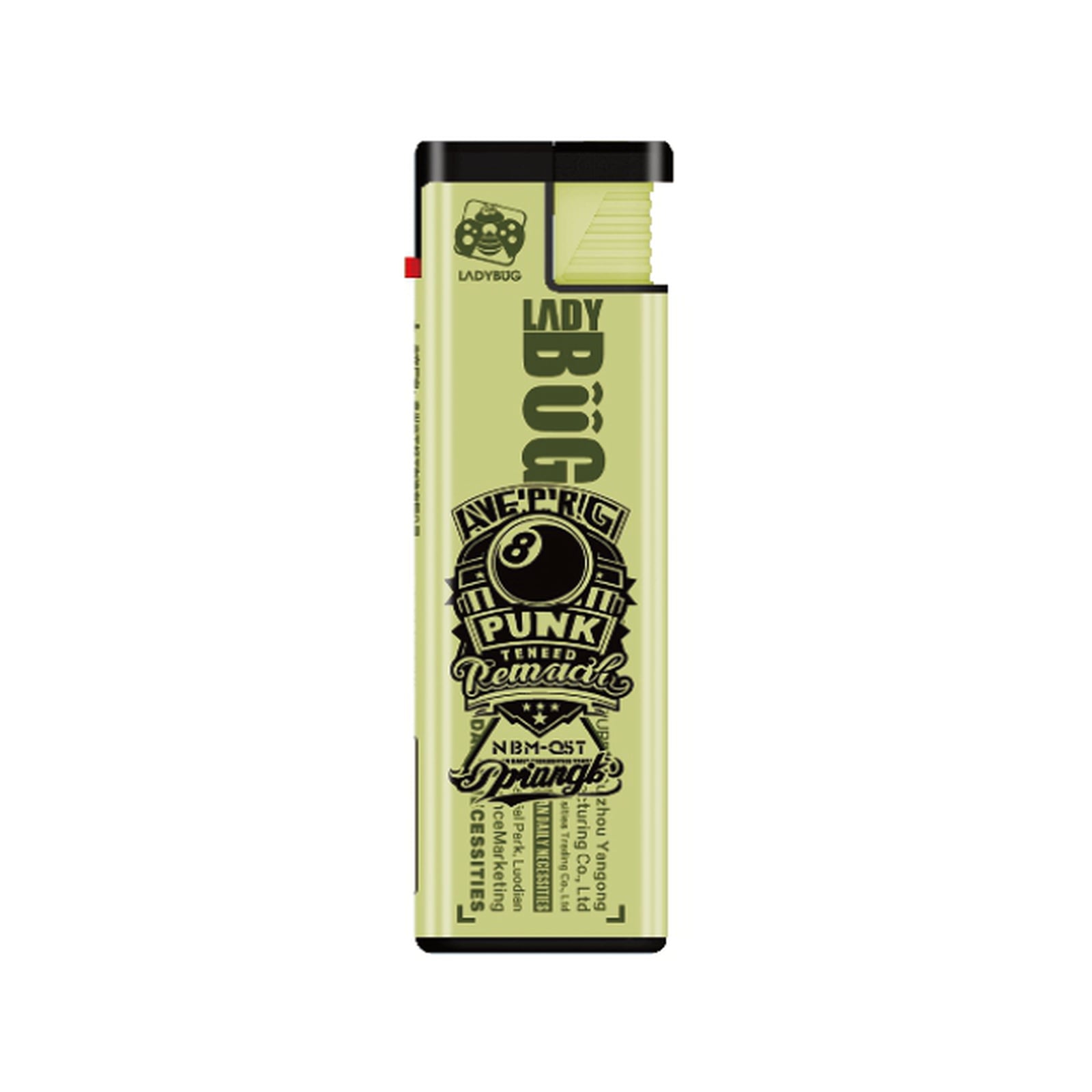
Size and Weight: The dimensions and weight of the lighter are also important for usability. A lightweight, ergonomically designed lighter can enhance user experience, especially in commercial settings. For example, the Q6T Refillable Butane Gas Lighter – Slim printed fashion body is a great choice due to its compact design.

Understanding these specifications allows buyers to evaluate products based on their intended application and regulatory requirements, ensuring a suitable choice for their needs.

Get a Free Quote

Our representative will contact you soon.
Email
Mobile
Name
Company Name
Message
0/1000

Related product categories