 EN

The angled turbo jet flame windproof lighter is a specialized tool designed for various applications, combining functionality with durability. B2B buyers, including purchasing managers and engineers, often seek lighters that provide consistent performance in challenging conditions. This article will explore key specifications to consider, how to assess angled turbo jet lighters, their applications across industries, cost factors for bulk purchasing, and common problems along with effective solutions.
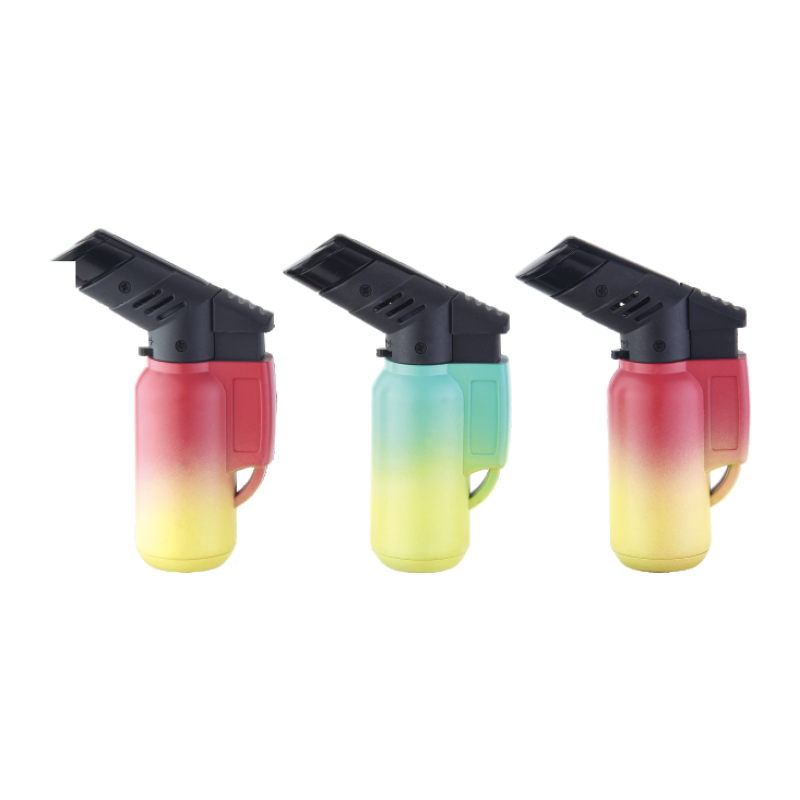

Evaluating the Quality of Angled Turbo Jet Flame Lighters for Projects
Assessing the quality and performance of angled turbo jet lighters involves a thorough evaluation of both physical attributes and operational capabilities.
Performance Testing: Before finalizing an order, request samples for testing under real operating conditions. Assess the flame consistency, ignition reliability, and wind resistance. A lighter that falters under these conditions may not be suitable for demanding applications.
Quality Control Processes: As a manufacturer, Ningbo Shunhong Lighter Manufacture Co., Ltd. implements stringent quality control measures. Inquire about the quality assurance processes involved in production, such as material inspections, assembly protocols, and final performance testing.
Certifications: Verify that the lighters meet relevant safety and quality standards, such as ISO certifications. This ensures that the product complies with international safety regulations, which is crucial for industrial applications.
User Reviews and Feedback: Seek feedback from existing clients or industry peers regarding their experiences with specific models. Real-world insights can provide valuable context about the lighters' performance and reliability.
Customization Options: If specific features or branding are essential, discuss customization possibilities with suppliers. Customization can include logo printing, color options, and functional modifications to suit particular applications.
By following these assessment techniques, buyers can make informed decisions that align with their operational requirements.