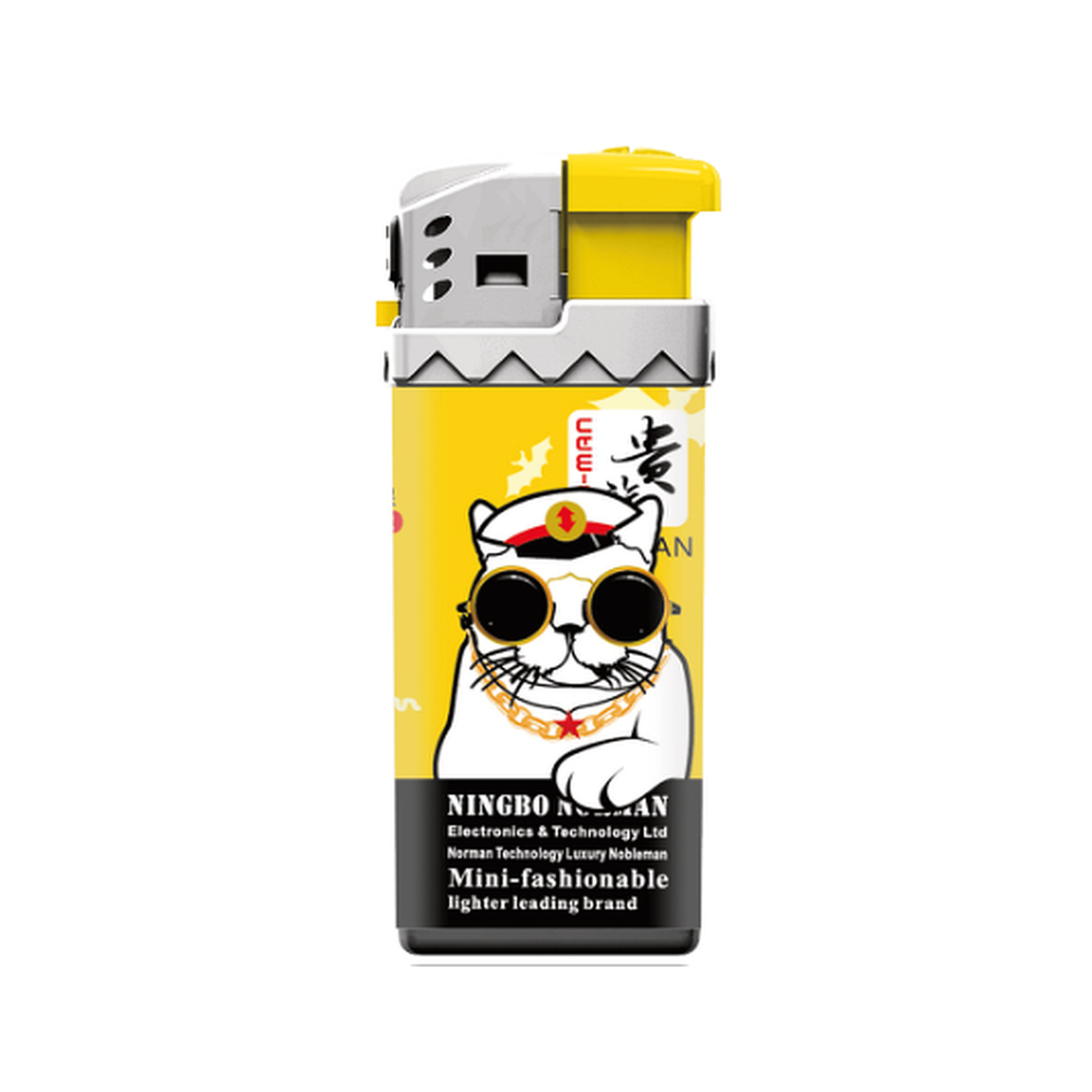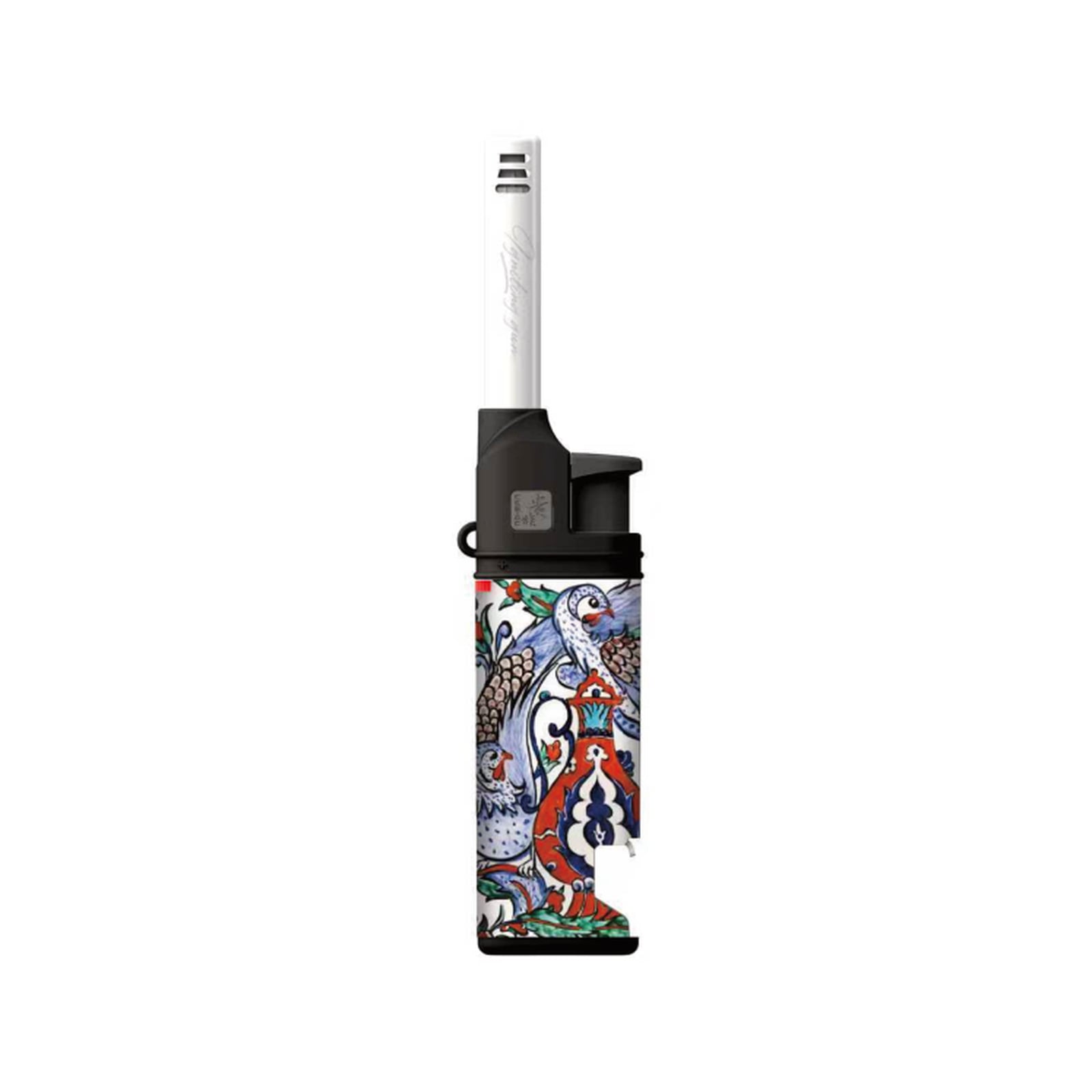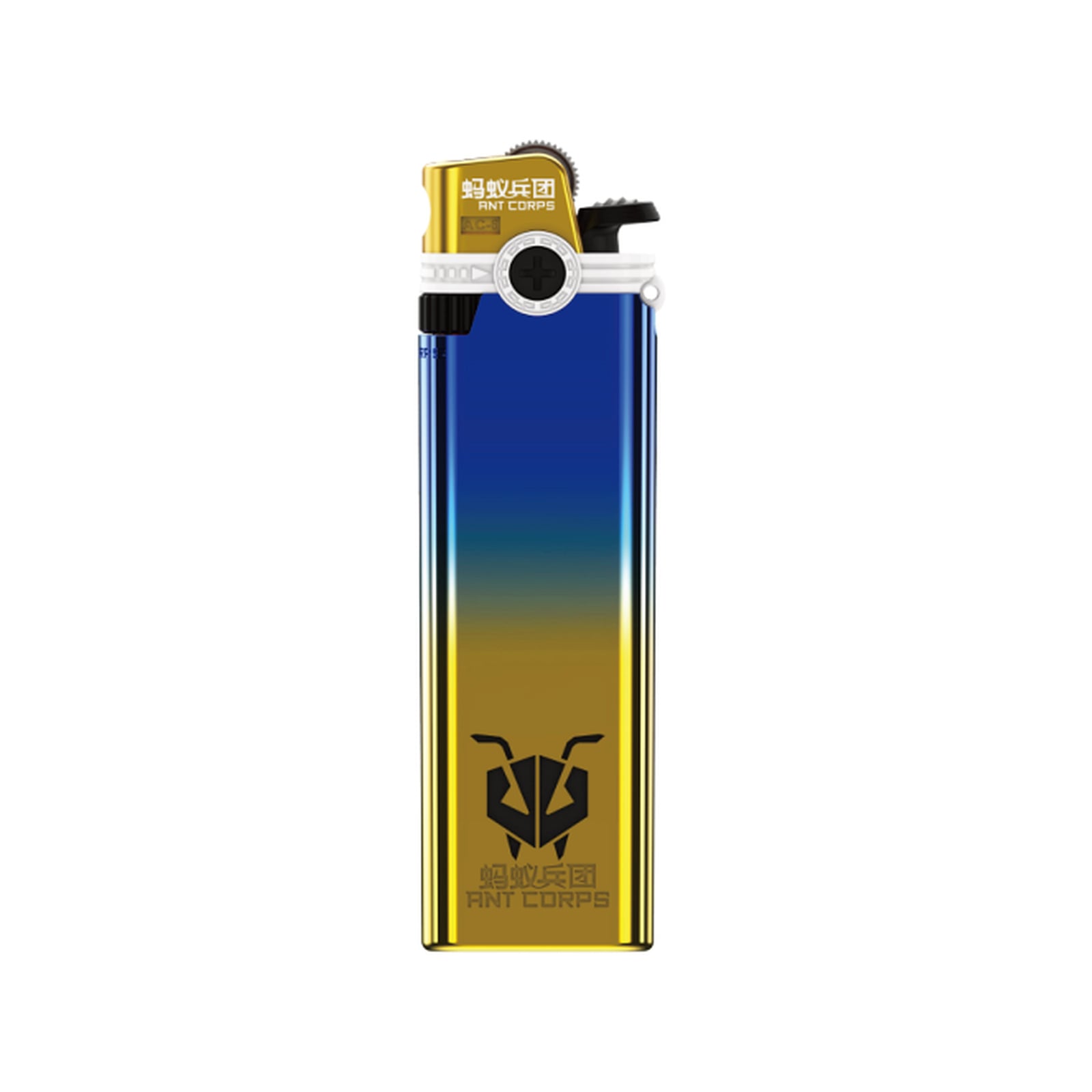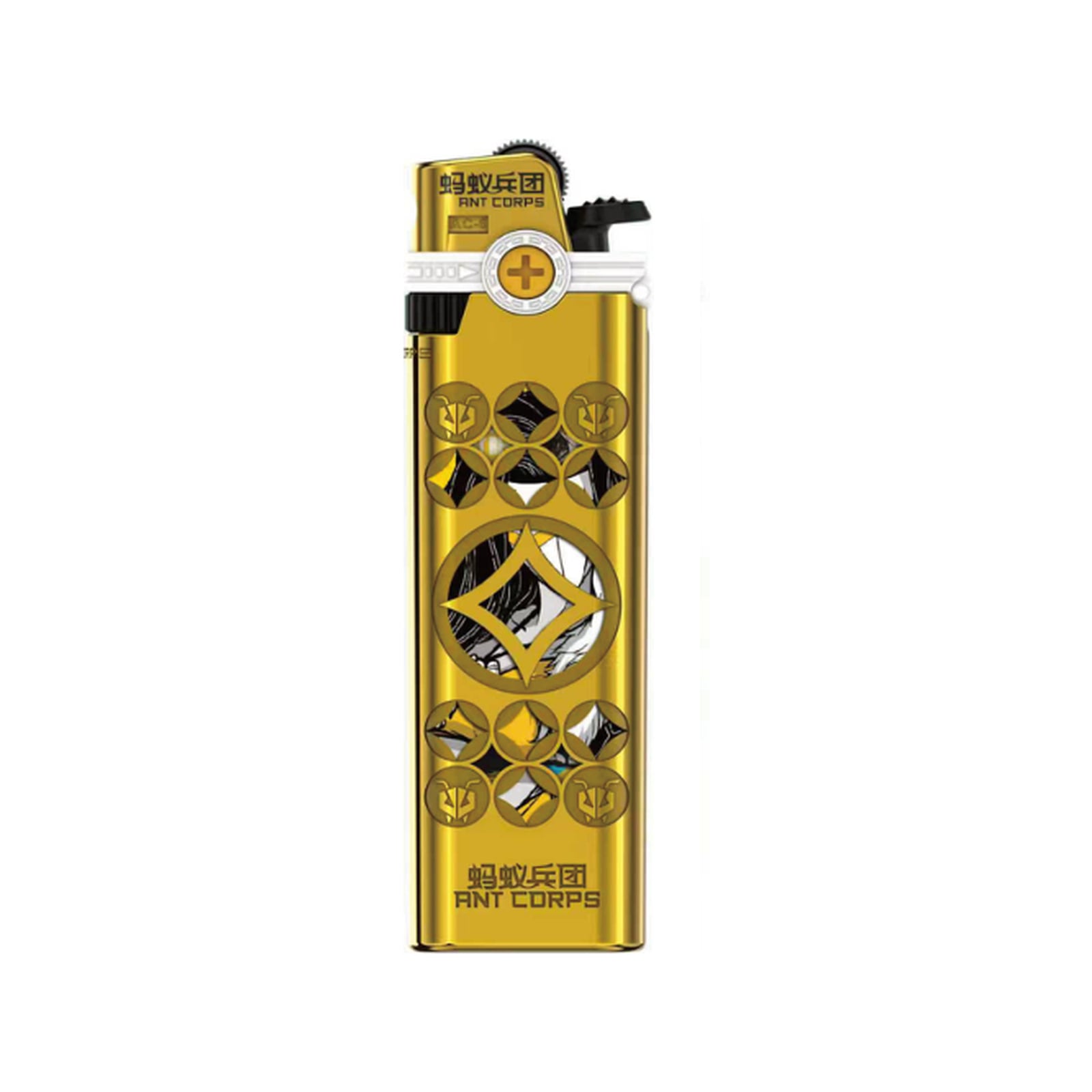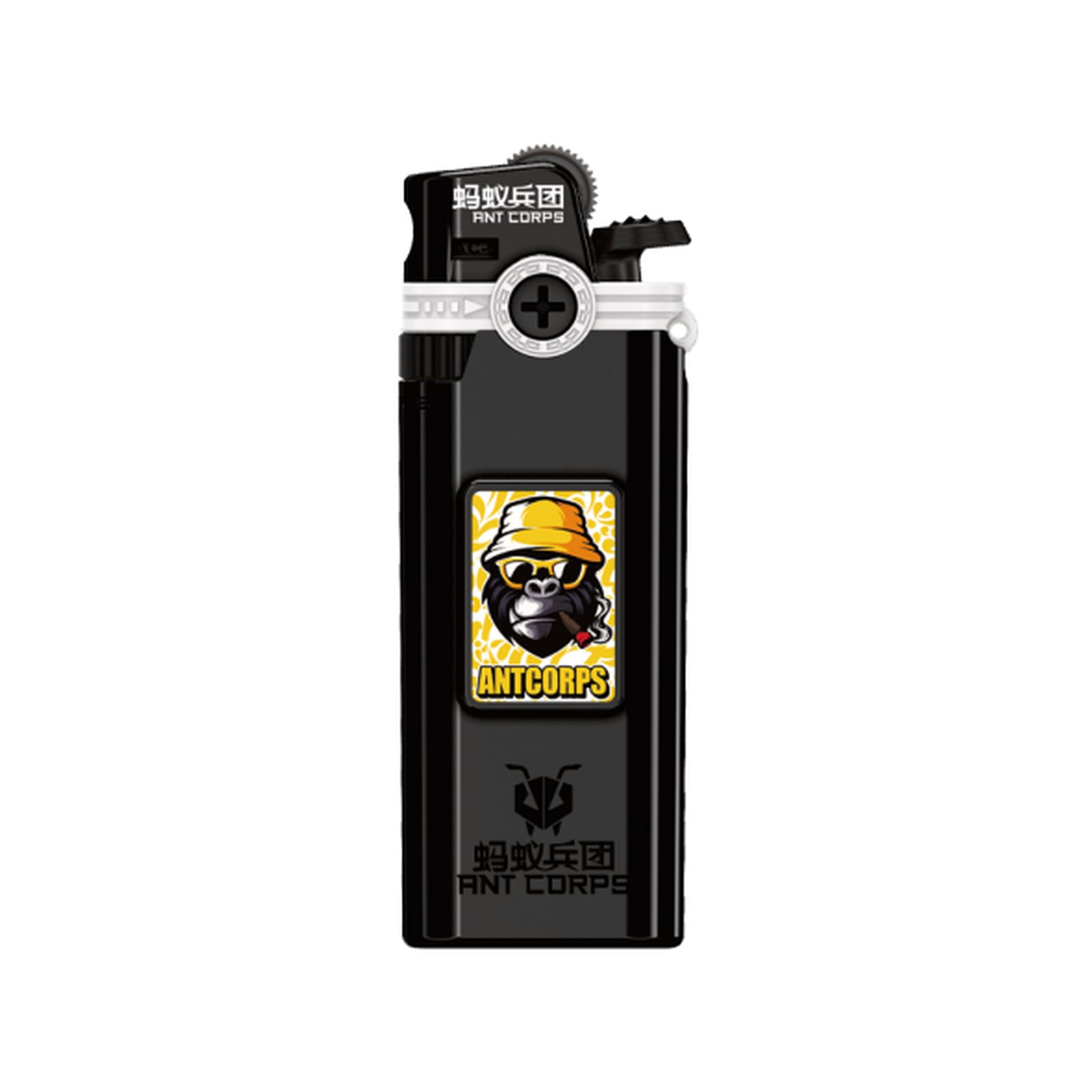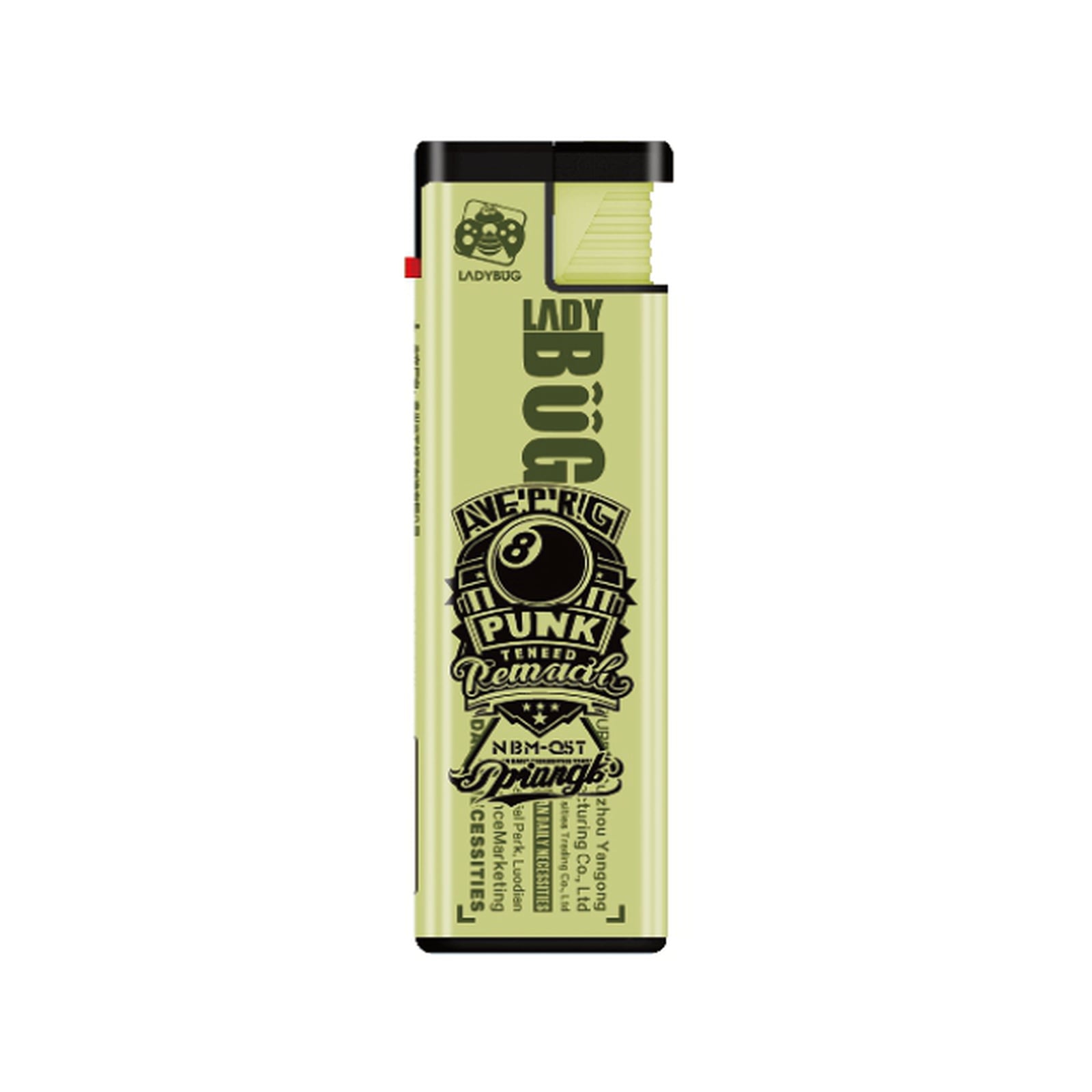
Key Specifications for Refillable Jet Lighters

Contact me immediately if you encounter problems!

All Categories

refillable jet lighter

Refillable jet lighters are essential tools for various industries, offering a reliable ignition source in a compact form. Purchasing managers and engineers often prioritize quality, safety, and performance when sourcing these lighters. This article will guide you through key specifications, quality evaluations, common issues, installation guidance, and supplier comparisons to help you make informed purchasing decisions.
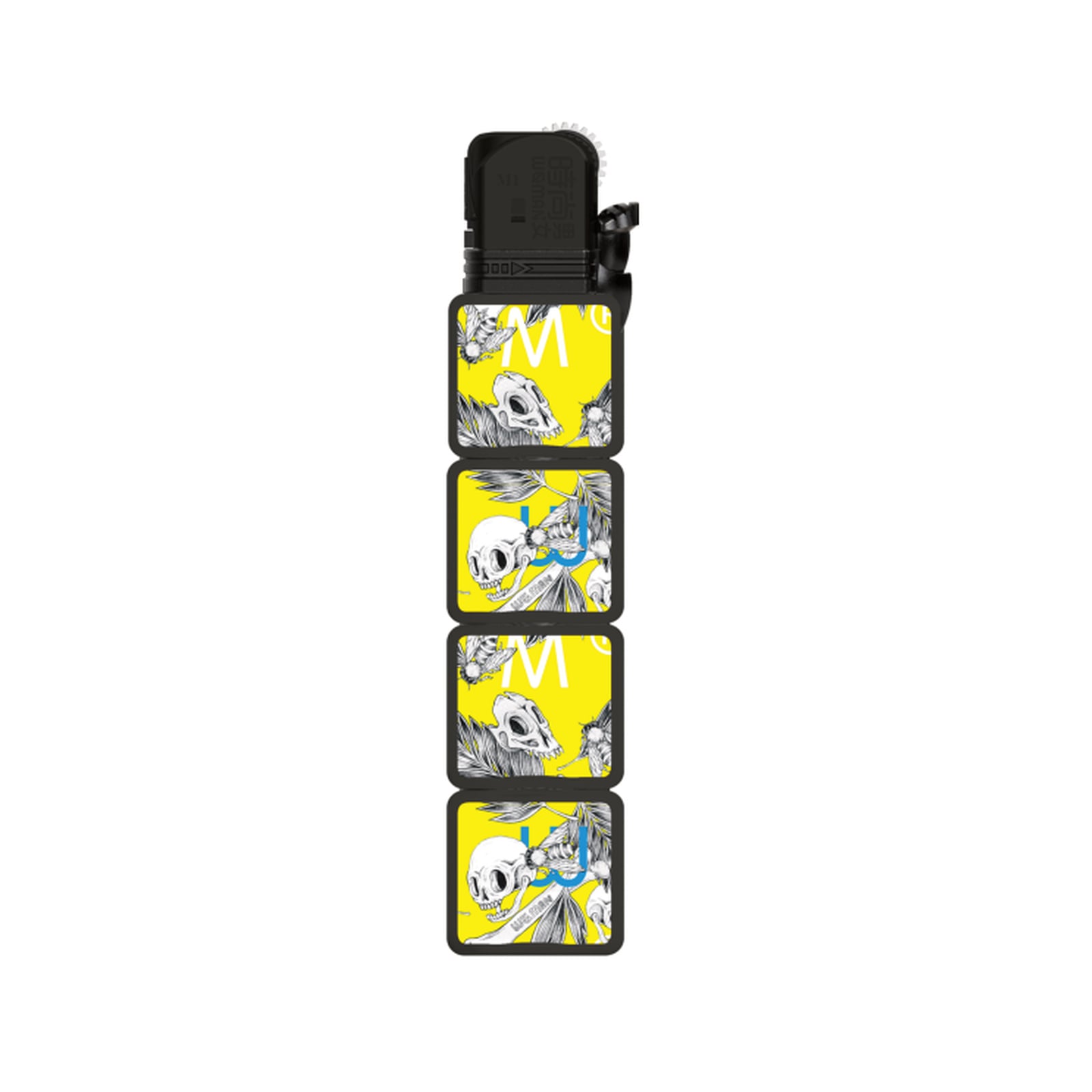
Our Products

Evaluating the Quality of Refillable Jet Lighters for Your Projects

Quality assessment of refillable jet lighters involves a comprehensive evaluation of their construction, performance, and safety features.

Material Quality: Inspect the materials used in the lighter's construction. High-quality plastics should be robust, resistant to deformation, and capable of withstanding high temperatures. Metal components should ideally be corrosion-resistant.

Manufacturing Standards: Verify if the lighters are produced under stringent quality control processes. Certifications like ISO can indicate adherence to international quality standards.

Functional Testing: Conduct functionality tests on samples to check for consistent ignition, flame stability, and adjustability. This is essential to ensure that the lighter performs reliably in its intended setting.

Brand Reputation: Research the manufacturer's reputation in the market. Established companies like Ningbo Shunhong Lighter Manufacture Co., Ltd., with over 25 years of experience, often provide more reliable products backed by customer reviews and industry feedback.

Warranty and Support: A robust warranty and responsive customer support can be indicators of product quality and manufacturer reliability. Ensure that the supplier offers post-purchase support to address any issues that may arise.

Common Problems with Refillable Jet Lighters and Their Solutions

Buyers should be aware of common issues that can arise with refillable jet lighters, along with practical solutions:

Fuel Leakage: This can occur due to improper sealing or damage to the lighter. To mitigate this risk, inspect the product for any visible defects before use and ensure proper handling during refilling.

Inconsistent Flame: An inconsistent flame can result from low-quality fuel or clogging in the nozzle. Always use high-grade butane for refilling and regularly clean the nozzle to maintain performance.

Ignition Failure: Issues with the ignition can stem from a faulty piezoelectric system. Testing the lighter before purchase can help identify potential ignition issues; consider requesting a sample for evaluation.

Temperature Sensitivity: Jet lighters may perform poorly in extreme temperatures. Ensure that the chosen model is rated for the environmental conditions in which it will be used. Models like the SH-3042 BOSSJAZZ Printed Flat Jet Torch Lighter with Ocean Artwork are designed for better performance.

Durability Concerns: Frequent usage can lead to wear and tear. Select models designed for durability, particularly in high-use environments, and consider extended warranties for long-term projects.

Installation Guidance for Refillable Jet Lighters in Various Applications

Proper installation and usage of refillable jet lighters can enhance their performance and safety. Here are some guidelines:

Usage Instructions: Always follow the manufacturer’s instructions for proper operation. This includes guidelines for refilling fuel and adjusting flame settings.

Installation Environment: Ensure that the lighter is used in well-ventilated areas to prevent the accumulation of flammable gases. For industrial applications, consider safety zones around the lighter.

Compatibility Checks: When integrating lighters into larger systems, ensure compatibility with other equipment. For instance, lighters used in food preparation areas should meet health and safety regulations.

Maintenance and Cleaning: Regular maintenance, including cleaning the nozzle and checking for wear, can prolong the life of the lighter. Schedule periodic inspections, especially in high-use scenarios.

Training: Provide training for users on the proper handling and troubleshooting of lighters to minimize accidents and ensure optimal performance.

How to Compare Refillable Jet Lighters from Different Suppliers

When comparing refillable jet lighters from various suppliers, consider the following factors to make a well-informed decision:

Pricing Structure: Compare the total cost of ownership, including unit price, shipping, and any potential tariffs. Request detailed quotations that outline all costs involved.

Volume Discounts: Inquire about minimum order quantities (MOQs) and whether discounts are available for bulk purchases. This can significantly affect overall project costs.

Customization Options: Assess the ability of suppliers to customize lighters according to your specifications, such as branding or specific safety features, which may enhance usability in your operations.

Lead Times: Clarify lead times for production and delivery. Suppliers with efficient manufacturing processes and reliable shipping can help ensure you meet project timelines.

Post-Purchase Support: Evaluate the level of after-sales support provided by each supplier. Reliable support can be crucial for addressing any quality issues that arise after purchase.

By understanding these specifications, quality indicators, and practical application guidelines, B2B buyers can navigate the sourcing process for refillable jet lighters with confidence, ensuring their projects are equipped with reliable and effective ignition solutions.

Key Specifications to Consider When Sourcing Refillable Jet Lighters

When sourcing refillable jet lighters, several specifications are critical to ensure optimal performance and suitability for your application.

Fuel Type: Most refillable jet lighters operate with butane gas. Ensure compatibility with your intended usage environment, as certain fuels may perform better under specific temperature conditions.

Material Construction: The body material affects durability and weight. Common materials include plastic and metal, each offering different benefits such as resistance to impact or heat. Evaluate the material based on its exposure to various elements and handling.

Ignition System: Assess the ignition mechanism—piezoelectric igniters are common for their reliability and ease of use. Ensure that the ignition system can withstand the intended operational stresses.

Flame Type and Adjustability: Jet lighters typically feature adjustable flames for precision. Confirm the flame temperature and the ability to adjust it, which can impact performance in various applications, especially in industrial settings.

Safety Features: Look for child-resistant mechanisms and flame lock features to prevent accidental ignition. Compliance with safety regulations is crucial for products used in commercial settings.

Capacity and Size: The lighter's fuel capacity and dimensions will influence its portability and usability in different applications. Consider how these factors align with your operational needs. For example, the Q6T Refillable Butane Gas Lighter – Slim printed fashion body is a great choice for those seeking compact options.

Get a Free Quote

Our representative will contact you soon.
Email
Mobile
Name
Company Name
Message
0/1000

Related product categories