Key Specifications for Sourcing Jet Lighters

Contact me immediately if you encounter problems!

All Categories

jet lighter

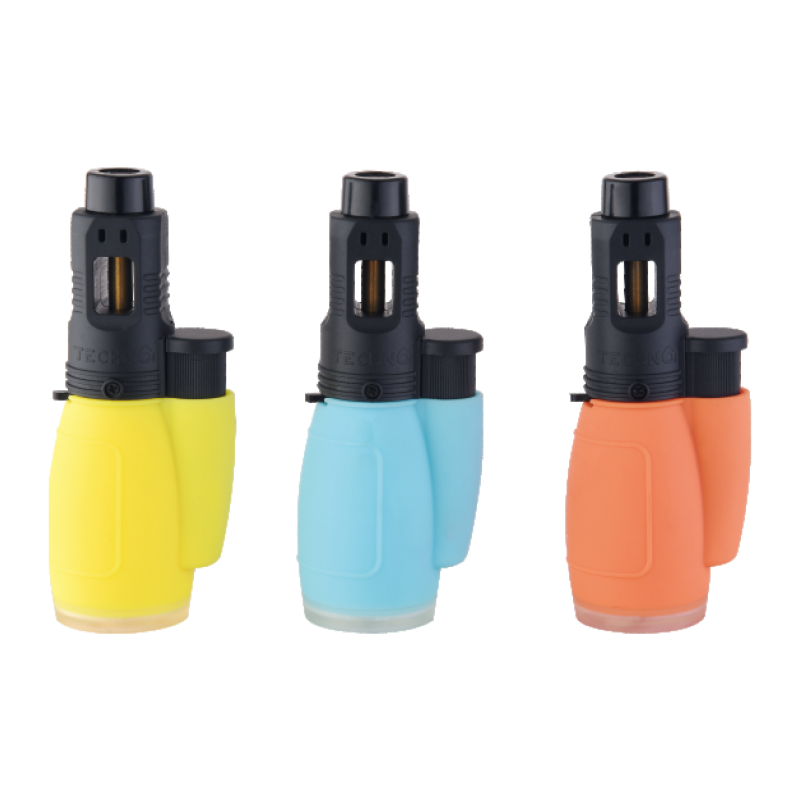
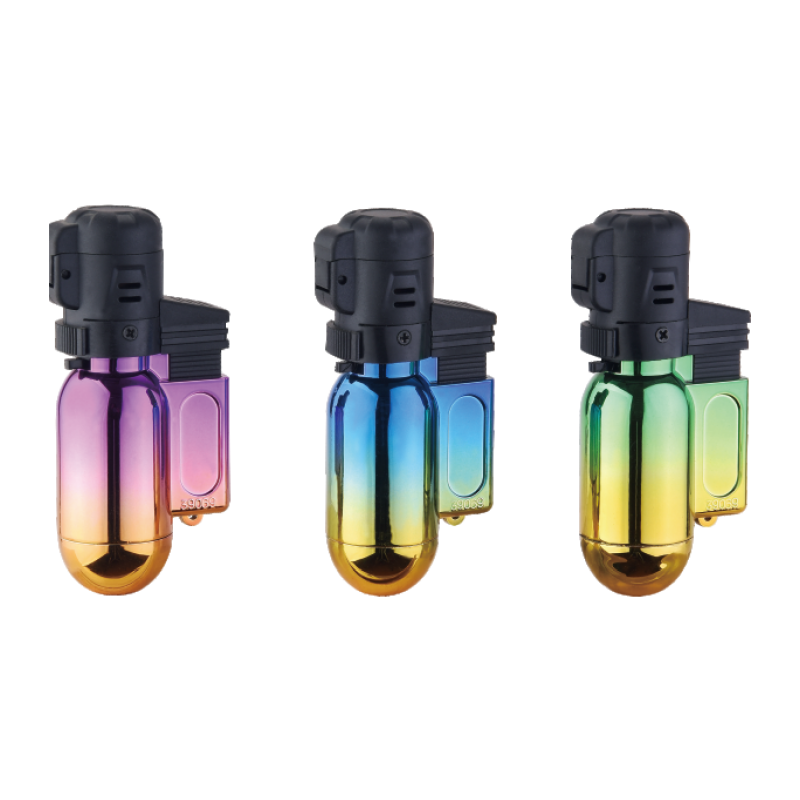
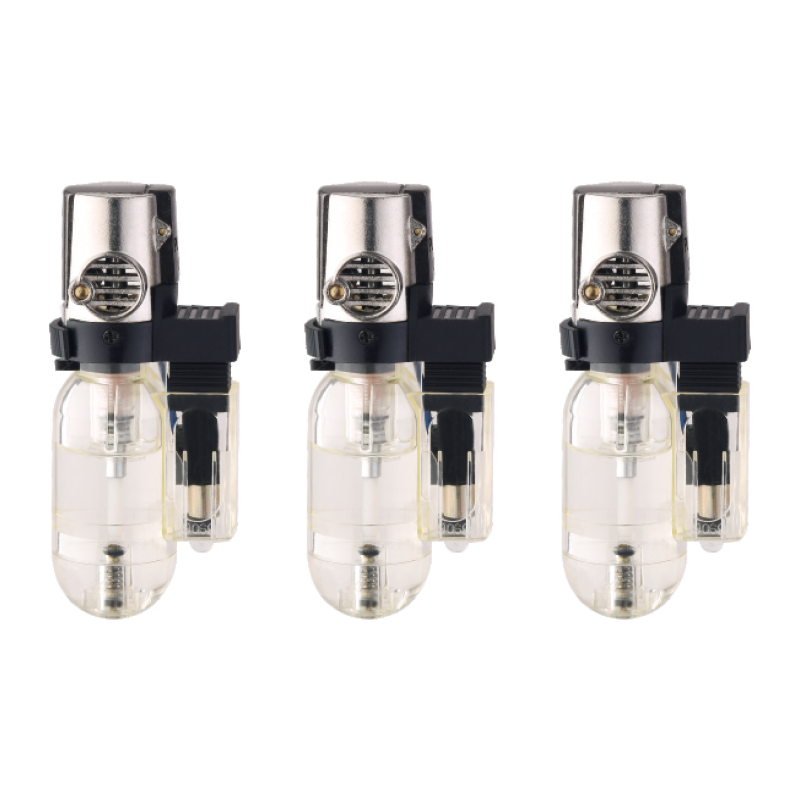
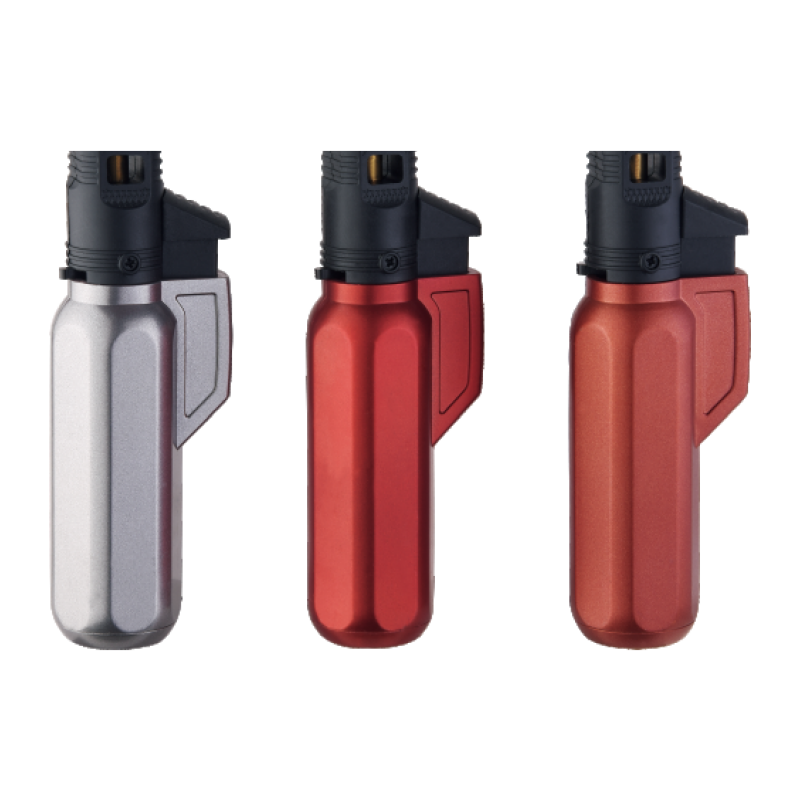
Jet lighters, known for their powerful flame and wind-resistant features, are essential tools in various industries, including manufacturing and outdoor activities. When sourcing jet lighters for bulk purchases, B2B buyers often face concerns regarding quality, specifications, and cost-effectiveness. This article aims to provide comprehensive insights into key specifications, a buyer’s guide, comparison strategies, cost factors, and common issues associated with jet lighters, ensuring that purchasing managers and distributors can make informed decisions.
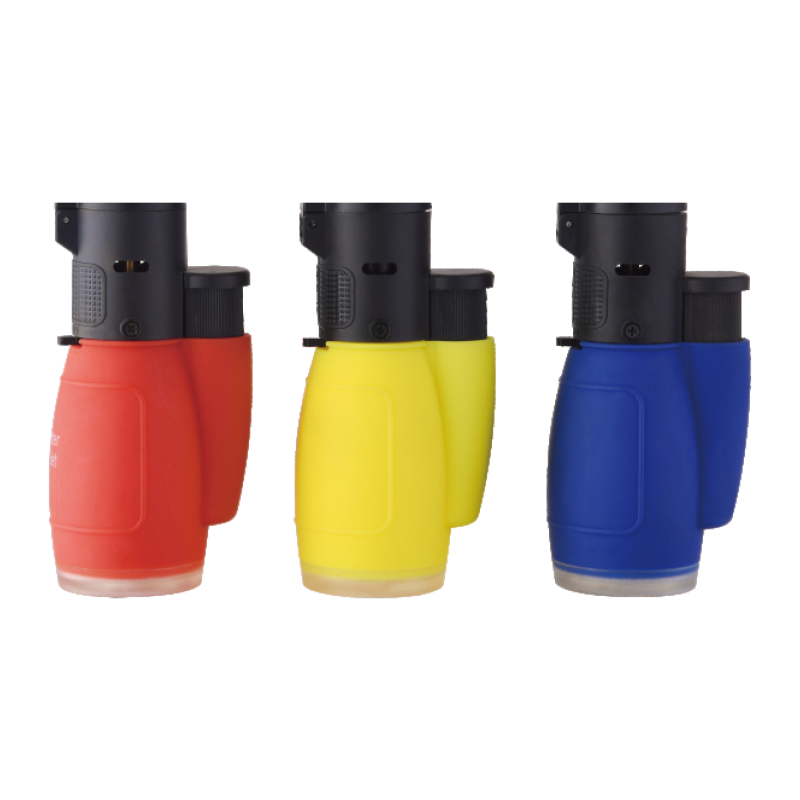
Our Products

A Buyeru2019s Guide

When embarking on the procurement process for jet lighters, consider the following steps to streamline your decision-making:

Define Your Requirements: Clearly outline the specifications that are most critical for your application, including flame type, size, and any customization needs.

Supplier Research: Identify reputable manufacturers, like Ningbo Shunhong Lighter Manufacture Co., Ltd., which possesses extensive experience in the industry. Investigate their production capabilities and quality control processes to ensure reliability.

Request Samples: Before committing to a large order, request samples to evaluate performance under actual usage conditions. This step is crucial for confirming that the product meets your specifications and quality standards.

Assess Customization Options: If your brand requires specific designs or features, inquire about the manufacturer’s customization capabilities. This may include branding opportunities or unique functional features.

Negotiate Pricing and Terms: Discuss pricing structures based on order volume and potential long-term partnerships. Understanding minimum order quantities (MOQs) and lead times is essential for aligning with your inventory management strategy.

Quality Assurance: Establish a clear quality inspection protocol before mass production. This should include evaluating the ignitions, flame consistency, and overall build quality of the samples received.

Following these guidelines will help ensure a smoother procurement process and a higher-quality product. Additionally, considering the different types of flames available, such as Normal Flame, can also influence your decision.

How to Compare Jet Lighters for Bulk Purchase Decisions

When comparing different jet lighters, it is vital to have a structured approach:

Create a Comparison Matrix: Develop a matrix that lists critical specifications side-by-side for each option under consideration. This visual representation aids in identifying which lighters meet your criteria most effectively.

Evaluate Customer Reviews: Look into existing customer feedback regarding durability, performance, and reliability. Peer insights can provide valuable context beyond technical specifications.

Assess Warranty and Support: Investigate the warranty terms and customer support options offered by suppliers. A robust warranty can indicate a manufacturer’s confidence in their product quality.

Consider Shipping and Handling: Factor in shipping costs and logistics when comparing total costs. Some suppliers may offer better shipping terms, which can significantly impact overall expenses.

Test Performance in Real Conditions: Whenever possible, conduct side-by-side testing of different models in real-world conditions to observe performance differences firsthand. This practical evaluation can reveal insights that specifications alone cannot.

By applying this comparative strategy, buyers can ensure they choose the most suitable jet lighter for their needs.

Understanding Cost Factors in Wholesale Jet Lighter Purchases

Several variables can influence the cost of jet lighters in bulk purchases:

Material Costs: The choice of materials directly impacts the manufacturing cost. Higher-quality materials may lead to increased prices but can also enhance durability and performance.

Customization Fees: If you require custom designs or branding, expect additional costs associated with tooling and production adjustments.

Production Volume: Generally, higher order volumes can lead to lower per-unit costs due to economies of scale. Be sure to discuss volume discounts with your supplier.

Import Duties and Taxes: If importing from international manufacturers, be aware of potential duties and taxes that can affect the overall cost. These should be factored into your budget.

Shipping and Logistics: The distance from the manufacturer and chosen shipping methods can significantly impact costs. Evaluate various shipping options for the best balance between cost and delivery speed.

Understanding these cost factors allows buyers to make informed financial decisions while negotiating with suppliers.

Common Problems with Jet Lighters and Effective Solutions

Although jet lighters are generally reliable, buyers should be aware of common issues:

Fuel Leakage: This can occur due to manufacturing defects or improper sealing. To mitigate this, inspect samples for any signs of leakage before mass production. Ensuring that the manufacturer has robust quality control measures in place can help prevent this issue.

Flame Consistency: Inconsistent flame performance can lead to user dissatisfaction. Buyers should test lighters under various conditions to ensure the flame remains stable. Discussing quality assurance processes with the supplier can help address this concern.

Durability Under Stress: Lighters may fail under extreme conditions, such as high temperatures or rough handling. Buyers should verify that the materials used can withstand the expected operational environment.

Ignition Failure: A common complaint is the failure of the ignition mechanism. Requesting samples that have undergone rigorous testing can help identify reliable products.

Safety Concerns: Issues related to safety can arise if lighters do not have adequate safety features. Always confirm that the products meet relevant safety standards before purchasing.

By understanding these potential problems and preparing appropriate solutions, buyers can minimize risks associated with jet lighter procurement.

In summary, sourcing jet lighters requires careful consideration of specifications, supplier capabilities, and quality assurance measures. By following the outlined strategies and guidelines, B2B purchasers can confidently navigate the procurement process, ensuring they select jet lighters that meet their operational needs and quality standards.

Key Specifications to Consider When Sourcing Jet Lighters

When evaluating jet lighters, buyers should focus on several critical specifications:

Fuel Type: Jet lighters typically use butane, which provides a clean and efficient burn. Buyers should ensure the lighter’s fuel type is compatible with their intended use, as different applications may require specific fuel characteristics.

Flame Temperature: The flame temperature can significantly influence the lighter's performance—higher temperatures are ideal for industrial applications, while lower temperatures may suffice for everyday use. Understanding the required flame temperature for your application can prevent inefficient usage. For example, a Turbo Flame lighter may be more suitable for high-temperature needs.

Materials: The construction material affects durability and usability. Common materials include high-grade plastics and metals. Buyers should consider the operational environment; for instance, a lighter used outdoors may require more robust materials to withstand exposure to elements.

Ignition Mechanism: Jet lighters may feature piezoelectric ignition or manual spark ignition. Piezoelectric mechanisms are generally more reliable and easier to use, especially in high-demand scenarios.

Safety Features: Look for lighters equipped with safety locks or child-resistant features, especially if the product will be marketed to households. Ensuring compliance with safety regulations can be a significant selling point.

Certification Standards: Verify if the lighters meet industry standards and certifications, such as ISO, to ensure quality and safety compliance.

Understanding these specifications will help buyers select jet lighters that meet both their quality expectations and application needs.

Get a Free Quote

Our representative will contact you soon.
Email
Mobile
Name
Company Name
Message
0/1000

Related product categories