Key Specifications for Jet Flame Lighters in Bulk

Contact me immediately if you encounter problems!

All Categories

jet flame lighter

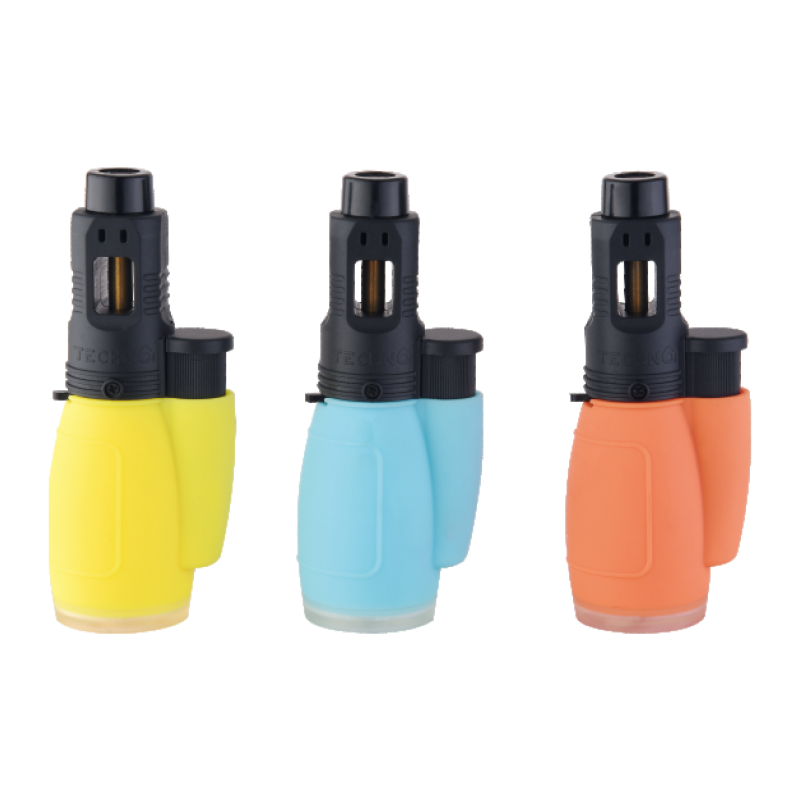
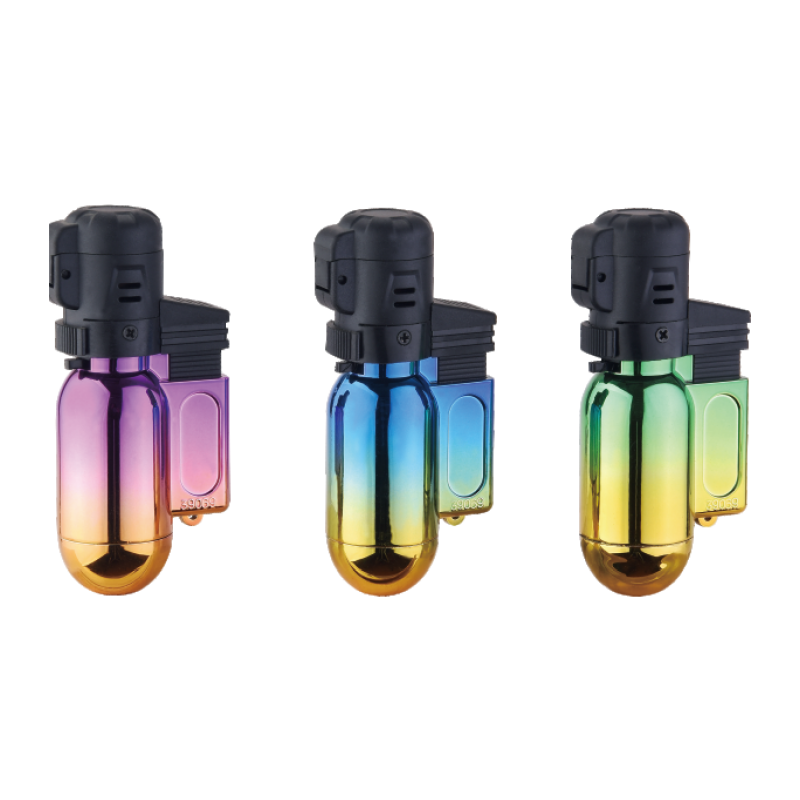
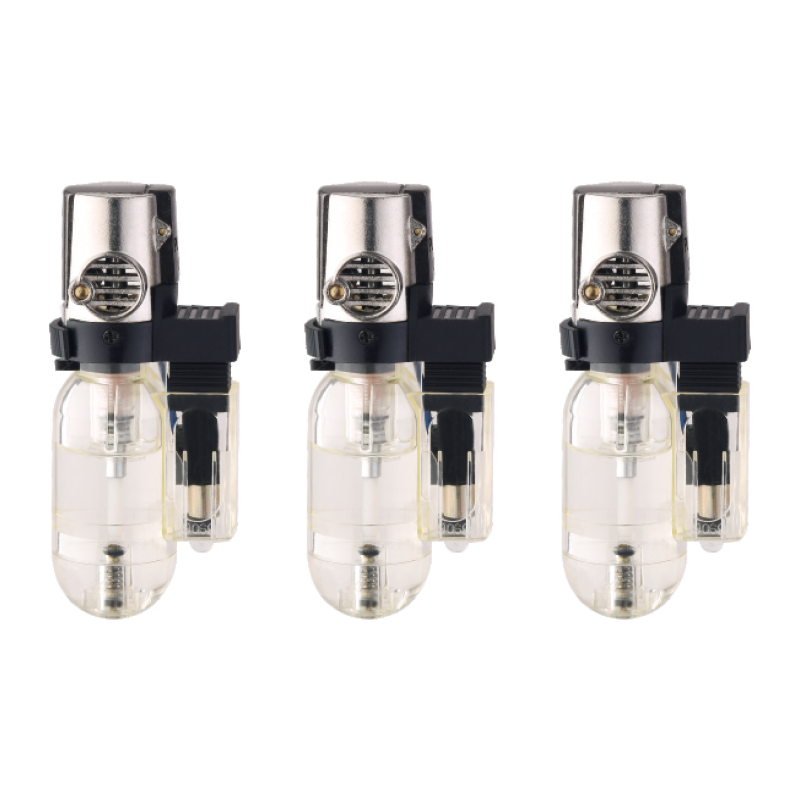
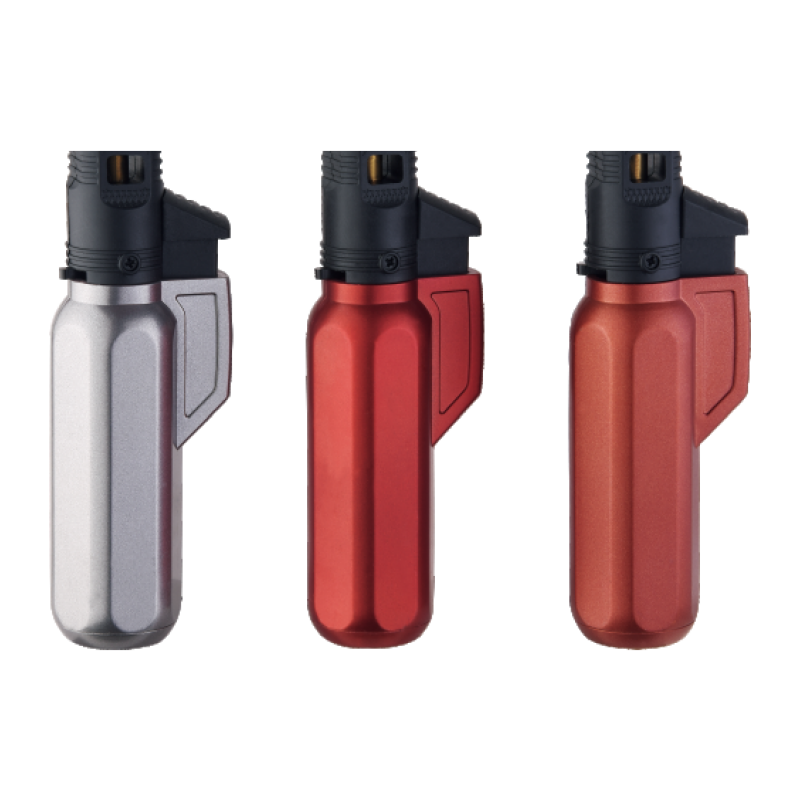
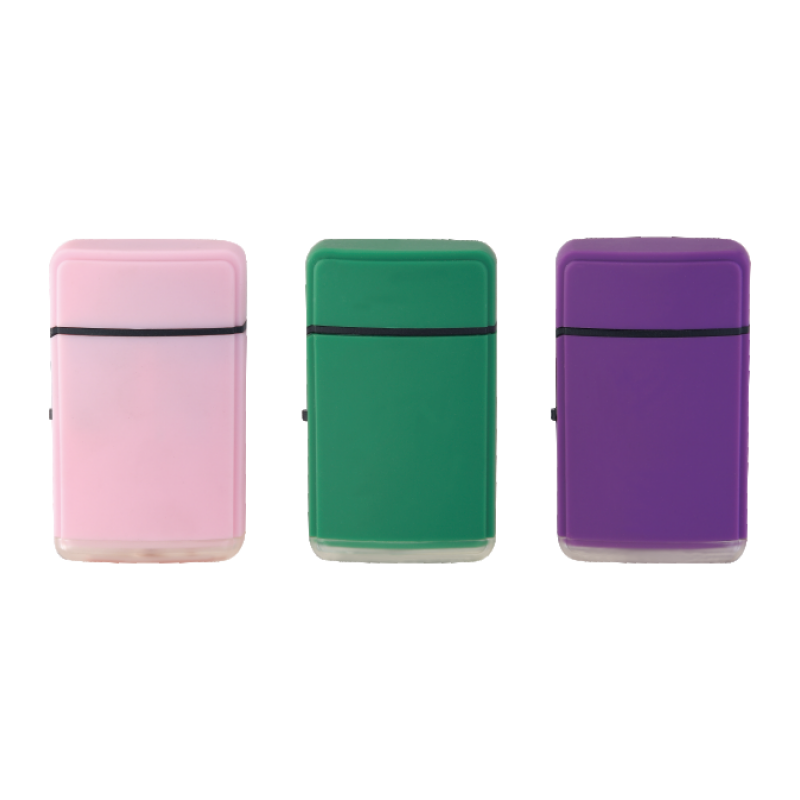
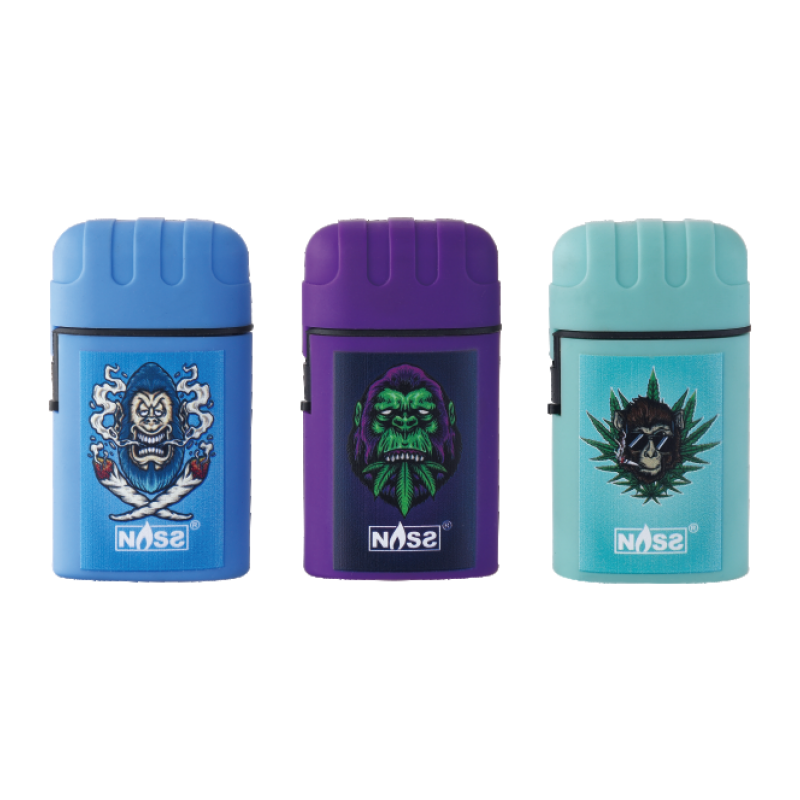
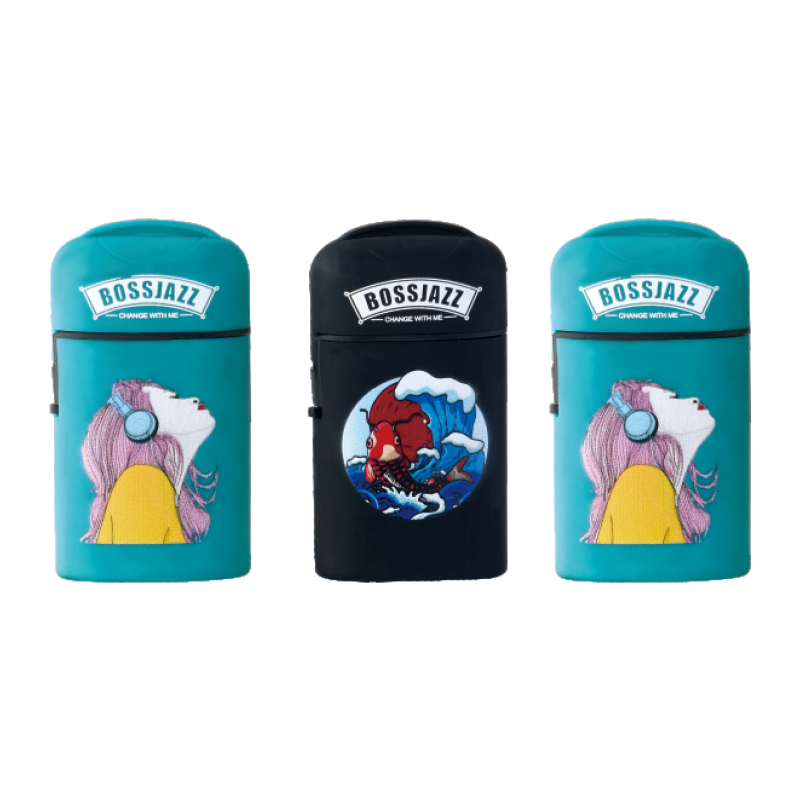
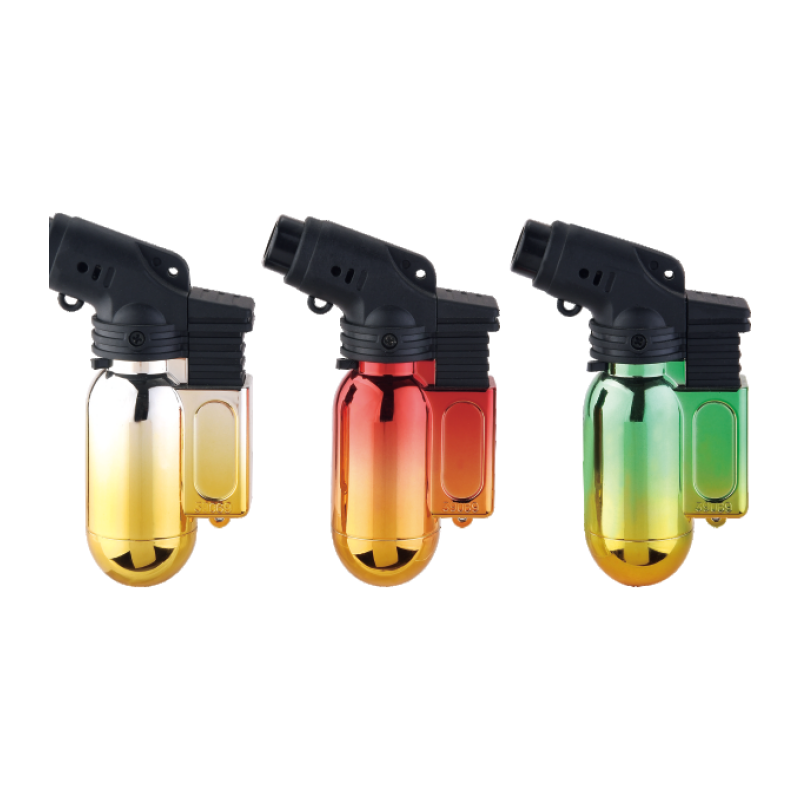
Jet flame lighters are specialized tools designed for igniting various materials in a controlled manner, often used in both commercial and industrial applications. For B2B buyers, key concerns include sourcing reliable products in bulk, ensuring quality, and managing costs effectively. This article will provide insights into the essential specifications, quality evaluations, sourcing strategies, common issues, and cost factors associated with jet flame lighters, helping you make informed purchasing decisions.
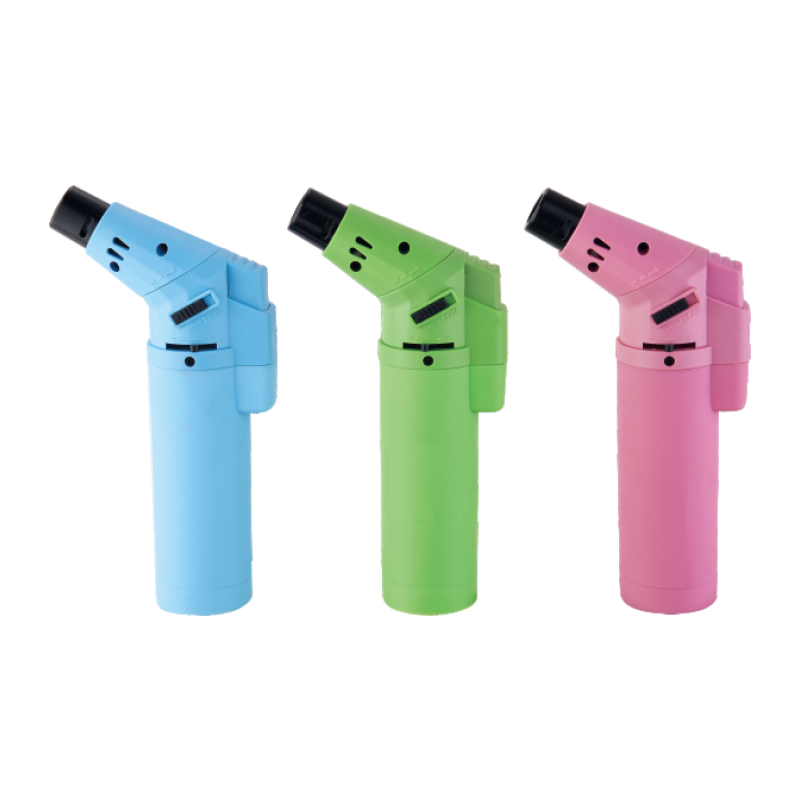
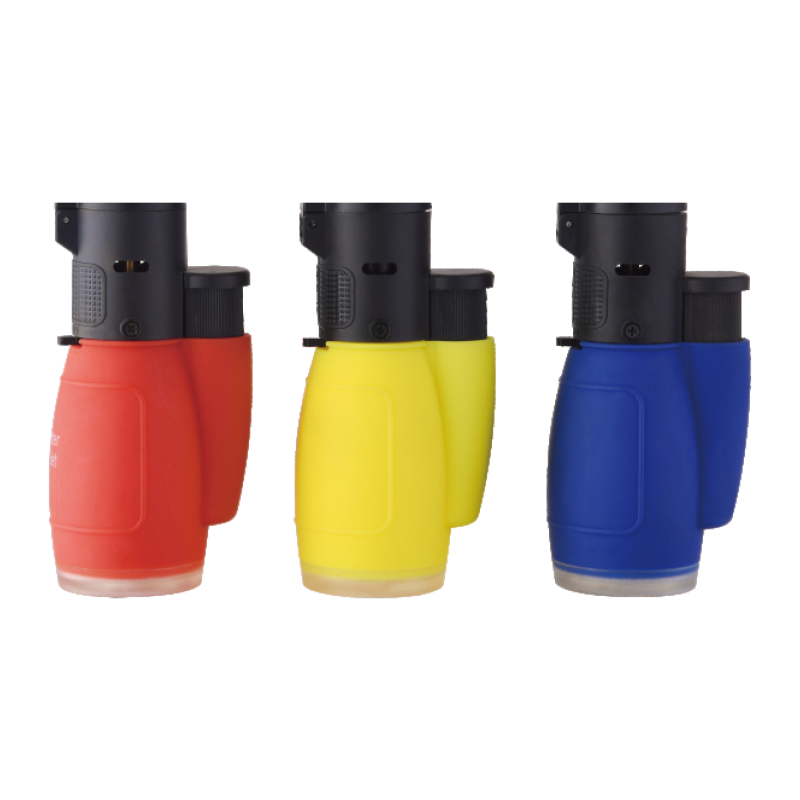
Our Products

Evaluating the Quality of Jet Flame Lighters for Your Business Needs

Evaluating the Quality of Jet Flame Lighters for Your Business Needs

Quality evaluation is critical when sourcing jet flame lighters. Here are several factors to consider:

Sample Approval: Before committing to a bulk order, request samples. Testing these samples under real-world conditions can help identify any potential issues with performance or reliability.

Manufacturing Processes: A manufacturer's production capabilities play a significant role in the quality of the final product. Understanding their quality control processes—such as inspections during production and final testing—can provide insights into the reliability of the product.

User Reviews and Feedback: Gathering feedback from other businesses that have used the lighters can provide valuable insights into their performance and durability.

Warranty and Support: A robust warranty can be indicative of a manufacturer’s confidence in their product quality. Support services following the purchase, including troubleshooting and replacement parts, enhance the overall value.
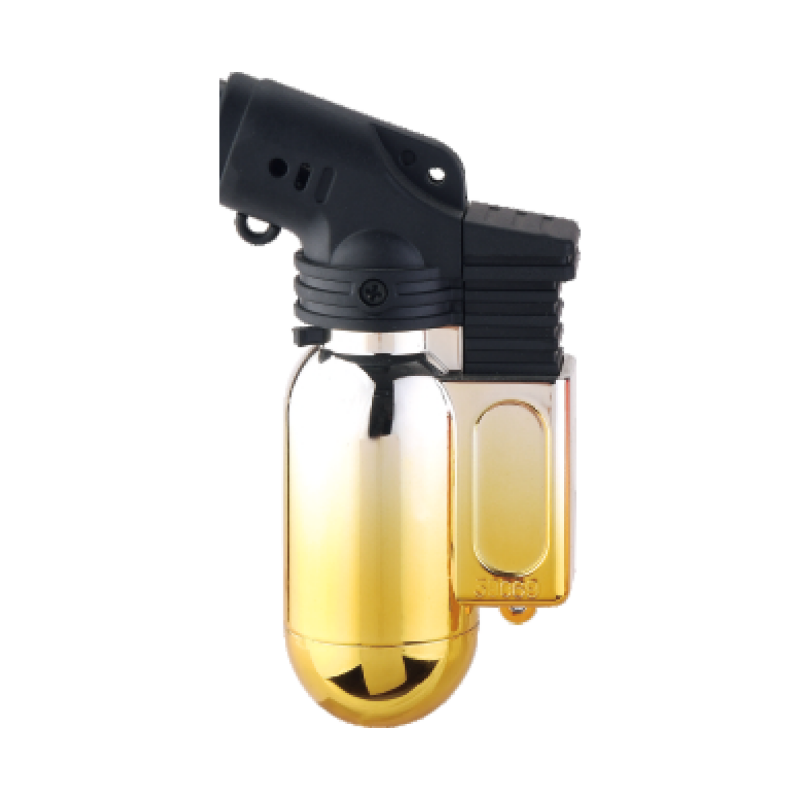
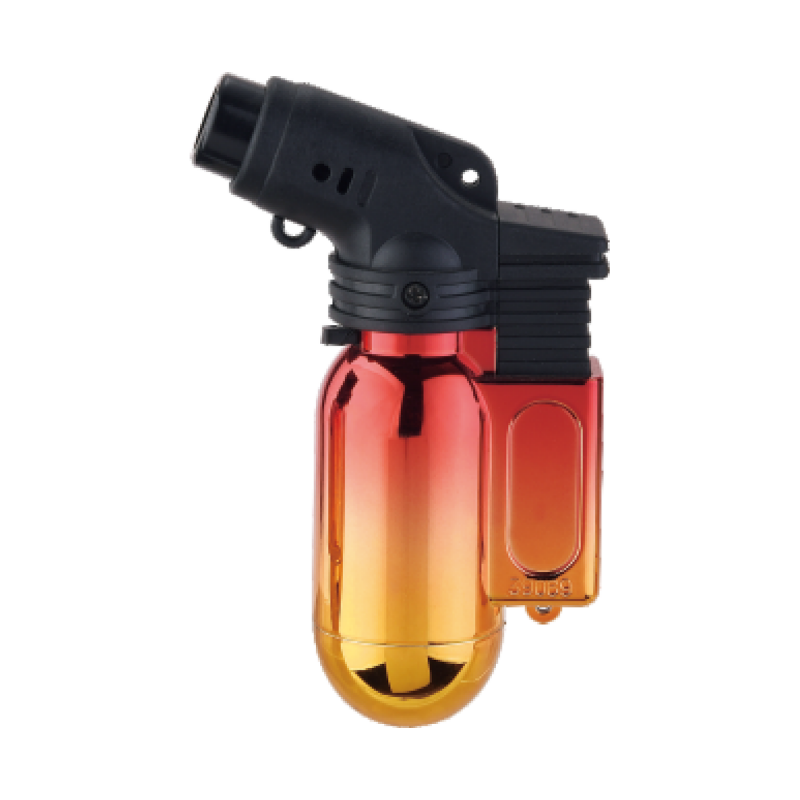
Where to Source Reliable Jet Flame Lighter Suppliers for Importing

Where to Source Reliable Jet Flame Lighter Suppliers for Importing

Finding reliable suppliers is essential for ensuring consistent product quality. Consider these strategies:

Industry Directories and Trade Shows: Participating in industry trade shows or using online directories can help identify established manufacturers. These platforms often provide insights into supplier reputation and product range.

Request for Quotation (RFQ): When reaching out to potential suppliers, provide detailed specifications, including desired materials, flame type, and safety features. This helps ensure accurate quotes and minimizes misunderstandings.

Supplier Background Checks: Investigate the supplier's history, including years in business, production capacity, and client testimonials. Reliable suppliers often have a strong track record in fulfilling bulk orders without compromising quality.

Local vs. International Suppliers: Evaluate the pros and cons of sourcing locally versus internationally. Local suppliers may offer quicker lead times and easier communication, while international suppliers might provide competitive pricing and a broader product range.

Common Problems with Jet Flame Lighters and Effective Solutions

Common Problems with Jet Flame Lighters and Effective Solutions

While jet flame lighters are generally reliable, common issues can arise. Here’s how to address them:

Fuel Leakage: This can occur due to poor sealing or faulty construction. Inspect lighters for proper seals during the quality control phase. Consider lighters with robust design features that minimize leakage.

Inconsistent Flame: Variability in flame performance can result from fuel quality or igniter malfunctions. Ensure that the suppliers you choose use high-quality fuel and reliable igniters. Testing samples for flame consistency before bulk ordering is advisable.

Durability Issues: Some lighters may wear down quickly under regular use. Evaluate the materials and construction methods used in manufacturing to ensure they meet your durability requirements. For example, the M1-MF-5 Refillable Butane Gas Lighter – Portrait and star modular graphic is known for its durability.

Difficult Refilling: A common frustration is refilling lighters that are not designed for ease of use. Look for designs that feature user-friendly refilling mechanisms to enhance operational efficiency.

Understanding the Cost Factors of Jet Flame Lighters in Bulk

Several factors influence the cost of jet flame lighters, which are essential for budgeting:

Material Costs: The choice of materials directly impacts the cost. Higher-quality plastics and advanced ignition systems may elevate prices but often lead to better performance and safety.

Customization Requirements: Custom branding or unique designs can increase costs. Be clear about your requirements early in the negotiation process to receive accurate pricing.

Order Quantity: Bulk purchases typically offer cost savings per unit. Discuss minimum order quantities (MOQ) with suppliers to ensure you meet their requirements for bulk pricing.

Shipping and Duties: Importing lighters from international suppliers can incur additional shipping and customs duties. Factor these costs into your overall budget to avoid unexpected expenses.

Quality Assurance Measures: Investing in thorough quality inspection processes can add to initial costs but may save money in the long run by reducing returns and enhancing customer satisfaction.

By understanding these specifications, quality considerations, sourcing strategies, common issues, and cost factors, you can make well-informed decisions when purchasing jet flame lighters for your business. This knowledge not only helps streamline the purchasing process but also ensures that you select products that meet your operational needs effectively.

Key Specifications for Jet Flame Lighters in Bulk Purchases

When considering jet flame lighters for bulk purchases, several key specifications should be evaluated:

Flame Type and Adjustability: The type of flame—such as a single or double jet flame—affects performance. Adjustable flames allow users to customize the intensity based on their needs, which is crucial for applications requiring precision.

Materials Used: High-quality lighters typically use durable plastics for the casing and reliable igniter mechanisms. Assessing the materials ensures the lighters can withstand operational conditions.

Safety Features: Safety locks prevent accidental ignition, which is particularly important in commercial settings. Ensure that the lighters comply with relevant safety standards.

Capacity and Refilling Options: The fuel capacity of jet flame lighters determines operational longevity. Some models allow for easy refilling, which can reduce long-term operational costs. For instance, the Q6T Refillable Butane Gas Lighter – Slim printed fashion body is designed for easy refilling.

Certifications: Look for lighters that meet industry standards and certifications, which can indicate adherence to quality and safety protocols. This is especially important in international markets.

Get a Free Quote

Our representative will contact you soon.
Email
Mobile
Name
Company Name
Message
0/1000

Related product categories