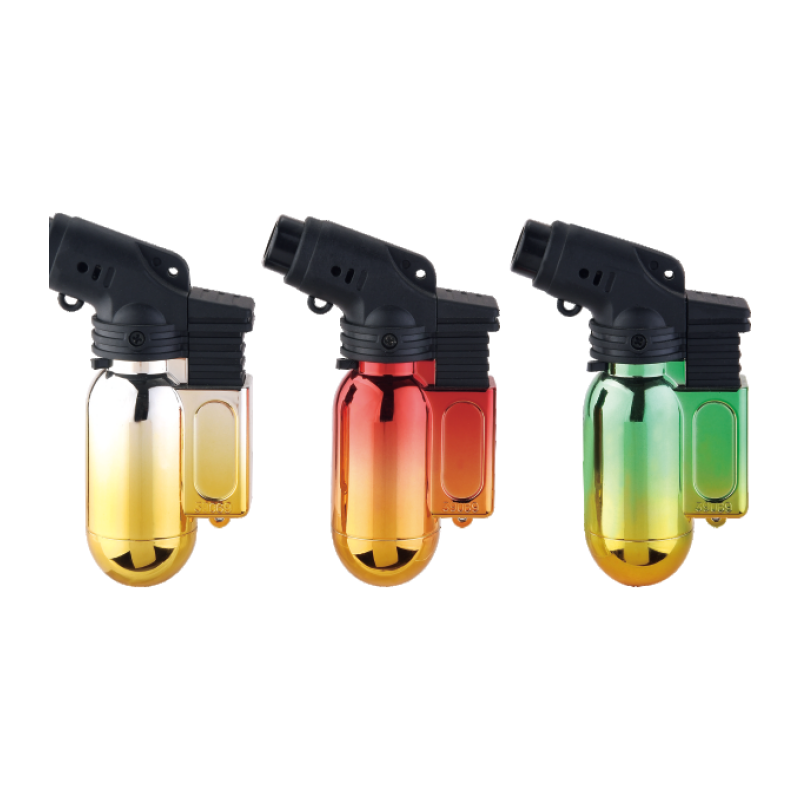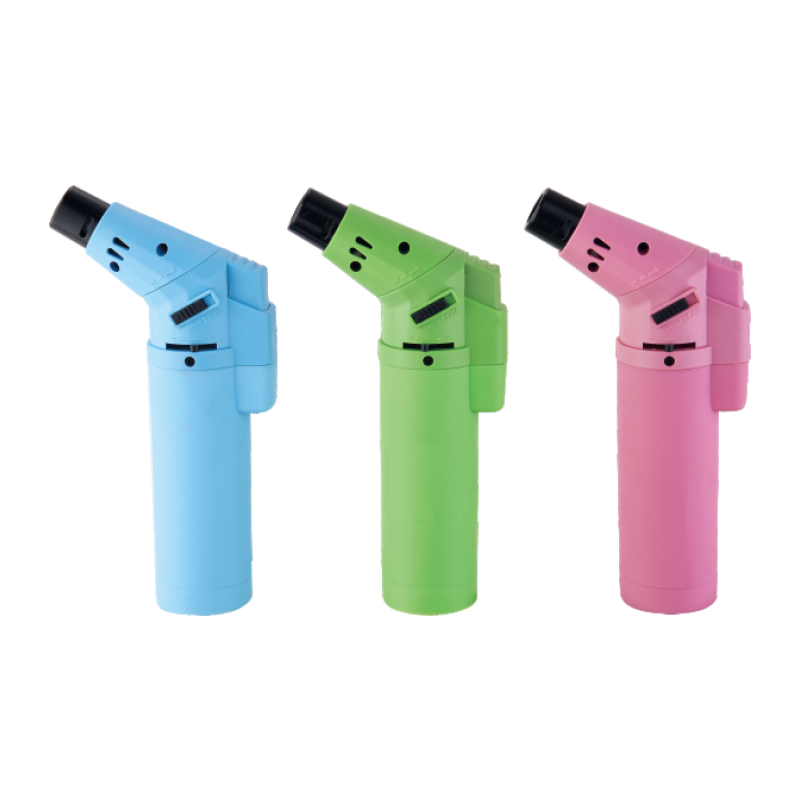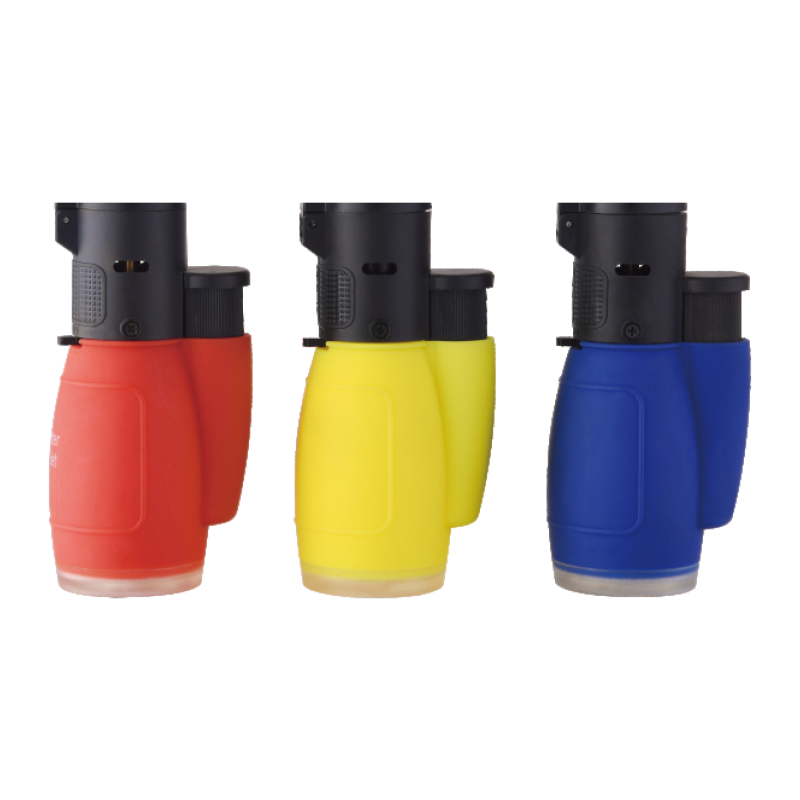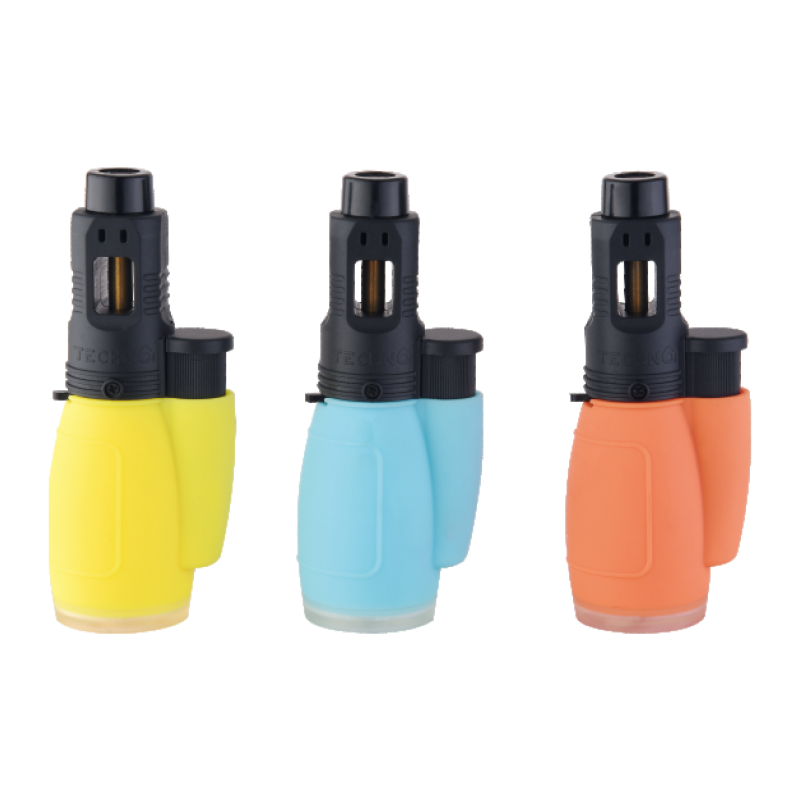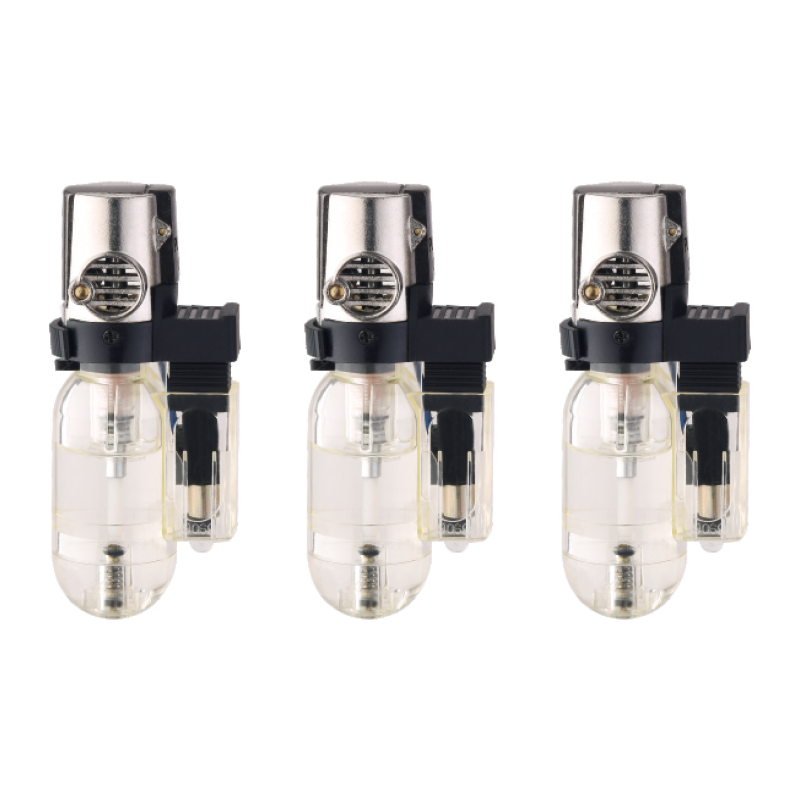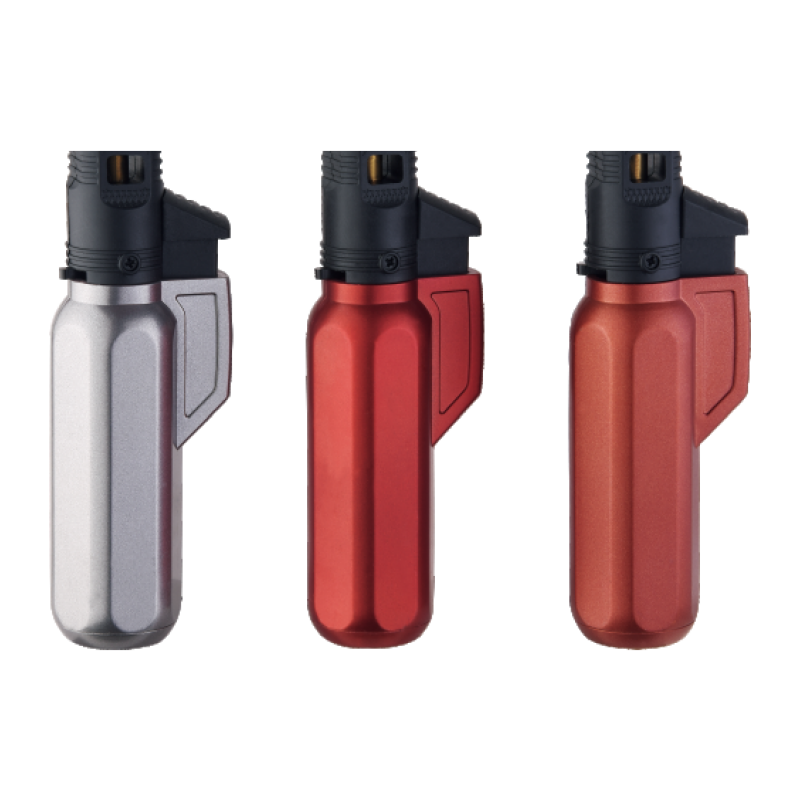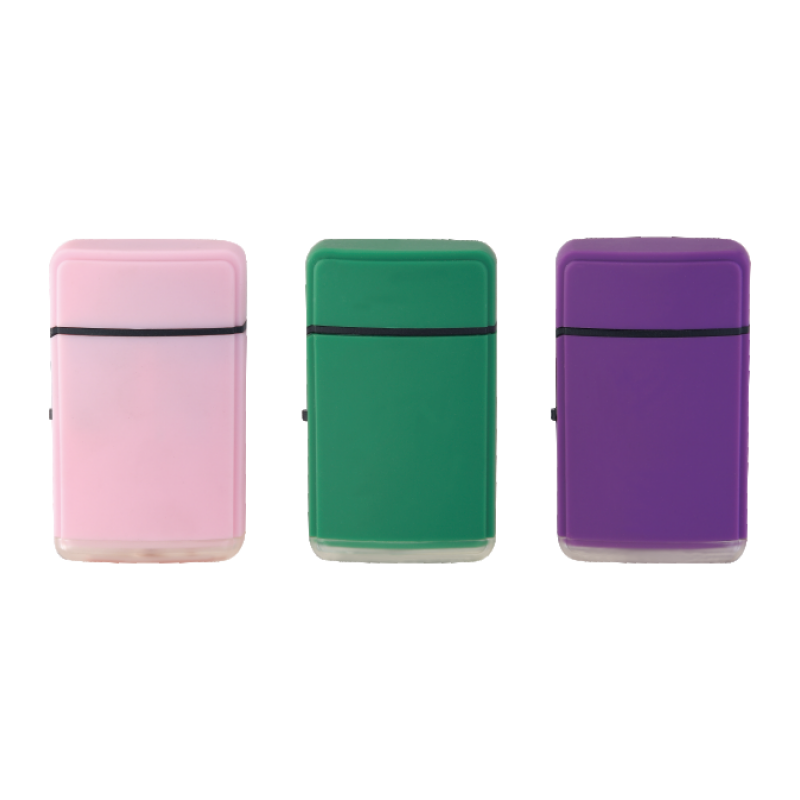
Jet Flame Lighter Refill Specifications & Sourcing

Contact me immediately if you encounter problems!

All Categories

jet flame lighter refill

Jet flame lighter refills are essential components for maintaining the functionality of jet flame lighters, which are widely used in various industries for their reliability and efficiency. For B2B buyers, understanding the specifications and sourcing options for jet flame lighter refills is crucial. This article will guide purchasing managers, distributors, and product managers through evaluating refill specifications, identifying reliable suppliers, addressing common issues, and offering installation guidance while emphasizing the importance of high-quality materials in these products.
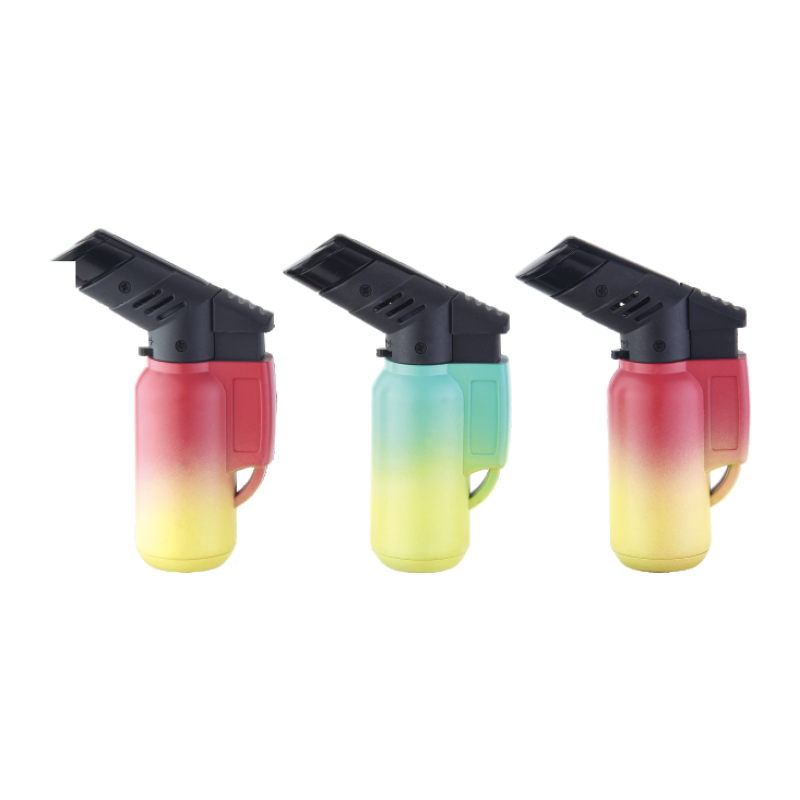
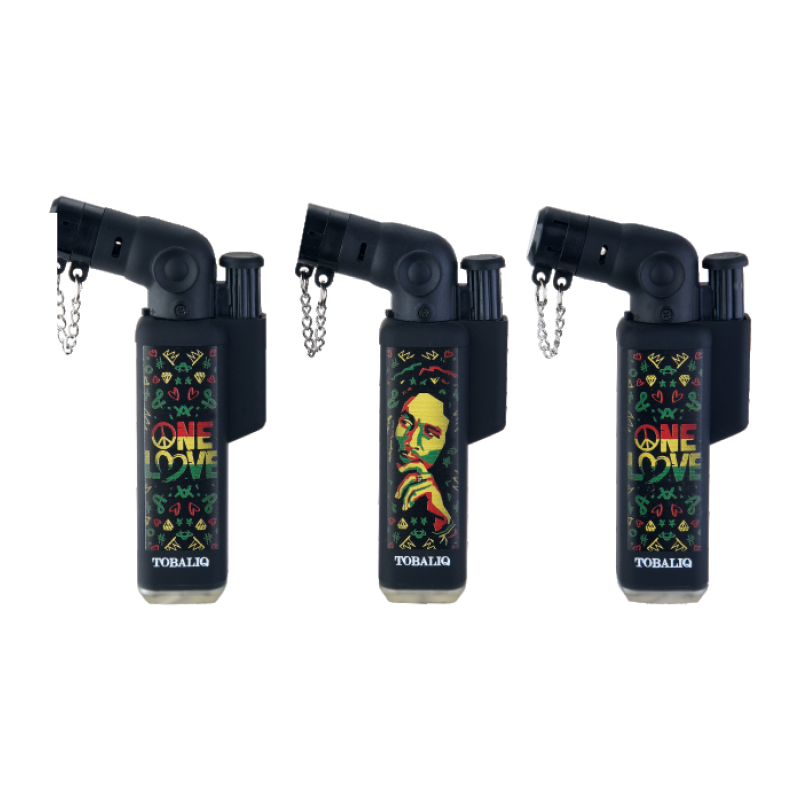
Our Products

Where to Source Reliable Suppliers for Jet Flame Lighter Refills

Finding reliable suppliers for jet flame lighter refills involves thorough research and evaluation. One effective approach is to attend industry trade shows and exhibitions, where manufacturers showcase their products and capabilities. This allows buyers to interact directly with suppliers, assess their quality, and discuss customization options.

Another option is to leverage online marketplaces and industry directories that feature verified suppliers. Platforms such as Alibaba or ThomasNet provide a wealth of information, including company profiles, product specifications, and customer reviews. Buyers should look for suppliers with a proven track record in manufacturing and quality control.

Additionally, establishing relationships with manufacturers like Ningbo Shunhong Lighter Manufacture Co., Ltd., which specializes in lighters and refills, can provide a reliable source. With extensive experience in production and trade, such manufacturers can offer competitive pricing and customization options tailored to specific business needs. This can be especially important when sourcing products like Jet Flame lighters.

Before finalizing any agreements, B2B buyers should request samples to evaluate product quality firsthand. This step is crucial to ensure that the refills meet performance standards and compatibility requirements for their specific applications.

Common Problems with Jet Flame Lighter Refills and Effective Solutions

Despite their efficiency, jet flame lighter refills can encounter several common problems. One issue is leakage during the refilling process, which can occur if the nozzle does not fit properly or if the refill is overfilled. To mitigate this, buyers should ensure they are using compatible refills and follow the manufacturer's instructions for filling.

Another common problem is inconsistent flame height or quality. This can result from low-quality fuel or impurities in the refill. Buyers should prioritize sourcing high-quality refills from reputable suppliers to avoid performance issues. Regular quality checks and user feedback can help identify and rectify these problems early.

Additionally, buyers should be aware of the storage conditions for refills. Extreme temperatures can affect the performance of the fuel, leading to issues such as reduced flame output. It is advisable to store refills in a cool, dry place to maintain their integrity.

By addressing these common issues proactively, buyers can enhance the reliability and performance of their jet flame lighters and ensure consistent operation in their applications.

Installation Guidance for Jet Flame Lighter Refills in Various Applications

Proper installation of jet flame lighter refills is essential for optimal performance. The process typically involves ensuring that the lighter is entirely empty before attempting to refill it. Buyers should follow these steps for effective installation:

Preparation: Ensure the lighter is cool and free from any residual fuel. This step is crucial to prevent accidents during the refilling process.

Aligning the Nozzle: Position the refill nozzle at a 90-degree angle to the lighter’s refill valve. This alignment helps prevent leakage and ensures a secure fit.

Filling: Apply gentle pressure to the nozzle to initiate the filling process. It’s important to avoid overfilling, as this can lead to fuel leakage and inconsistent flame quality. Typically, refilling should take no more than 5-10 seconds.

Testing: After refilling, allow the lighter to sit for a few minutes to stabilize before igniting. This waiting period ensures that the fuel is evenly distributed within the lighter.

Safety Precautions: Advise users to keep the lighter away from flammable materials and to follow all safety guidelines provided by the manufacturer.

By providing clear installation guidance, buyers can help users maximize the lifespan and performance of jet flame lighters across various applications, from industrial uses to personal consumption.

Benefits of High-Quality Materials in Jet Flame Lighter Refills for Buyers

Investing in high-quality materials for jet flame lighter refills offers numerous benefits for buyers. One of the foremost advantages is improved safety. High-quality butane or propane ensures that the fuel burns cleanly, reducing the risk of flare-ups or explosions, especially in industrial settings where safety is paramount.

Additionally, high-quality materials enhance the performance of the lighter. Premium refills provide a consistent flame height and duration, allowing for reliable usage in applications ranging from culinary tasks to outdoor activities. Buyers should look for products that specify purity levels and performance testing results to ensure they meet industry standards.

Moreover, the longevity of the refill is influenced by the materials used. High-quality fuels tend to have a longer shelf life and better storage stability, reducing the frequency of refills required. This can lead to cost savings in the long run, as businesses will not need to reorder as frequently.

Lastly, purchasing from reputable suppliers like Ningbo Shunhong Lighter Manufacture Co., Ltd. ensures that the products have undergone rigorous quality control processes. This trust in material integrity and performance can significantly enhance the overall satisfaction of the end-users and contribute to repeat business for B2B buyers.

By prioritizing high-quality materials, buyers can ensure they receive products that meet their specific needs and offer reliable performance in various applications.

Evaluating Jet Flame Lighter Refill Specifications for Bulk Purchases

When sourcing jet flame lighter refills, buyers should pay close attention to several key specifications. One of the primary considerations is the fuel type used in the refills, typically butane or propane. Butane is preferred for its clean burn and ease of use, while propane may be used for specific applications requiring higher heat output, such as those utilizing a Turbo Flame.

Another important specification is the refill capacity, usually measured in milliliters (ml). Typical refill sizes range from 100ml to 300ml, impacting the number of lighter refills per purchase. Buyers should also consider the compatibility of the refills with various lighter brands and models to ensure seamless operation.

Additionally, the nozzle design is critical for proper installation and refilling. A mismatch in nozzle size or shape can lead to leaks or inefficient refilling. Therefore, it is advisable for buyers to verify that the refill nozzles match the lighter models they intend to use.

Finally, examining the packaging is essential. Bulk purchases often come in cartons that should protect the refills during transport and storage. A thorough understanding of these specifications will help buyers make informed decisions when ordering jet flame lighter refills in bulk.

Get a Free Quote

Our representative will contact you soon.
Email
Mobile
Name
Company Name
Message
0/1000

Related product categories