Jet Butane Torch: Key Features and Best Practices

Contact me immediately if you encounter problems!

All Categories

jet butane torch

Jet butane torches are versatile, high-performance tools essential for various applications, including soldering, welding, and culinary uses. For B2B buyers, understanding the intricacies of these torches is vital, from supplier selection to common challenges and solutions. This article will provide insights into finding reliable suppliers, addressing common problems, exploring industries and uses, best practices in handling jet butane torches, and the key features that matter for buyers.
Our Products

Common Problems with Jet Butane Torches and Their Solutions

Jet butane torches, while efficient, can present several challenges:

Flame Control Issues: Buyers may encounter inconsistent flame output. This can often be resolved by checking for blockages in the nozzle or ensuring the butane is of high quality to prevent residue buildup.

Refueling Difficulties: Problems with refueling can arise if the torch isn't compatible with standard butane canisters. Always verify the canister specifications before purchasing.

Leakage: Gas leaks can pose safety risks. Regular inspections for wear and tear, especially in seals and connectors, are essential. If a leak is detected, immediate replacement of the affected parts is necessary.

Temperature Limitations: Some applications may require higher temperatures than the torch can provide. Buyers should confirm the torch's maximum temperature rating to ensure it fits their specific needs.

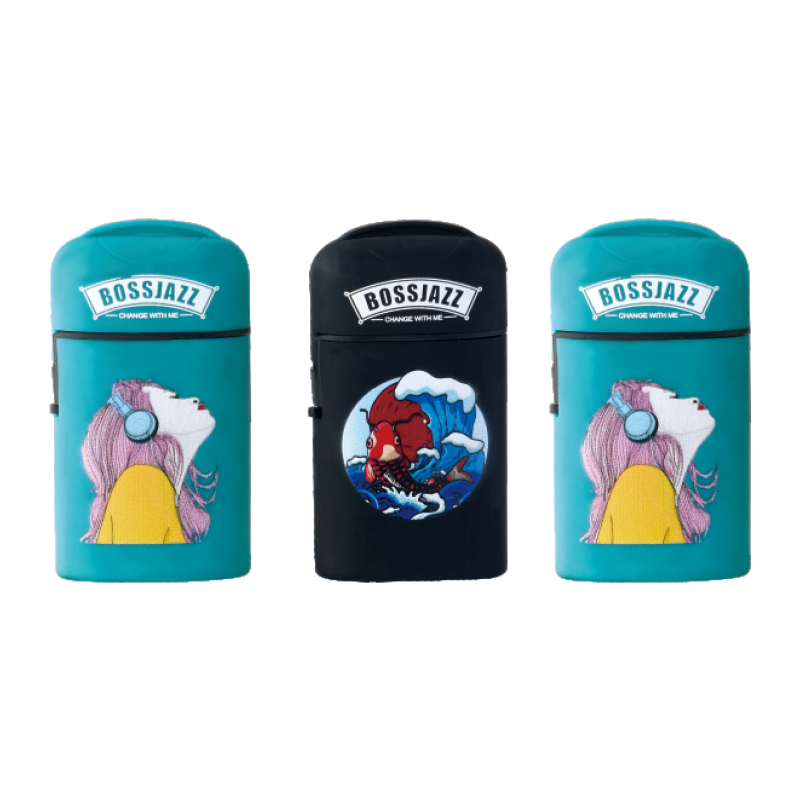
Durability Concerns: Many lower-quality torches may not withstand heavy usage. Opt for models with robust construction and materials to enhance longevity, such as the SH-3042 BOSSJAZZ Printed Flat Jet Torch Lighter with Ocean Artwork.

Industries and Uses You Should Know

Jet butane torches cater to a range of industries and applications, including:

Manufacturing: Used for soldering electronic components, assembling metal parts, and other fabrication processes, ensuring precision and efficiency.

Culinary Arts: Chefs utilize these torches for caramelizing sugars, browning meringues, and roasting vegetables, enhancing the presentation and flavor of dishes.

Jewelry Making: Jewelers employ jet butane torches for melting metals and soldering intricate pieces, requiring precise control and a reliable heat source.

Automotive Repair: These torches are helpful in automotive repair for tasks like loosening stubborn bolts or welding metal components.

Craft and DIY Projects: Hobbyists and DIY enthusiasts use butane torches for a variety of crafting applications, from glasswork to creating artistic effects. The M1-MF-5 Refillable Butane Gas Lighter – Portrait and star modular graphic is a popular choice among crafters.

Best Practices to Follow

To maximize the performance and safety of jet butane torches, buyers should adhere to the following best practices:

Proper Storage: Always store torches in a cool, dry place, away from direct sunlight or extreme heat to prevent gas expansion and leakage.

Regular Maintenance: Routine checks for functionality, including flame adjustments and nozzle inspections, can prevent potential failures during critical tasks.

Usage Training: Ensure that all users are trained on proper handling techniques, including safe ignition and flame adjustment.

Safety Gear: Always wear appropriate safety gear, such as gloves and goggles, to protect against burns or accidental ignition.

Sample Approval: Before committing to a bulk order, request samples to verify the torch's performance and quality under actual working conditions.

Features That Matter for Buyers

When evaluating jet butane torches, several features are critical for making an informed purchasing decision:

Flame Adjustability: Look for torches that offer adjustable flame settings. This feature allows for versatility in applications, providing control over the intensity of the flame.

Ergonomic Design: A comfortable grip can enhance user experience, especially during prolonged use. Consider the weight and design of the torch.

Safety Features: Built-in safety mechanisms such as child locks and flame guards are essential for preventing accidents, especially in environments where multiple users are present.

Fuel Capacity: A larger fuel reservoir means longer operation times between refills, which is beneficial for extensive projects.

Durability of Materials: Evaluate the materials used in the torch's construction. High-quality plastics and metals enhance durability and performance under demanding conditions.

In summary, choosing the right jet butane torch requires careful consideration of suppliers, understanding common problems, knowing the applicable industries, adhering to best practices, and recognizing key features that meet the buyer's needs. By applying this knowledge, purchasing managers and engineers can make informed decisions that support efficient operations in their respective fields.

Finding Reliable Suppliers

When sourcing jet butane torches, reliability is crucial. Buyers should start by evaluating suppliers based on several factors:

Manufacturing Capabilities: Assess the supplier's production capacity and capabilities. A manufacturer like Ningbo Shunhong Lighter Manufacture Co., Ltd., with extensive factory space and a focus on RD and design, can offer a diverse range of products, including options like the Q6T Refillable Butane Gas Lighter – Slim printed fashion body.

Quality Control Processes: Examine the quality control measures in place. Effective quality systems ensure consistent performance and compliance with industry standards.

Customization Options: Many buyers require specific features or branding on their torches. Ensure that the supplier can accommodate custom designs or modifications.

Certifications and Compliance: Check for relevant certifications that verify the safety and performance of the torches, such as ISO standards. This showcases the manufacturer’s commitment to quality.

Customer Support and Communication: A responsive supplier can make a significant difference in the purchasing process. Clear communication about lead times, pricing, and product specifications is essential.

Get a Free Quote

Our representative will contact you soon.
Email
Mobile
Name
Company Name
Message
0/1000

Related product categories