 EN

Turbo lighters are specialized devices designed for reliable ignition in various applications, from everyday use to industrial settings. For B2B buyers like purchasing managers and engineers, understanding the nuances of turbo lighters is crucial for making informed sourcing decisions. This article will explore how to choose the right turbo lighter for wholesale needs, the key specifications to consider, and the quality assessment methods that ensure suitability for specific projects.
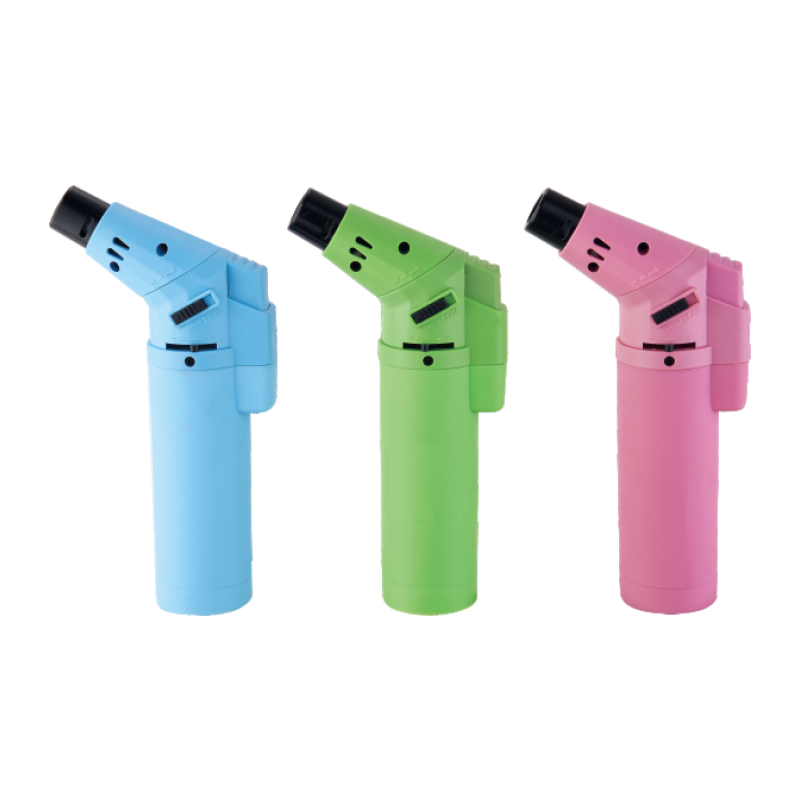
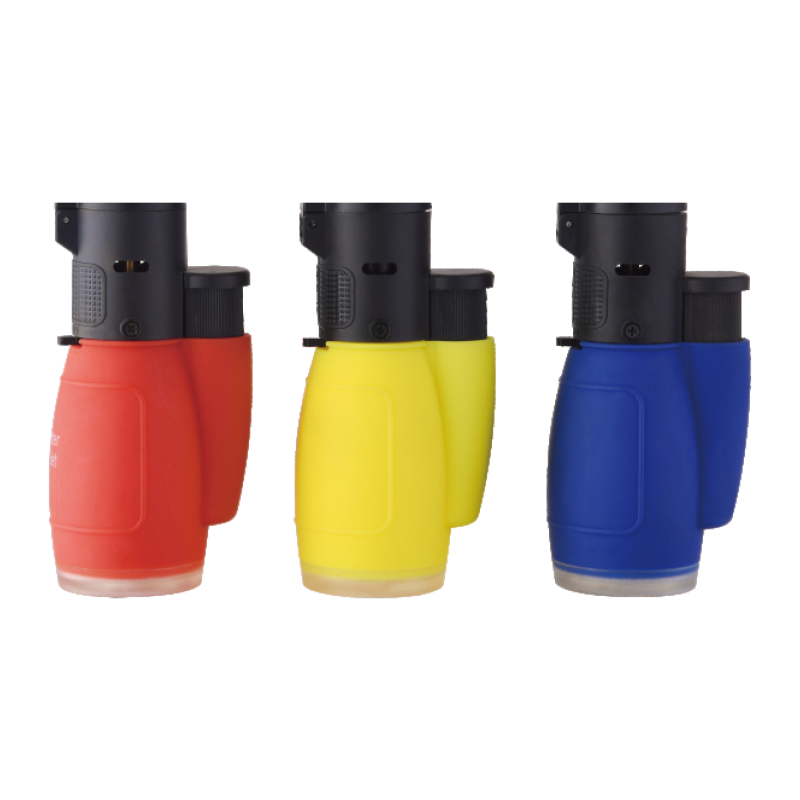
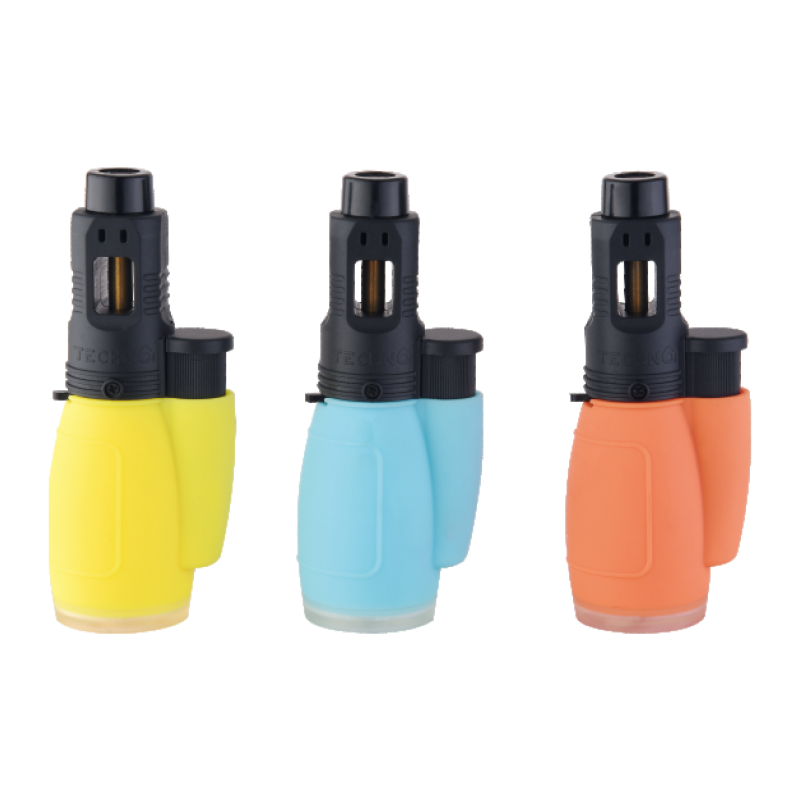
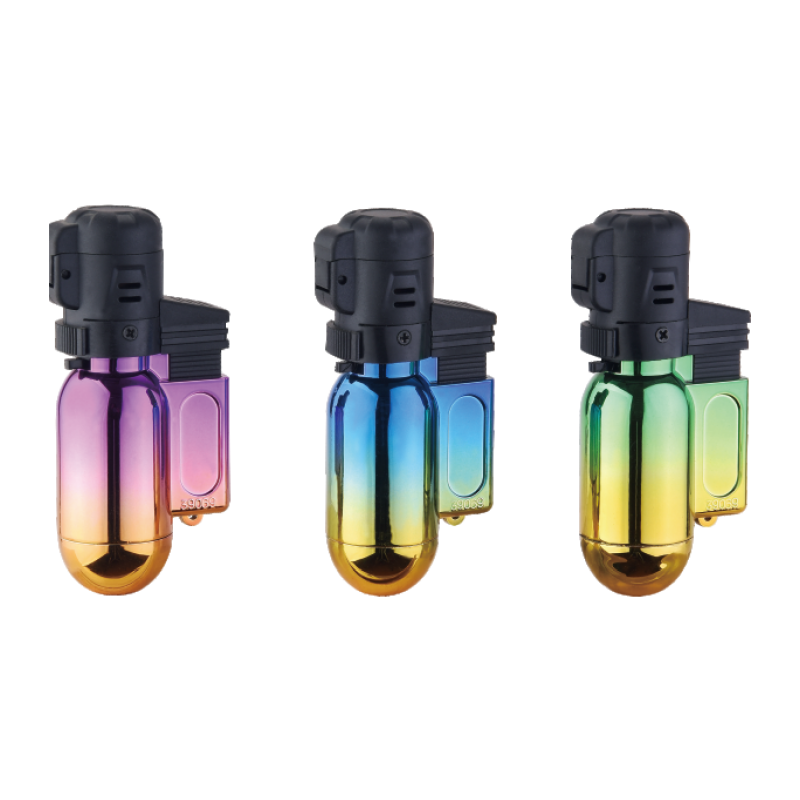
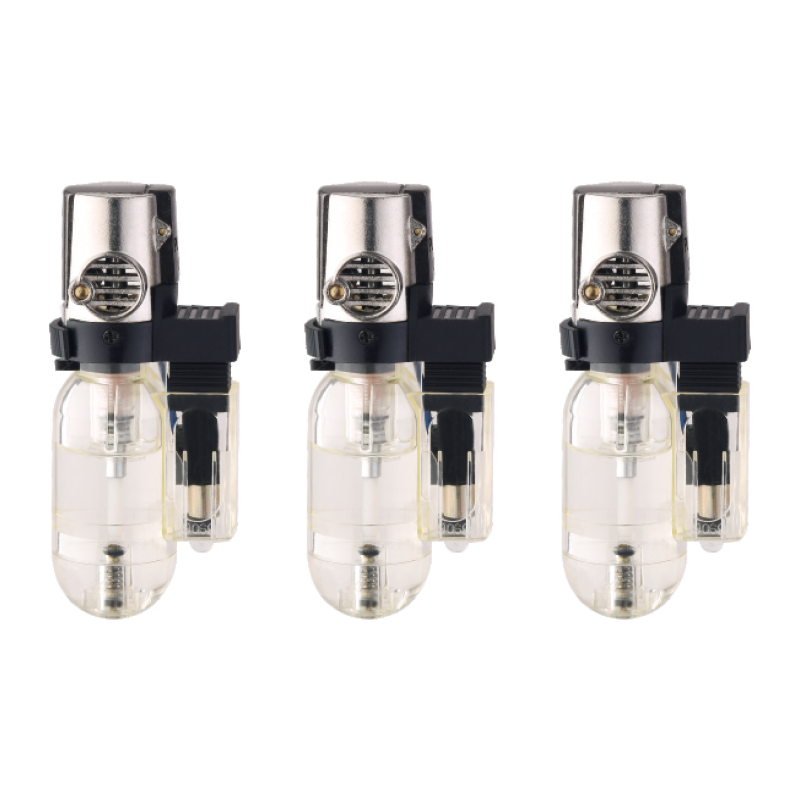
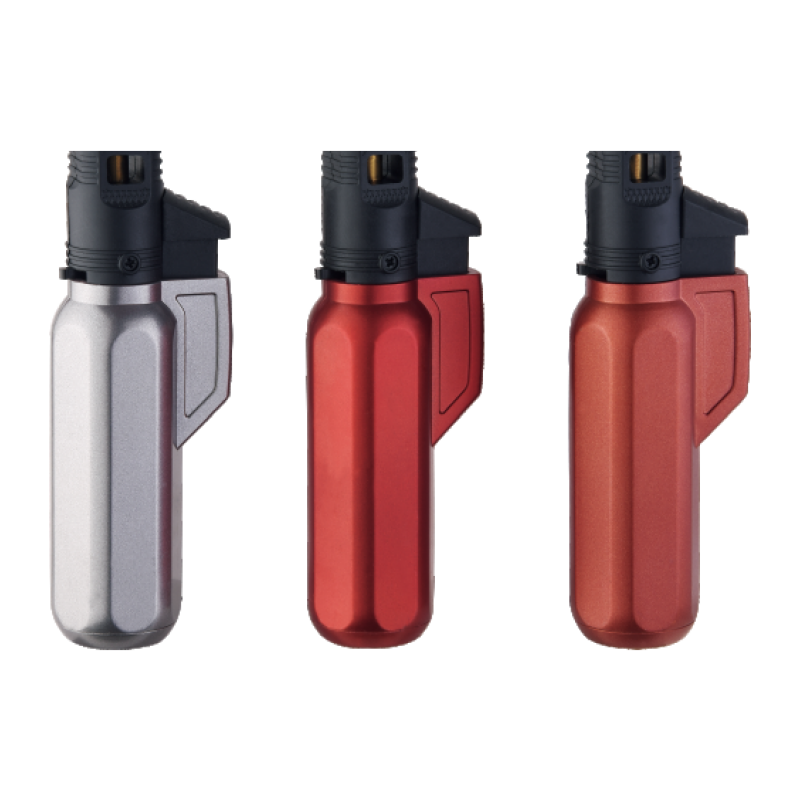
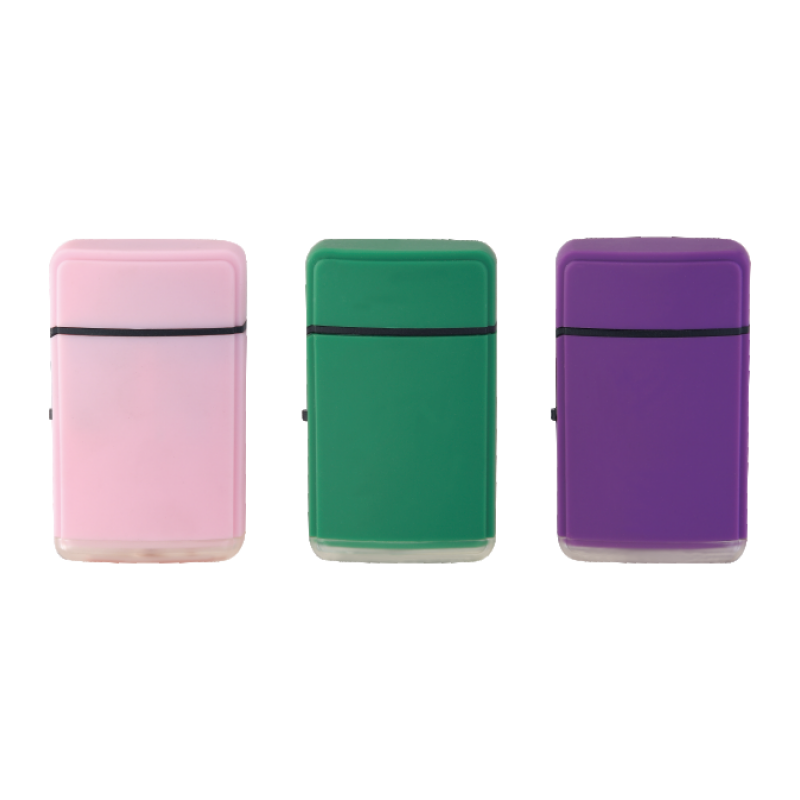
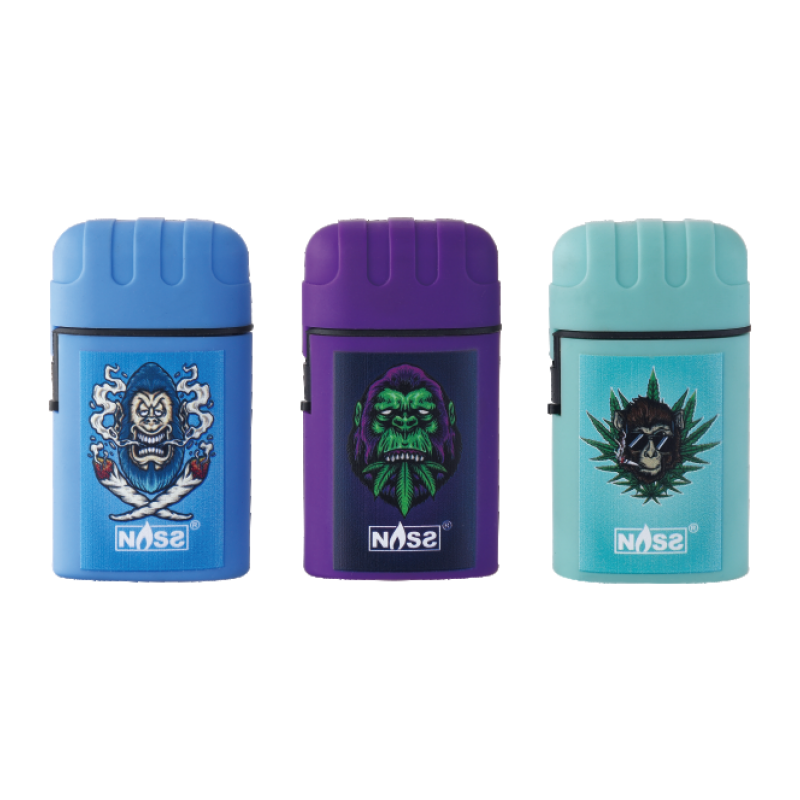
Top Specifications to Consider When Sourcing Turbo Lighters
When sourcing turbo lighters, several specifications should be prioritized to ensure quality and performance.
Flame Type: Turbo lighters often feature a jet flame which is wind-resistant and suitable for outdoor conditions. Assess whether the flame type matches the intended application, as this influences usability.
Material Composition: The materials used in manufacturing turbo lighters can significantly affect their durability and safety. Common materials include high-grade plastics and metal components. Confirm that the materials are suitable for the expected operating conditions, such as exposure to heat or moisture.
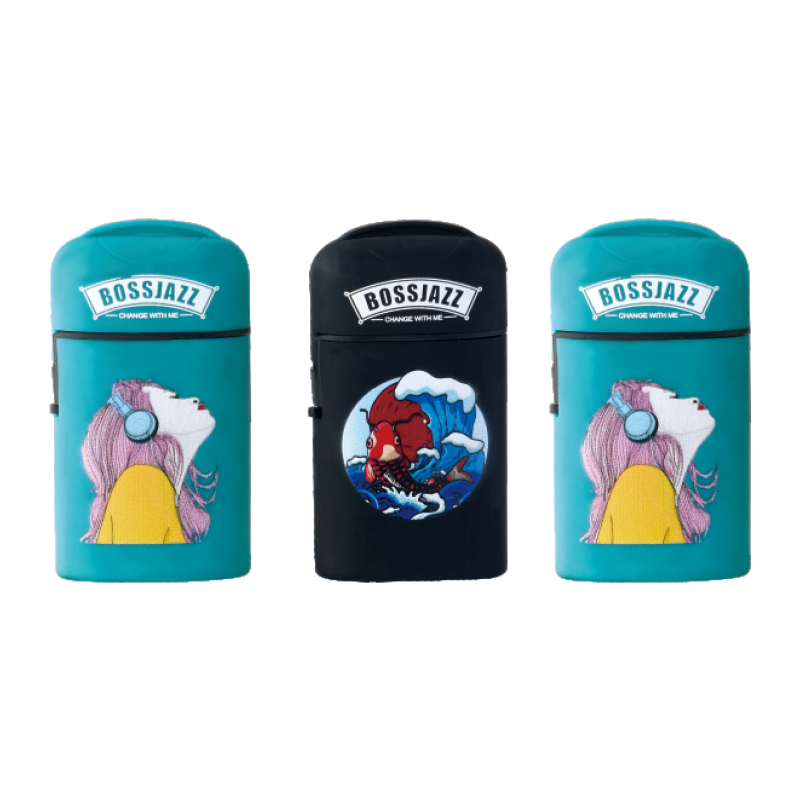
Fuel Type: Many turbo lighters use butane as fuel. Understanding the fuel system's compatibility with available refills is crucial for ongoing use. For instance, the M1-MF-5 Refillable Butane Gas Lighter – Portrait and star modular graphic is one such example that showcases versatility and ease of refilling.
Size and Weight: Depending on the target market, the size and weight of the lighter may be critical for usability. Larger lighters may provide more fuel capacity but can also be cumbersome for daily carry.
Safety Features: Consider safety mechanisms like child resistance, refill indicators, and flame adjustment. These features are vital for ensuring safe use, particularly in consumer markets.
By focusing on these specifications, buyers can ensure that the turbo lighters they source will meet their intended applications and quality standards.