 EN

Turbo blue jet flame lighters are specialized tools designed for high-performance ignition needs. As B2B buyers, purchasing managers, and distributors in various industries, understanding what to consider when selecting these lighters is crucial. This article will guide you through choosing the right turbo blue jet flame lighter, key specifications, quality control measures in manufacturing, common issues, and their applications across different sectors.
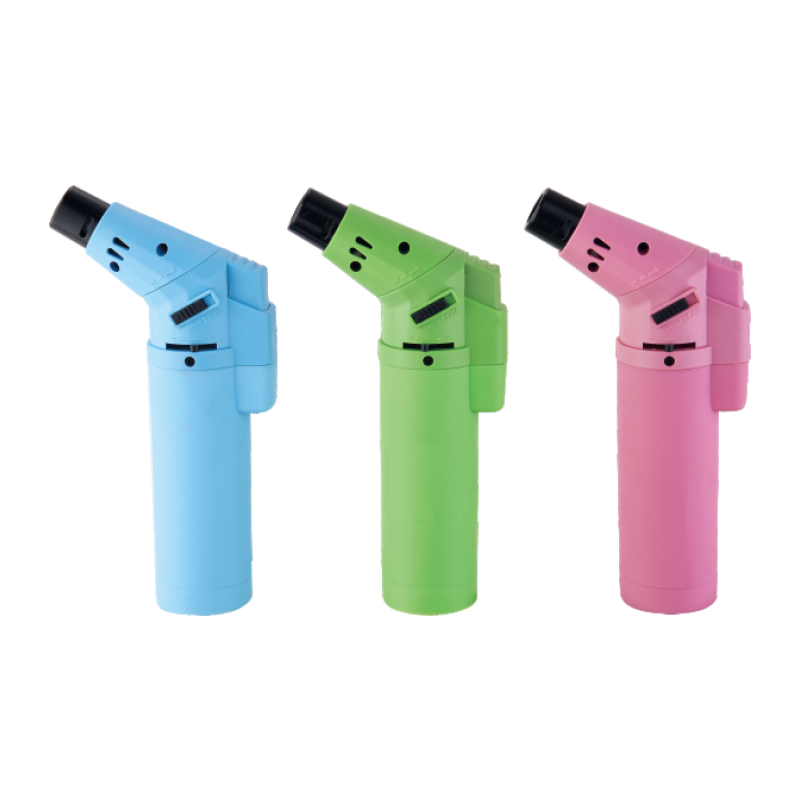
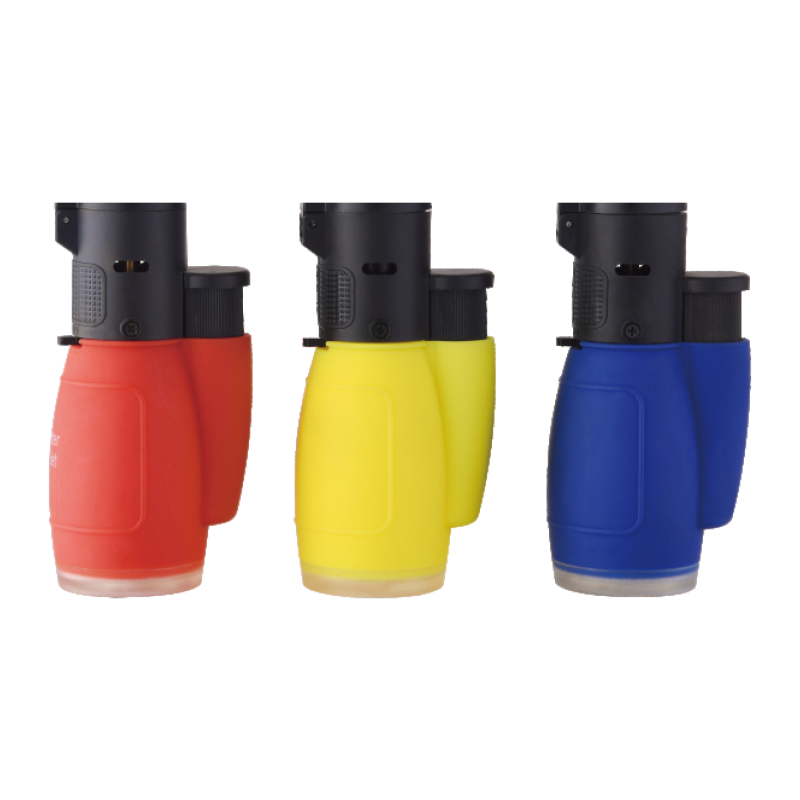
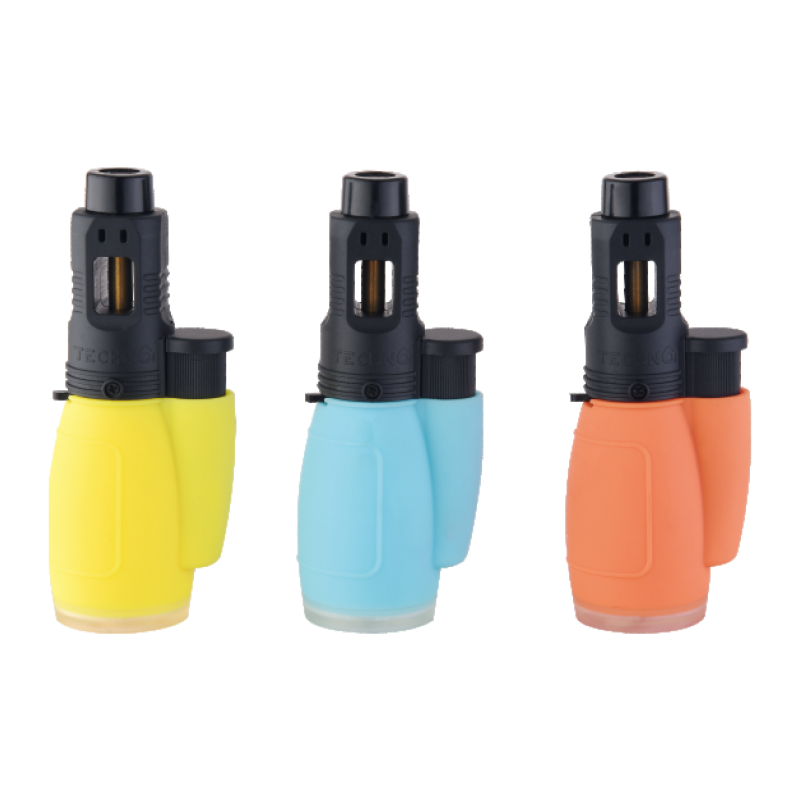
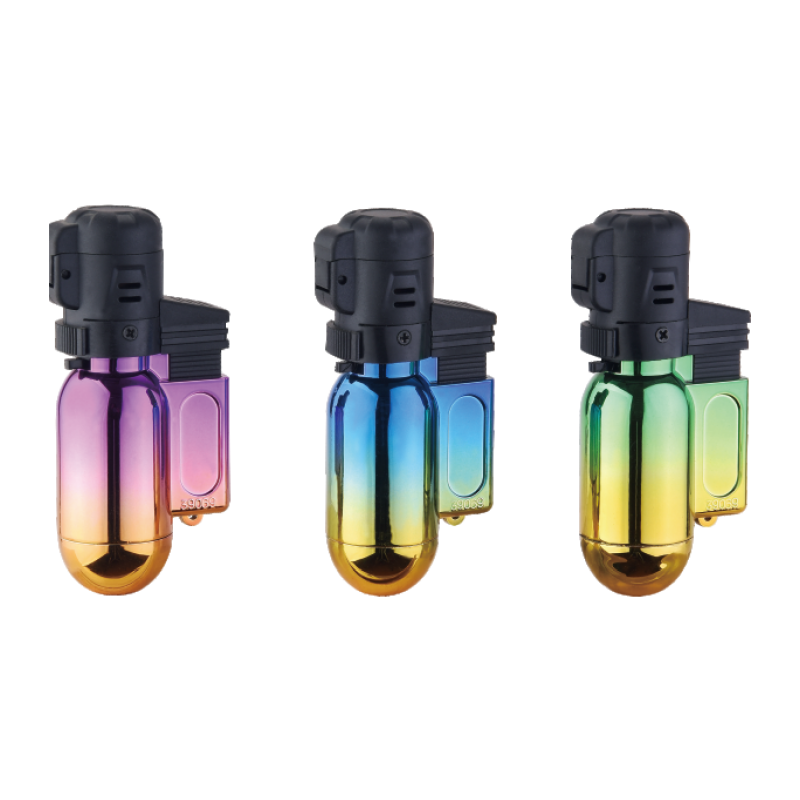
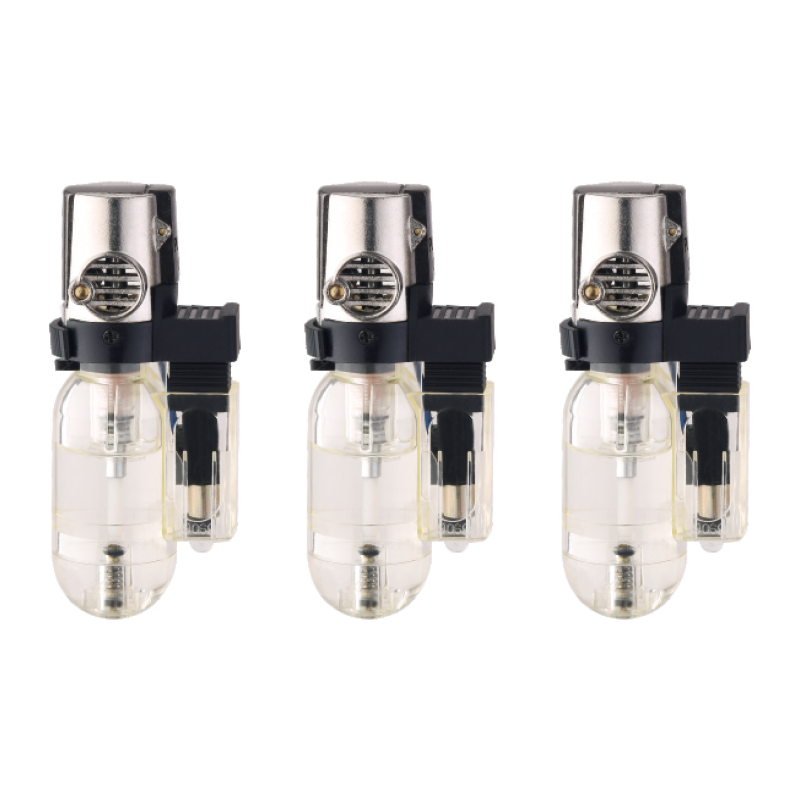
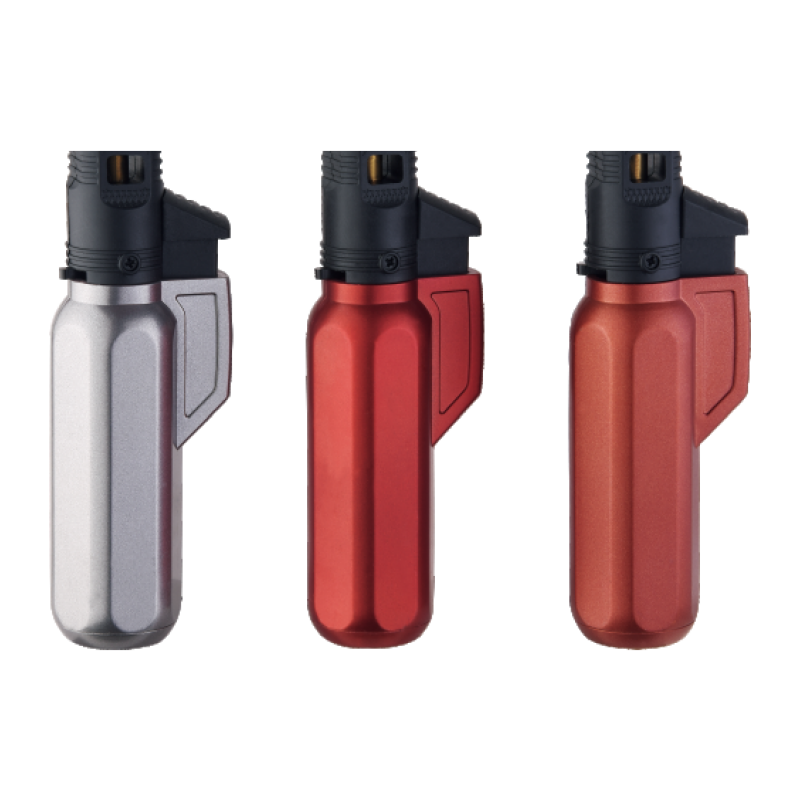
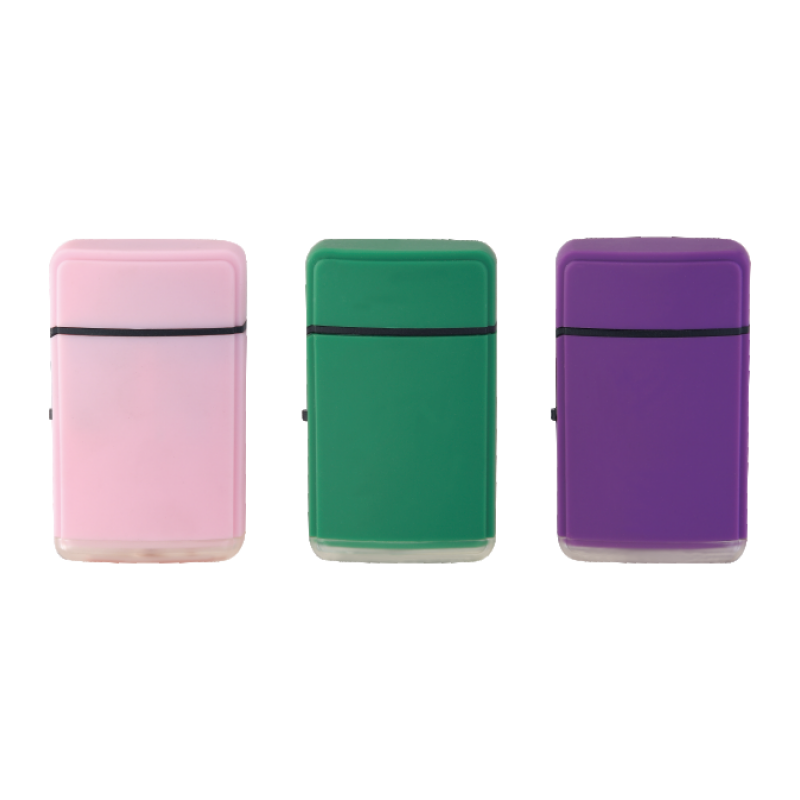
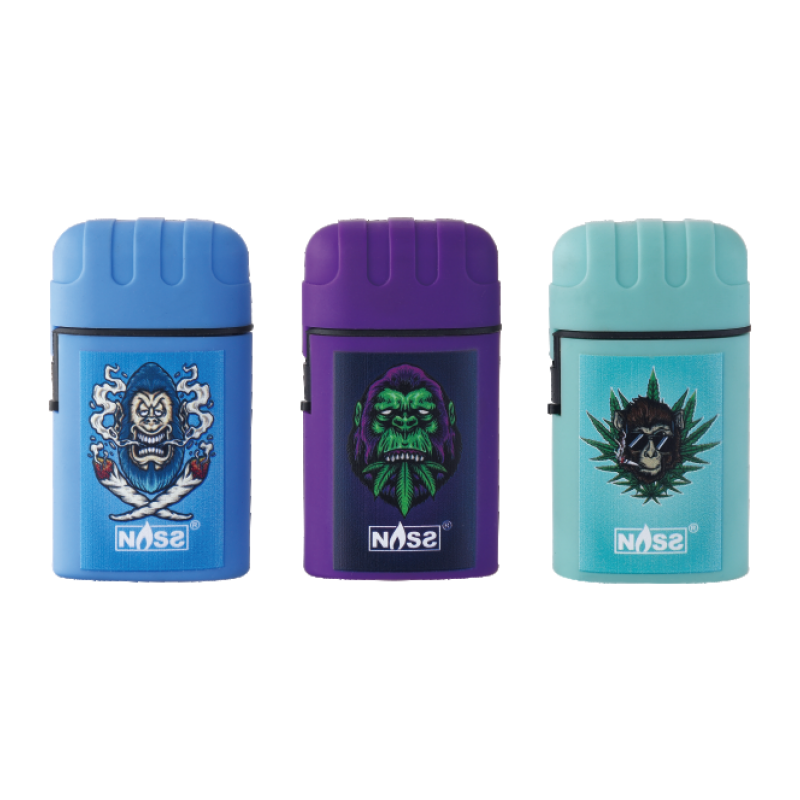
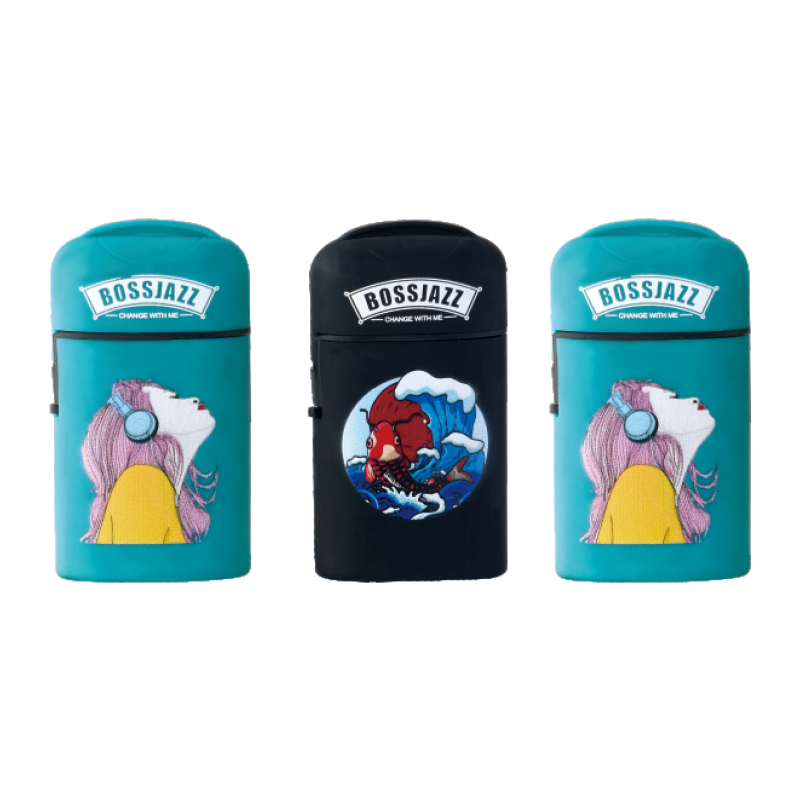
Key Specifications of Turbo Blue Jet Flame Lighters for Buyers
Understanding the specifications of turbo blue jet flame lighters is vital for making an informed purchase. Key specifications include:
Flame Temperature: Turbo blue jet flames typically reach temperatures of 1300°C (2372°F) or higher, making them suitable for various applications, from culinary uses to industrial tasks. Buyers should verify that the flame temperature meets application requirements.
Fuel Type: Most turbo blue jet flame lighters use butane, which is widely available and easy to refill. Ensure that your choice of lighter is compatible with standard butane fuel to avoid operational issues.
Material and Durability: The body material, often plastic or metal, affects durability. Metal lighters are generally more robust and suitable for heavy-duty use, whereas plastic options may be lighter and more portable.
Size and Weight: Depending on the application, lighter size and weight can impact usability. A compact, lightweight design is preferable for portable use, while larger models may offer additional features.
Safety Features: Look for lighters with child safety locks and adjustable flame settings to ensure safe operation in various environments.