 EN

Mini barbecue lighters are essential tools for grilling enthusiasts and professionals alike, providing a convenient and effective means of igniting charcoal, wood, or gas. For B2B buyers such as purchasing managers, distributors, and product managers, understanding the nuances of mini barbecue lighters is crucial for making informed purchasing decisions. This article addresses key considerations when selecting mini barbecue lighters, including specifications, cost factors, safe installation, and various applications across industries.
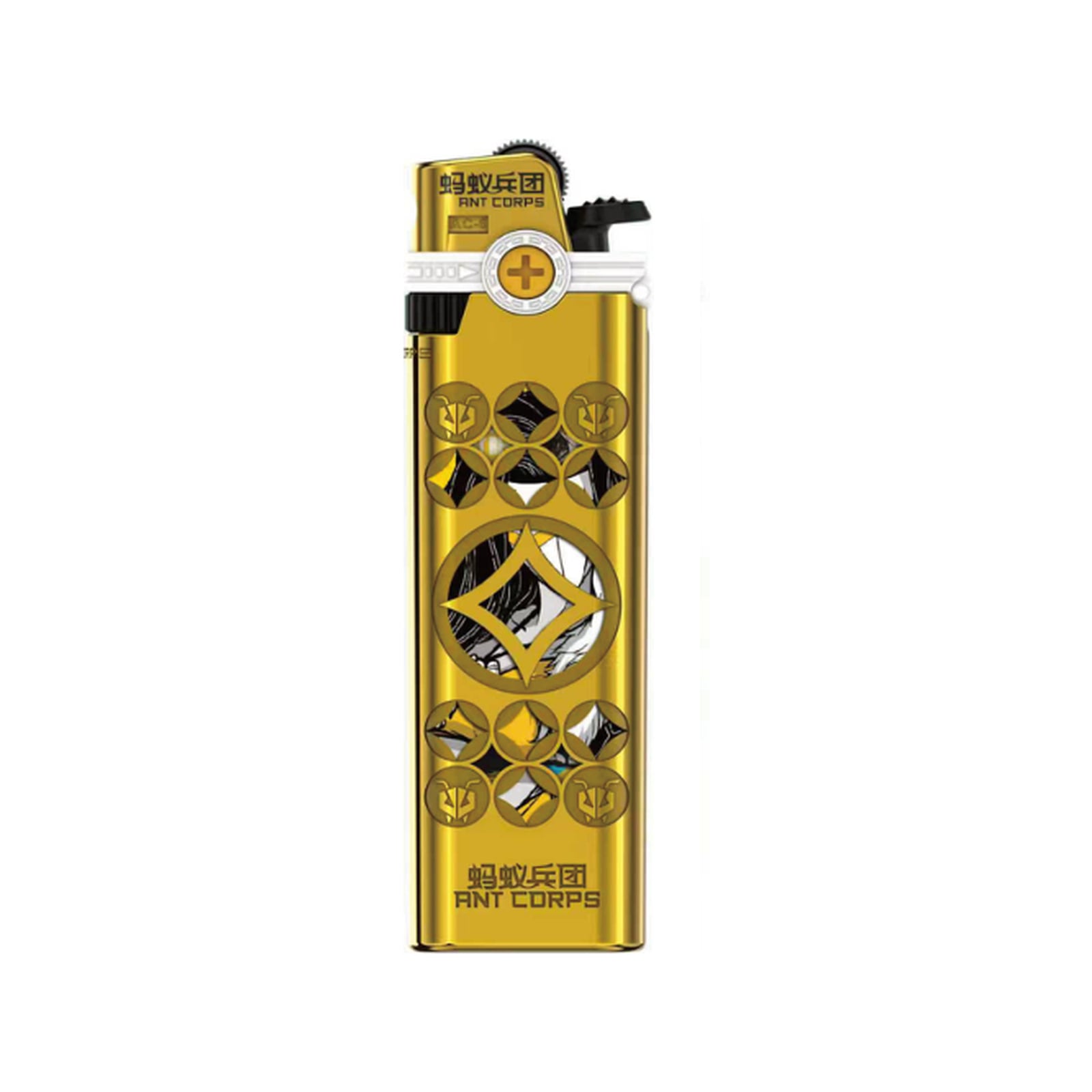
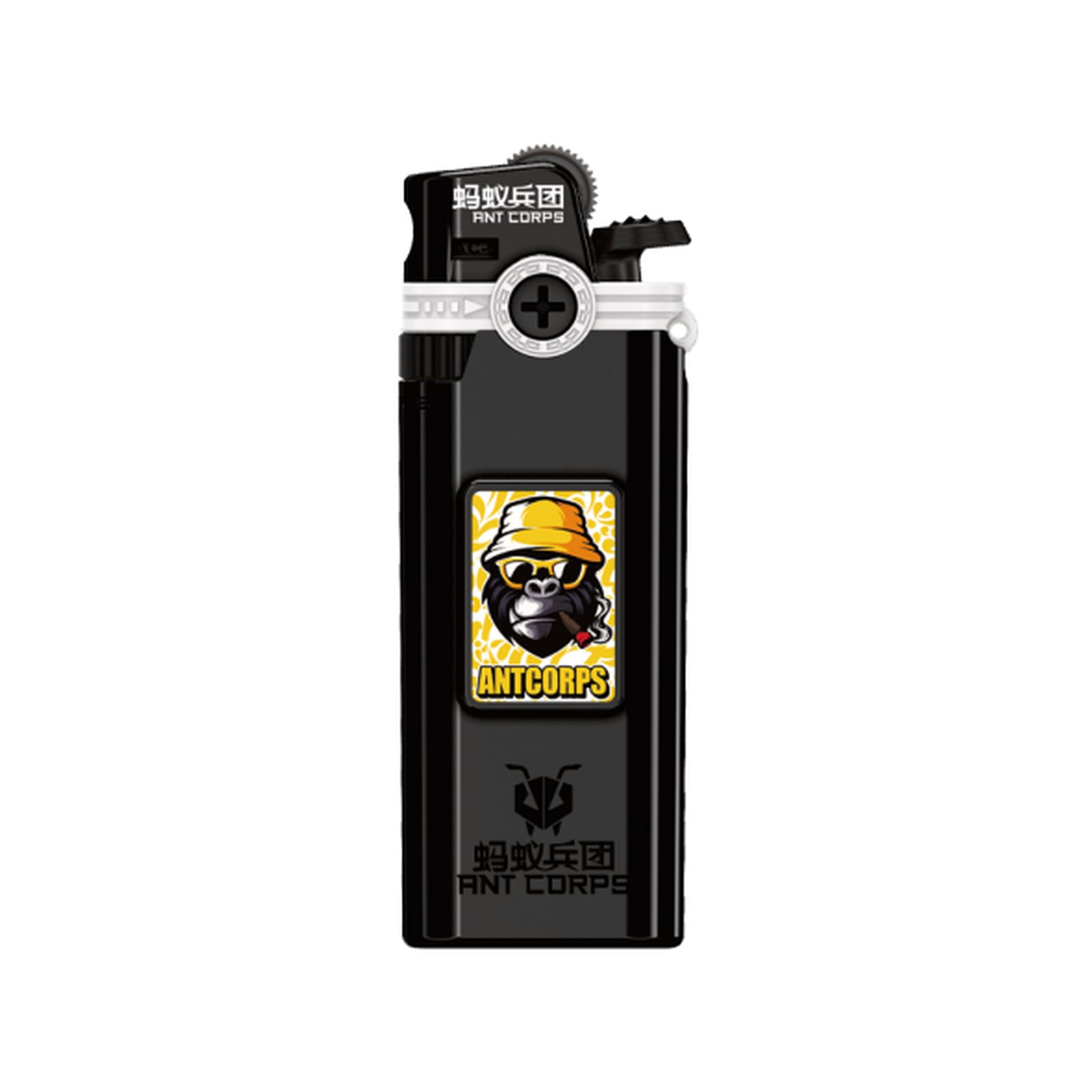
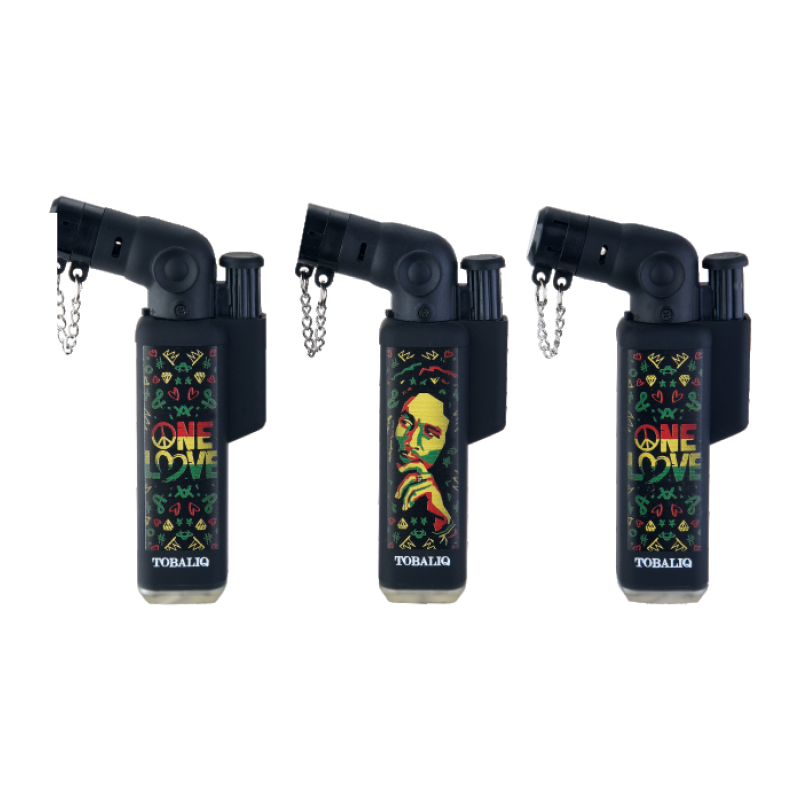
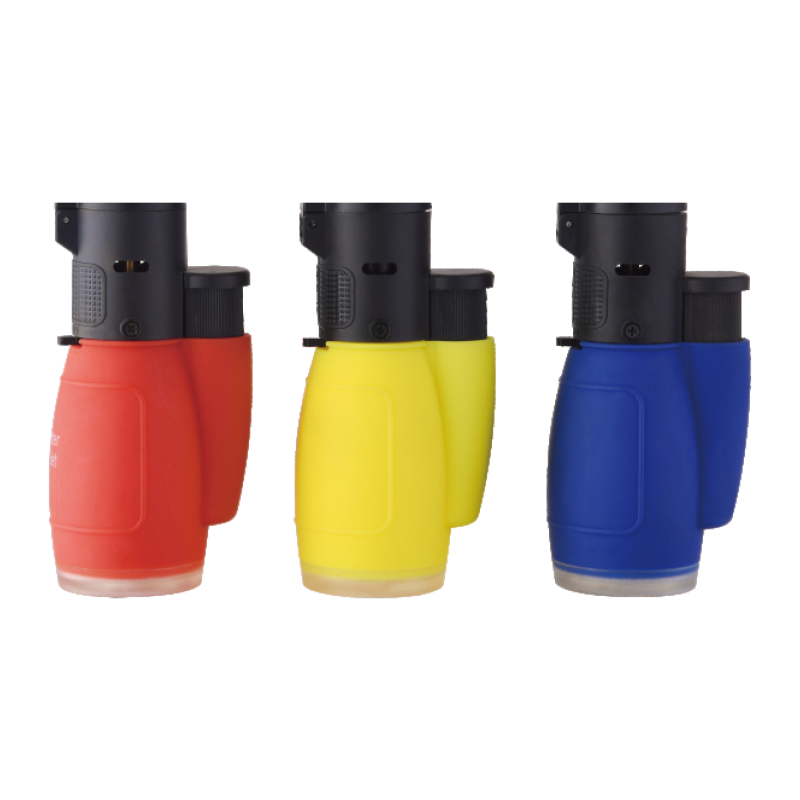
Key Specifications to Consider for Mini Barbecue Lighters
Understanding the key specifications of mini barbecue lighters is vital for ensuring they meet performance and safety standards. Here are some important specifications to evaluate:
Fuel Type: Common options include butane, propane, and lighter fluid. Each fuel type has varying ignition properties and burn times, affecting usability.
Material Composition: The materials used in the lighter's construction impact durability and safety. Look for high-quality plastics that can withstand heat and impact, ensuring longevity.
Flame Height and Adjustability: Depending on the application, the flame height may be crucial. Adjustable flame settings can cater to different grilling needs, from lighting a charcoal grill to igniting a gas burner. For example, Normal Flame options might be suitable for everyday grilling tasks.
Ignition Mechanism: Consider whether the lighter uses a piezoelectric ignition system or a traditional flint mechanism. Piezoelectric systems are generally more reliable and safe compared to flint-based options.
Compliance and Safety Standards: Ensure that the lighters meet relevant safety regulations. Certifications such as CE or ISO can provide assurance of quality.
By carefully evaluating these specifications, buyers can choose mini barbecue lighters that align with both their needs and their customers' expectations.