MAPP Gas and Torches: Technical Insights and Solutions

Contact me immediately if you encounter problems!

All Categories

mapp gas and torch

MAPP gas and torches are specialized tools commonly used in various industrial and manufacturing applications, known for their high heat output and efficiency. For B2B buyers such as purchasing managers and engineers, understanding the technical specifications and practical applications of these products is crucial for making informed decisions. This article will address common concerns about MAPP gas and torches, offering insights into technical specifications, application challenges, sourcing, best practices, and comparisons among various options.
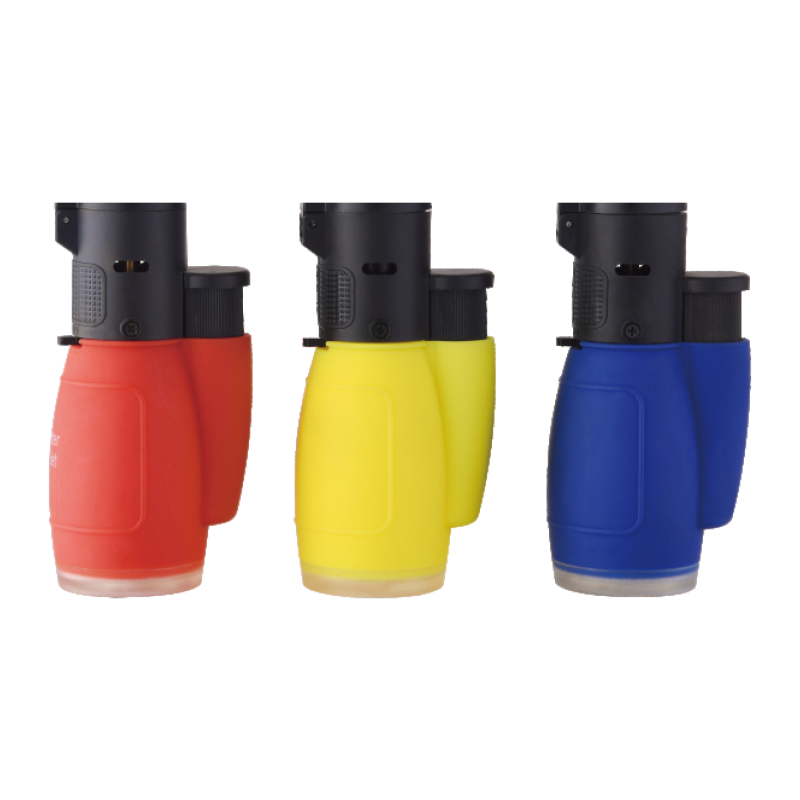
Our Products

Common Problems with MAPP Gas Applications and Effective Solutions

While MAPP gas and torches are effective tools, users may encounter several common problems, including:

Inconsistent Flame: This can result from improper gas mixture or blockages in the nozzle. Regular maintenance, including cleaning the nozzle and checking gas connections, can help maintain a consistent flame.

Burn Back: This occurs when the flame travels back into the torch, potentially causing damage. To prevent burn back, ensure that the torch is held at the correct angle and that the flame is not too close to the workpiece.

Gas Leaks: Leaks can be dangerous and should be addressed immediately. Buyers should inspect hoses and connections for wear and tear regularly. Using a leak detection solution can help identify issues before they become serious.

Handling and Storage: MAPP gas cylinders must be stored upright and in a well-ventilated area. Buyers should educate staff on proper handling techniques to prevent accidents. Additionally, understanding the differences between Normal Flame and MAPP gas can aid in selecting the right tools for specific tasks.

By being aware of these issues and implementing preventive measures, users can significantly enhance the reliability and safety of their MAPP gas applications.

Where to Find Bulk Orders for MAPP Gas and Torch Supplies

When looking to procure MAPP gas and torches in bulk, buyers should consider several avenues:

Specialized Suppliers: Many industrial gas suppliers offer MAPP gas and related products. Working with reputable suppliers ensures that buyers receive high-quality materials that meet industry standards.

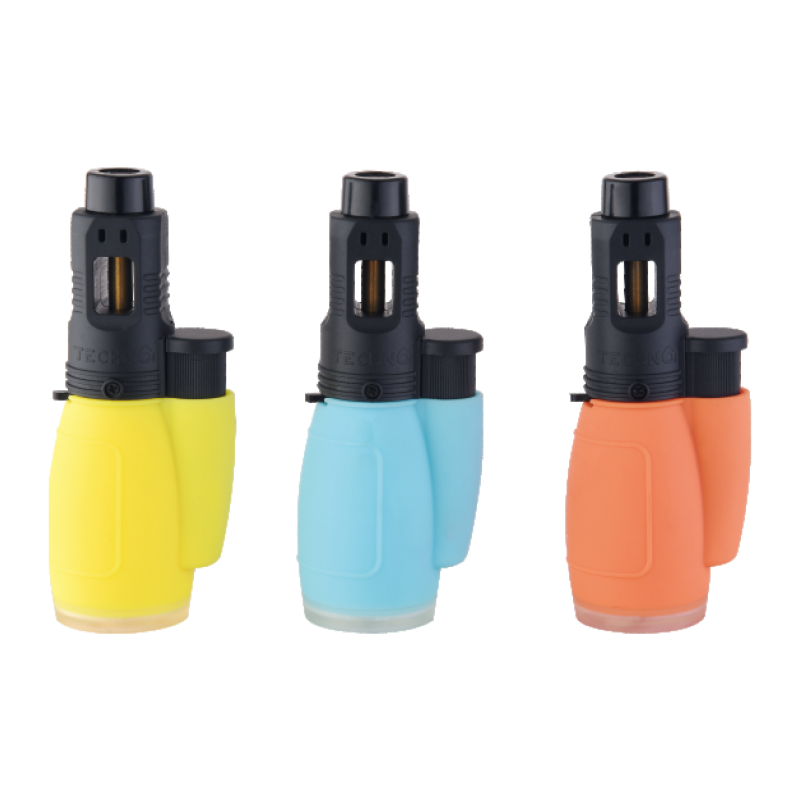
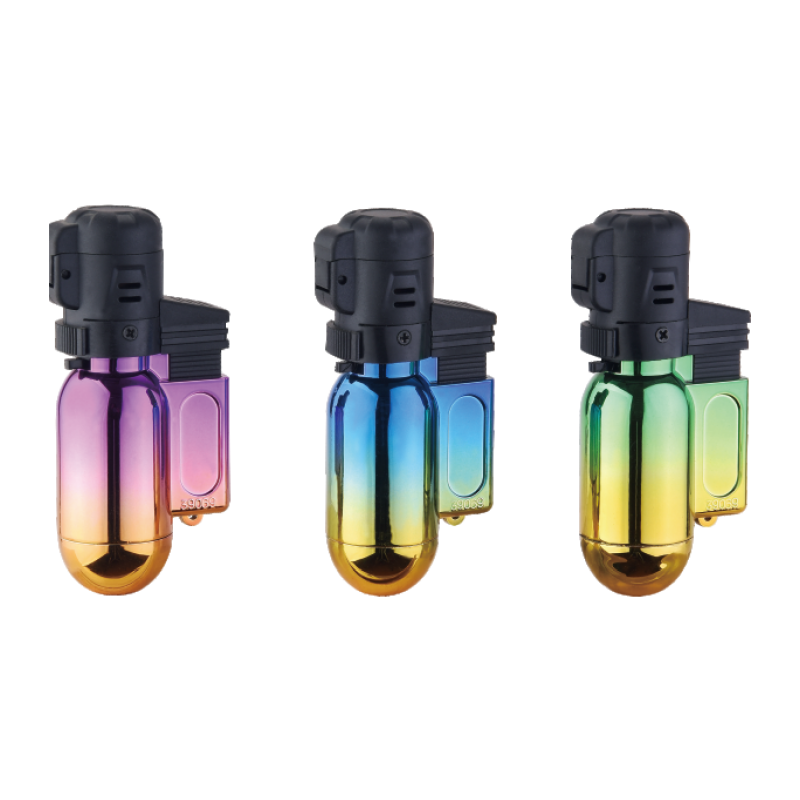
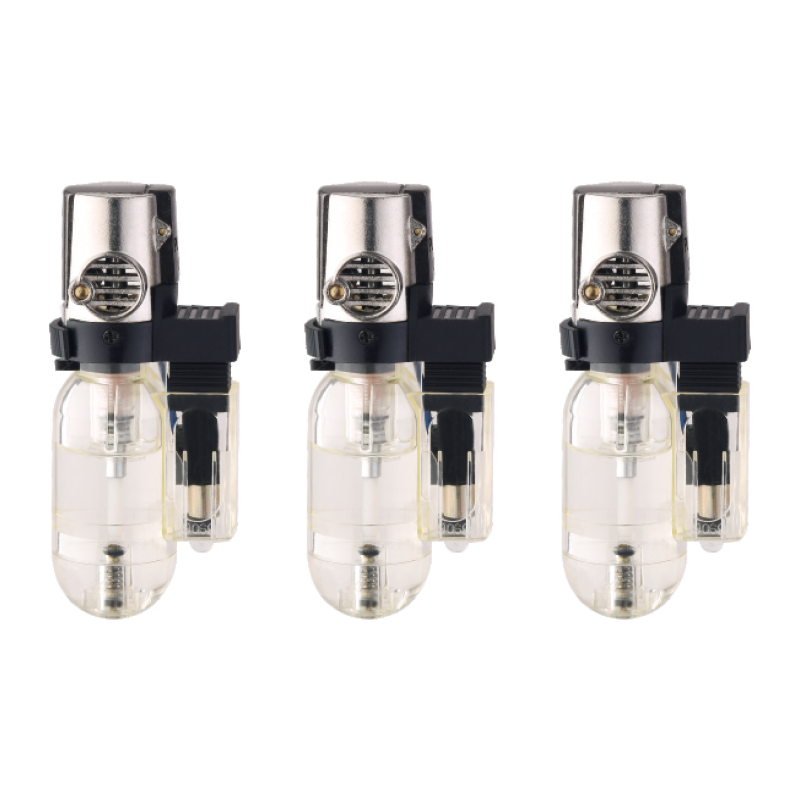
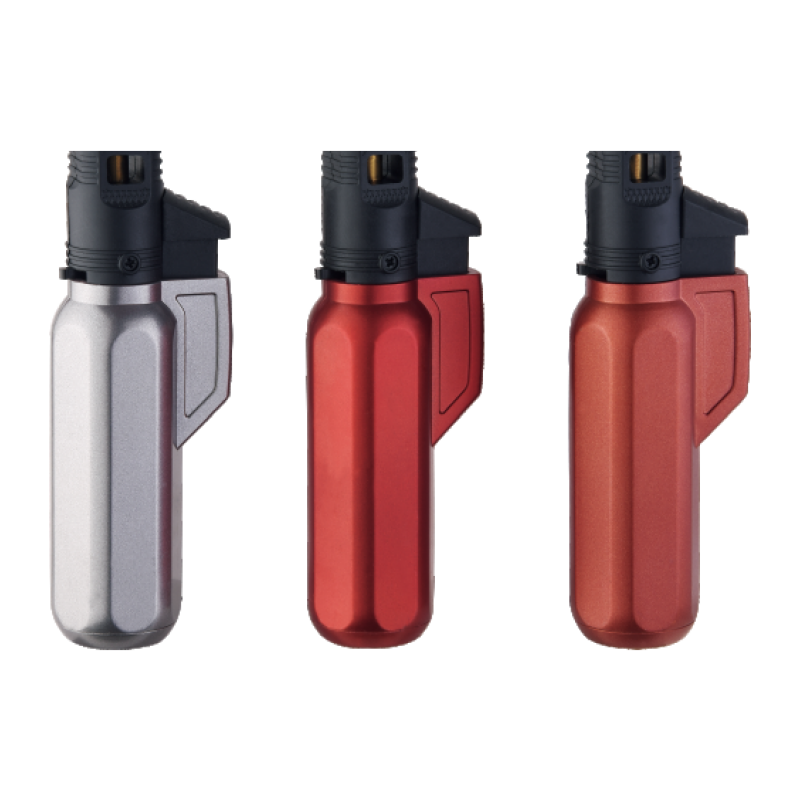
Manufacturer Direct Orders: Companies like Ningbo Shunhong Lighter Manufacture Co., Ltd. specialize in the production and trade of lighters, including torches compatible with MAPP gas. Directly ordering from manufacturers can lead to better pricing and customization options.

Online Marketplaces: Industrial supply platforms often provide bulk purchasing options, making it easier for buyers to compare prices and specifications across multiple suppliers.

Trade Shows and Industry Events: Attending relevant trade shows can provide opportunities to meet suppliers, see product demonstrations, and negotiate pricing for bulk orders.

Buyers should prepare detailed inquiries that include specifications, quantities, and any customization requirements to streamline the procurement process.

Best Practices

Implementing best practices when using MAPP gas and torches can ensure safety, efficiency, and effectiveness:

Conduct Training: Ensure that all personnel operating MAPP gas torches are adequately trained in their use, safety protocols, and emergency procedures.

Regular Maintenance: Schedule periodic inspections and maintenance for torches and gas cylinders. This includes checking for leaks, cleaning nozzles, and replacing worn components to ensure optimal performance.

Safety Gear: Always use appropriate safety gear, including goggles, gloves, and protective clothing, to minimize risks during operation.

Proper Ventilation: Work in a well-ventilated area to prevent the buildup of harmful gases and ensure a safe working environment.

Emergency Preparedness: Establish and communicate an emergency response plan for handling accidents related to gas leaks or fire incidents.

By adhering to these best practices, users can enhance safety and maximize the efficiency of their MAPP gas and torch applications.

Comparing Different MAPP Gas Options for Industrial Use

When selecting MAPP gas for industrial applications, it is crucial to compare different options based on key factors:

Purity Levels: Higher purity grades of MAPP gas can offer better performance in specialized applications. Buyers should confirm the purity levels with suppliers, as impurities can affect flame quality.

Compatibility with Equipment: Ensure that the selected MAPP gas is compatible with existing torch equipment. Some torches may be designed specifically for certain gas types.

Packaging and Delivery Options: Consider how the gas is packaged and the delivery methods available. Bulk orders may come in larger cylinders or smaller canisters, which can impact storage and handling.

Cost Factors: Compare pricing among suppliers, taking into account not only the unit price but also potential shipping costs and any minimum order quantities (MOQs).

Supplier Reputation: Assess the reputation of the supplier based on customer reviews, industry experience, and compliance with safety standards.

By carefully comparing these factors, buyers can make informed decisions that align with their operational needs and budget constraints.

Understanding the intricacies of MAPP gas and torches empowers B2B buyers to make informed purchasing decisions, ultimately leading to improved operational efficiency and safety in their industrial applications.

Understanding the Technical Specifications of MAPP Gas and Torches

MAPP gas, an acronym for Methyl Acetylene-Propadiene, is a fuel gas that burns hotter than propane, making it suitable for tasks requiring higher temperatures, such as brazing and soldering. When evaluating MAPP gas and torches, buyers should consider several technical specifications:

Heat Output: Measured in BTUs (British Thermal Units), the heat output indicates the torch's capability. MAPP gas typically produces around 2,000 to 3,000 BTUs, making it effective for heavy-duty applications.

Flame Temperature: The flame temperature of MAPP gas can reach up to 3,730°F (2,054°C), significantly higher than standard propane, allowing for faster melting and joining of metals.

Nozzle Design: Different nozzle designs affect flame concentration and size, which influences the precision and control during applications. A wider nozzle may be suitable for broader heating, while a narrower nozzle is better for detailed work. For instance, using a Turbo Flame torch can provide enhanced performance for specific applications.

Material Compatibility: The torch's construction materials, often brass or aluminum, must withstand high temperatures without deforming or leaking. Buyers should verify that the torch meets the required standards for durability.

Understanding these specifications helps ensure that the MAPP gas and torches selected are appropriate for the intended industrial applications, reducing the likelihood of operational issues.

Get a Free Quote

Our representative will contact you soon.
Email
Mobile
Name
Company Name
Message
0/1000

Related product categories