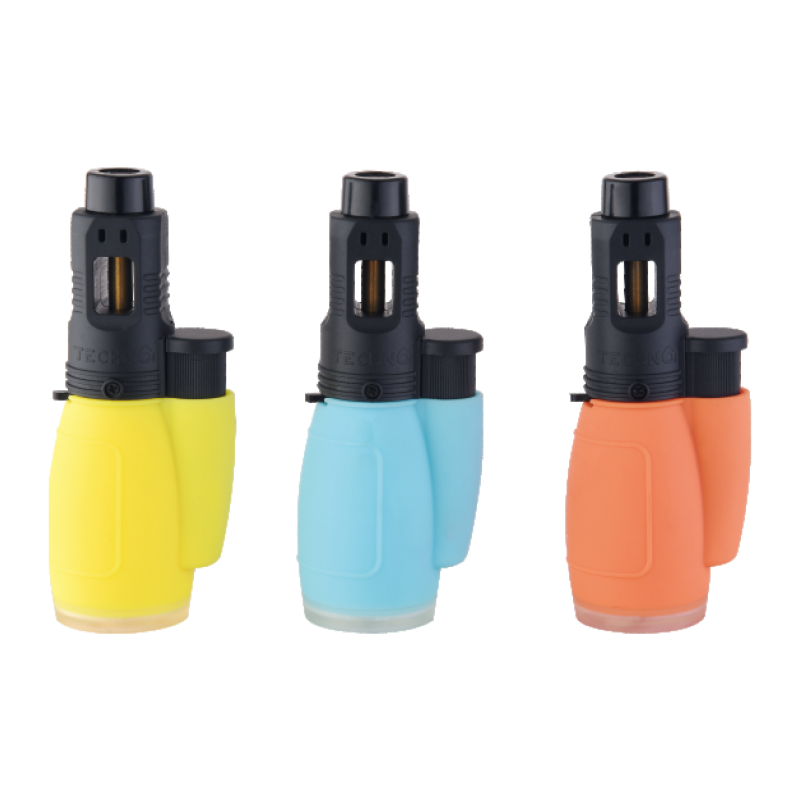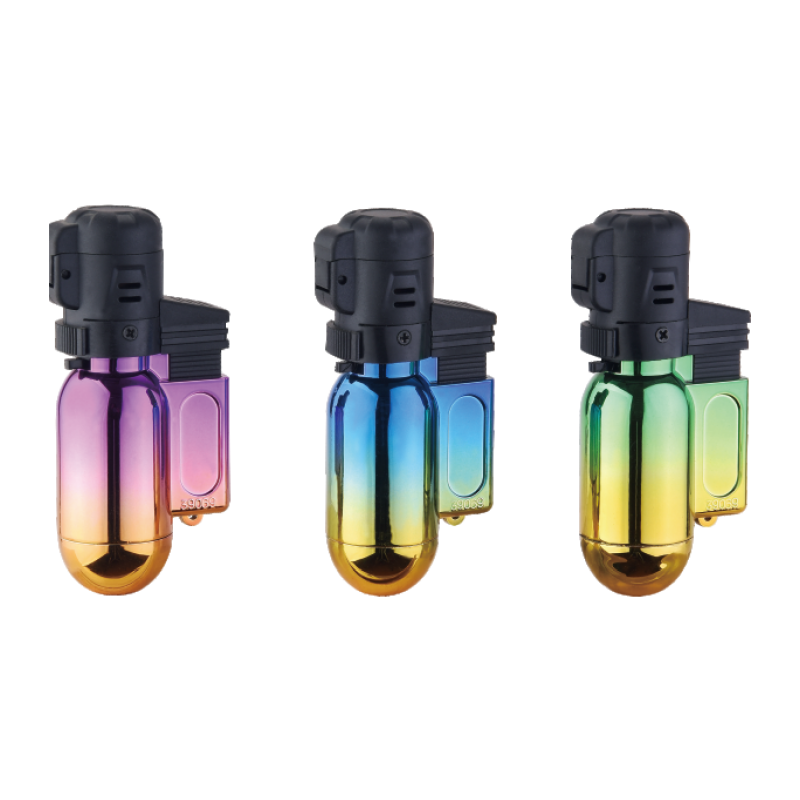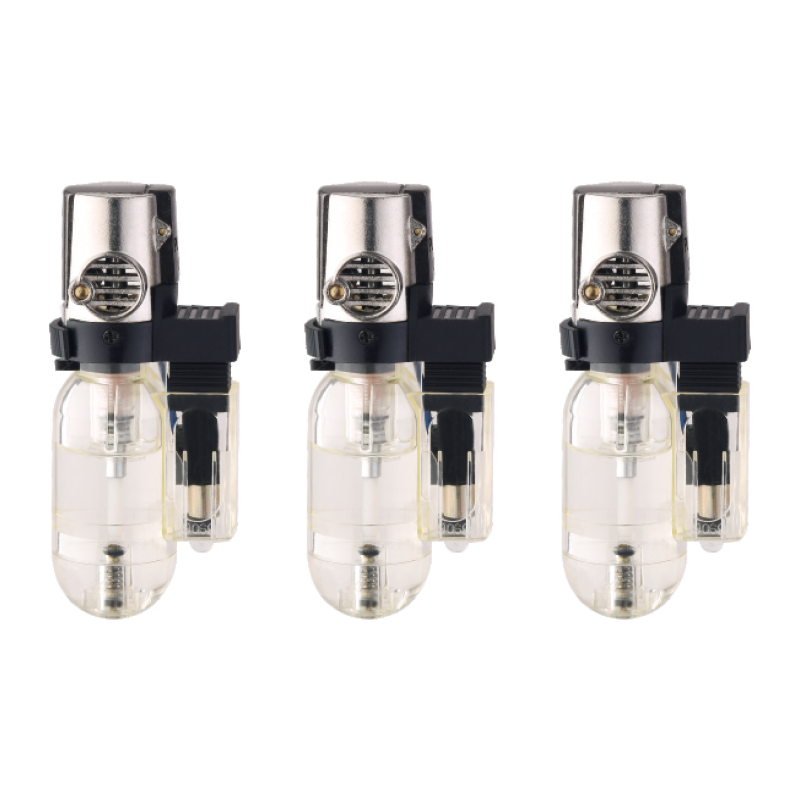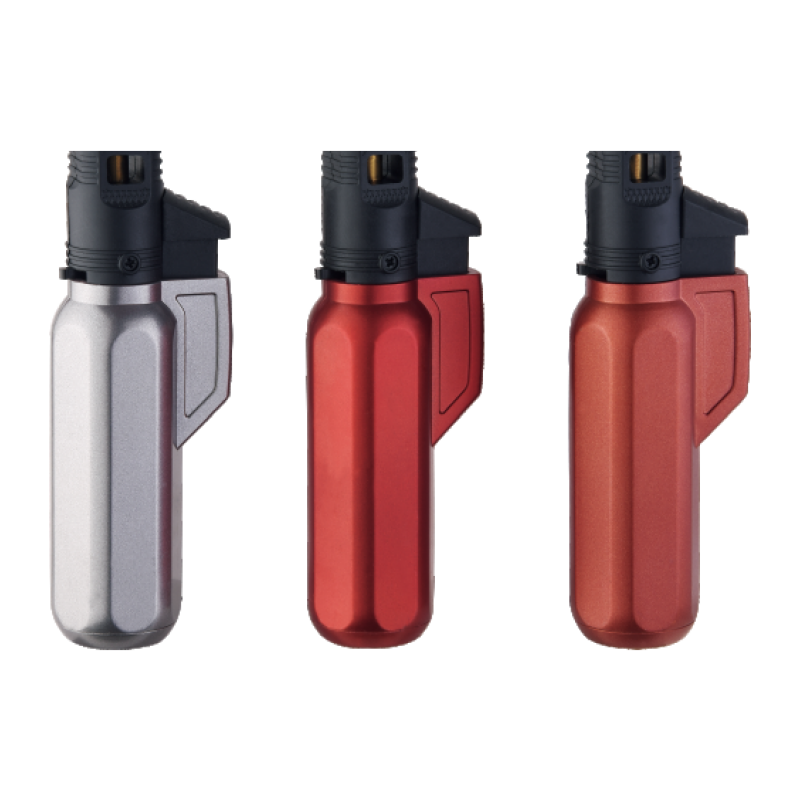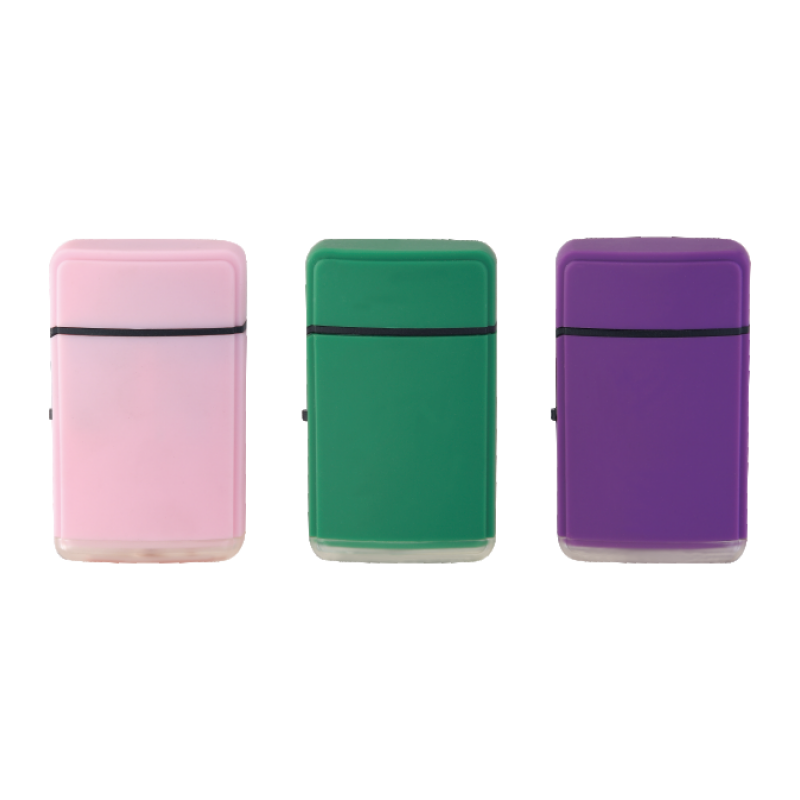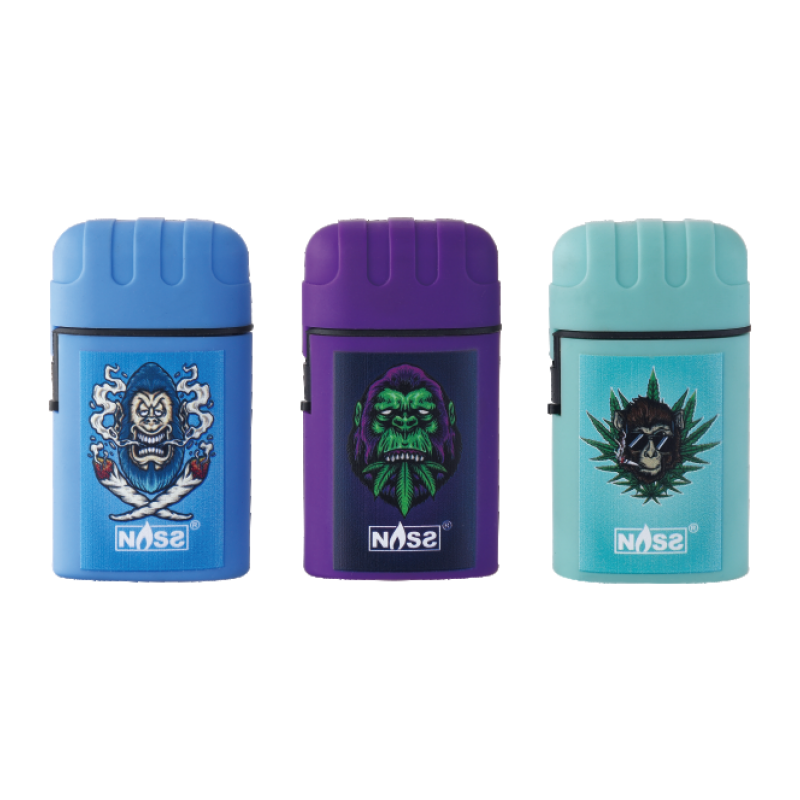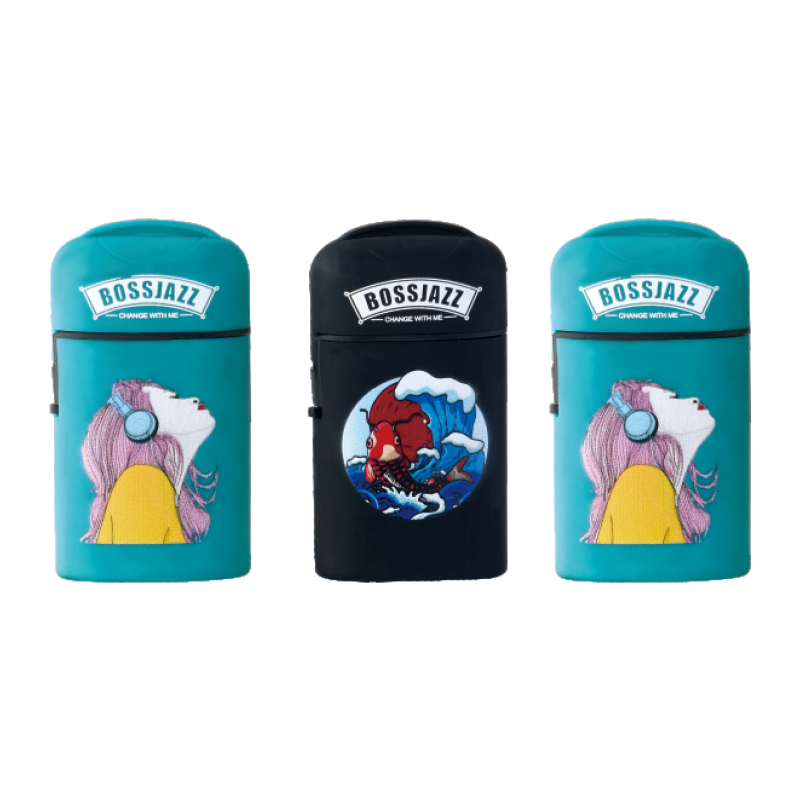
Choosing the Right Map Gas Torch for Your Needs

Contact me immediately if you encounter problems!

All Categories

map gas torch

A map gas torch is an essential tool for professionals across various industries, providing a reliable source of high-temperature flame for tasks such as soldering, heating, and brazing. For B2B buyers, selecting the right map gas torch involves understanding specifications, performance capabilities, and reliability. This article will guide you through important considerations when choosing a map gas torch, exploring supplier options, troubleshooting common issues, installation practices, and material advantages in manufacturing.
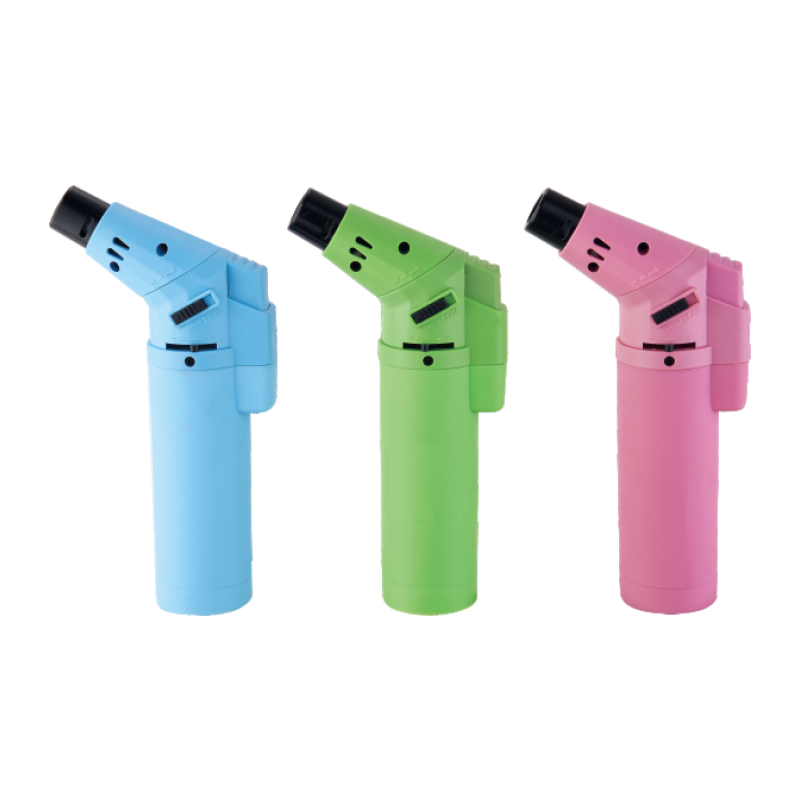
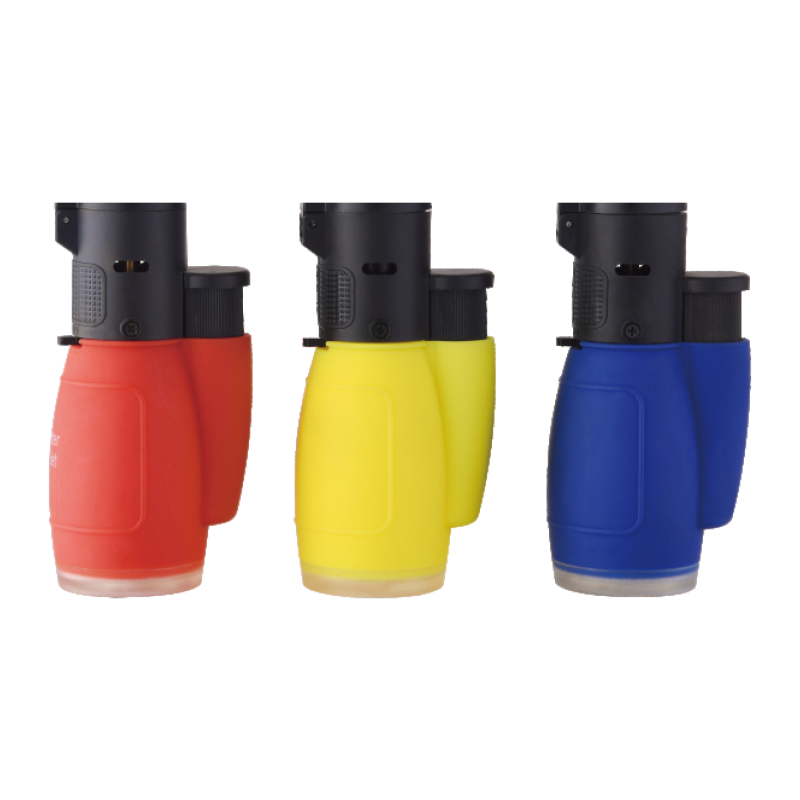
Our Products

Where to Find Reliable Suppliers for Map Gas Torches

Finding a reliable supplier for map gas torches is crucial for ensuring consistency in quality and service. Here are some strategies to identify trustworthy suppliers:

Industry Directories: Utilize industry-specific directories and trade associations to find manufacturers and suppliers specializing in gas torches. These platforms often provide company reviews and ratings from other B2B buyers.

Trade Shows and Expos: Attending industry trade shows allows you to meet suppliers face-to-face, examine their products, and discuss your specific needs. This direct interaction can help you assess their expertise and reliability.

Online Research: Conduct thorough online research, focusing on customer reviews and testimonials. Look for suppliers with a proven track record in manufacturing and distributing map gas torches.

Request Samples: Before placing a bulk order, request samples to evaluate the torch's performance and suitability for your applications. Testing a sample can help you identify potential quality issues.

Certifications and Compliance: Ensure the supplier complies with relevant safety standards and holds necessary certifications. This compliance is crucial for ensuring that the products meet industry regulations and quality benchmarks.

Building a relationship with a reliable supplier can enhance your purchasing experience, ensuring you receive quality products that meet your operational requirements.

Common Problems with Map Gas Torches and Effective Solutions

Despite their reliability, map gas torches can encounter several common issues. Understanding these problems and their solutions can help maintain efficient operation:

Flame Issues: If the flame is too weak or inconsistent, it may indicate an issue with gas flow or pressure. Check the regulator for proper settings and ensure that the gas canister is sufficiently filled. Cleaning the burner nozzle can also resolve blockages.

Ignition Problems: Difficulty in igniting the torch can stem from a faulty igniter or low gas pressure. If the igniter fails to produce a spark, inspect the ignition mechanism and replace it if necessary. Additionally, ensure that the gas supply is adequate.

Fuel Leakage: A fuel leak poses safety risks and can be detected by a distinct odor. If you suspect a leak, immediately turn off the gas supply and inspect all connections. Replace any damaged hoses or fittings to prevent further issues.

Overheating: Prolonged use without breaks can cause the torch to overheat, affecting performance. Implementing scheduled breaks during operation can prevent overheating and extend the torch's lifespan.

By being aware of these common problems and their solutions, users can maintain the efficiency and safety of their map gas torches.

Installation Guidance for Map Gas Torches in Various Applications

Proper installation of a map gas torch is essential for safe and effective use. Here are some guidelines to follow during installation:

Read the Manufacturer’s Instructions: Always refer to the manufacturer's installation manual for specific guidelines pertinent to the torch model. This documentation often includes crucial safety and setup information.

Secure Connections: Ensure all gas connections are tight and secure to prevent leaks. Use appropriate sealing materials where necessary, and double-check fittings to ensure they are correctly aligned.

Ventilation Requirements: Install the torch in a well-ventilated area to prevent the accumulation of gas fumes. Adequate ventilation reduces the risk of inhalation hazards and enhances overall safety.

Safety Equipment: Use appropriate personal protective equipment (PPE) during installation, including gloves and goggles, to protect against potential hazards.

Testing Before Use: After installation, conduct a thorough leak test by applying a soapy water solution to the connections and looking for bubbles. If bubbles form, there is a leak that needs to be addressed before using the torch.

By following these installation guidelines, users can ensure that their map gas torches are set up safely and effectively for various applications.

Understanding Material Advantages in Map Gas Torch Manufacturing

The materials used in the manufacturing of map gas torches significantly influence their performance, durability, and safety. Here are some common materials and their advantages:

Brass: Often used for fittings and valves, brass offers excellent corrosion resistance and durability. Its ability to withstand high temperatures makes it ideal for components exposed to flame or heat.

Aluminum: Lightweight and resistant to corrosion, aluminum is commonly used in the body of the torch. Its low weight enhances portability, making it easier for users to handle the torch during prolonged use.

Stainless Steel: For parts that require additional strength and heat resistance, stainless steel is a preferred choice. It provides robustness and is less likely to warp or degrade over time compared to other materials.

Thermoplastic Polymers: Some torches incorporate thermoplastic materials for handles or grips. These materials provide an ergonomic grip while resisting heat transfer, ensuring user comfort and safety.

Understanding the materials in your map gas torch can help you make informed decisions about its suitability for specific applications. Selecting a torch made from high-quality materials can enhance performance and extend its operational lifespan.

How to Choose the Right Map Gas Torch for Your Projects

When selecting a map gas torch, buyers should consider several key factors:

Flame Temperature: Map gas torches can produce flames reaching temperatures around 3,600°F (1,982°C). This high temperature is ideal for tasks requiring intense heat, such as metalworking or glassblowing. Ensure the torch's flame temperature meets the specific requirements of your projects.

Burner Size and Type: The burner size affects the heat output and precision of the flame. Larger burners are suitable for broader applications, while smaller ones provide more control for detailed work. Choose a burner type based on the specific tasks you plan to perform. For instance, a Turbo Flame torch might be ideal for high-intensity applications.

Regulator Compatibility: Verify that the torch's regulator is compatible with the gas canisters you intend to use. Some torches come with adjustable regulators that can manage different gas pressures, enhancing versatility.

Safety Features: Look for torches equipped with safety features such as flame guards, automatic shut-off valves, and ergonomic designs to minimize the risk of accidents during operation.

Durability and Build Quality: The construction material of the torch impacts its longevity and performance. Consider options made of high-quality metals that can withstand high temperatures and resist wear and tear. For example, choosing a torch with a Normal Flame setting can also help prolong the life of the tool.

By considering these factors, you can select a map gas torch that effectively meets your project's demands, ensuring optimal performance and safety.

Get a Free Quote

Our representative will contact you soon.
Email
Mobile
Name
Company Name
Message
0/1000

Related product categories