 EN

Gas torches are specialized tools designed for various heating applications, commonly utilized in industries ranging from manufacturing to construction. For B2B buyers—such as purchasing managers, distributors, and engineers—understanding the nuances of gas torches is vital for making informed purchasing decisions. This article will explore essential considerations when sourcing gas torches, including quality standards, key specifications, common problems, reliable suppliers, and their applications across multiple industries.
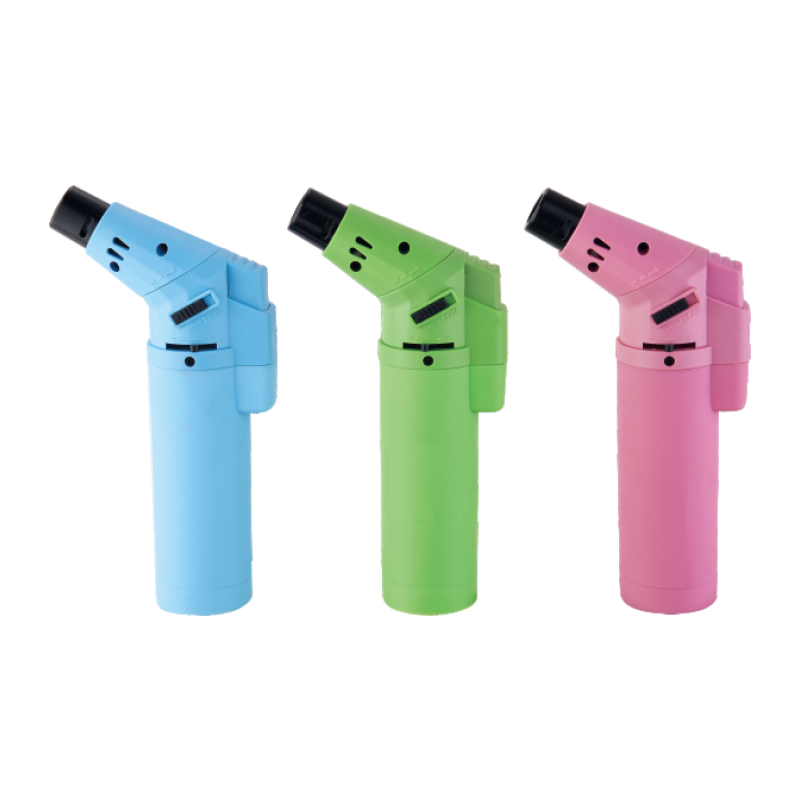
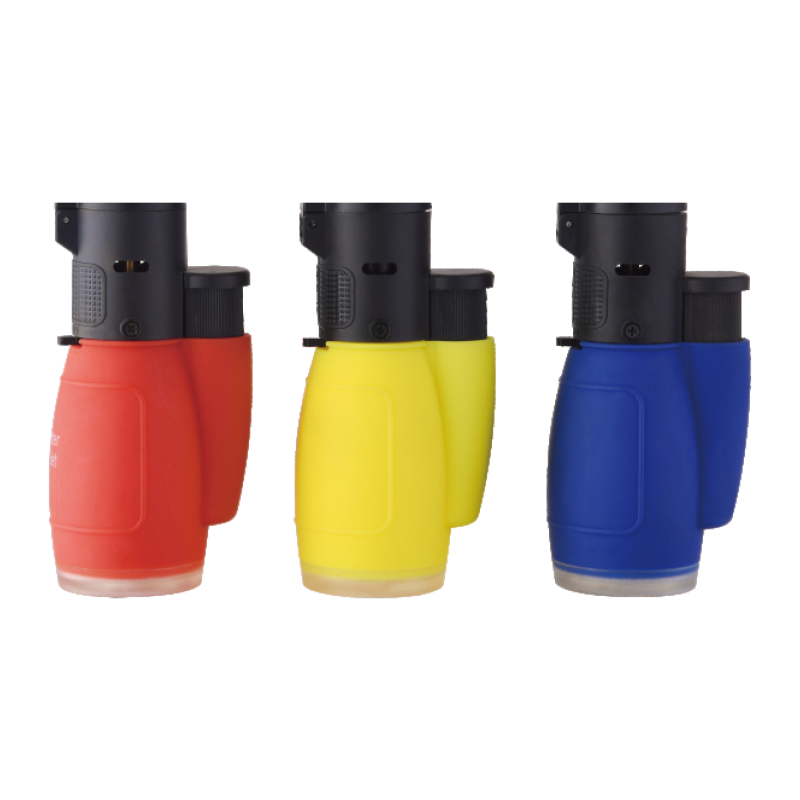
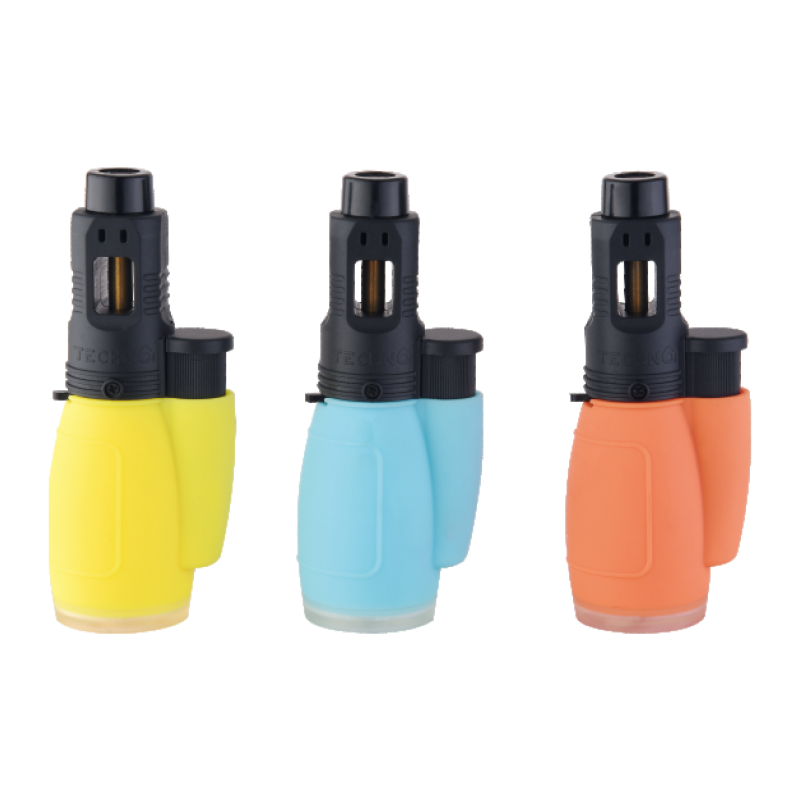
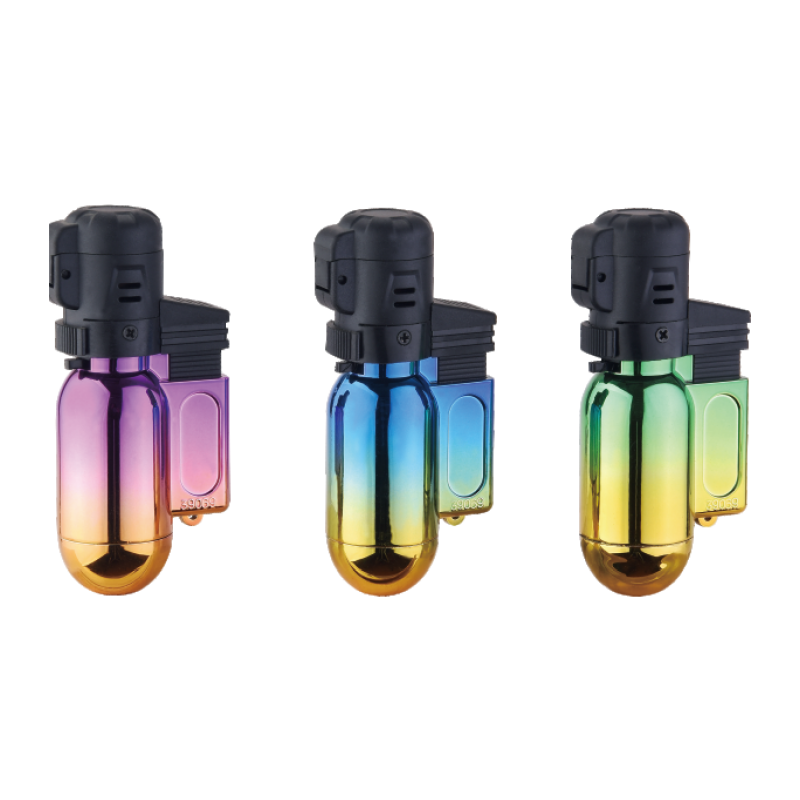
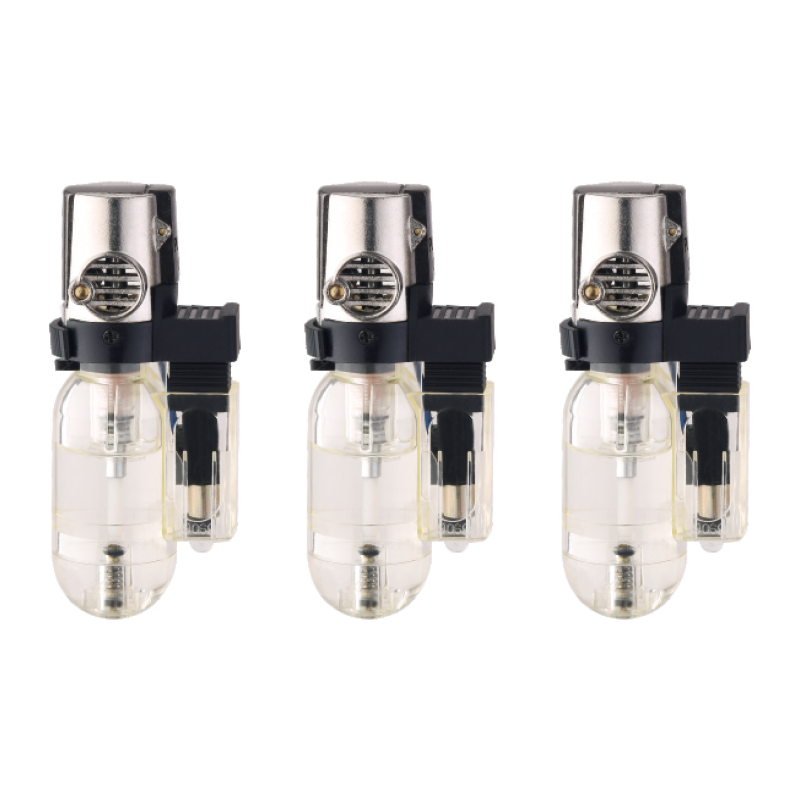
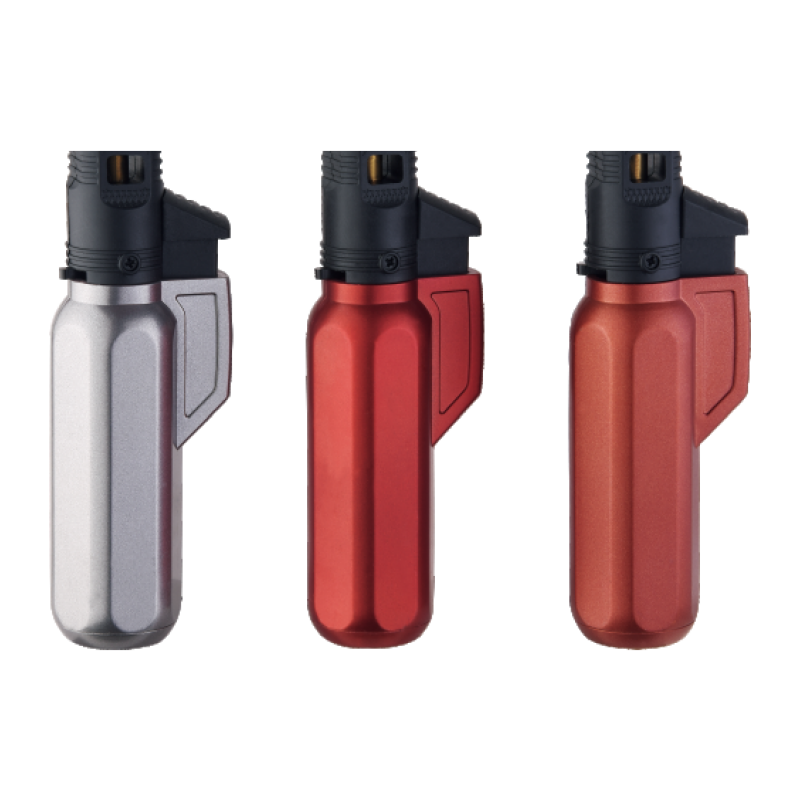
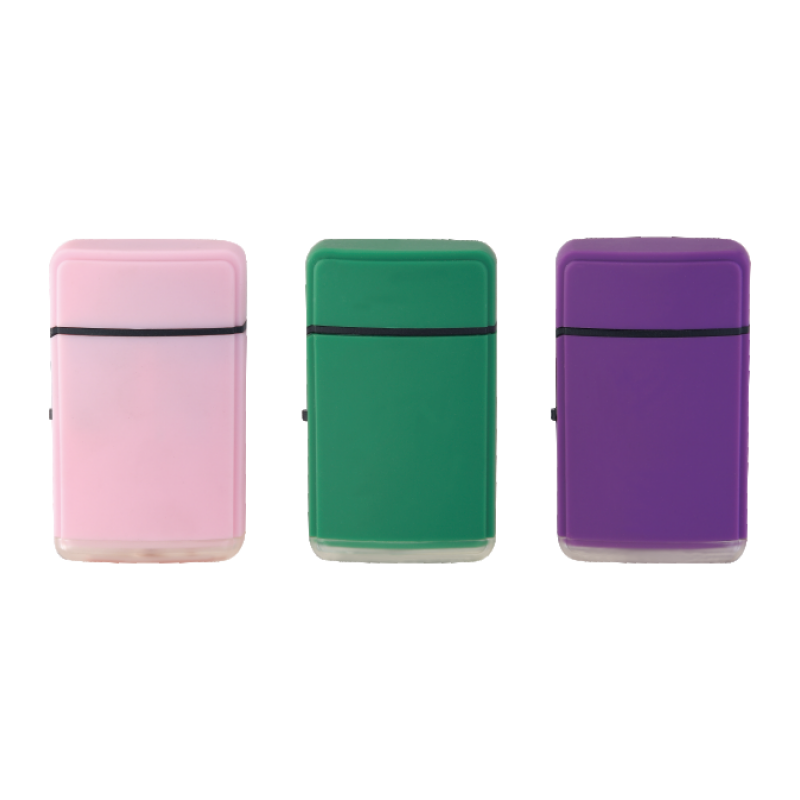
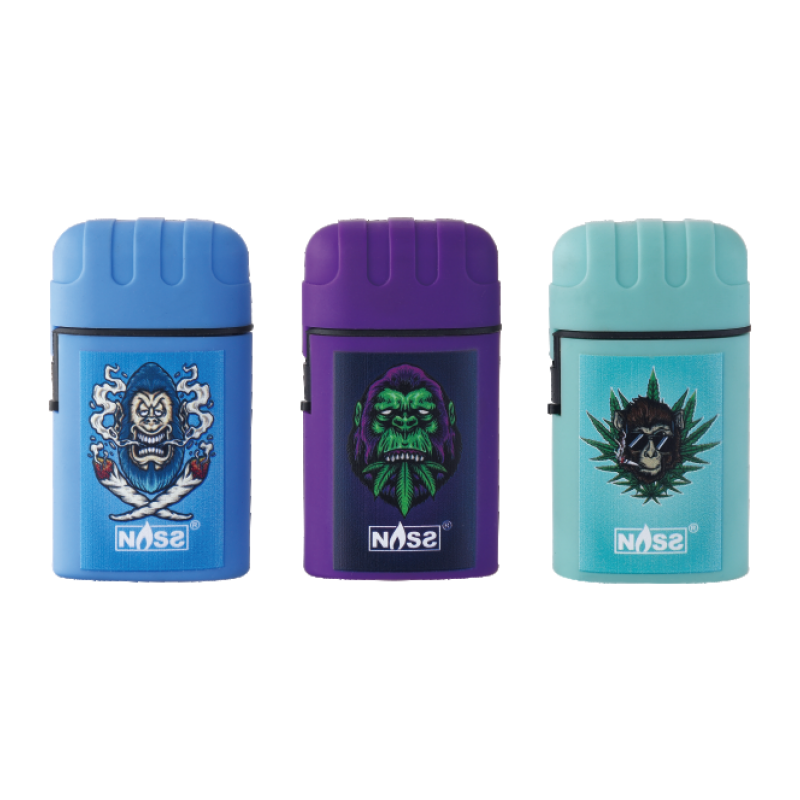
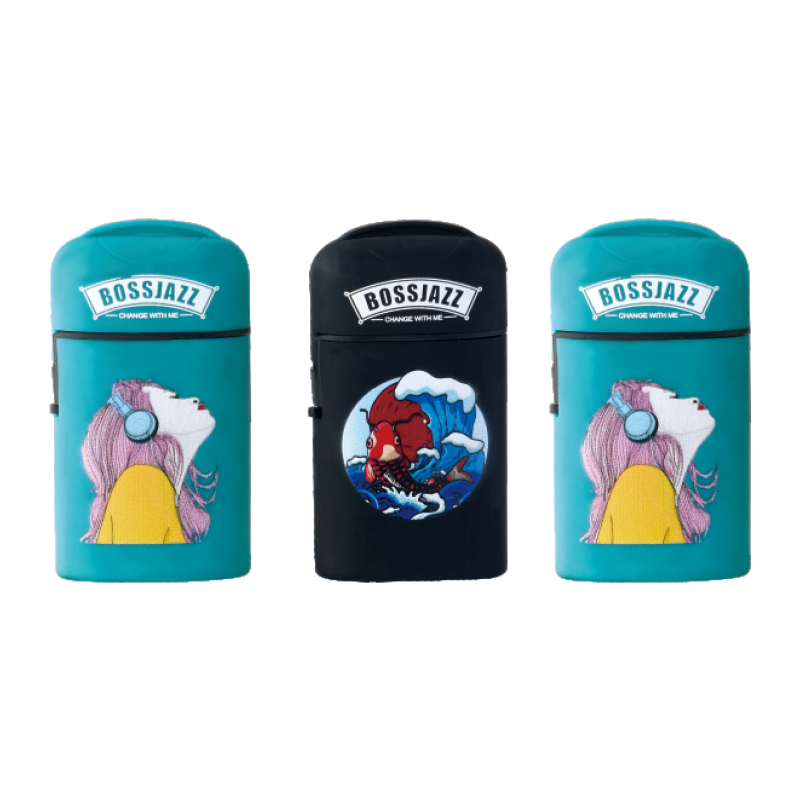
Key Specifications to Consider When Sourcing Gas Torches
Several key specifications must be considered when sourcing gas torches to ensure that they meet operational needs. Material Composition: Gas torches are typically made from durable materials like brass or stainless steel, which resist corrosion and high temperatures. Buyers should confirm the material specifications to ensure suitability for their intended applications.
Burning Temperature: The operational temperature of the torch is critical. Different applications may require different burning temperatures, so understanding the operational environment is essential.
Ignition Type: Gas torches may feature manual or automatic ignition systems. Depending on the user’s needs and safety preferences, this is a crucial specification to confirm.
Fuel Type Compatibility: Ensure that the gas torch is compatible with the intended fuel type, whether it's propane, butane, or another gas. This affects both performance and safety.
Nozzle Size and Shape: The torch’s nozzle design influences the flame pattern and intensity. Different applications may require different nozzle configurations. For example, a Jet Flame design may be ideal for tasks requiring precision.
By confirming these specifications prior to ordering, buyers can prevent issues related to performance, safety, or compatibility.