Choosing the Right Blowtorch Gas for Your Projects

Contact me immediately if you encounter problems!

All Categories

blowtorch gas

Choosing the right blowtorch gas is crucial for ensuring optimal performance in various applications, from industrial manufacturing to DIY projects. With several types of blowtorch gas available, buyers often have concerns regarding compatibility, efficiency, and safety. This article will provide insights into how to select the appropriate blowtorch gas for your needs, covering essential specifications, quality considerations, installation guidance, and common issues that may arise during use.
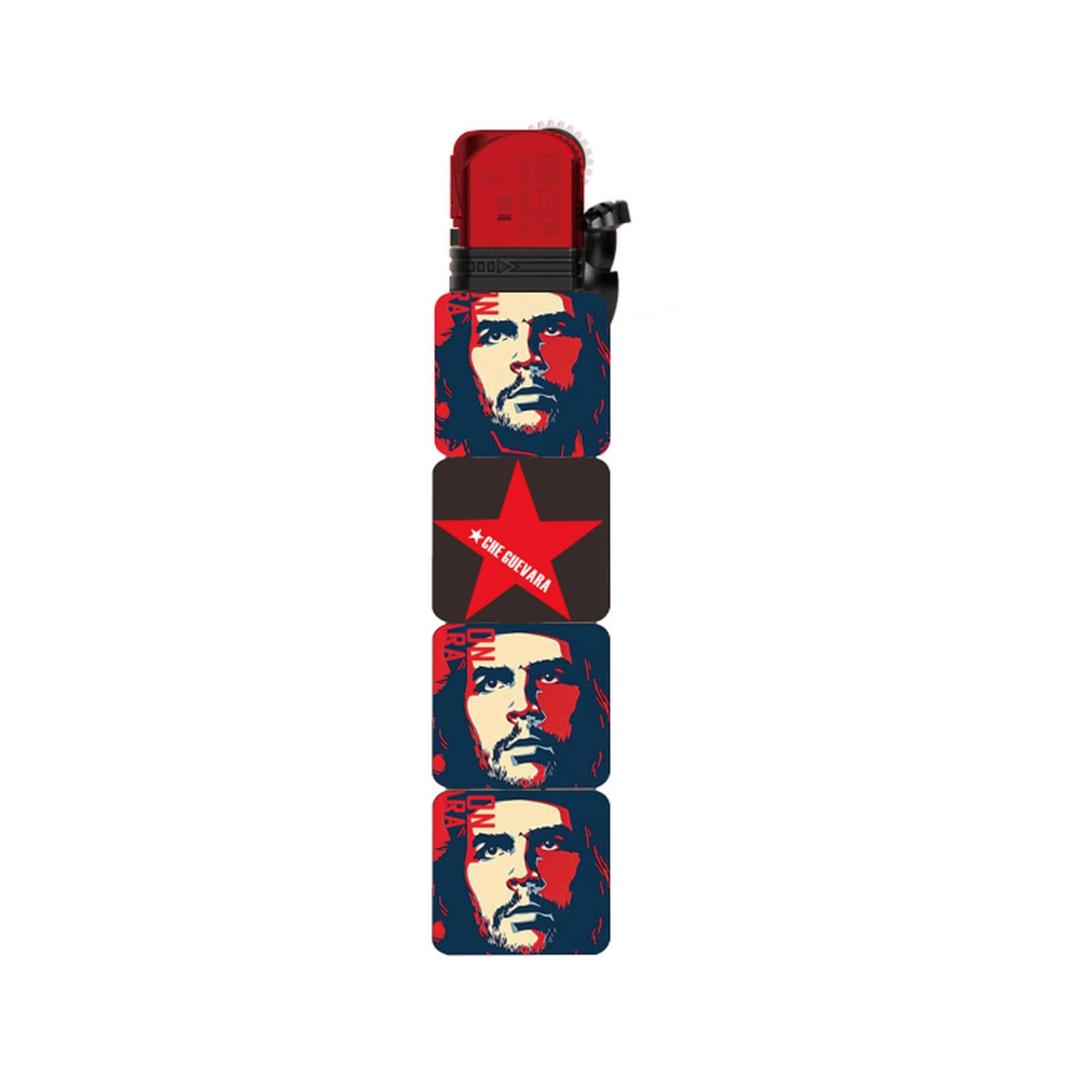
Our Products

Top Specifications to Consider When Sourcing Blowtorch Gas

Several key specifications should be evaluated when sourcing blowtorch gas. These include:

Flame Temperature: This is critical for determining the gas's suitability for your application. For instance, propane typically burns at around 3,600°F (1,982°C), whereas MAP gas can reach temperatures of approximately 3,730°F (2,054°C). Choosing a gas with a flame temperature that meets or exceeds your project requirements is essential.

Gas Composition: Understanding the chemical composition of the gas is important for safety and efficiency. For instance, the presence of impurities can affect combustion efficiency and produce harmful byproducts.

Pressure Ratings: Each gas type operates effectively at certain pressure levels. Ensure that your blowtorch is designed to handle the gas's pressure specifications to avoid any hazards during use.

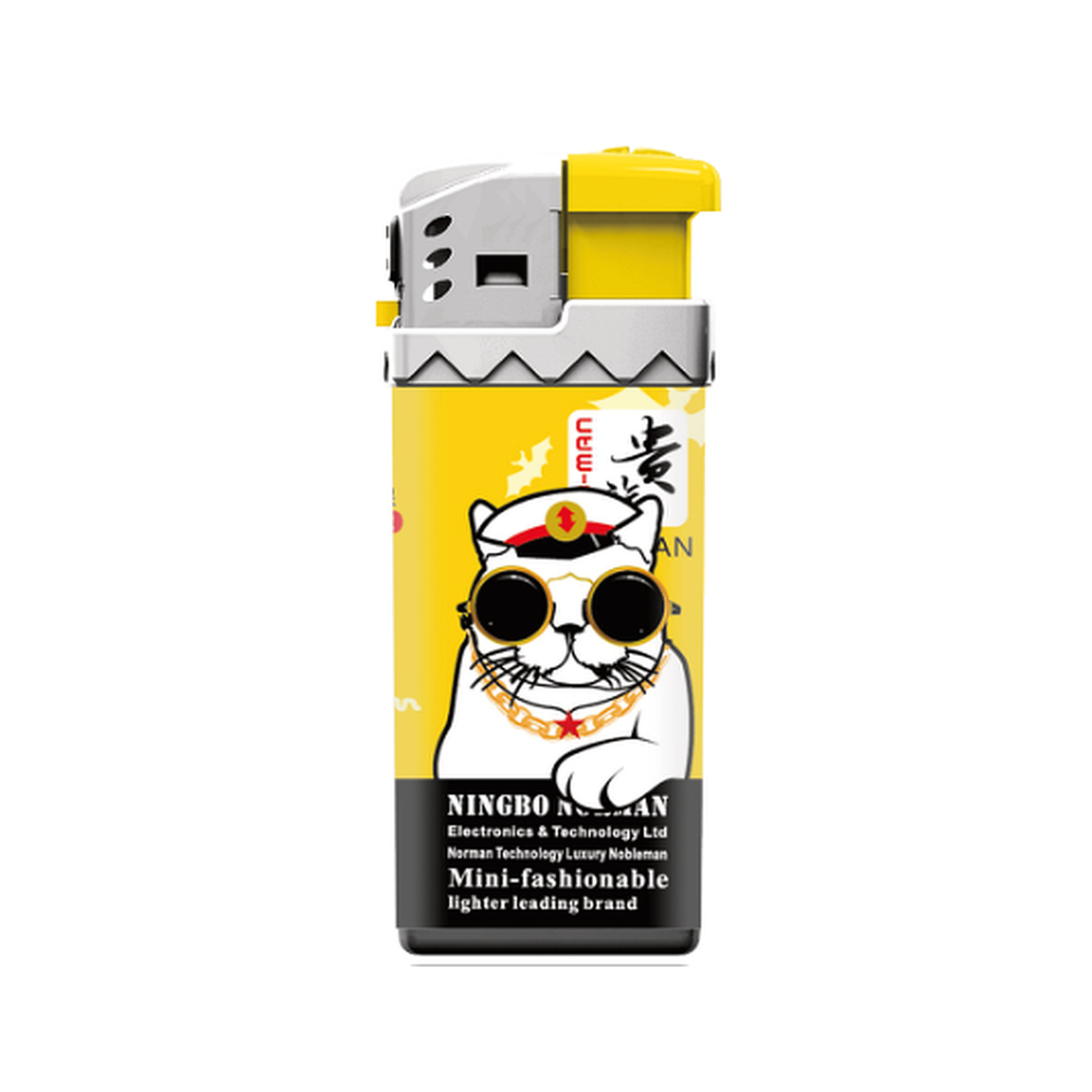
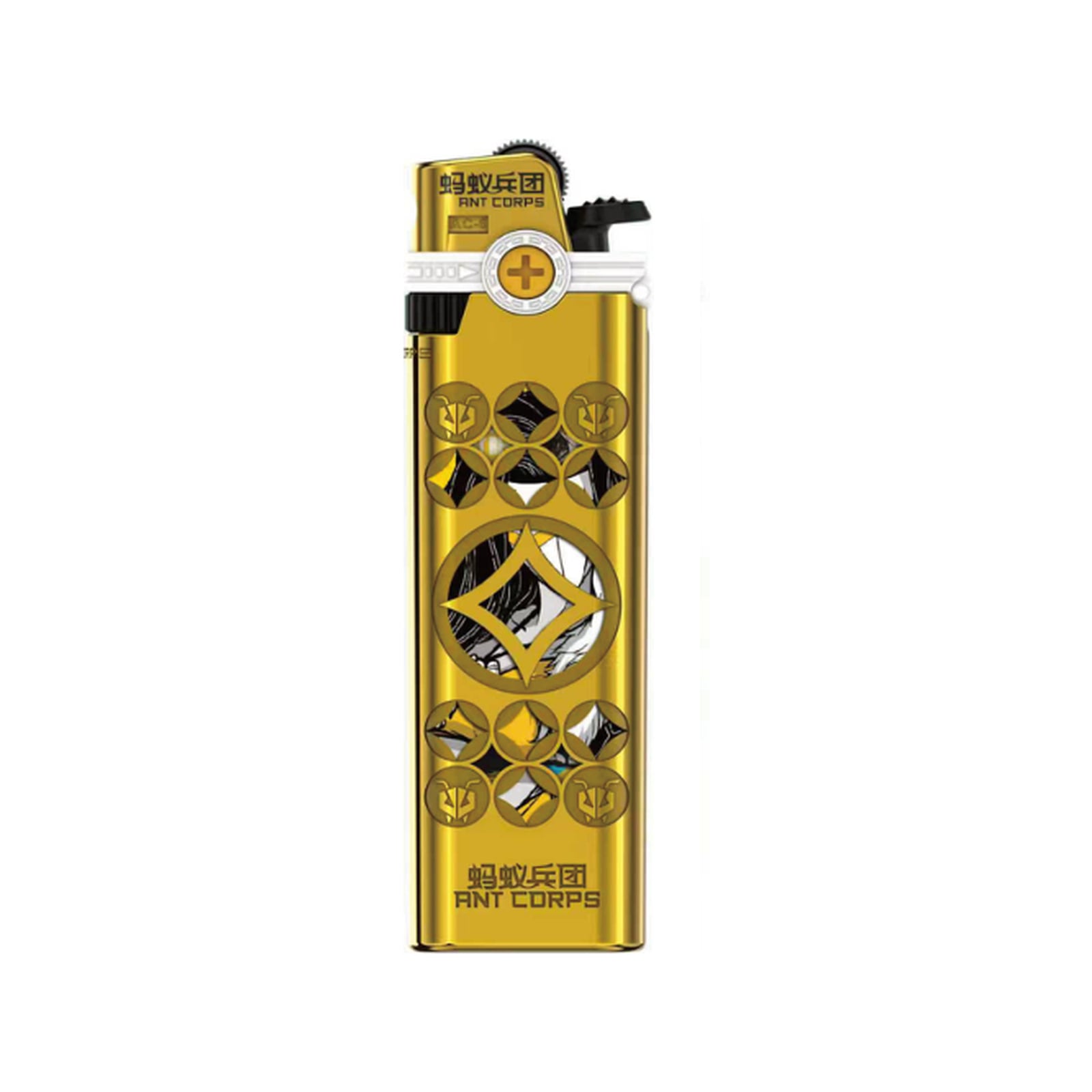
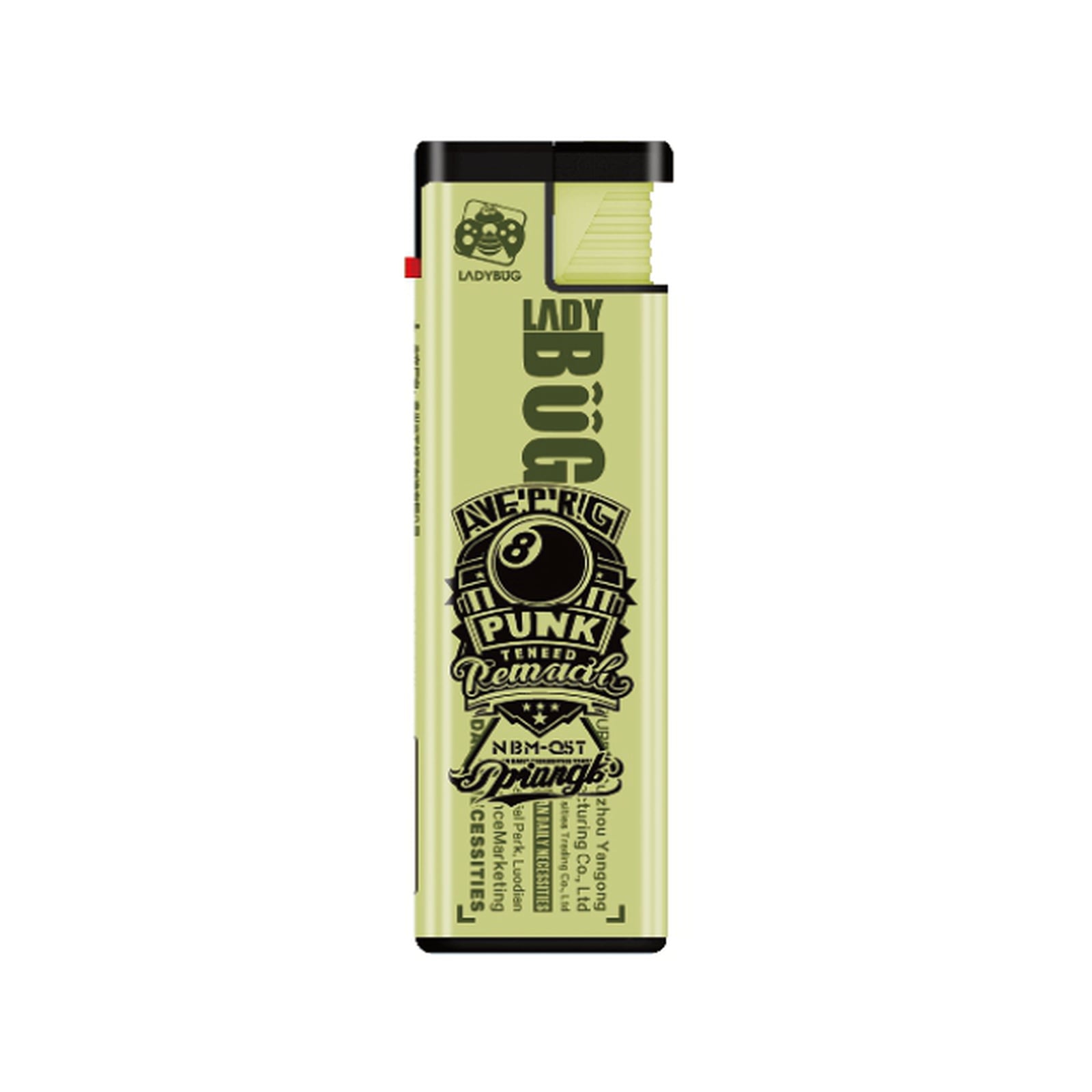
Storage and Handling: The gas's packaging and storage requirements can impact safety and usability. Ensure that the gas cylinders are compatible with your equipment and follow all handling guidelines. If you're considering stylish options, the Q6T Refillable Butane Gas Lighter might be a great choice.

Evaluating these specifications will help buyers make informed decisions, ensuring that the selected blowtorch gas meets the necessary performance criteria for their specific applications.

Quality and Cost Factors to Evaluate

When sourcing blowtorch gas, both quality and cost are significant considerations. Higher-quality gases often provide more efficient combustion, resulting in better performance and less residue buildup, which can reduce maintenance costs over time. Look for suppliers who can guarantee the purity of their gas, as contaminants can lead to inefficient burning and potential safety hazards.

Cost factors include the price per unit volume, transportation fees, and any additional costs related to storage or safety equipment. While cheaper options may seem appealing, they could lead to higher operational costs in the long run due to inefficiencies or safety violations.

To evaluate the overall value, consider the total cost of ownership, including any potential downtime or equipment repairs caused by using lower-quality gas. Requesting samples or small quantities for initial testing can also help assess quality before committing to larger orders.

Installation Guidance for Efficient Use of Blowtorch Gas

Proper installation of your blowtorch gas system is vital for safe and efficient operation. Here are some key steps to follow:

Read Manufacturer Instructions: Always start by reviewing the manufacturer's guidelines for both the blowtorch and the gas cylinder. This will provide specific instructions related to compatibility and safety.

Check for Leaks: After connecting the gas cylinder to your blowtorch, conduct a leak test using a soap solution. Apply the solution to the connections; if bubbles form, there is a leak that needs to be addressed before proceeding.

Secure Connections: Ensure that all connections are tightly secured to prevent gas from escaping. Use appropriate tools to tighten connections, but avoid overtightening, which could damage fittings.

Ventilation: Ensure adequate ventilation in the area where the torch will be used. This is particularly important for indoor applications to prevent the buildup of harmful gases.

By following these installation guidelines, users can minimize risks and ensure that their blowtorch operates effectively.

Common Problems with Blowtorch Gas and Effective Solutions

While using blowtorch gas, users may encounter several common issues. Understanding these problems and their solutions can help maintain efficiency and safety:

Inconsistent Flame: If the flame is unstable or flickering, this could indicate a problem with gas pressure or a blockage in the nozzle. Check the gas supply and clean the nozzle if necessary.

Difficulty Igniting: If the blowtorch fails to ignite, ensure that the gas is flowing properly and that the ignition source is functioning. Verify that the gas cylinder is not empty and that the connections are secure.

Excessive Residue: A buildup of soot or residue on the torch tip can result from using low-quality gas or an incorrect flame setting. Regularly clean the torch and consider switching to a higher-quality gas if this issue persists.

Gas Leaks: Always be vigilant about detecting gas leaks. Use soapy water to check connections regularly and replace any faulty connections or seals immediately.

By proactively addressing these common problems, users can enhance the longevity and performance of their blowtorch equipment, ensuring safer and more efficient operation.

In summary, selecting the right blowtorch gas requires careful consideration of project requirements, specifications, quality factors, and installation practices. By understanding these elements, buyers can make informed decisions that lead to successful outcomes in their applications.

How to Choose the Right Blowtorch Gas for Your Projects

When selecting blowtorch gas, consider the specific requirements of your project. Factors such as the type of materials being joined or cut, the required temperature, and the intended application play significant roles in determining the most suitable gas.

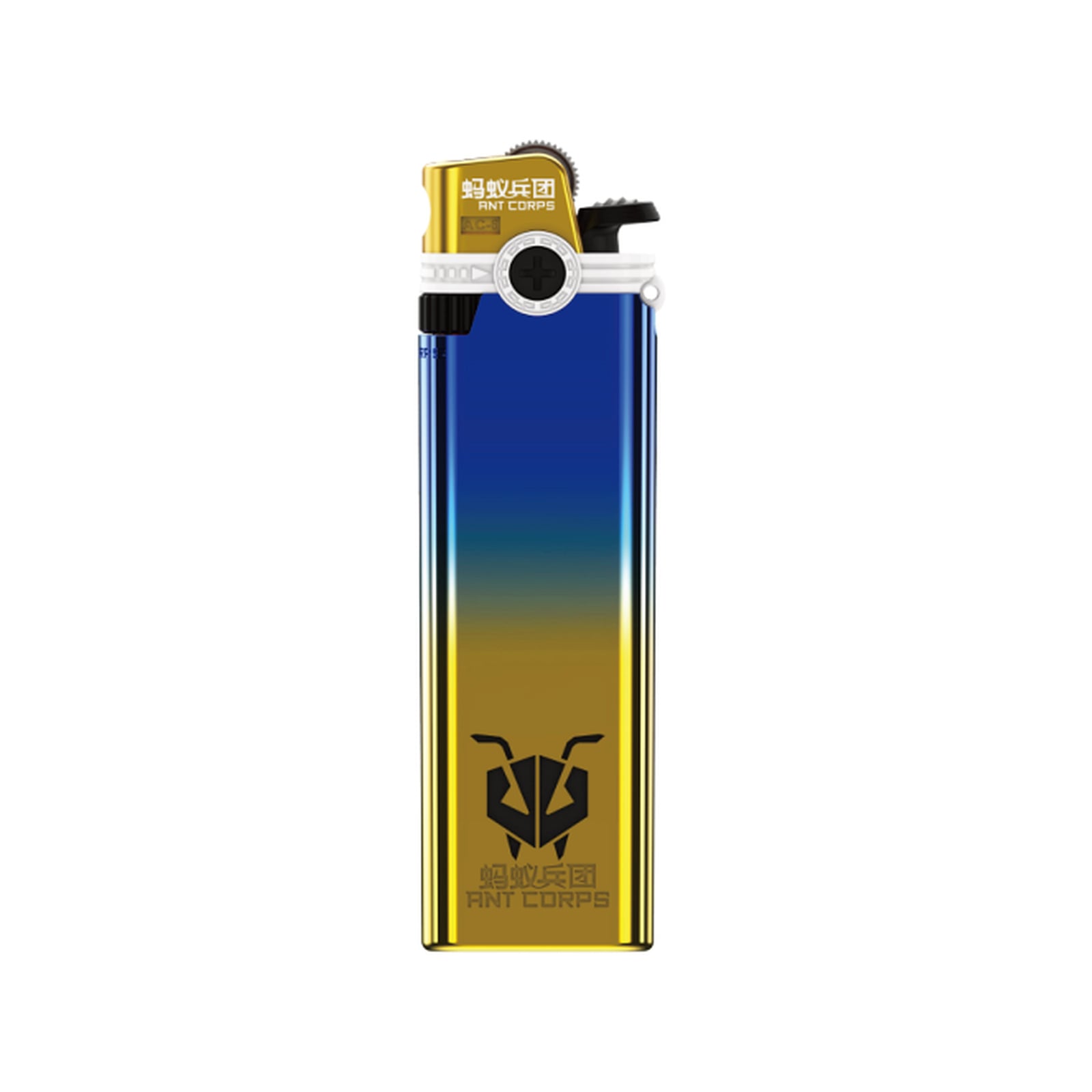
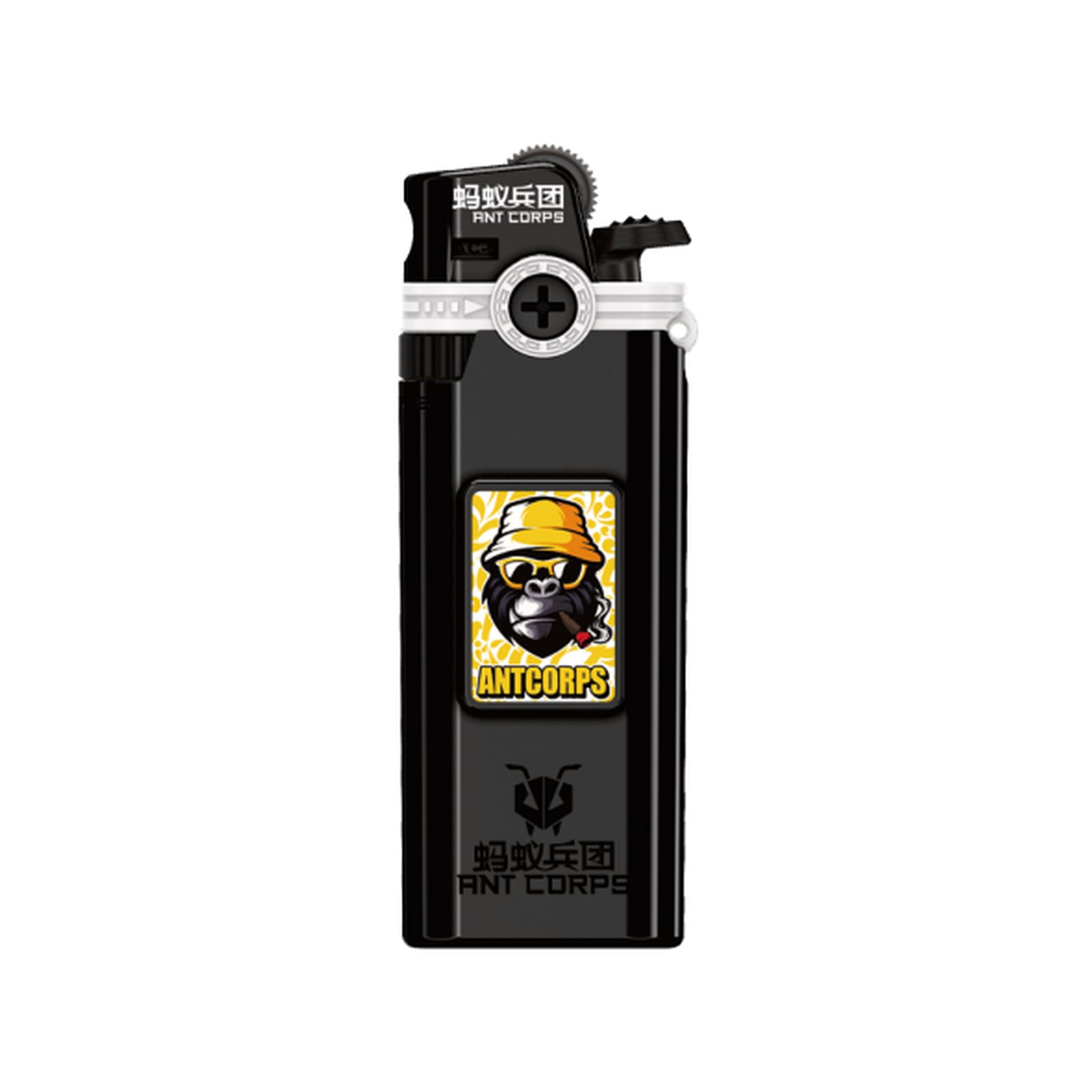
Common blowtorch gases include propane, butane, and MAP gas (methylacetylene-propadiene). Propane is versatile and commonly used for outdoor applications, while butane is often preferred for smaller, portable torches due to its lower boiling point, making it suitable for indoor use. MAP gas, with its higher temperature capabilities, is ideal for applications requiring intense heat, such as soldering or brazing. For those looking for compact options, consider the NBM-X3S Refillable Butane Gas Lighter.

To ensure compatibility, always check the manufacturer's specifications for your blowtorch. Misusing gas types can lead to inefficient operation or even damage to the equipment. Additionally, understanding the specific application—whether it's plumbing, metalwork, or culinary tasks—will guide your choice in selecting the right blowtorch gas.

Get a Free Quote

Our representative will contact you soon.
Email
Mobile
Name
Company Name
Message
0/1000

Related product categories