Choosing the Right Gas Welding Torch for Industry

Contact me immediately if you encounter problems!

All Categories

gas welding torch

A gas welding torch is a vital tool in various industrial applications, providing the means to join metal components through the application of heat. For B2B buyers, particularly purchasing managers and engineers, understanding the key specifications, quality considerations, and practical applications of gas welding torches is essential for making informed procurement decisions. This article will delve into crucial aspects of gas welding torches, helping you navigate the purchasing process effectively.
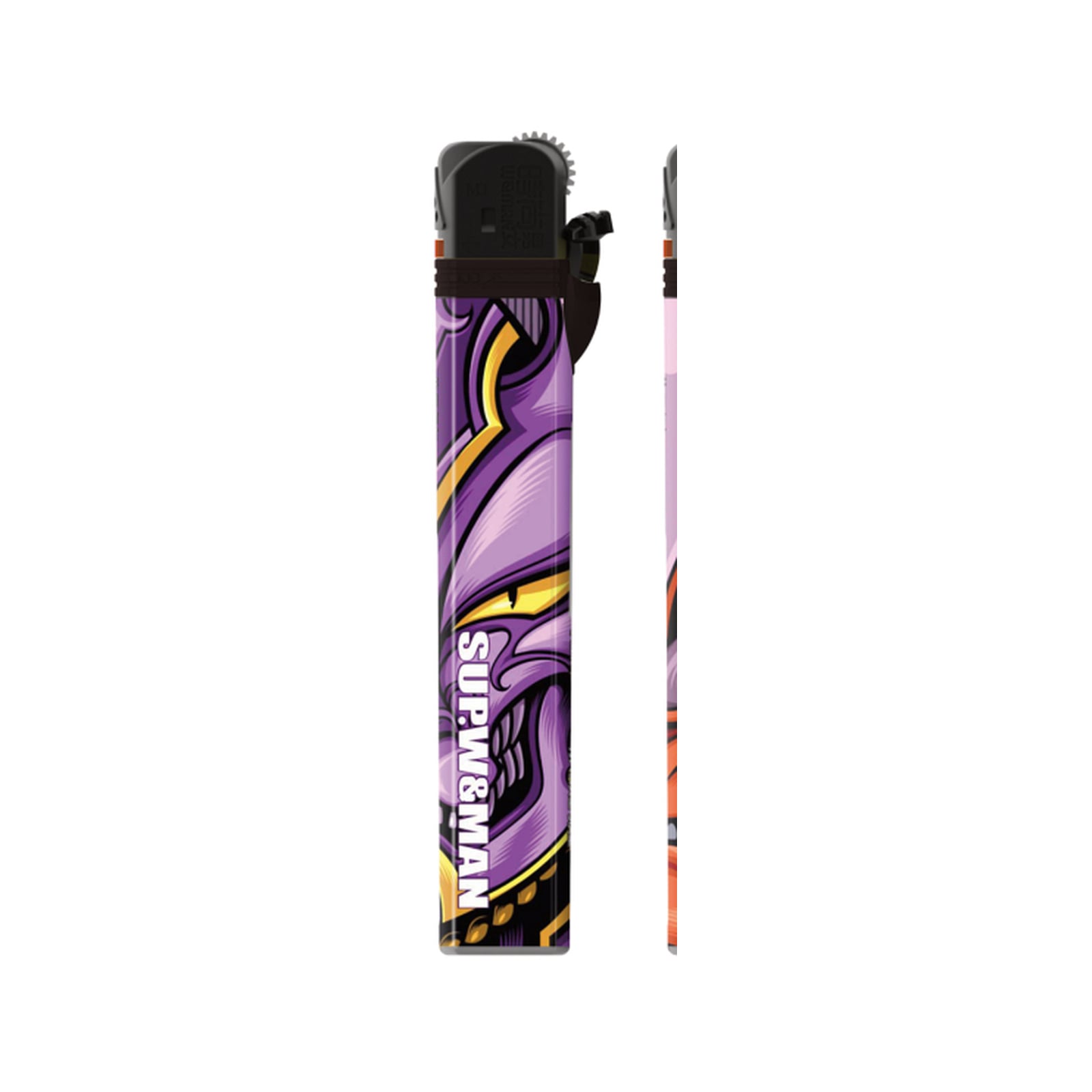
Our Products

Quality and Cost Factors

Quality and cost are intertwined when selecting a gas welding torch. Buyers should consider the following factors:

Material Quality: Higher-quality materials often lead to better performance and durability. Investing in a reliable torch made from premium materials can reduce long-term costs associated with repairs or replacements.

Manufacturer Reputation: Established manufacturers, like Ningbo Shunhong Lighter Manufacture Co., Ltd., with years of experience in the production of welding torches, often provide better quality assurance. Researching a manufacturer’s track record can provide insights into product reliability.

Certification and Compliance: Check for compliance with international standards and certifications. Products that meet stringent quality control processes are generally more trustworthy. Ensure that the torch meets safety regulations applicable in your region.

Total Cost of Ownership: Consider not only the initial purchase price but also ongoing maintenance costs, availability of replacement parts, and the expected lifespan of the torch. A more expensive torch might offer a lower total cost of ownership if it proves to be more durable and efficient.

Common Problems with Gas Welding Torches and Their Solutions

Understanding potential issues with gas welding torches can help buyers make informed choices and minimize downtime:

Clogged Nozzles: A common problem is clogging of the torch nozzle, which can disrupt the gas flow and flame quality. Regular cleaning and maintenance are essential. Users should have a simple cleaning tool on hand and follow the manufacturer's guidelines for maintenance.

Gas Leaks: Gas leaks can pose significant safety risks. Regularly inspect connections and hoses for wear or damage. Use soap and water to check for leaks; bubbles will form at the leak sites. If a leak is detected, replace the faulty components immediately.

Flame Instability: If the flame flickers or is unstable, it may indicate incorrect gas pressure or a blockage in the gas line. Ensure that the regulator is set correctly and that all gas lines are free from obstructions.

Overheating: Excessive heat can damage the torch and affect welding quality. Users should monitor the torch temperature during operation and allow it to cool down as needed. Using a torch with adjustable flame settings can help manage heat output effectively.

Understanding the Applications of Gas Welding Torches in Industry

Gas welding torches have diverse applications across various industries, making them an essential tool for many businesses:

Manufacturing: In manufacturing plants, gas welding is used for fabricating metal structures, repairing machinery, and constructing various components. The ability to weld and cut metals efficiently makes gas welding torches invaluable in production settings.

Automotive Repair: Gas welding is commonly employed in automotive repair shops for tasks such as exhaust system repairs and bodywork. The versatility of gas welding torches allows technicians to handle a variety of materials and thicknesses.

Construction: In construction, gas welding torches are used for joining metal components in structures, pipelines, and HVAC systems. Their portability makes them suitable for on-site applications.

Artisan Metalworking: Artists and craftsmen use gas welding torches for creating sculptures and custom metalwork. The fine control over flame and heat allows for intricate designs and detailed work. For such artistic applications, a Turbo Flame torch may be particularly useful.

Key Indicators

When selecting a gas welding torch, several key indicators can help guide buyers towards making the right choice:

User Reviews: Reading reviews from other professionals can provide valuable insights into the performance and reliability of specific torch models. Look for feedback on ease of use, durability, and effectiveness in various applications.

Warranty and Support: A robust warranty and responsive customer support can indicate a manufacturer’s confidence in their product. This can be especially important for B2B buyers who may need assistance during installation or operation.

Sample Approval: Before mass ordering, request a sample of the gas welding torch. Testing the sample under actual working conditions can highlight any potential issues and confirm that it meets your requirements.

Customization Options: Many manufacturers offer customization options for their torches. Inquire about available modifications to ensure the torch can meet specific application needs, including size adjustments or special nozzle configurations.

By considering these key indicators, buyers can make informed decisions that align with their operational needs and budget constraints. Understanding the specifications, quality factors, and applications of gas welding torches will help ensure a successful purchase and effective use in various industrial settings.

Top Specifications to Consider When Buying Gas Welding Torches

When evaluating gas welding torches, focus on specifications that directly impact performance and safety. Key considerations include:

Torch Type: Gas welding torches typically come in two main types: oxy-acetylene and oxy-propane. Each type has distinct applications and flame characteristics. Oxy-acetylene is ideal for welding thicker materials due to its higher heat output, while oxy-propane torches are suitable for lighter tasks and metal cutting. For specific applications, you might want to explore options like Jet Flame or Normal Flame torches.

Flame Control: The ability to adjust the flame is critical. Look for torches with adjustable flame settings, allowing users to control the heat intensity based on the material being welded. A torch with a fine-tuning feature provides flexibility for different applications, reducing the risk of damage to thinner materials.

Material and Durability: The construction of the torch body should be robust, often made from brass or aluminum. These materials provide resistance to heat and corrosion, ensuring a longer lifespan. Consider the weight of the torch as well; a lighter torch can enhance maneuverability, especially in tight spaces.

Nozzle Size and Type: Different welding tasks require different nozzle sizes. A torch with interchangeable nozzles can adapt to various applications, allowing for both precision welding and broader applications like cutting.

Safety Features: Look for torches with built-in safety features, such as flashback arrestors and pressure regulators. These components are vital for preventing dangerous situations and ensuring safe operation during welding tasks.

Get a Free Quote

Our representative will contact you soon.
Email
Mobile
Name
Company Name
Message
0/1000

Related product categories