Quality Control in Electric Barbeque Lighters

Contact me immediately if you encounter problems!

All Categories

electric barbeque lighter

Electric barbeque lighters are essential tools for both commercial and personal grilling, providing a safe and efficient means to ignite barbeque pits and grills. For B2B buyers, such as purchasing managers and distributors, concerns may revolve around quality, sourcing, cost, and installation. This article will guide you through evaluating quality control standards, finding reliable suppliers, understanding cost factors, installation guidance, and troubleshooting common issues with electric barbeque lighters.
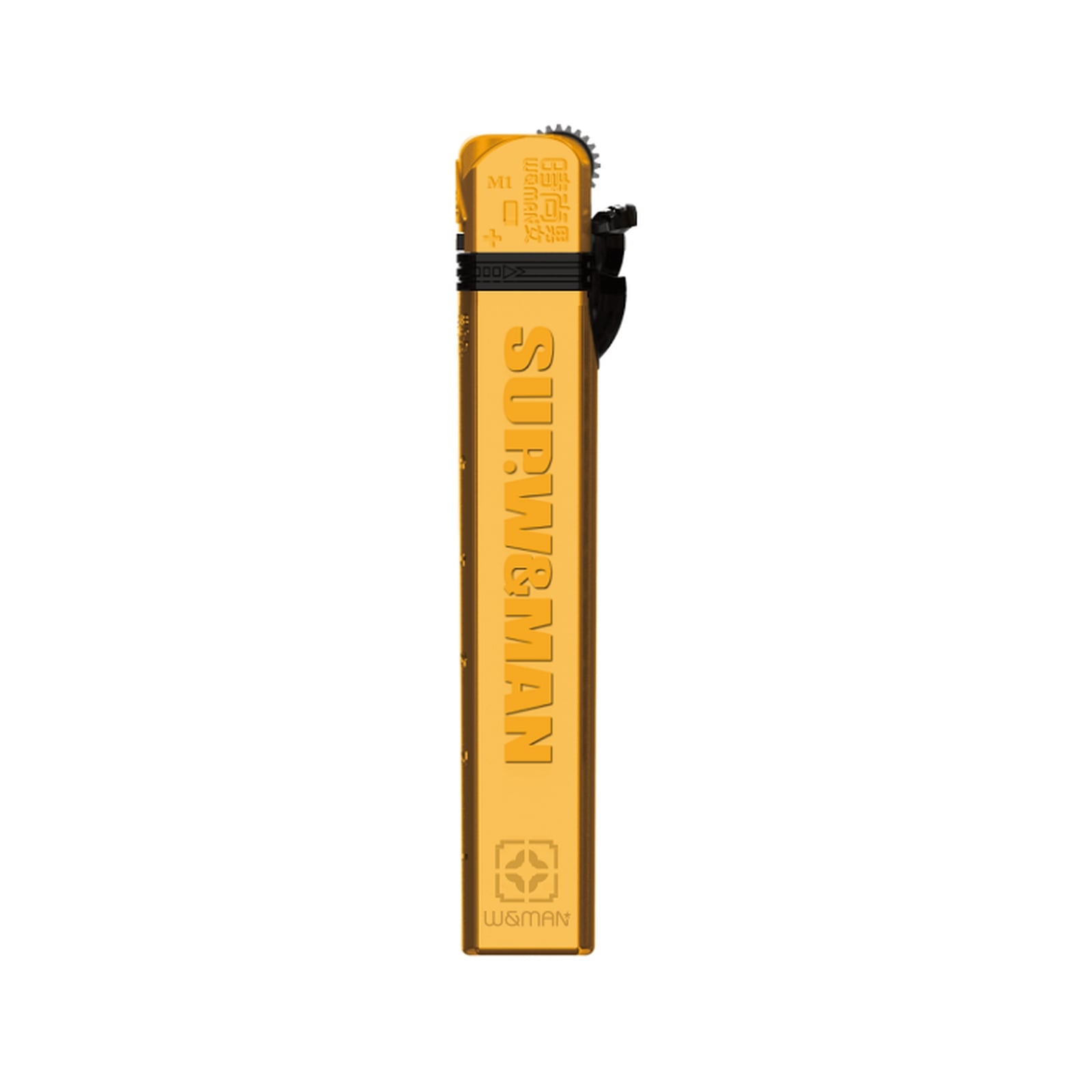
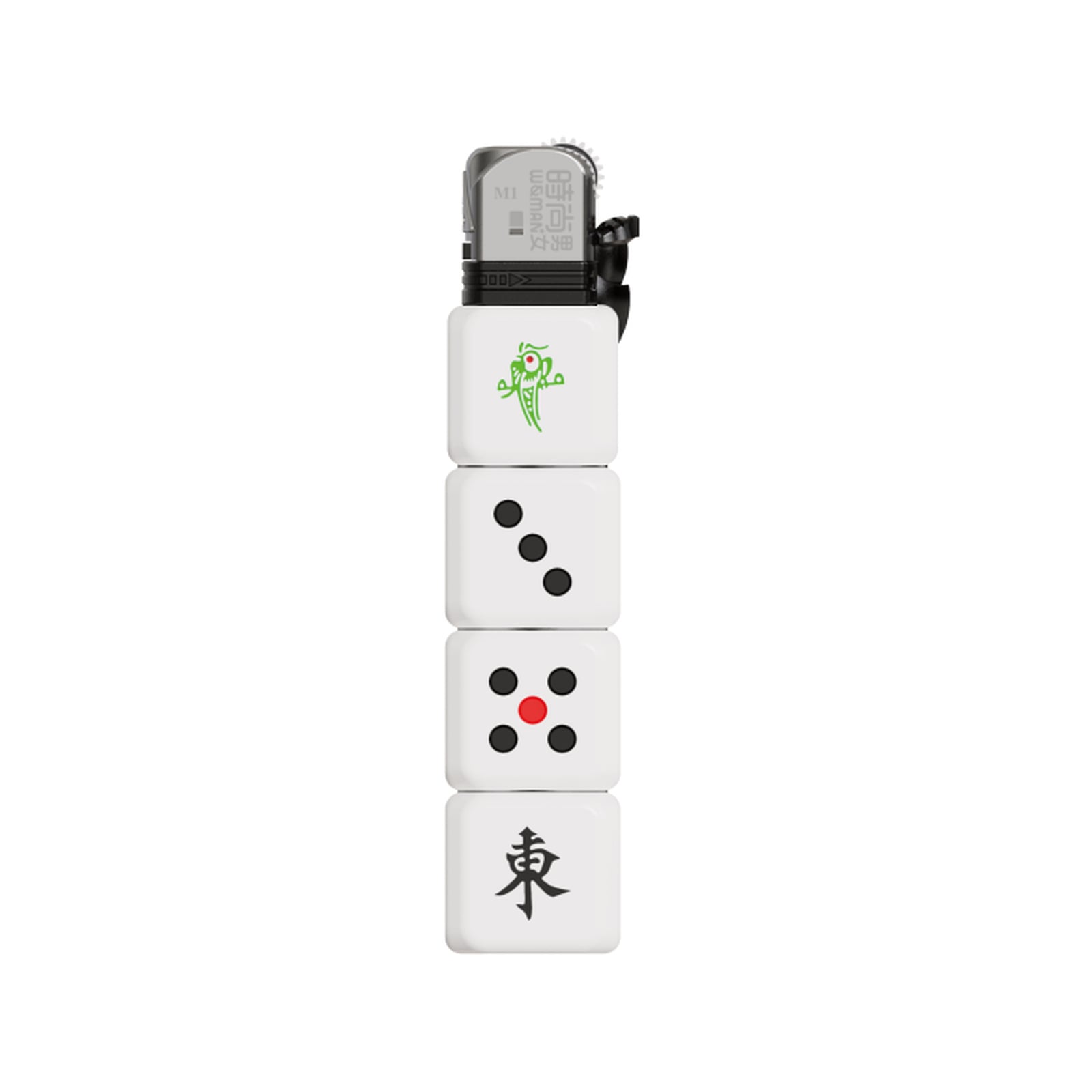
Our Products

Where to Source Reliable Electric Barbeque Lighter Suppliers

Finding a trustworthy supplier for electric barbeque lighters involves researching manufacturers with a proven track record. Start by exploring industry directories, trade shows, and online platforms that connect buyers with suppliers. Look for companies with extensive experience, such as Ningbo Shunhong Lighter Manufacture Co., Ltd., which has been in the industry since 1996.

When evaluating potential suppliers, consider the following:

Reputation and Reviews: Check for customer testimonials and industry reviews to assess reliability and product quality. Manufacturing Capabilities: Ensure the supplier has adequate production capacity and advanced equipment. Companies with a large factory space, like Ningbo Shunhong, can handle bulk orders efficiently, which is essential for B2B transactions. Customization Options: Consider suppliers that offer customization services. Tailored products can better meet specific project requirements and branding needs. Engaging directly with suppliers and asking for samples can further validate their capabilities and product quality.

Cost Factors to Keep in Mind When Buying Electric Barbeque Lighters

Understanding the various cost factors associated with purchasing electric barbeque lighters is crucial for effective budgeting. Here are the primary elements to consider:

Material Costs: The choice of materials significantly impacts the unit price. Premium materials may lead to higher upfront costs but can enhance durability and safety. Production Volume: Many manufacturers, including those like Ningbo Shunhong, often have minimum order quantities (MOQ). Higher order volumes typically reduce per-unit costs, making it beneficial for larger purchases. Shipping and Logistics: Evaluate shipping options and associated costs, as these can vary based on order size and destination. Additionally, consider lead times, as expedited shipping may incur extra charges. Customization Fees: If customization is needed, inquire about any additional fees for design changes, special packaging, or unique branding. By analyzing these cost factors, buyers can make informed decisions that align with their budget and operational needs.

Installation Guidance for Electric Barbeque Lighters in Projects

Proper installation of electric barbeque lighters is vital for safety and functionality in commercial settings. Here are essential steps to follow:

Follow Manufacturer Guidelines: Always refer to the installation instructions provided by the manufacturer. These guidelines typically include essential information on electrical connections, mounting, and safety measures. Electrical Compatibility: Ensure that the lighter’s electrical specifications align with the existing infrastructure. This includes voltage requirements and compatibility with power sources. Safety Precautions: When installing, prioritize safety by disconnecting power sources and using appropriate personal protective equipment. It’s also advisable to have a qualified electrician handle the installation to mitigate risks. Incorporating these practices will help ensure that electric barbeque lighters operate safely and effectively in your projects.

Common Problems with Electric Barbeque Lighters and Their Solutions

While electric barbeque lighters are generally reliable, issues can arise. Here are common problems and their solutions:

Failure to Ignite: If the lighter fails to ignite, check the power source and ensure that the battery is charged or functioning correctly. Additionally, inspect the ignition mechanism for any blockages or damage. Short Battery Life: If the lighter's battery drains quickly, it may be a sign of a poor-quality battery or excessive use. Consider using lighters with replaceable or rechargeable batteries to enhance longevity. Overheating: Overheating during use can indicate a malfunction. If this occurs, discontinue use immediately and consult the manufacturer for troubleshooting advice. By being aware of these common issues and their solutions, buyers can maintain their electric barbeque lighters effectively, ensuring long-term functionality and safety.

In summary, understanding the quality control standards, sourcing reliable suppliers, considering cost factors, ensuring proper installation, and addressing common problems will empower B2B buyers to make informed purchasing decisions regarding electric barbeque lighters. For an added choice, consider the Turbo Flame for different ignition needs.

Evaluating Quality Control Standards in Electric Barbeque Lighters

When sourcing electric barbeque lighters, quality control standards are paramount. A reliable manufacturer should implement a stringent quality assurance process that includes material inspection, assembly checks, and performance testing. Look for certifications indicating adherence to international safety standards, such as ISO 9001, which ensures a systematic approach to quality management.

Key specifications to consider in quality control include:

Material Composition: Ensure that materials used in the lighter are heat-resistant and durable. Common materials include high-density plastics and metals that can withstand high temperatures without degrading. Performance Testing: Check if the manufacturer conducts tests for ignition reliability, battery life, and safety features, such as child-proof mechanisms. Inspection Protocols: Inquire about the manufacturer’s inspection protocols. A thorough process should cover visual inspection, functional testing, and compliance with safety regulations. By understanding these standards, buyers can ensure they are investing in high-quality products that meet industry requirements. If you are interested in different types of lighters, you might consider exploring options like Jet Flame or Normal Flame lighters.

Get a Free Quote

Our representative will contact you soon.
Email
Mobile
Name
Company Name
Message
0/1000

Related product categories