Essential Guide to Filling Butane Torch Lighters

Contact me immediately if you encounter problems!

All Categories

filling butane torch lighter

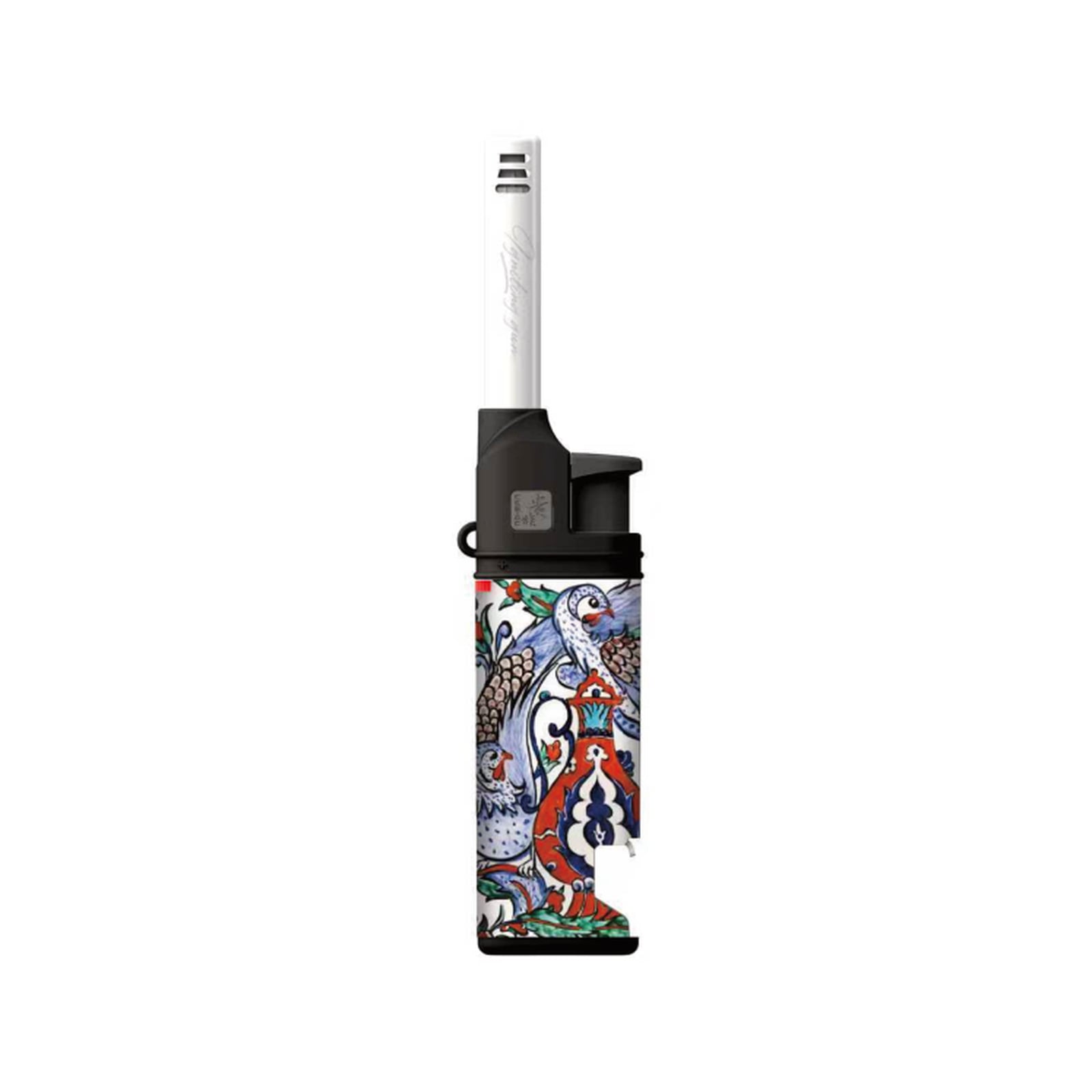
Butane torch lighters are specialized tools designed for precise and powerful flame generation, making them essential in various industries, including manufacturing, construction, and culinary applications. For B2B buyers such as purchasing managers and engineers, understanding the specifications, supplier options, and potential issues related to butane torch lighters is crucial for ensuring quality and performance that meet operational needs. This article will provide insights into the key specifications to consider, where to find reliable suppliers, common problems and solutions, applications across industries, and installation guidelines for professional use.
Our Products

Where to Find Reliable Suppliers of Butane Torch Lighters

Finding a dependable supplier for filling butane torch lighters requires a strategic approach. Start by considering manufacturers like Ningbo Shunhong Lighter Manufacture Co., Ltd., which has extensive experience in the field since 1996.

Industry Directories and Trade Shows: Utilizing industry-specific directories and participating in trade shows can help identify reputable suppliers. These platforms often provide insights into a supplier's production capabilities, certifications, and product offerings.

Online Marketplaces: Websites such as Alibaba or Global Sources can connect buyers with manufacturers and distributors. However, due diligence is essential—check reviews, request samples, and verify company information.

Networking and Referrals: Engaging with industry peers can yield recommendations for trusted suppliers. Networking within professional associations or industry groups can also facilitate introductions to reputable manufacturers.

Quality Certifications: Look for suppliers with relevant quality certifications, such as ISO standards. These certifications indicate a commitment to maintaining high-quality production processes.

By leveraging these resources, buyers can establish connections with reliable manufacturers that meet their specific requirements.

Common Problems with Butane Torch Lighters and Their Solutions

Butane torch lighters, while effective, can present several common issues that buyers should be aware of:

Flame Extinguishing: If the flame extinguishes unexpectedly, it may be due to low fuel levels or a clogged nozzle. Regular maintenance, including cleaning the nozzle and ensuring adequate fuel, can help prevent this issue.

Inconsistent Flame: Inconsistent flame output can arise from using low-quality butane or from fuel contamination. It’s advisable to use high-purity butane and ensure the lighter is refilled properly to maintain performance.

Ignition Failure: If the lighter fails to ignite, check the ignition mechanism for blockages. Additionally, replacing flint or ensuring the piezoelectric system is functioning can resolve ignition issues.

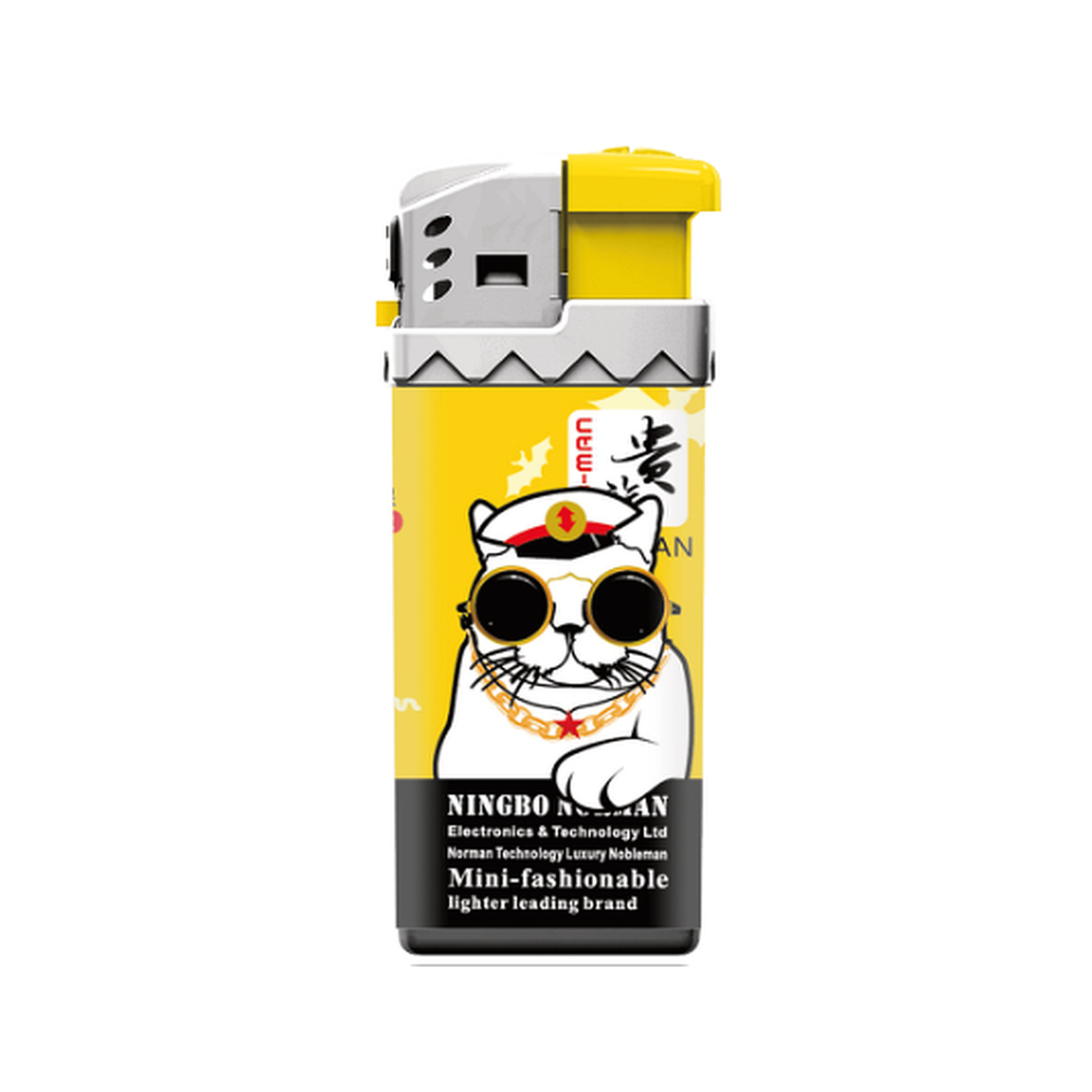
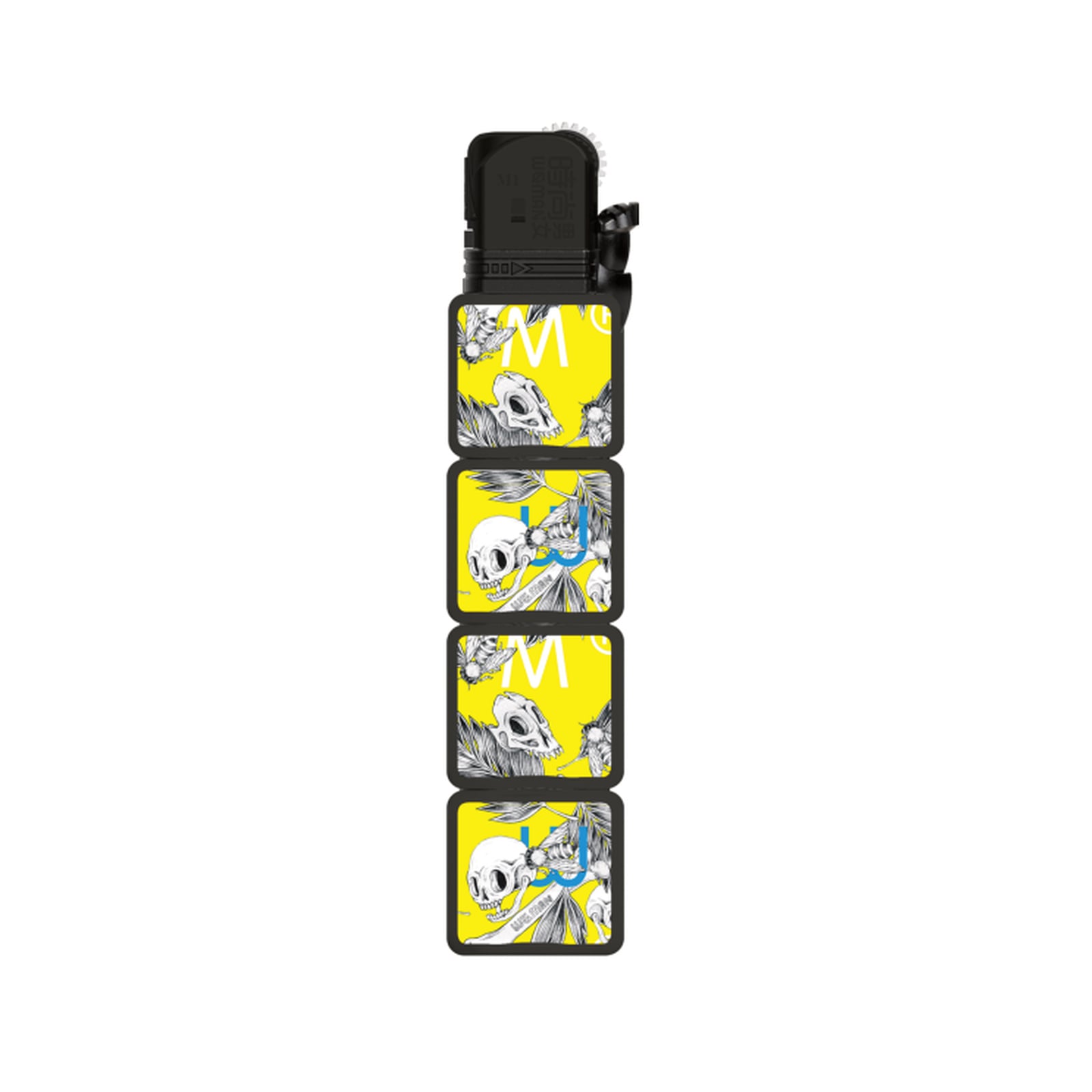
Leaking Fuel: Fuel leaks can pose safety hazards. Regularly inspect the lighter for cracks or damage. If a leak is suspected, discontinue use immediately and consult the manufacturer. Consider options like the NBM-X3S Refillable Butane Gas Lighter – Compact yellow cartoon print for reliable performance.

Understanding these common problems and their solutions can help buyers maintain their lighters effectively and ensure continuous operation.

Applications of Butane Torch Lighters in Various Industries

Butane torch lighters find versatile applications across multiple industries due to their powerful flame and precision.

Manufacturing and Metalworking: They are widely used for soldering, brazing, and metal joining applications. The high-temperature flame allows for effective heat application, which is critical for these processes.

Culinary Arts: In kitchens, chefs utilize butane torch lighters for caramelizing sugars, finishing dishes, and creating intricate presentations. Their precise flame control is essential for achieving desired results without overcooking.

Craft and Hobby: Artists and crafters often use these lighters for various applications, including glasswork and jewelry making, where precision is vital.

Automotive Repair: Technicians may use torch lighters for heat-shrinking tubing or loosening corroded nuts and bolts, making them valuable tools in automotive maintenance.

Understanding the specific applications of butane torch lighters allows buyers to select products that best meet their operational needs.

Installation Guidelines for Butane Torch Lighters in Professional Use

Proper installation and use of butane torch lighters are crucial for safety and efficiency in professional environments. Here are some guidelines:

Read Manufacturer Instructions: Before installation, always refer to the manufacturer’s instructions for specific guidelines related to the model being used. Different models may have unique requirements.

Ensure Ventilation: Use the torch in a well-ventilated area to prevent the accumulation of gases. This is particularly important in enclosed spaces.

Check for Leaks: Before use, examine the lighter for any signs of damage or leaks. Conduct a simple test by applying a soapy solution to connections; bubbles indicate a leak.

Proper Refilling: Follow the correct procedure for refilling butane, ensuring the lighter is cool and not in use during the process. Take care to avoid overfilling, which can lead to leaks or malfunction.

Safety Gear: When using a butane torch, wear appropriate safety gear, such as gloves and goggles, to protect against burns or accidents.

By adhering to these installation guidelines, professionals can ensure safe and effective use of butane torch lighters in their operations. Understanding the specifications, supplier options, potential problems, applications, and installation guidelines for filling butane torch lighters is essential for B2B buyers. With careful consideration and informed decision-making, buyers can choose the right products that meet their specific industrial needs.

Key Specifications to Consider for Butane Torch Lighters

When selecting a filling butane torch lighter, several specifications are critical to ensure suitability for specific applications.

Flame Type and Temperature: Butane torch lighters typically produce a concentrated flame that can reach temperatures of up to 1300°C (2372°F). Buyers should assess whether this temperature range meets their application requirements, as higher temperatures may be necessary for tasks such as welding or soldering.

Material Construction: The body of the lighter is often made from durable plastics or metals like aluminum, impacting both weight and resistance to heat. Plastic lighters are generally lighter but may not withstand prolonged high temperatures, while metal options offer increased durability.

Fuel Capacity: The refillable fuel tank's size impacts how long the lighter can operate before needing a refill. Larger tanks are advantageous for heavy use, minimizing downtime.

Ignition Mechanism: Consider whether a piezoelectric ignition or a traditional flint ignition is preferred. Piezoelectric ignitions are generally more reliable and easier to use in professional settings.

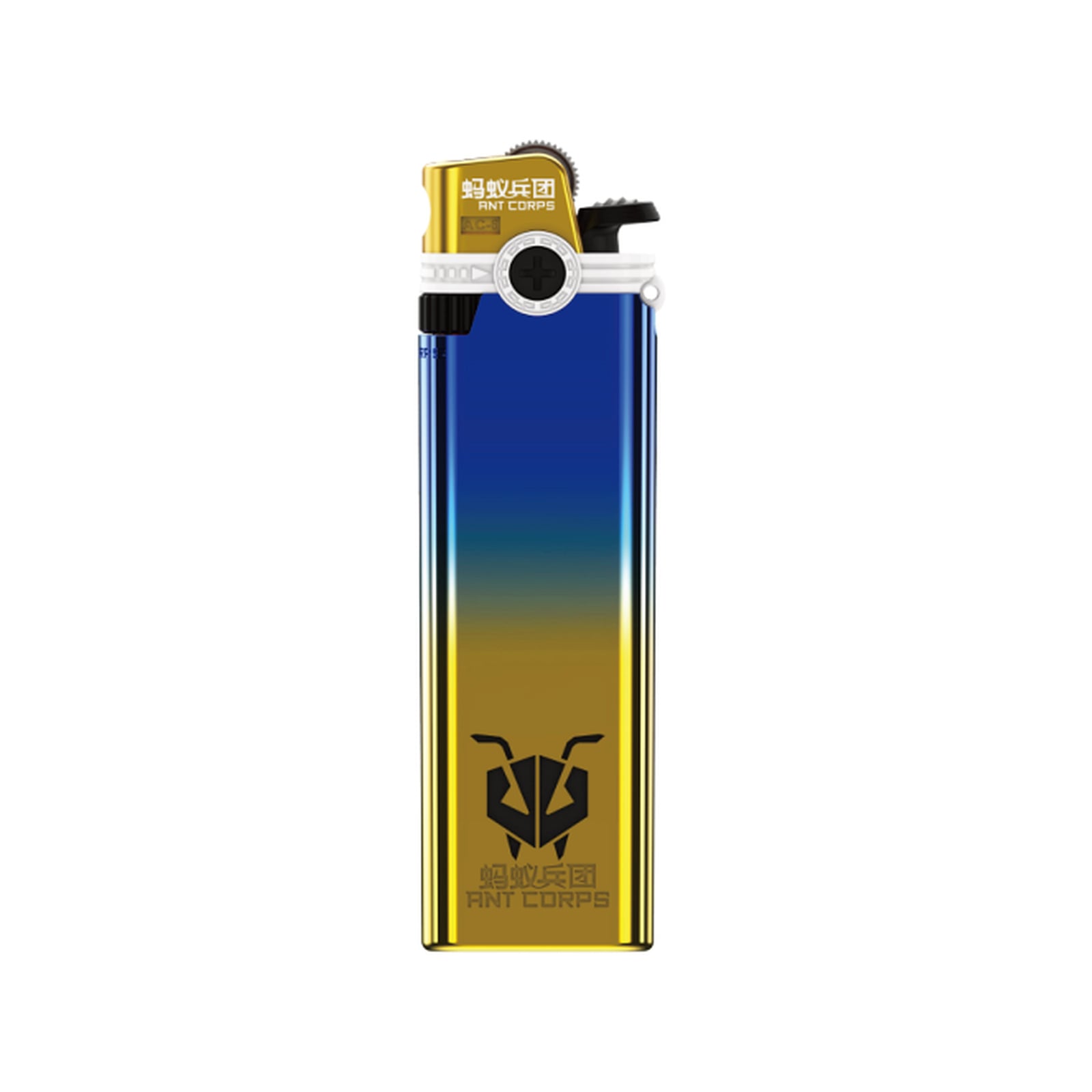
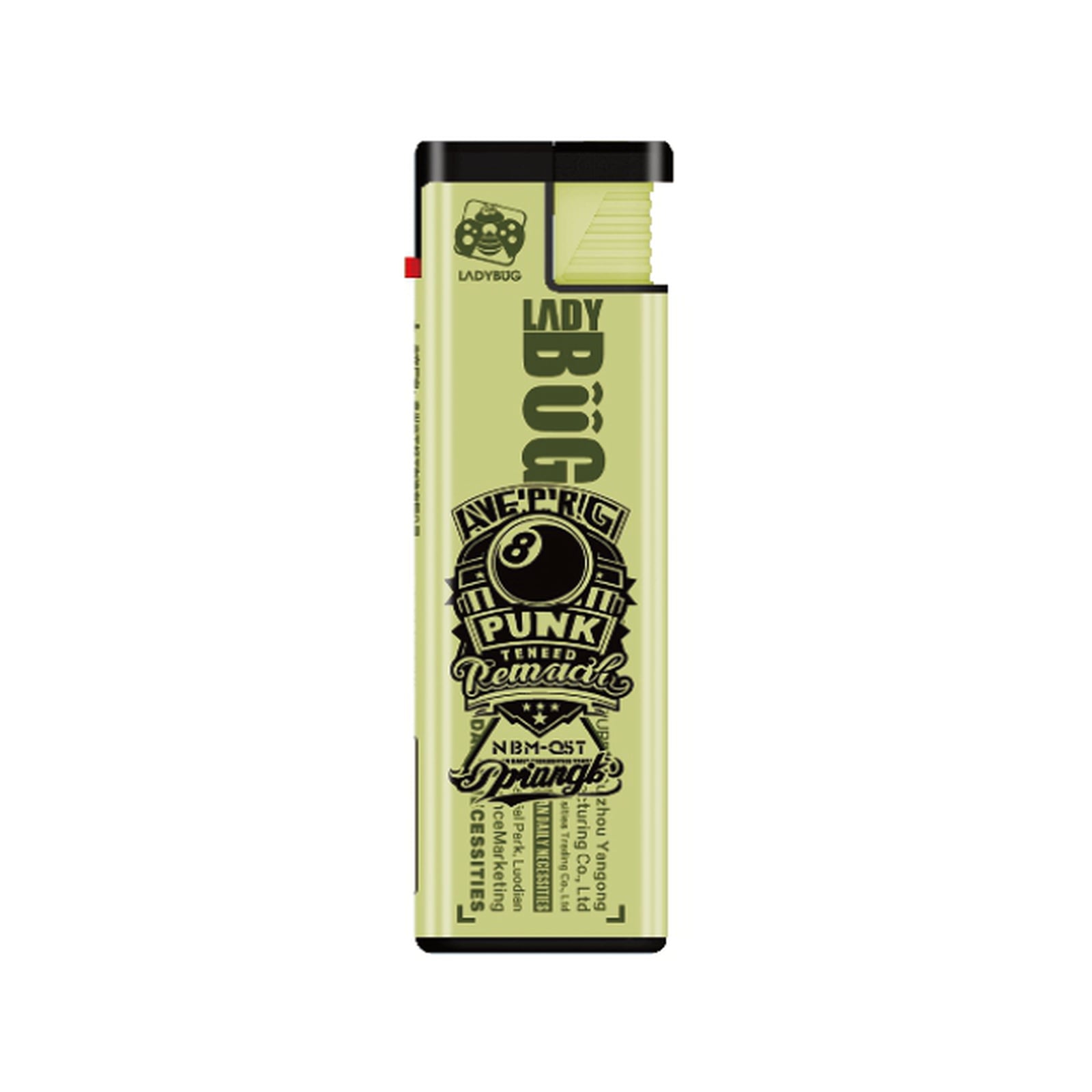
Safety Features: Look for features such as child safety locks, flame adjustment controls, and fuel level indicators. These can enhance user safety and operational efficiency. One great option to consider is the Q6T Refillable Butane Gas Lighter – Slim printed fashion body, which includes several of these safety features.

By understanding these specifications, buyers can make informed decisions that align with their specific industrial needs.

Get a Free Quote

Our representative will contact you soon.
Email
Mobile
Name
Company Name
Message
0/1000

Related product categories