 EN

Filling a butane torch is a straightforward process that requires understanding the specifications and features that ensure optimal performance. For B2B buyers, including purchasing managers and engineers, key concerns revolve around safety, efficiency, and compatibility with various applications. This article will guide you through essential specifications, common challenges, and the advantages of high-quality butane torches, providing you with the knowledge needed to make informed purchasing decisions.

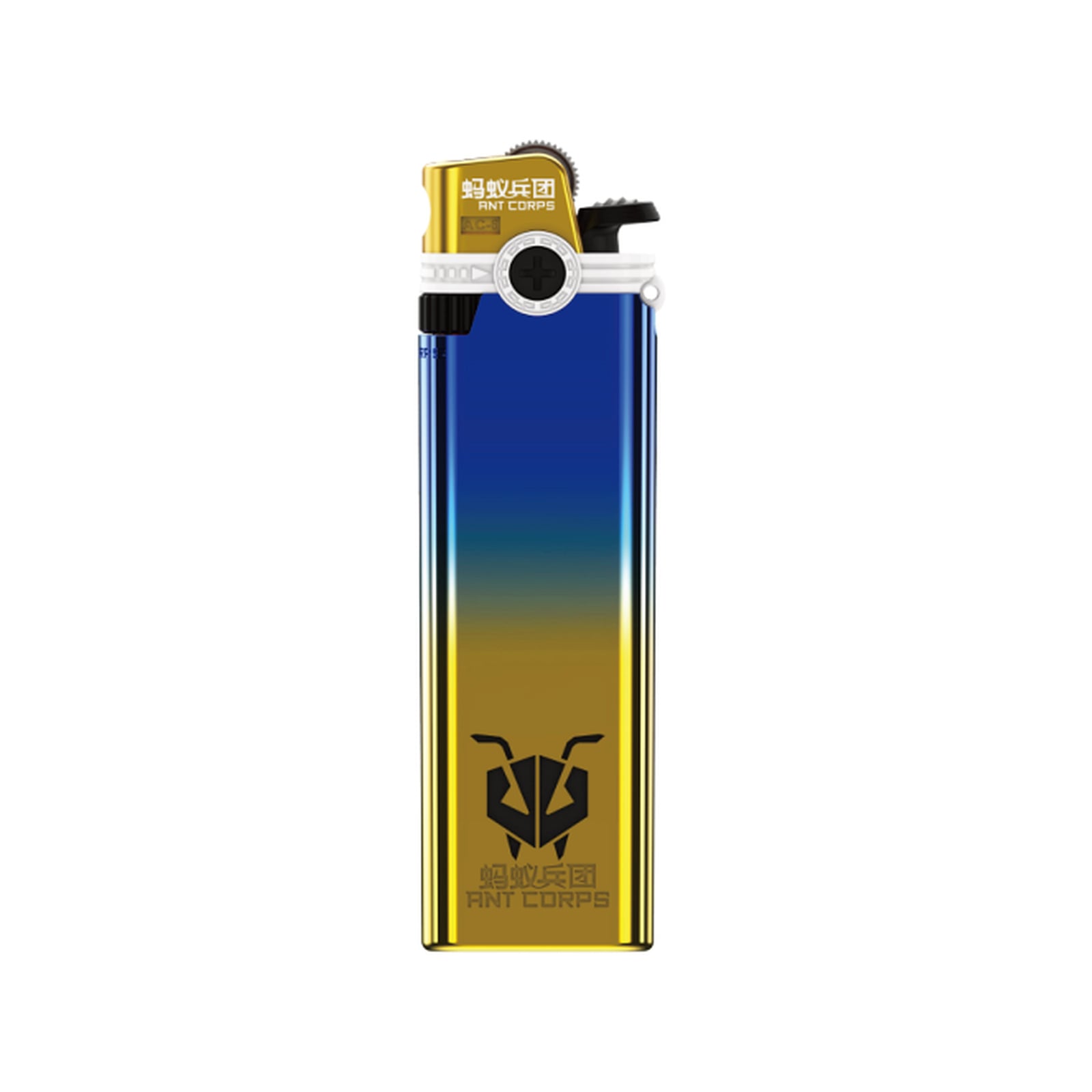
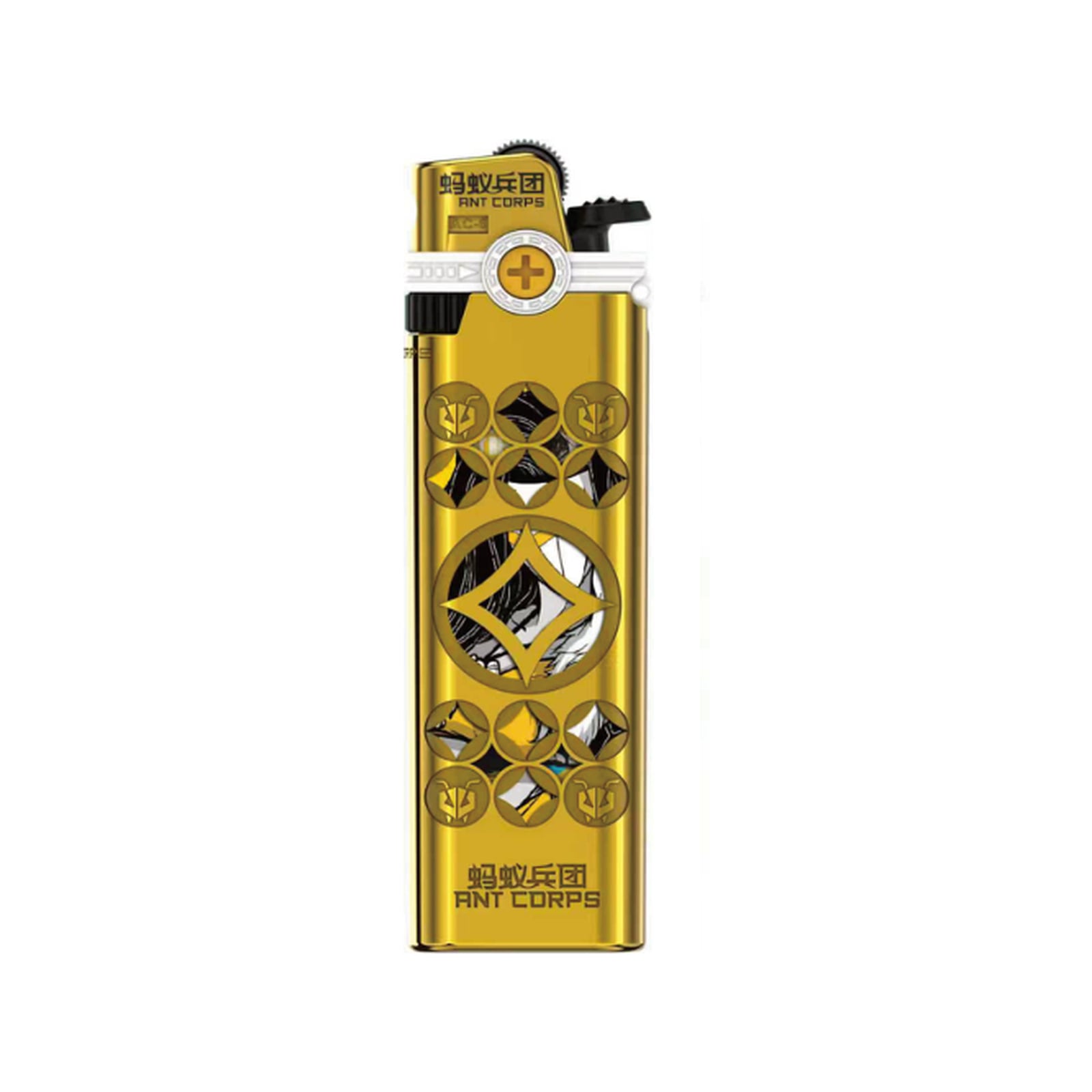
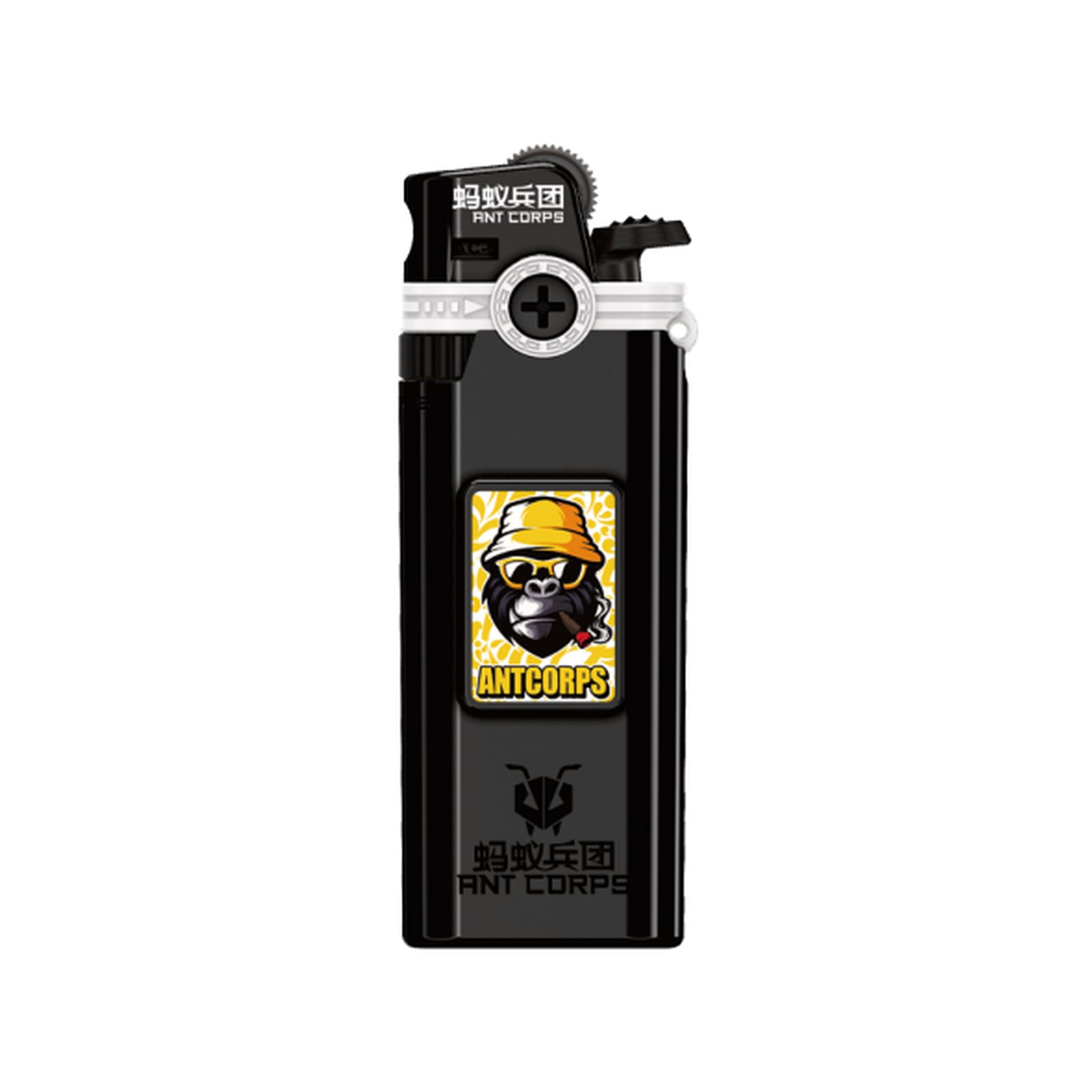
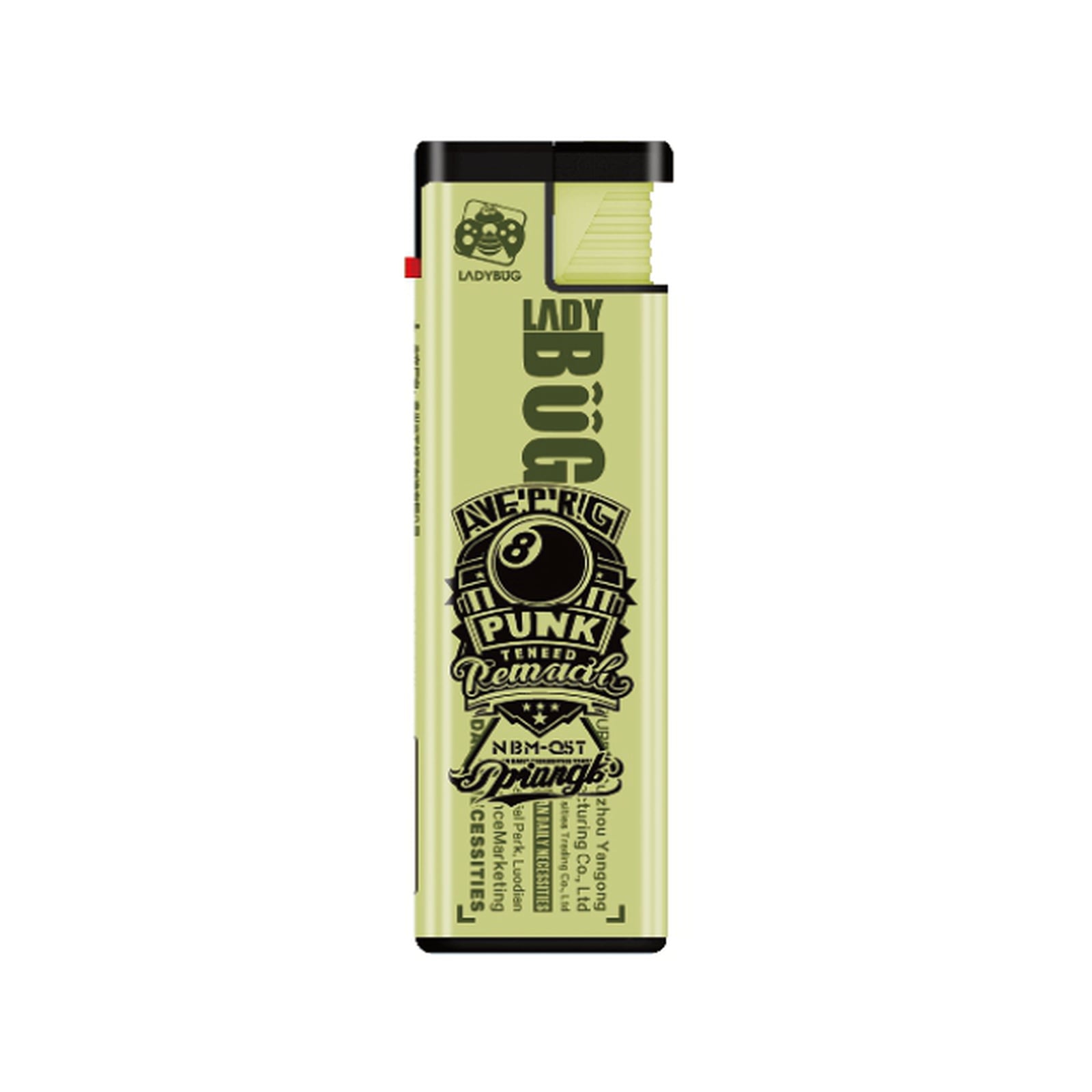
Why It Matters for Your Butane Torch Needs
The choice of specifications and features in a butane torch can significantly impact its usability and efficiency. For example, a torch with a larger fuel capacity reduces the frequency of refills, enabling uninterrupted work, which is crucial in commercial and industrial settings.
Moreover, a higher flame temperature is essential for tasks that require more intense heat, like brazing or welding. If a torch cannot reach the necessary temperature, it may lead to project delays and increased labor costs. Safety features are also paramount; without them, the risk of accidents increases, potentially leading to injuries or property damage. For those looking for a reliable option, a Normal Flame torch could be a good choice for general applications.
In summary, understanding your specific needs and the implications of each specification ensures that you select a butane torch that enhances productivity while maintaining safety.