Wholesale Refillable Butane Torch Lighters for B2B

Contact me immediately if you encounter problems!

All Categories

refillable butane torch lighter

Refillable butane torch lighters are essential tools in various industrial and commercial applications, providing a reliable source of flame for tasks such as soldering, welding, and culinary uses. For B2B buyers, understanding the specifications, sourcing options, and cost considerations of these lighters is critical for making informed purchasing decisions. This article will delve into key aspects of refillable butane torch lighters, addressing buyer concerns and providing practical information to help professionals select the right products for their needs.
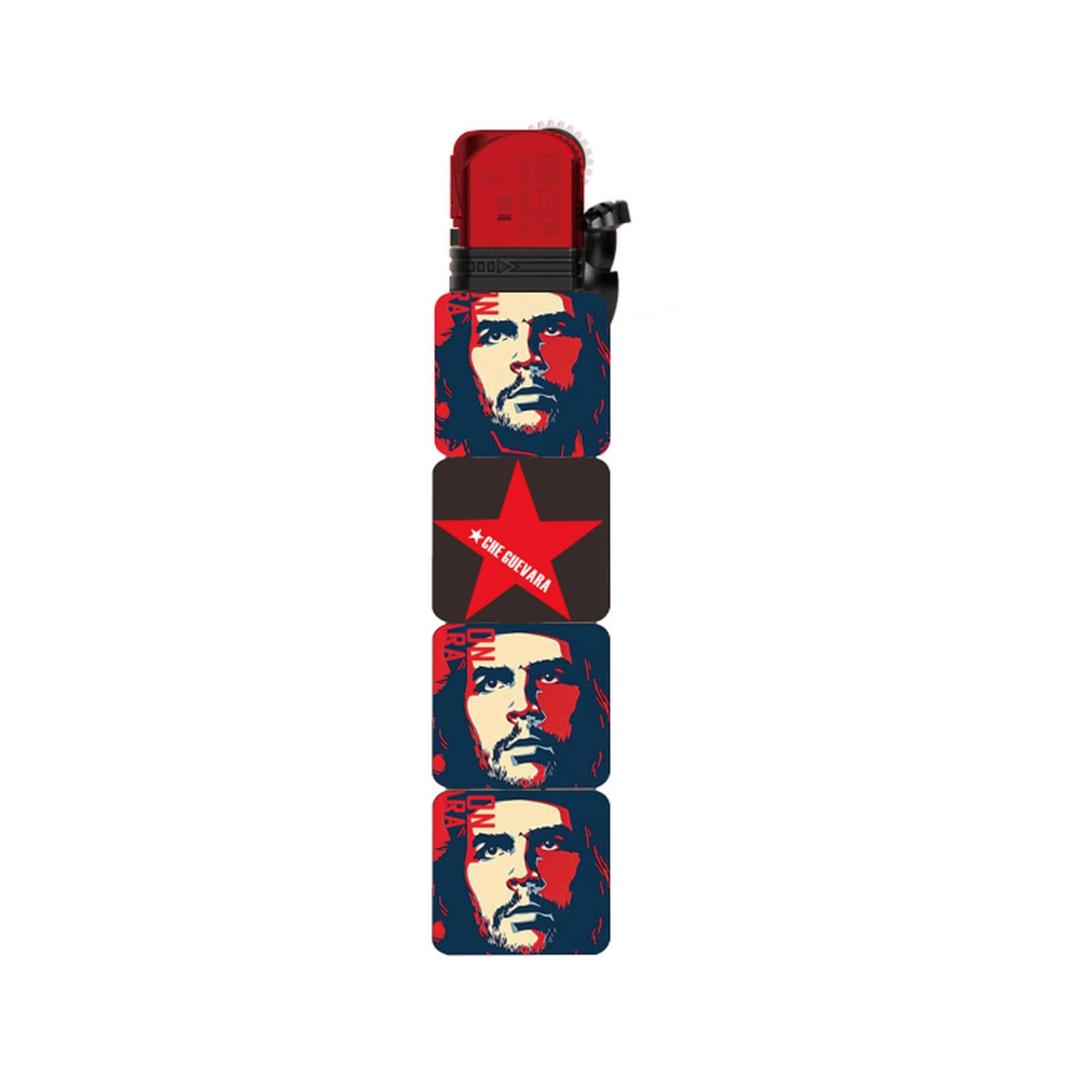
Our Products

Where to Source Reliable Refillable Butane Torch Lighters Wholesale

Sourcing refillable butane torch lighters wholesale requires careful consideration of suppliers. Key factors to evaluate when selecting a supplier include:

Manufacturing Capabilities: Reputable suppliers, such as Ningbo Shunhong Lighter Manufacture Co., Ltd., offer integrated RD, design, and production capabilities. This ensures that they can meet diverse custom needs and specifications.

Quality Control Processes: Check if the supplier has established quality control measures. This may include inspections during production, final product testing, and adherence to international safety standards. Reliable suppliers will often provide documentation of their quality processes.

Export Experience: Suppliers with a strong export market presence are more likely to understand international shipping regulations and standards. This experience can help mitigate potential issues related to customs and compliance.

Customization Options: For businesses looking to brand or tailor lighters for specific functions, it is essential to confirm that the supplier can accommodate customization requests, including colors, designs, and packaging. Notably, options like the Normal Flame lighter may be customizable to fit specific branding needs.

Minimum Order Quantities (MOQ): Understanding the MOQ can help in planning purchases. Suppliers may have different MOQs based on product type, so it’s beneficial to clarify this upfront.

Researching suppliers through industry directories, trade shows, and online platforms can help in identifying reliable sources for bulk orders.

Cost Considerations for Bulk Orders of Refillable Butane Torch Lighters

When ordering refillable butane torch lighters in bulk, several cost factors should be analyzed to ensure a favorable purchase:

Unit Price vs. Total Cost: While lower unit prices can be attractive, buyers should consider the total cost, including shipping, customs duties, and potential tariffs. Sometimes, paying a slightly higher unit price can result in lower overall costs due to more efficient shipping or fewer compliance issues.

Volume Discounts: Many suppliers offer discounts for larger orders. Understanding the pricing structure can help buyers maximize savings. It’s advisable to inquire about tiered pricing based on volume.

Shipping Costs: Shipping can significantly affect the total cost of bulk orders. Factors such as shipping method, distance, and weight can influence the final shipping charge. Buyers should explore various shipping options and ask their suppliers for recommendations to reduce costs.

Payment Terms: Suppliers may offer different payment terms, such as upfront payment, net 30, or net 60. Favorable payment terms can help in cash flow management, making it essential to negotiate terms that align with the buyer’s financial strategy.

Potential Hidden Fees: Buyers should be aware of any additional fees that may arise, such as handling charges or fees for specific packaging requirements. Including these considerations in the budgeting process can prevent unexpected costs.

By understanding these cost factors, buyers can approach negotiations more effectively and ensure they receive a fair deal.

Applications of Refillable Butane Torch Lighters in Various Industries

Refillable butane torch lighters find applications across several industries, each with unique requirements:

Manufacturing: In manufacturing settings, these lighters are used for soldering and welding tasks, where precision and high-temperature flames are necessary. The ability to adjust the flame size is particularly beneficial for intricate work.

Culinary Arts: Chefs and culinary professionals use butane torch lighters for tasks such as caramelizing sugar, searing meats, and creating unique presentations. The adjustable flame helps achieve the desired cooking effect without overcooking.

Jewelry Making: Artisans in the jewelry industry utilize butane torches for melting metals and soldering components. The high flame temperature and portability of refillable lighters make them ideal for on-site work.

HVAC and Plumbing: Technicians in these fields often rely on butane torches for tasks like brazing pipes and fittings. The ease of use and ability to refill ensures that they can work efficiently in various conditions.

DIY and Home Improvement: Hobbyists and DIY enthusiasts use refillable butane torch lighters for crafting and home repair projects. Their versatility makes them suitable for a range of applications.

Understanding the specific application needs can help buyers select the right type of lighter and ensure optimal performance in their respective fields.

Material Advantages of Refillable Butane Torch Lighters for Durability

The materials used in manufacturing refillable butane torch lighters play a crucial role in their durability and performance. Key material considerations include:

ABS Plastic: This material is lightweight and resistant to impact, making it suitable for portable lighters. However, its thermal resistance should be factored in to ensure it withstands high temperatures without deforming.

Aluminum: Often chosen for its robustness, aluminum provides excellent durability while remaining lightweight. It can withstand harsh conditions and is resistant to corrosion, making it ideal for outdoor use.

Stainless Steel Components: Some lighters incorporate stainless steel in critical parts for added strength and longevity. Stainless steel is less likely to wear over time and can resist rust, which is essential for maintaining performance.

Sealing Materials: The sealing technology used in refillable lighters affects fuel retention and leakage prevention. High-quality seals made from durable rubber or silicone can enhance the overall reliability of the lighter.

Surface Finish: The finish applied to the lighter can impact both aesthetics and functionality. Textured finishes can provide better grip, while smooth finishes may be easier to clean. Buyers should consider how the surface finish aligns with their intended use.

Selecting the right materials is vital for ensuring that the lighter meets the operational demands of various environments. Buyers should discuss material options with suppliers to confirm that they align with their specific application requirements.

Understanding Refillable Butane Torch Lighter Specifications for Buyers

When evaluating refillable butane torch lighters, several specifications should be considered to ensure compatibility with intended applications. Key specifications include:

Flame Temperature: The flame temperature can range from 1300°C to 1500°C for most refillable butane torches. Higher temperatures are beneficial for tasks requiring intense heat, such as metalworking or culinary applications. Buyers should evaluate their specific needs to select a lighter that can deliver the required temperature, such as the Turbo Flame option for high heat applications.

Fuel Capacity: This typically ranges from 10 to 30 ml. A larger fuel capacity allows for extended use, making it ideal for professionals requiring a consistent flame over longer periods. Consideration of how often the lighter will be used can guide the choice of capacity.

Material Construction: Most refillable butane torch lighters are made from durable materials like ABS plastic or aluminum. The choice of material affects both the weight and durability of the lighter. Buyers should assess the environmental conditions in which the lighter will be used to select the appropriate material.

Ignition System: Options include piezoelectric ignition and electronic ignition systems. Piezoelectric systems are often more reliable in outdoor settings, while electronic systems may offer ease of use. Understanding the operational environment is crucial when selecting the ignition type.

These specifications directly impact the performance and suitability of the lighter for specific applications. Buyers should validate these specifications with the supplier to ensure they meet their operational requirements.

Get a Free Quote

Our representative will contact you soon.
Email
Mobile
Name
Company Name
Message
0/1000

Related product categories