 EN

BIC grill lighters are essential tools for a variety of applications, from outdoor cooking to industrial use. For distributors and purchasing managers, understanding the quality and specifications of these lighters is crucial for ensuring customer satisfaction and operational efficiency. This article will help buyers evaluate BIC grill lighters, identify key specifications to consider, find reliable suppliers, address common problems, and provide installation guidance for optimal use.
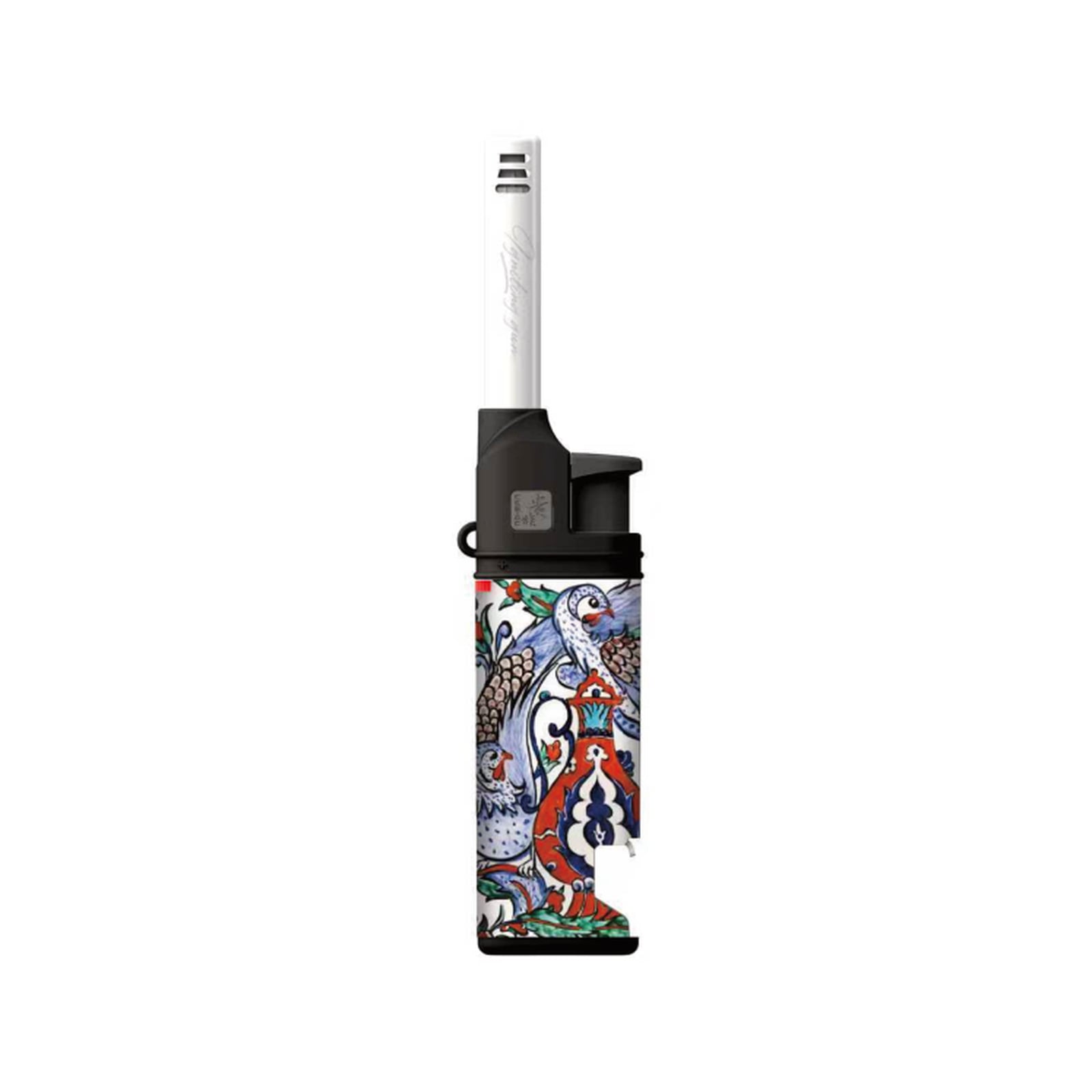
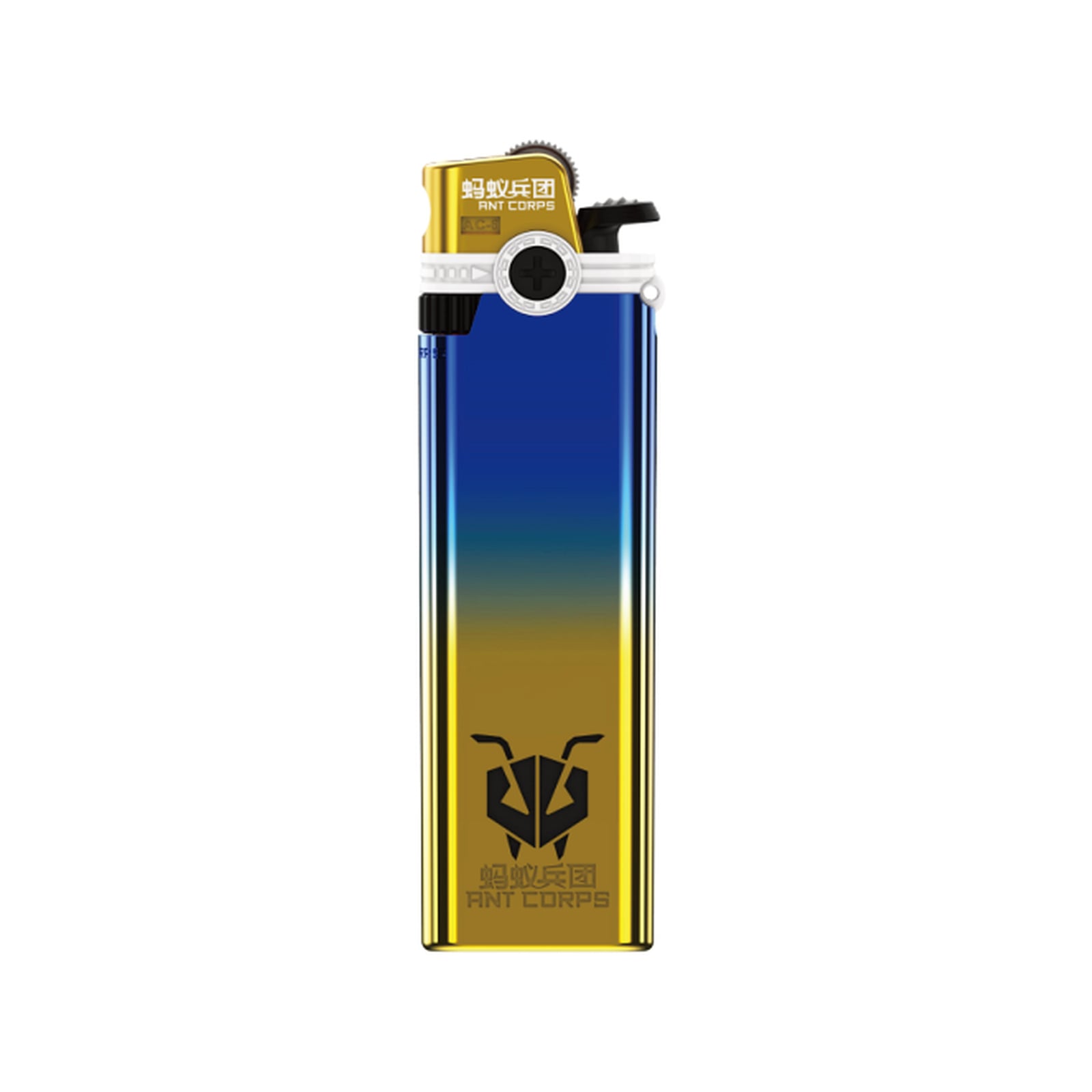
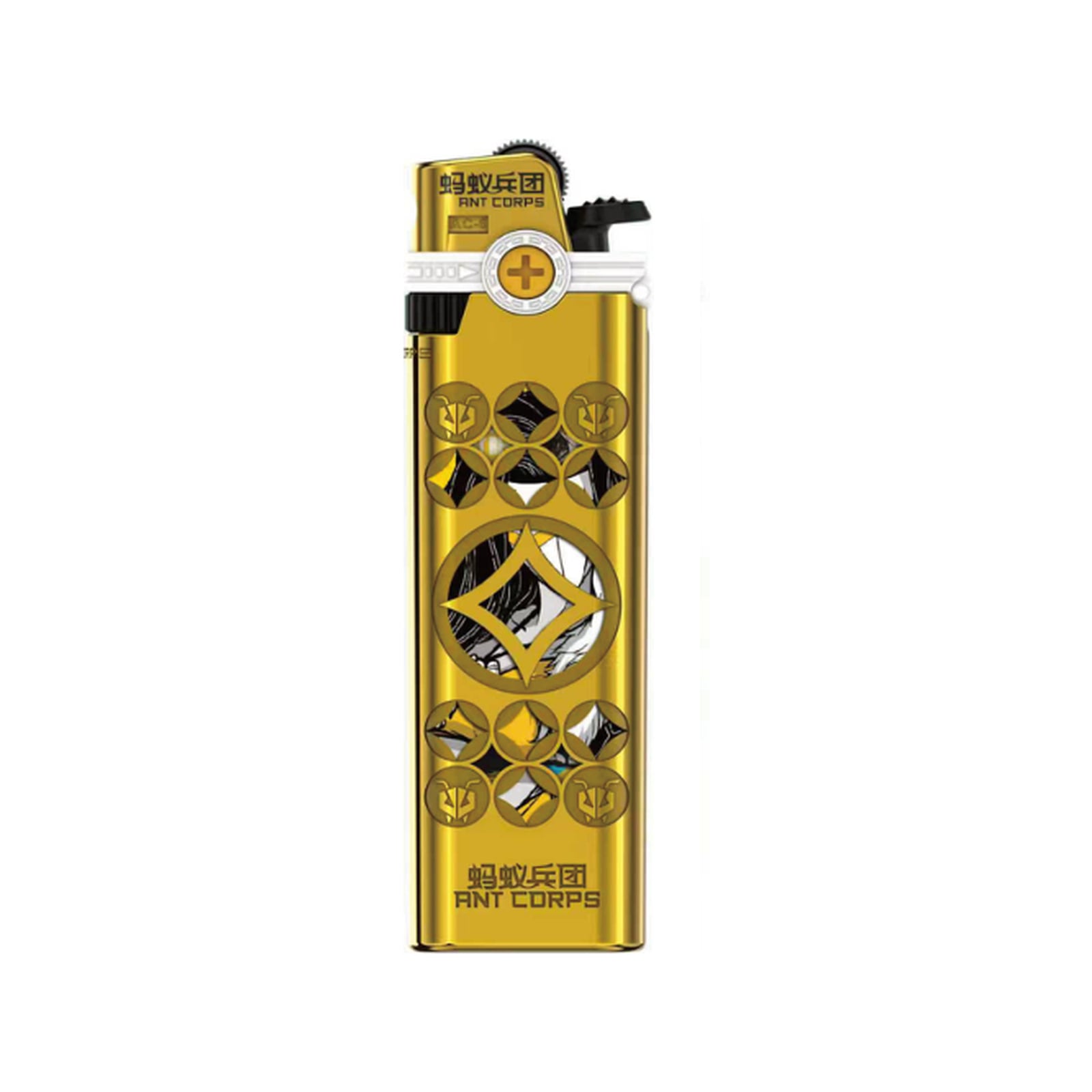
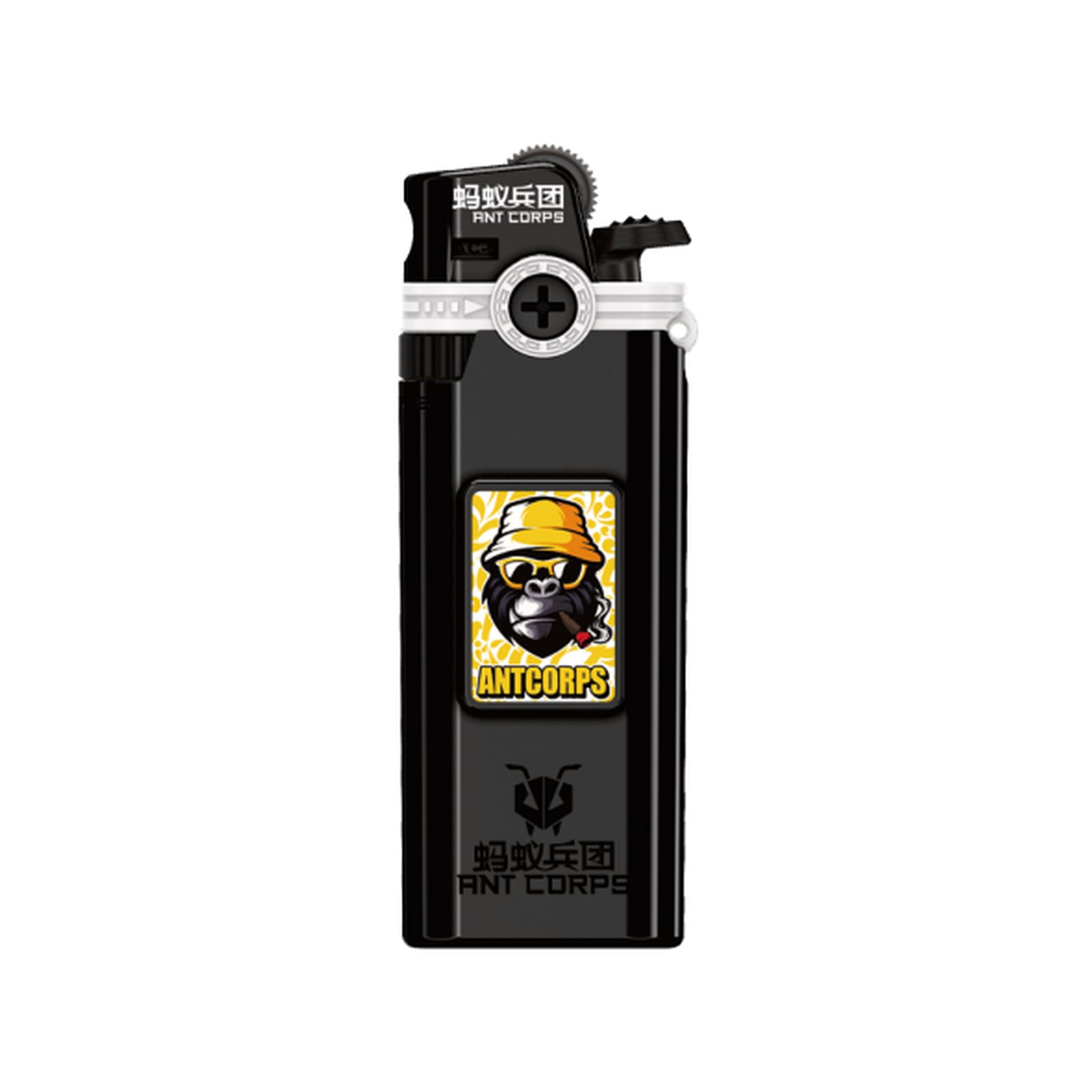
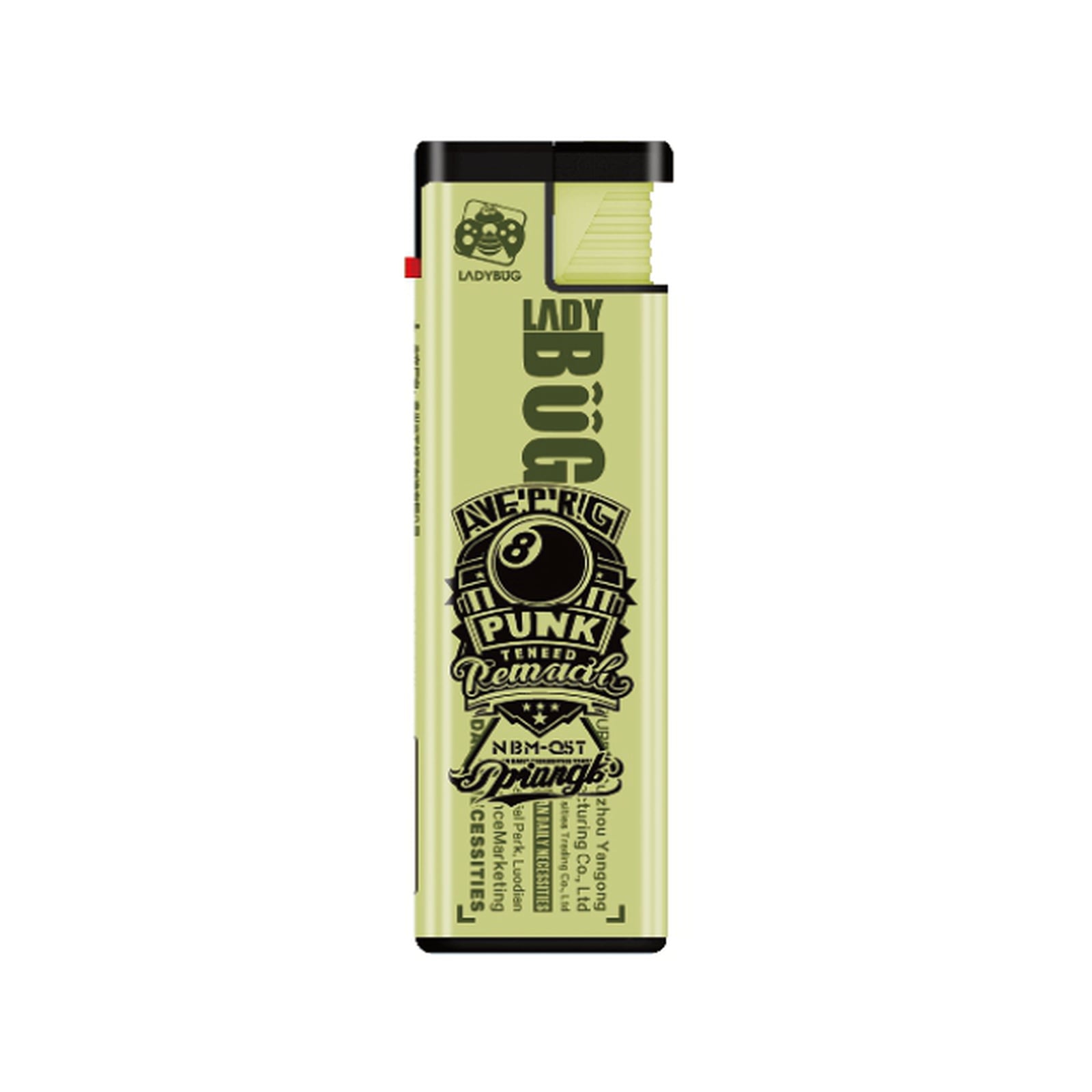
Key Specifications to Consider When Sourcing BIC Grill Lighters
When sourcing BIC grill lighters, there are several specifications that should be carefully evaluated:
Ignition Type: The ignition mechanism is crucial for functionality. Options include piezoelectric ignition or traditional flint-based systems. Each type has its advantages, with piezoelectric lighters often providing more reliability and ease of use.
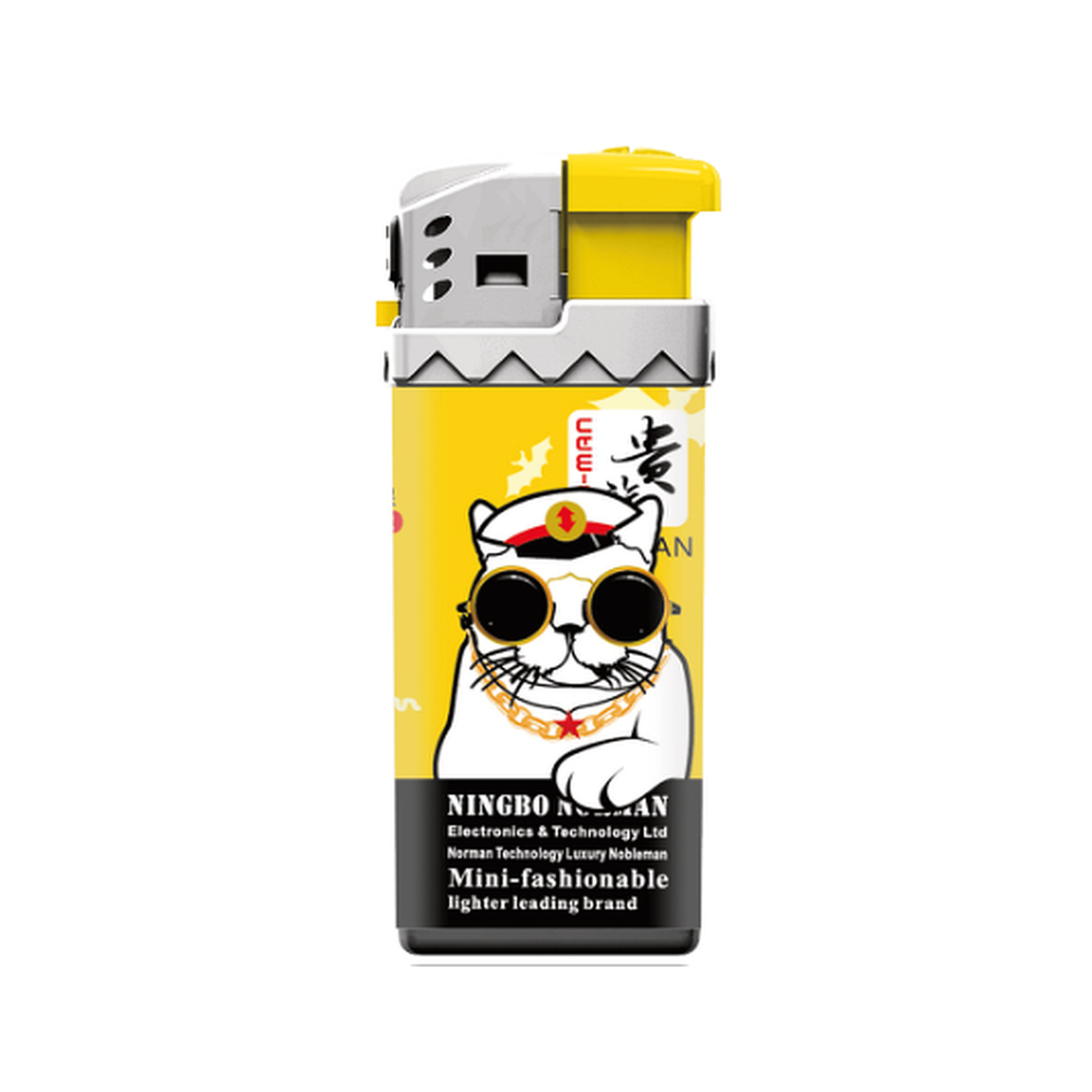
Fuel Type: Most BIC grill lighters use butane as fuel. Distributors should confirm the fuel capacity and how long the lighter can provide a consistent flame, as this affects usability. The NBM-X3S Refillable Butane Gas Lighter is one such reliable option.
Dimensions and Weight: The size and weight of the lighter can impact its portability and ease of use. Consider the intended use—whether for home grilling or in an industrial setting—and choose dimensions that fit those needs.
Safety Features: Look for lighters equipped with child safety mechanisms and flame adjustable settings. Ensuring that the products meet safety regulations is essential for preventing accidents.
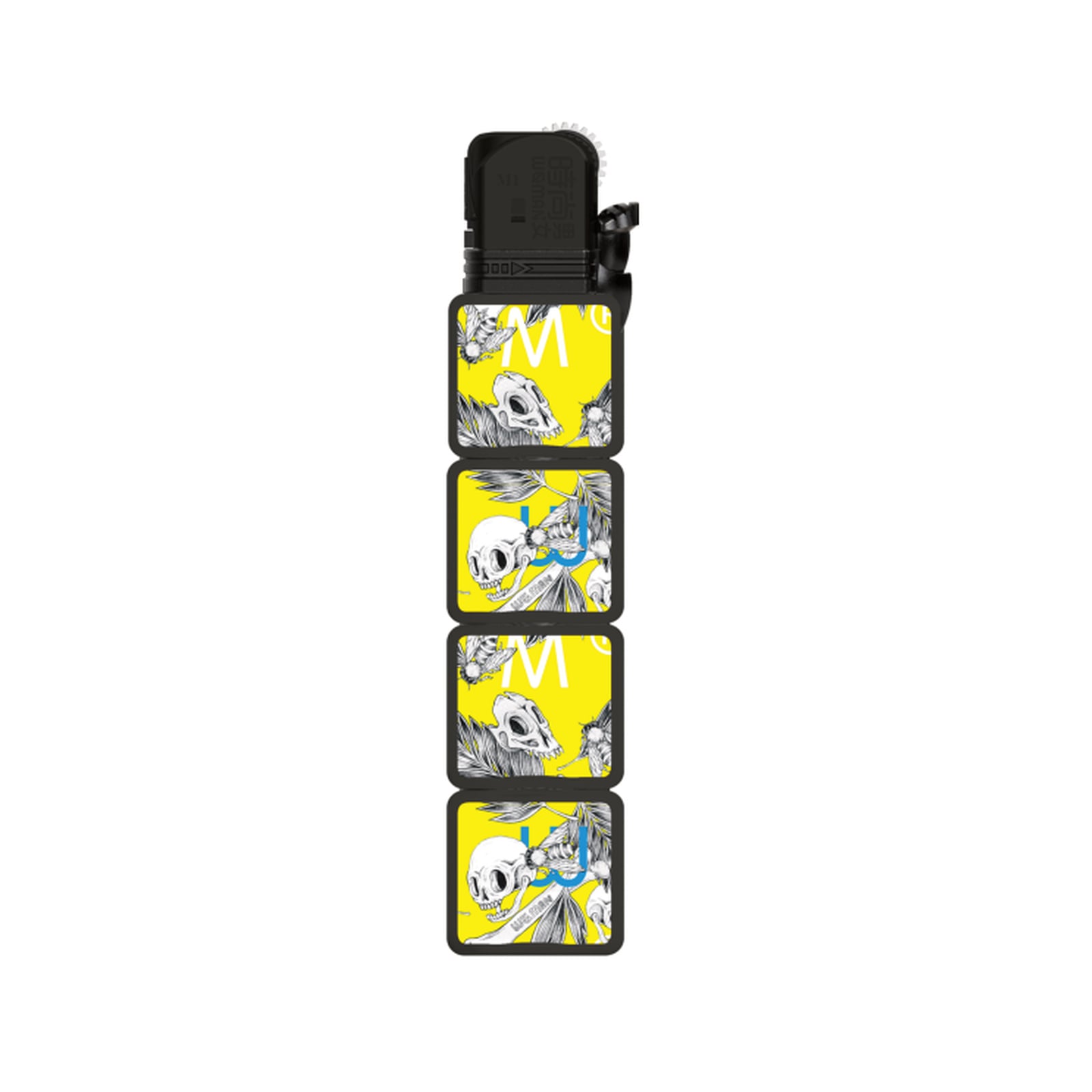
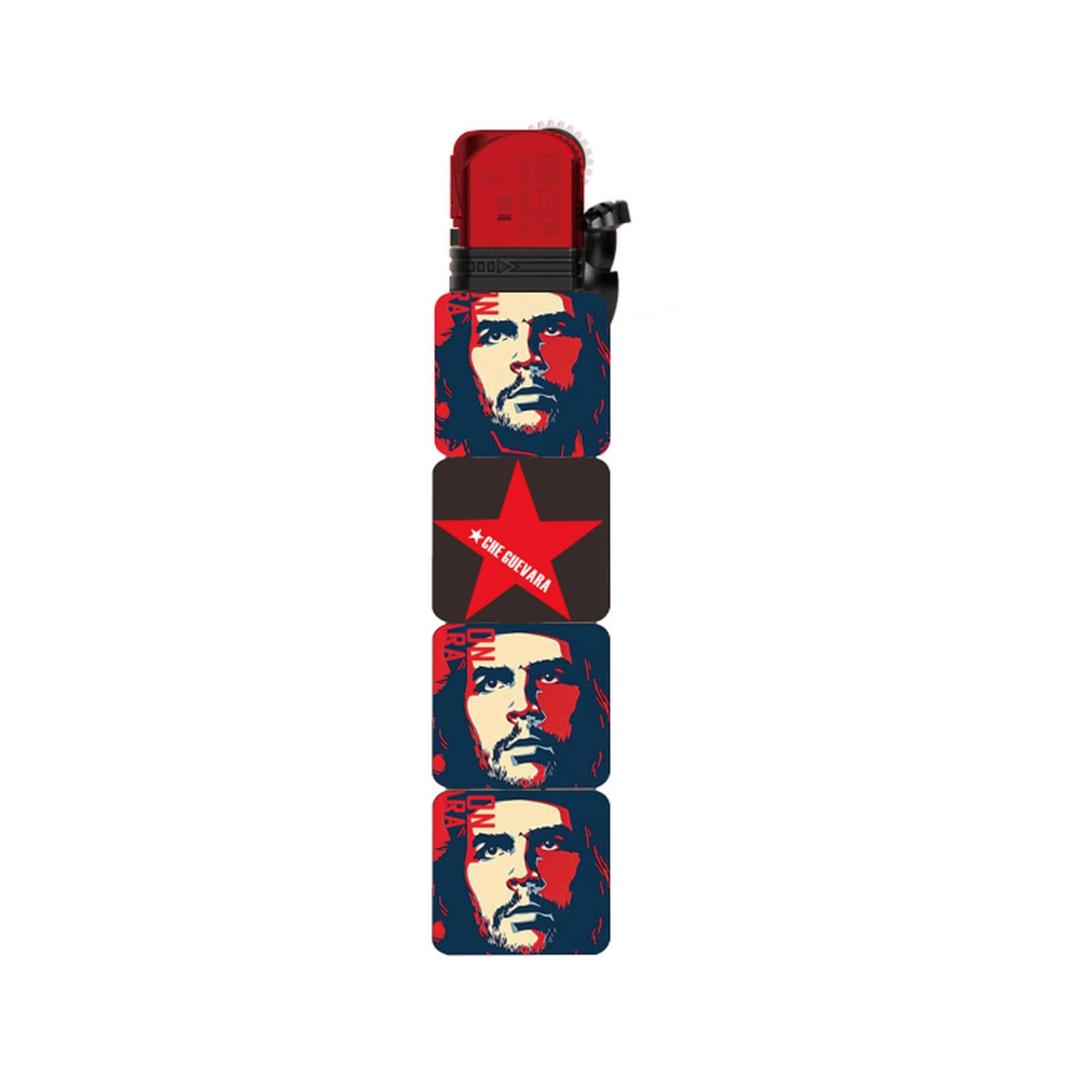
Customizability: If branding is a consideration, inquire about customization options such as colors, logos, or packaging designs. This can add value for distributors looking to differentiate their product offerings.