 EN

Barbecue grill lighters are essential tools for both home and commercial cooking, enabling quick and safe ignition of grills and other cooking equipment. For B2B buyers, such as purchasing managers and distributors, understanding the specifications and applications of these lighters is crucial for making informed purchasing decisions. This article will explore key considerations in sourcing reliable suppliers, the specifications that matter, cost factors, installation guidance in commercial settings, and the applications of barbecue grill lighters in the food service industry.
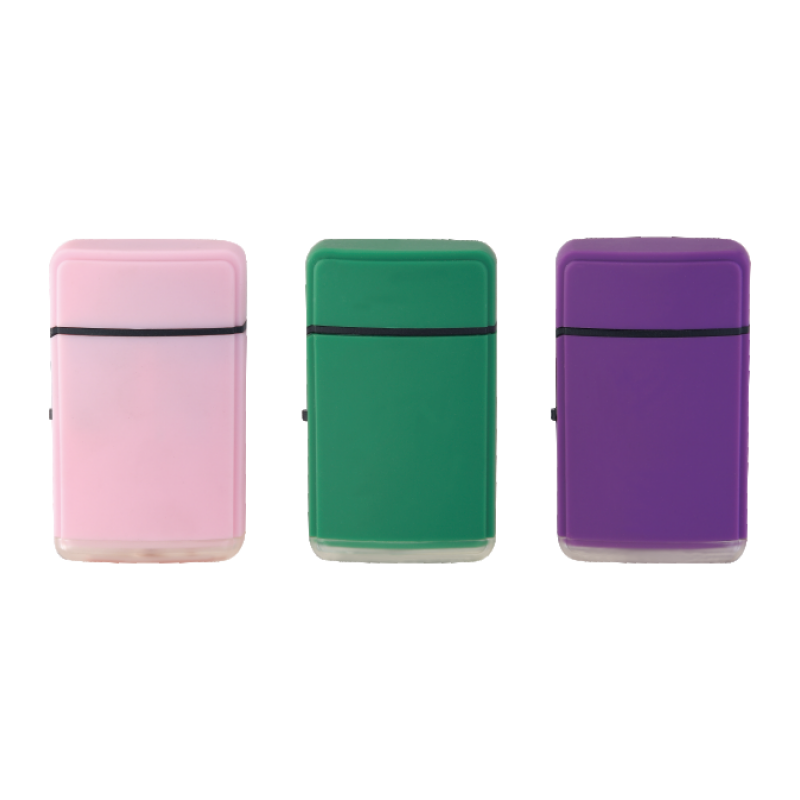
Key Specifications to Consider for Barbecue Grill Lighters
To ensure optimal performance and safety, certain specifications should be carefully evaluated:
Material: Barbecue grill lighters are typically made from plastic and must withstand high temperatures. Ensure that the materials used are flame-retardant and durable enough for repeated use.
Ignition Mechanism: Consider the ignition type, whether electronic or manual. Electronic lighters often provide easier ignition and are more user-friendly, especially in a commercial environment.
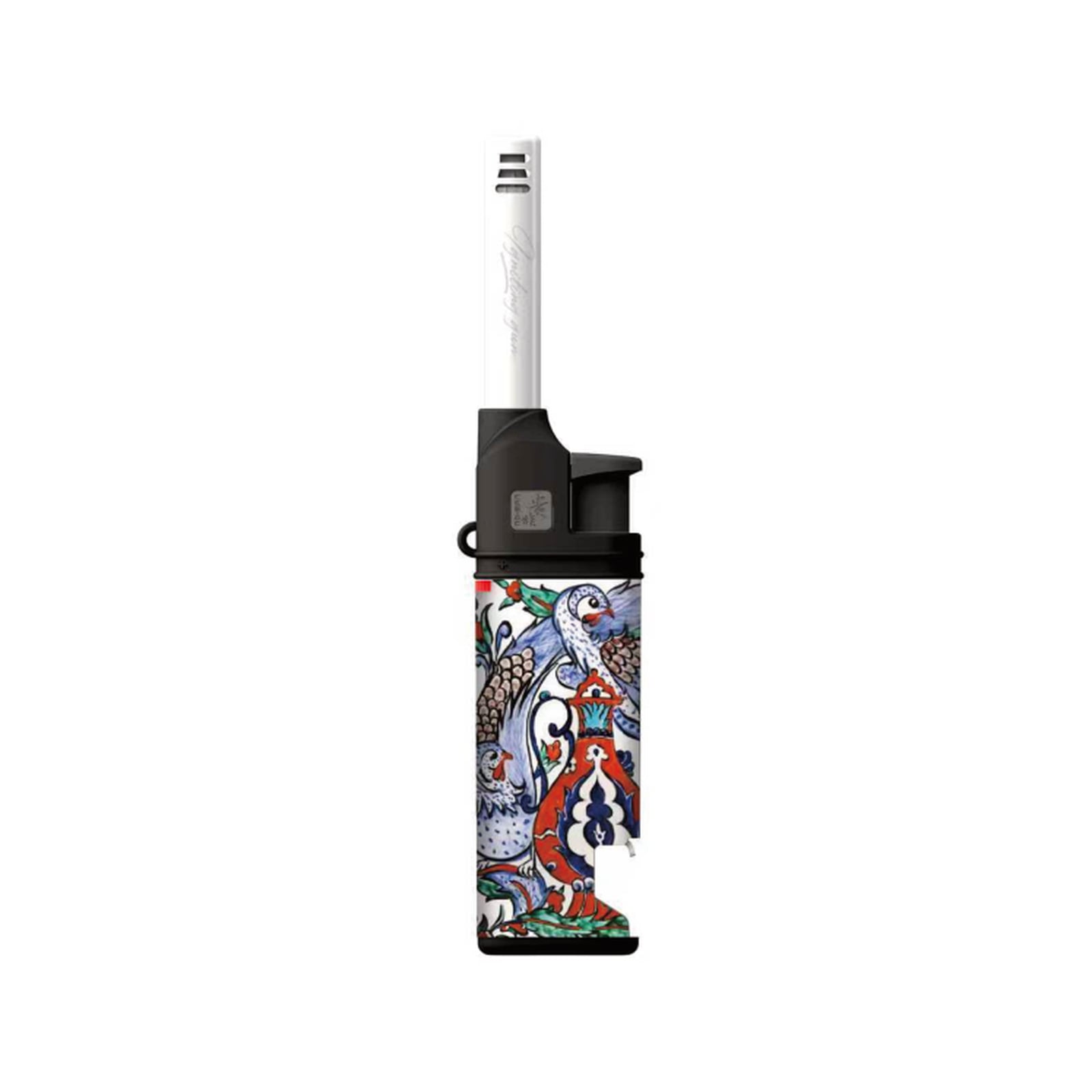
Size and Ergonomics: The dimensions of the lighter should fit the intended use. Longer lighters are often preferred for barbecue grills to keep hands safe from flames. For instance, Normal Flame lighters are designed with ergonomics in mind.
Safety Features: Look for lighters equipped with child-resistant features and safety locks to prevent accidental ignition, especially in commercial kitchens where safety standards are critical.
Performance Rating: Evaluate factors such as flame temperature and burn time, as these will affect usability and efficiency in high-demand environments.
Understanding these specifications will help buyers assess whether a barbecue grill lighter meets their operational needs and safety standards.