 EN

When sourcing a BBQ fire lighter for your business, it’s essential to understand the various options available and the specific requirements that come with them. A BBQ fire lighter is a crucial tool for ensuring efficient ignition of grills and outdoor cooking equipment. B2B buyers often have concerns regarding reliability, safety, and performance, as well as compatibility with different types of fuel and applications. This article will guide you through the essential considerations for selecting the right BBQ fire lighter, evaluating its quality, addressing common issues, and ensuring safe installation.
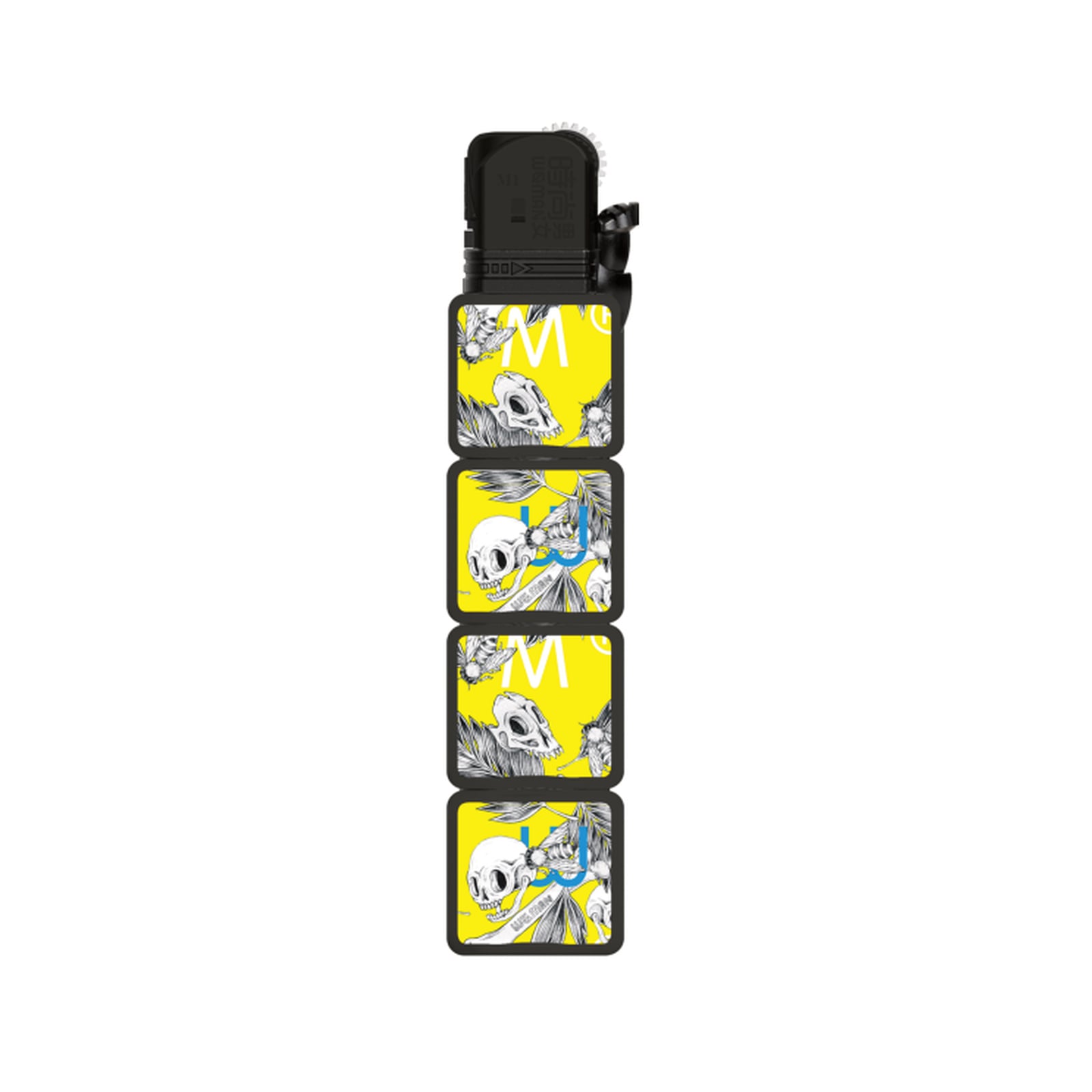
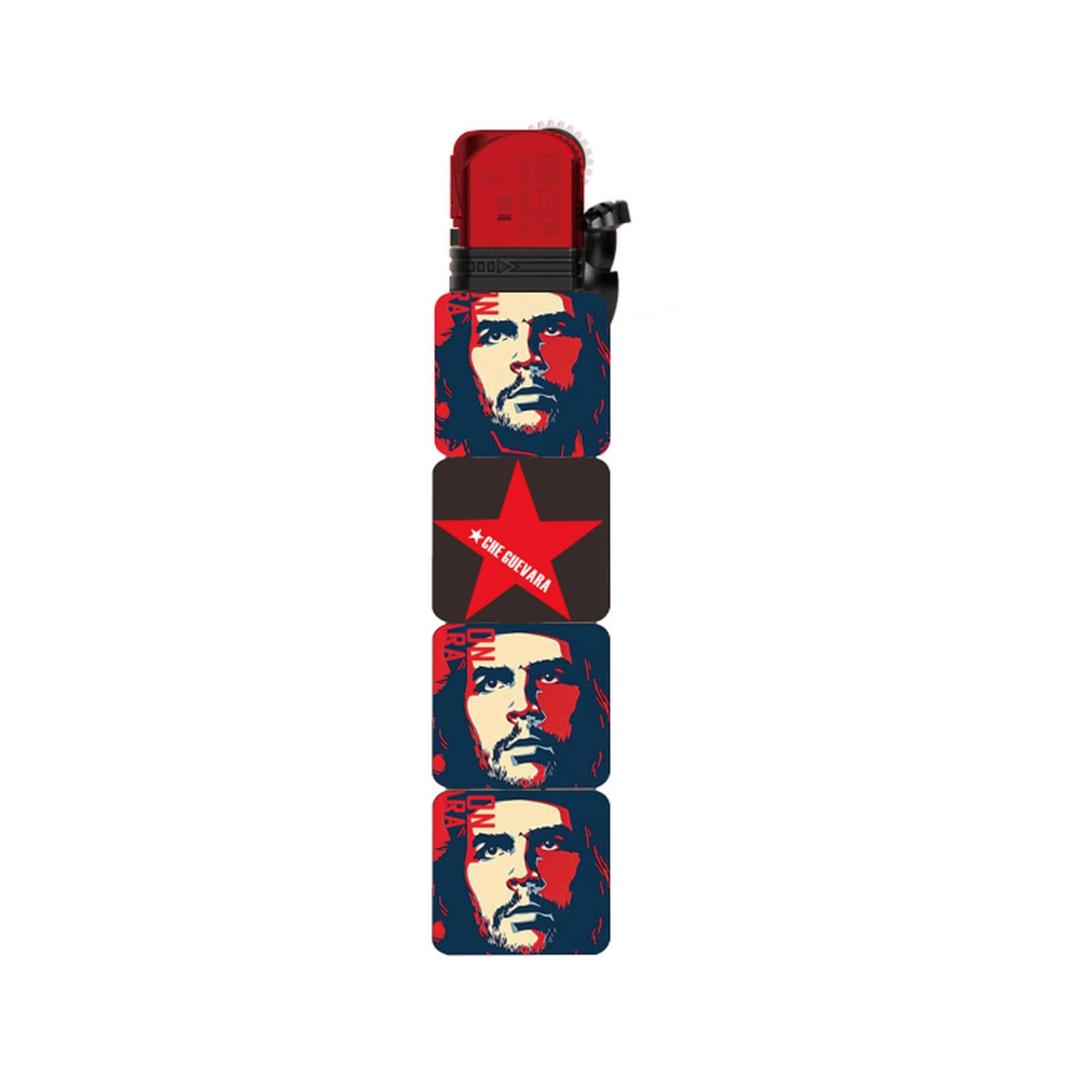
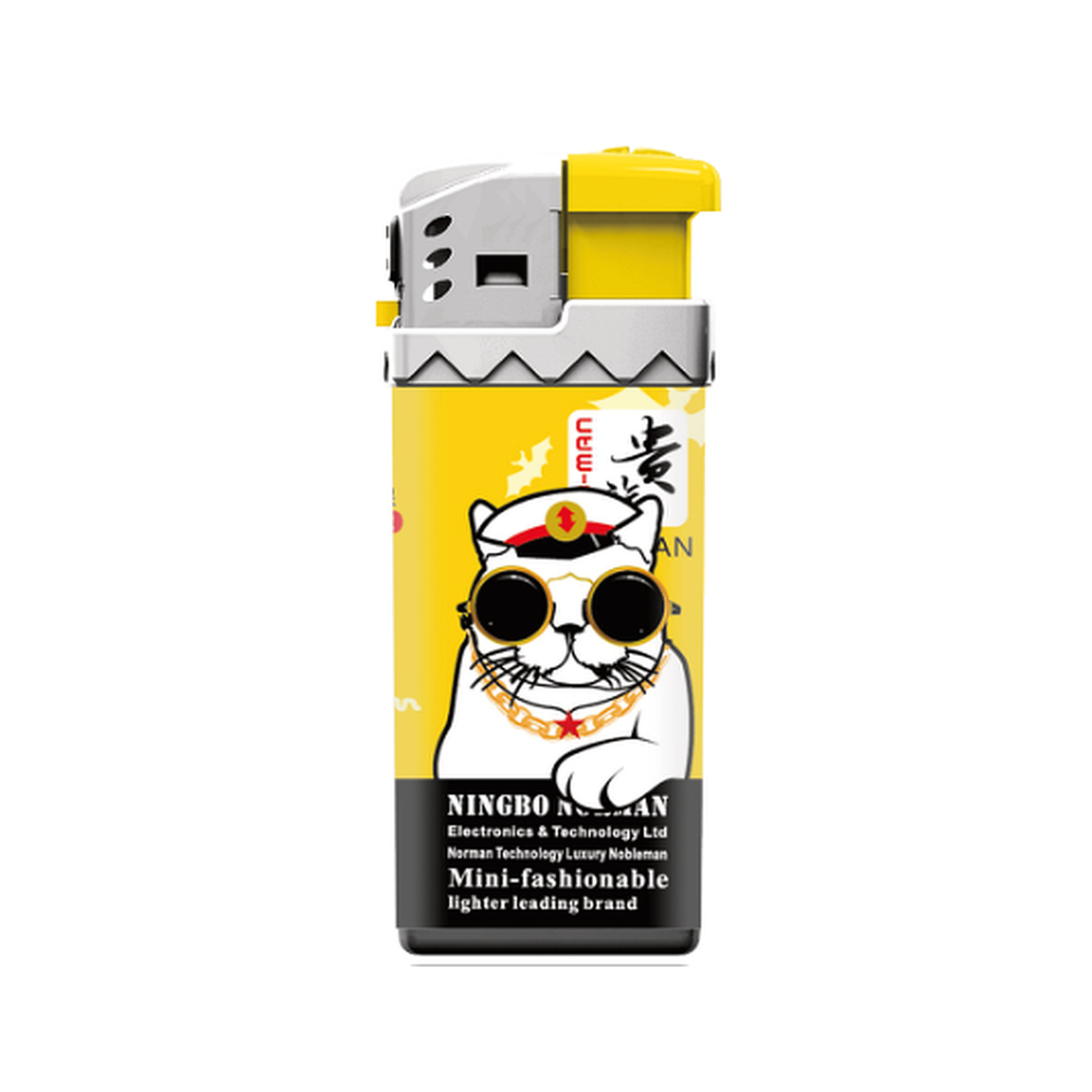
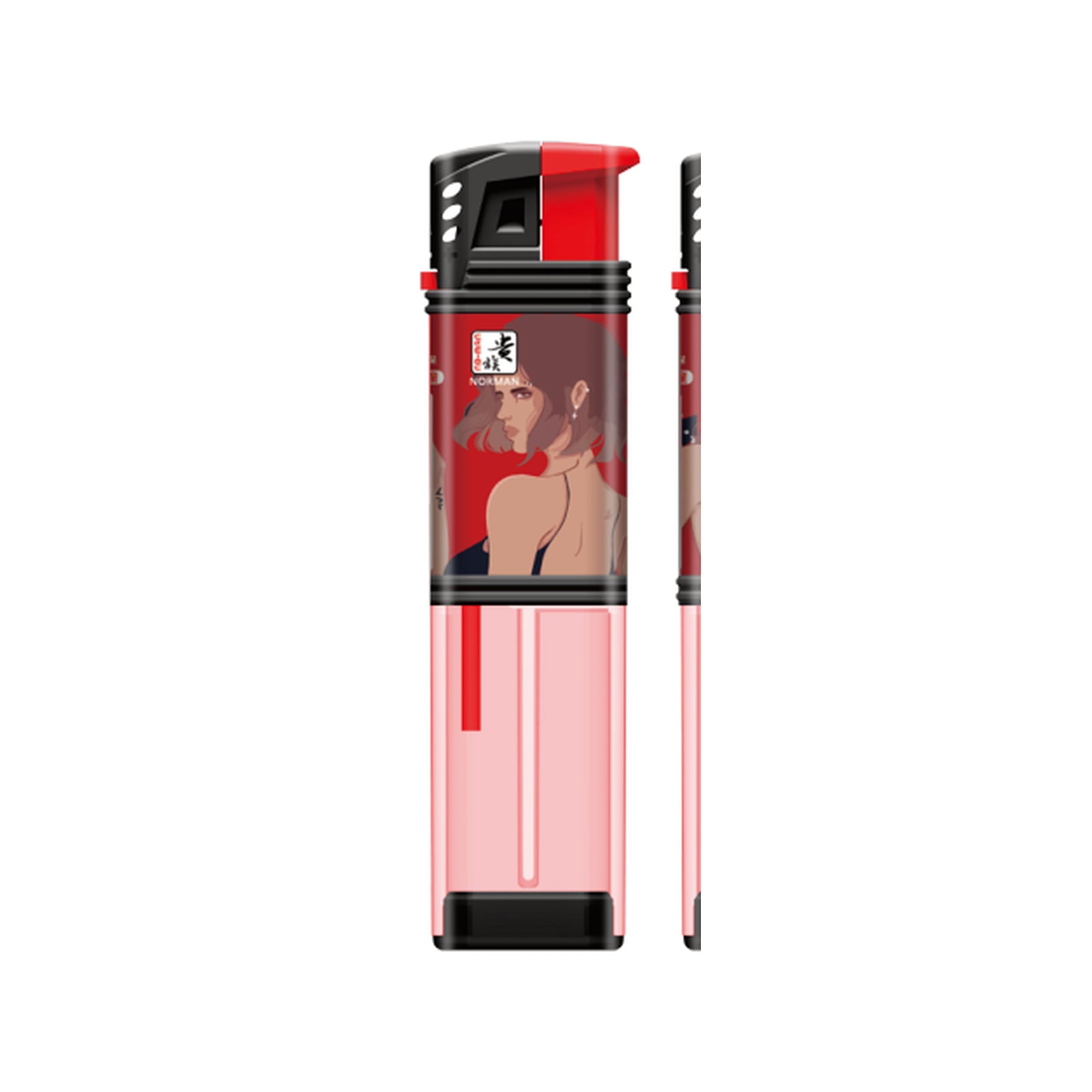
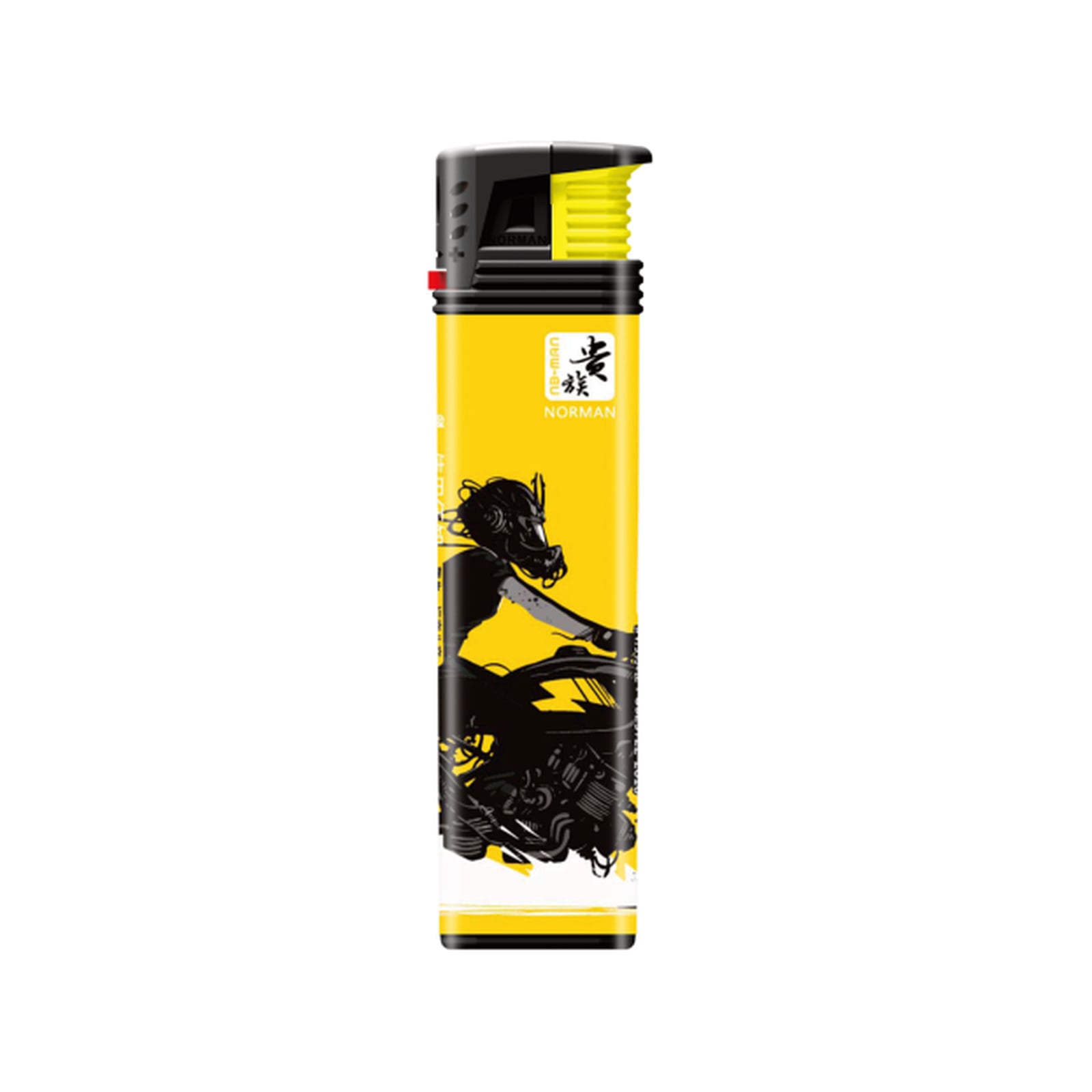
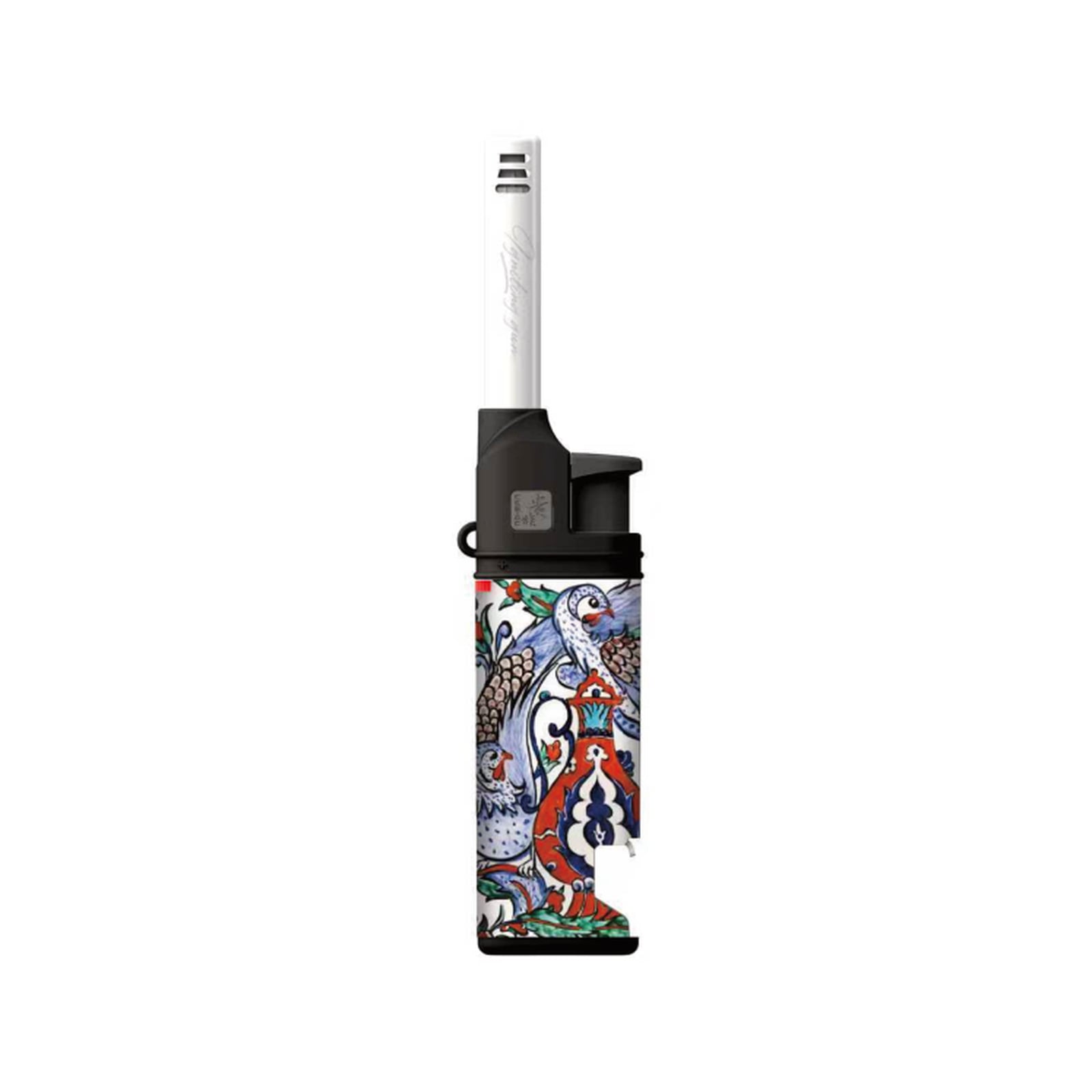
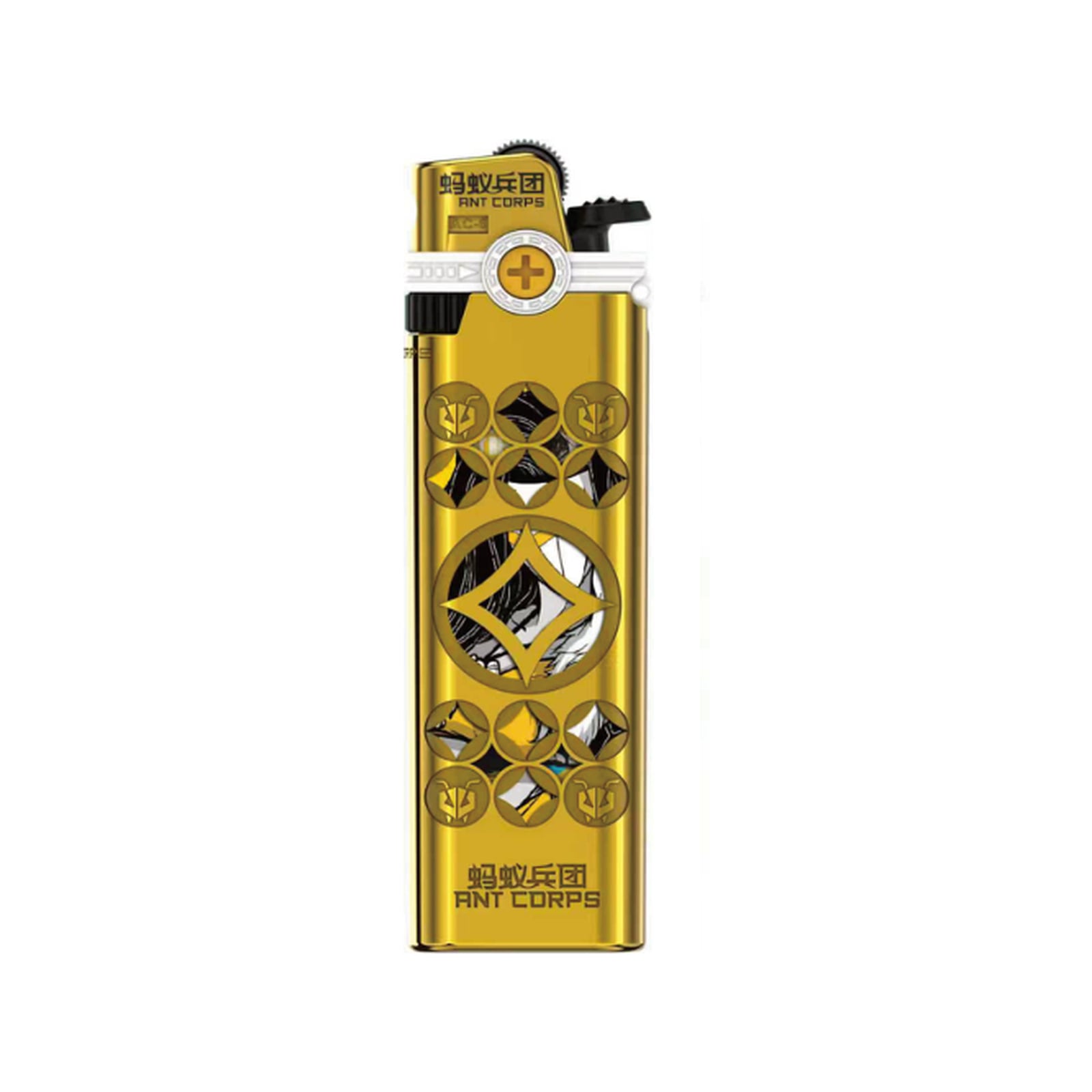
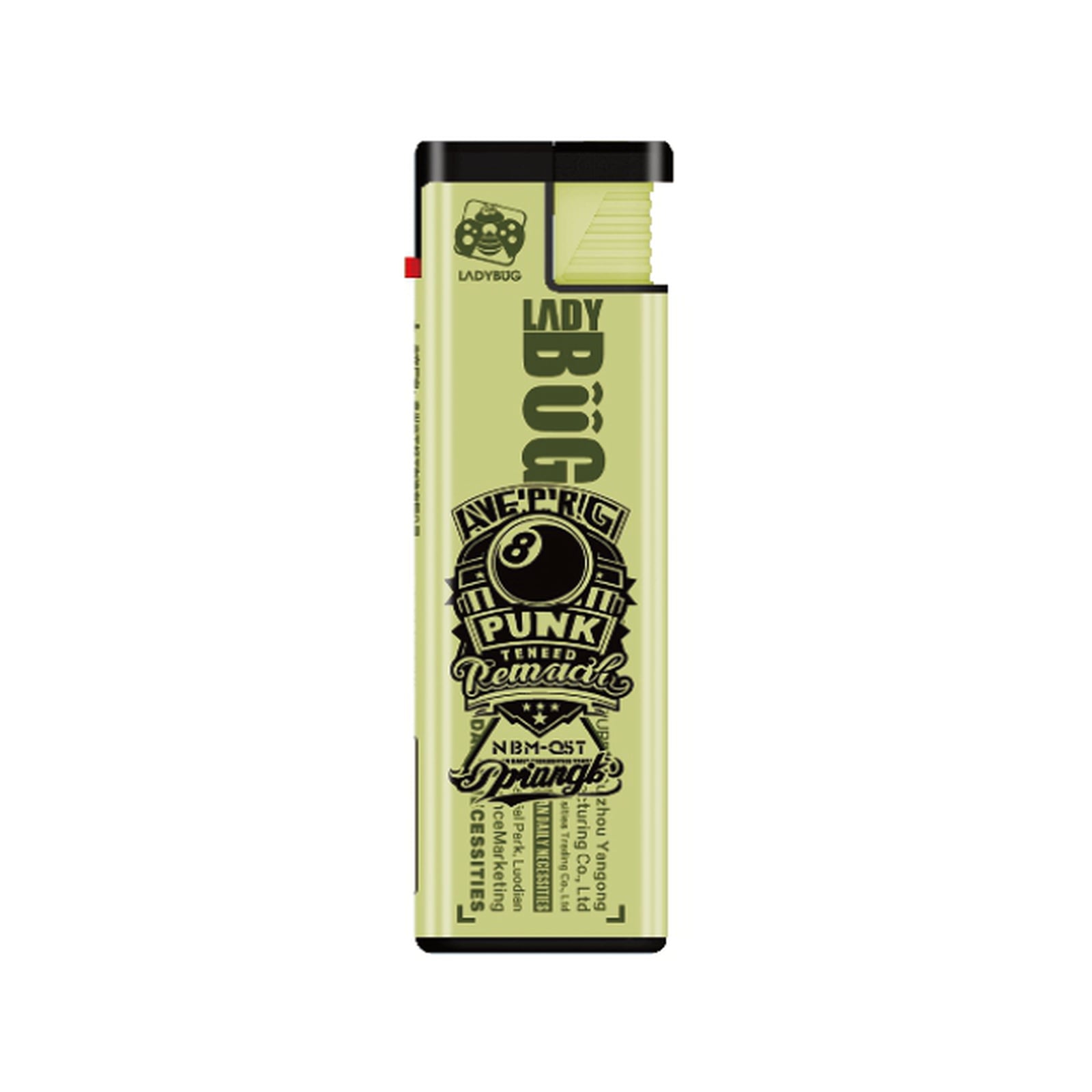
What to Consider
When evaluating BBQ fire lighters, several key factors should be taken into account:
Material and Construction: Look for lighters made from durable materials that can withstand high temperatures and accidental drops. Plastics and metals used in the lighter's construction should be heat-resistant and designed for safety.
Ignition Mechanism: The method of ignition—whether it’s electric or manual—affects ease of use and reliability. Electric igniters can provide a consistent flame with minimal effort, while manual lighters may require more skill and offer less reliability in adverse conditions.
Safety Features: Check for features such as flame guards, child safety locks, and automatic shut-off mechanisms to enhance user safety.
Size and Portability: Depending on your business model, the size and weight of the lighter could impact usability and storage. For mobile businesses, a lightweight and compact design is preferable.
Performance Specifications: Consider the lighter’s flame temperature, burn time, and fuel efficiency. A higher flame temperature can facilitate quicker ignition, which is advantageous in a busy catering environment.