Guide to Barbecue Torch Lighter for Wholesale Orders

Contact me immediately if you encounter problems!

All Categories

barbecue torch lighter

When it comes to outdoor cooking, a reliable barbecue torch lighter is an essential tool for any grilling enthusiast. Whether you're a purchasing manager sourcing for a retail chain, a distributor looking to expand your product line, or an engineer focusing on product specifications, understanding the nuances of barbecue torch lighters is crucial. This article will guide you through the important considerations, specifications, and quality evaluations necessary for making informed wholesale orders of barbecue torch lighters.
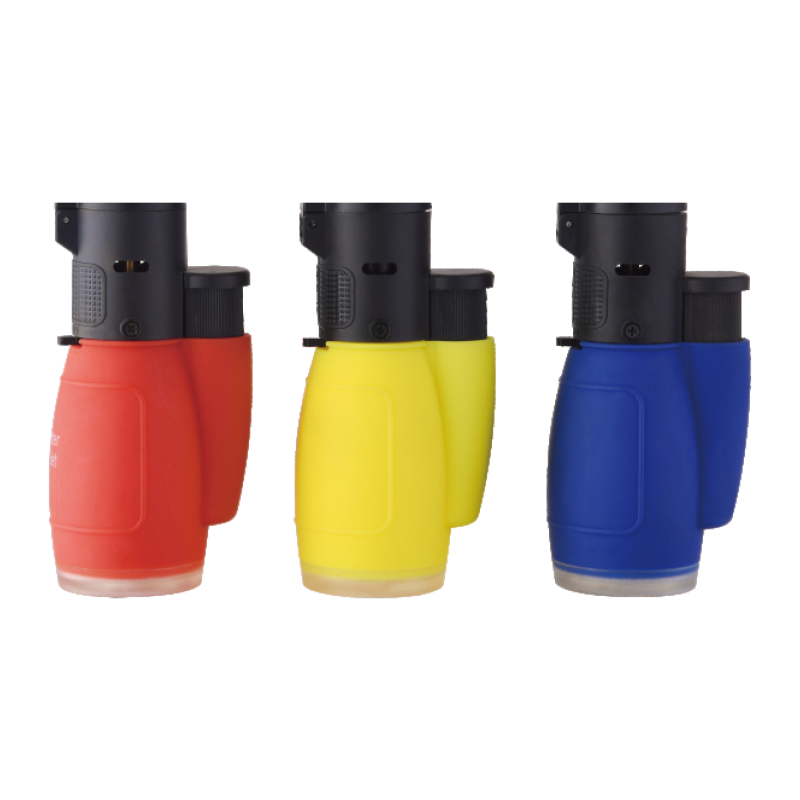
Our Products

Key Specifications to Consider in Barbecue Torch Lighters

When evaluating barbecue torch lighters, several key specifications should be taken into account:

Burning Time: The duration a lighter can be used before needing a refill is crucial. This is particularly important for commercial applications where prolonged use is common.

Temperature Range: Confirm the maximum temperature the torch can reach. This will determine its suitability for different cooking tasks, such as searing meat or lighting charcoal.

Flame Adjustment: Adjustable flame features allow users to control the intensity of the flame based on their specific cooking requirements. This is a desirable feature for both casual and professional cooks.

Materials: The materials used in the lighter should be durable and heat-resistant. Plastic components should be of high quality to withstand heat without warping or degrading over time.

Certification Compliance: Ensure the lighter meets relevant safety standards and certifications, which can vary by market or region. This is crucial for ensuring both compliance and consumer safety.

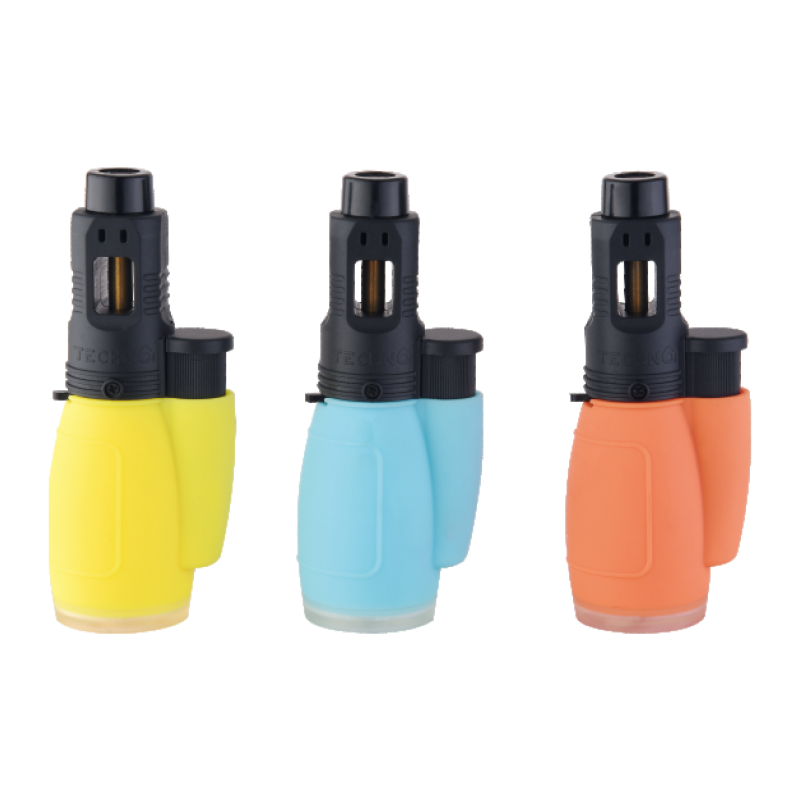
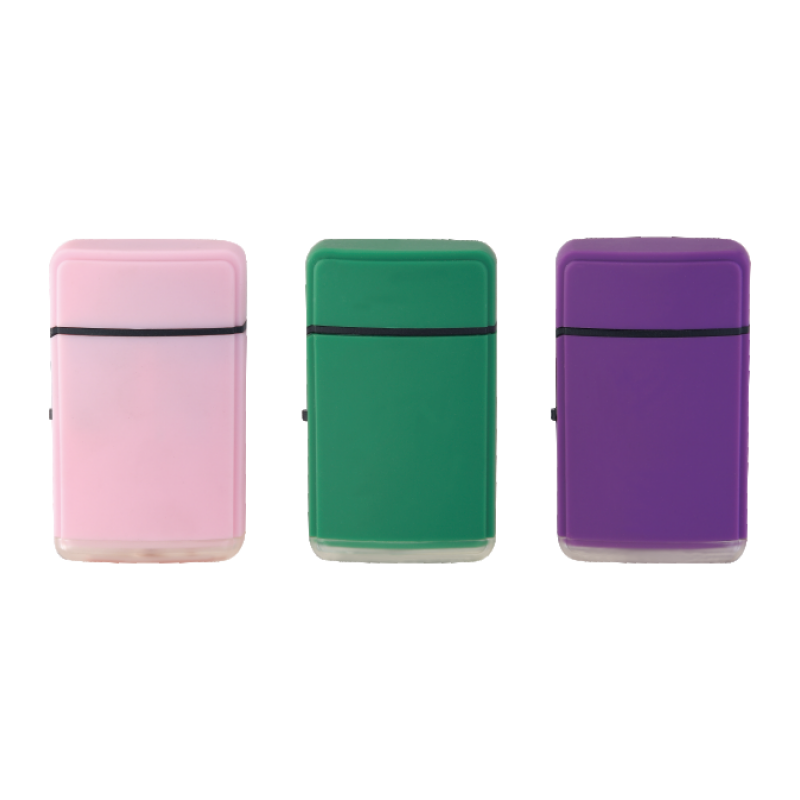
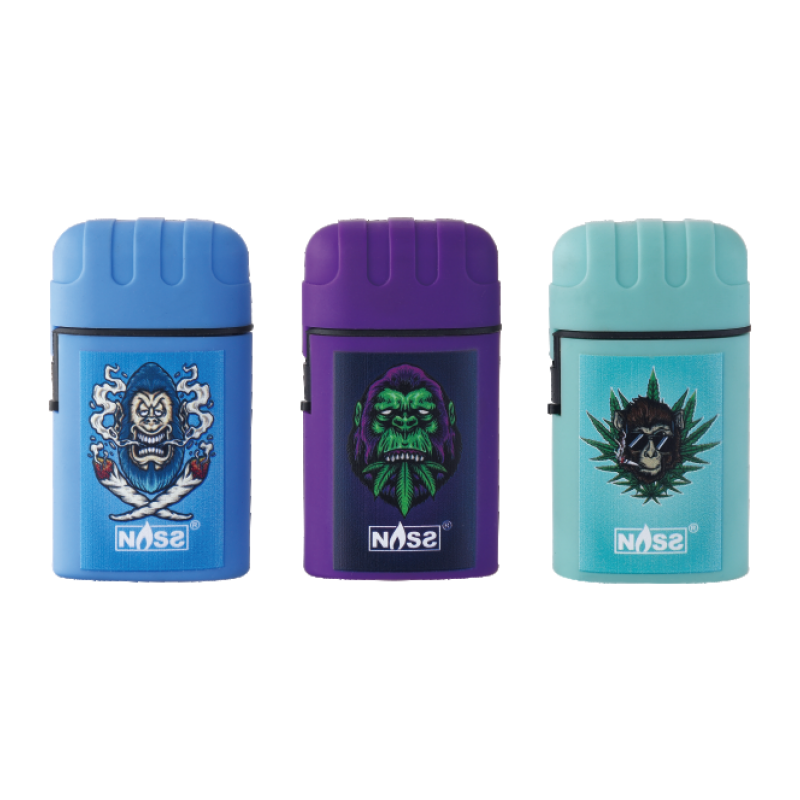
By focusing on these specifications, you can better align your product offerings with market demands and ensure customer satisfaction. One option that meets many of these criteria is the M1-MF-5 Refillable Butane Gas Lighter – Portrait and star modular graphic.

Evaluating the Quality of Barbecue Torch Lighters for Purchase

Quality evaluation is critical when sourcing barbecue torch lighters. Start with these steps:

Sample Approval: Always request samples before committing to a bulk order. Testing samples under actual usage conditions allows you to assess performance, build quality, and safety features.

Material Inspection: Examine the materials used in the lighter. High-quality plastics and metals will enhance durability and performance. Check for any potential issues like brittleness or flammability.

Manufacturing Consistency: Investigate the manufacturer's quality control processes. A supplier with a robust quality assurance system will likely produce more consistent products.

User Feedback: Look for reviews and testimonials from previous buyers. Understanding end-user experiences can provide valuable insights into product reliability and effectiveness.

Warranty and Support: Evaluate the warranty offered by the manufacturer. A solid warranty indicates confidence in the product's quality and can provide peace of mind.

By incorporating these evaluation steps, you can make more informed decisions and minimize the risk of purchasing inferior products.

Understanding the Cost Factors for Bulk Barbecue Torch Lighters

The cost of barbecue torch lighters can vary significantly based on several factors:

Material Costs: The choice of materials directly impacts the final price. High-quality, durable materials may increase costs but can lead to better performance and customer satisfaction.

Production Volume: Typically, bulk orders benefit from lower prices per unit due to economies of scale. Discuss minimum order quantities (MOQ) with your supplier to understand pricing tiers.

Customization: If you require customized features, such as branding or specific design alterations, this can increase the cost. Be sure to clarify customization options and related costs upfront.

Transport and Shipping: Consider the logistics involved in getting the products to your location. Shipping costs can vary based on distance, weight, and shipping method.

Market Demand: Keep an eye on current market trends that might affect the pricing. Seasonal demands can influence costs, particularly in peak grilling seasons.

Understanding these cost factors will help you create a more accurate budget and pricing strategy for your offerings.

Installation Guidance for Barbecue Torch Lighters in Various Settings

Proper installation and usage of barbecue torch lighters are essential for safety and performance. Here are some guidelines:

Read the Manual: Always refer to the manufacturer's manual for specific installation and operational instructions. This is particularly important for understanding safety features and maintenance requirements.

Installation Location: For commercial applications, ensure the lighter is installed in a well-ventilated area away from flammable materials. This helps to mitigate hazards associated with gas-powered lighters.

User Training: Provide training for users, especially in commercial settings. Ensure that staff understands the correct operation, safety protocols, and maintenance practices.

Regular Maintenance: Encourage regular checks for leaks and wear. A simple inspection can prevent accidents and ensure consistent performance.

Compliance with Local Regulations: Be aware of any local safety regulations that may apply to the use of gas-powered devices. Compliance not only ensures safety but also protects your business from potential liabilities.

Following these installation guidelines will enhance safety and performance, ensuring that your barbecue torch lighters meet operational expectations. By understanding these essential aspects of barbecue torch lighters, you can make informed purchasing decisions that align with your business needs and customer expectations.

Choosing the Right Barbecue Torch Lighter for Wholesale Orders

Selecting the right barbecue torch lighter involves understanding your target market's needs and the specific applications for which the lighter will be used. For example, a lighter designed for home use may differ significantly from one intended for commercial barbecue operations. Consider the following factors:

Fuel Type: Barbecue torch lighters can be fueled by butane, propane, or a mixture. Depending on the intended use, the fuel type may affect performance and safety standards.

Ignition Mechanism: Electronic ignition is generally preferred for convenience and reliability, particularly in a commercial setting. Manual ignition lighters may be more suited for occasional use.

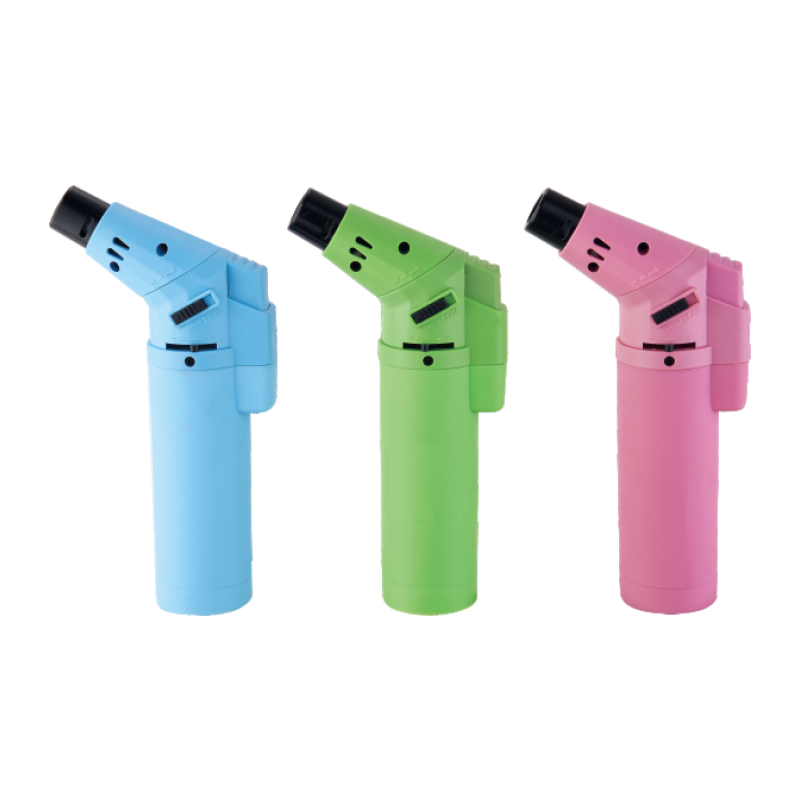
Size and Design: Ergonomics plays a vital role. A lighter that is comfortable to hold and easy to maneuver will appeal more to end-users. Ensure that the design aligns with your customer's preferences.

Safety Features: Integrated safety lock mechanisms are essential for preventing accidental ignition, particularly in households with children or in busy commercial kitchens.

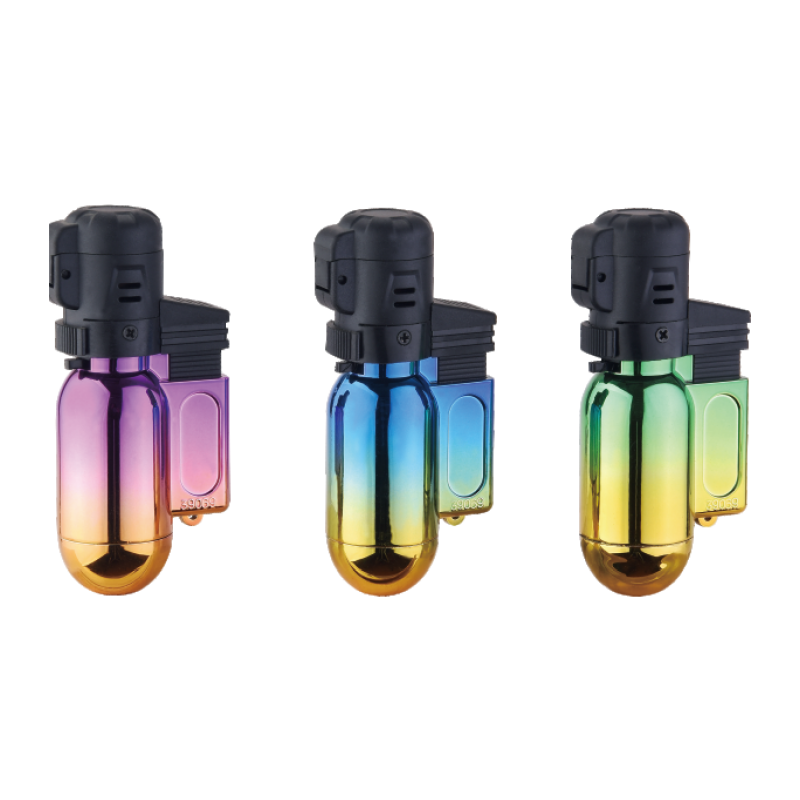
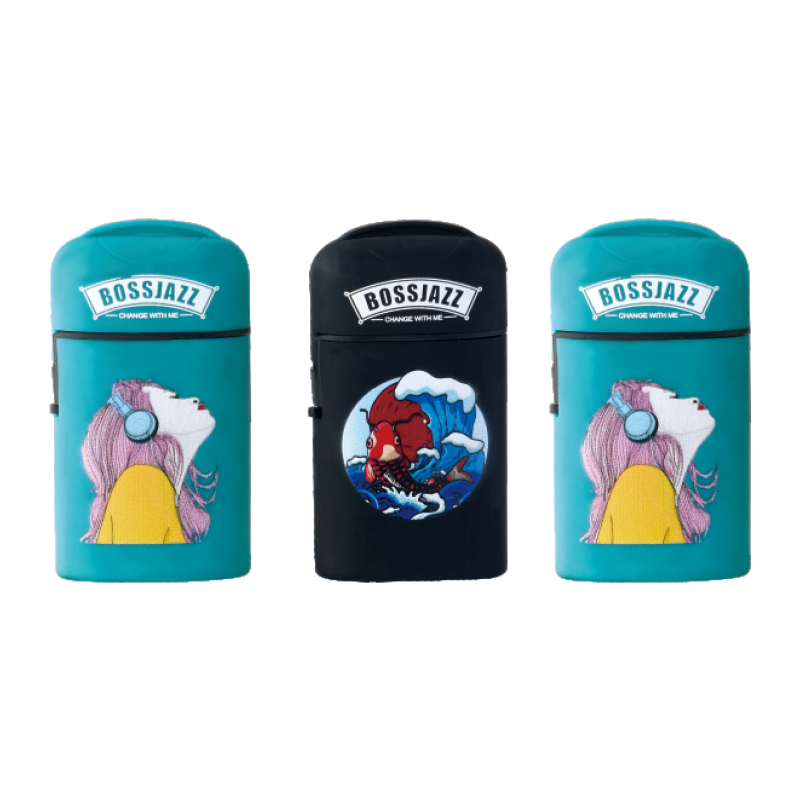
When approaching a manufacturer like Ningbo Shunhong Lighter Manufacture Co., Ltd., provide clear specifications and target demographics to ensure the product aligns with your needs. For instance, you might want to consider options like the Q6T Refillable Butane Gas Lighter – Slim printed fashion body for its user-friendly design.

Get a Free Quote

Our representative will contact you soon.
Email
Mobile
Name
Company Name
Message
0/1000

Related product categories