Choosing the Right Utility Lighter for Wholesale Needs

Contact me immediately if you encounter problems!

All Categories

utility lighter

Utility lighters are essential tools for various applications, providing a reliable ignition source for both personal and commercial use. As a B2B buyer, understanding the nuances of utility lighters is crucial to meet your wholesale needs effectively. This article will help you navigate the selection process, identify key specifications, consider cost factors, and understand what to expect from your utility lighter source, while also addressing common problems and their solutions.
Our Products

Key Specifications to Look for in Utility Lighters

Understanding key specifications is critical when evaluating utility lighters. Here are some essential aspects to consider:

Material: Utility lighters are typically made from durable plastic, but variations in quality can affect performance and safety. Ensure the materials used meet safety standards and are suitable for the intended application.

Fuel Type: Most utility lighters use butane as fuel, which provides a reliable and consistent flame. Confirm the fuel capacity, as this impacts usage duration and refill frequency.

Ignition Mechanism: Assess the ignition mechanism—manual versus electronic. Electronic lighters often provide a more reliable ignition, especially in adverse weather conditions.

Safety Features: Look for lighters with child safety locks and flame adjustment features. These can enhance user safety and prevent accidental ignition.

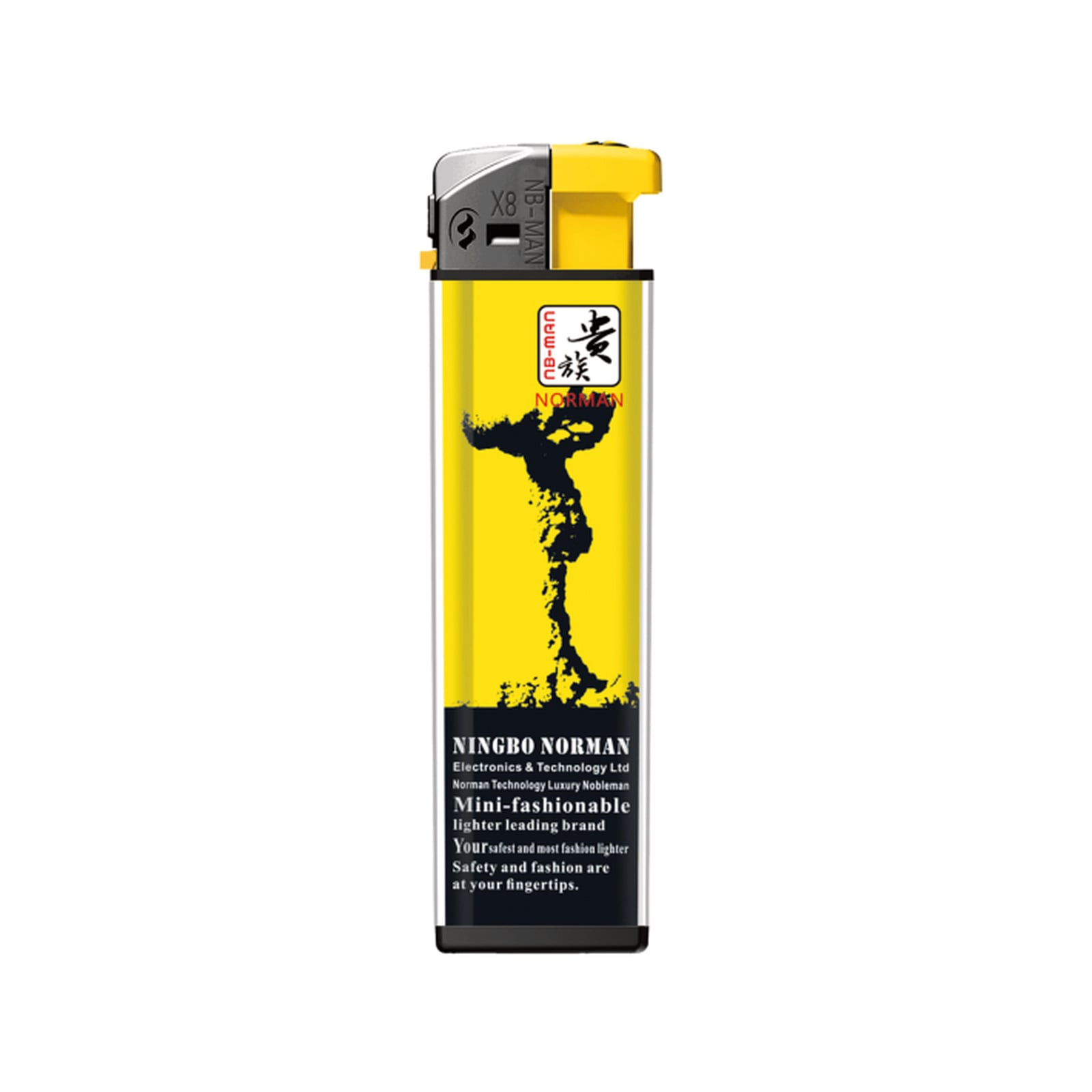
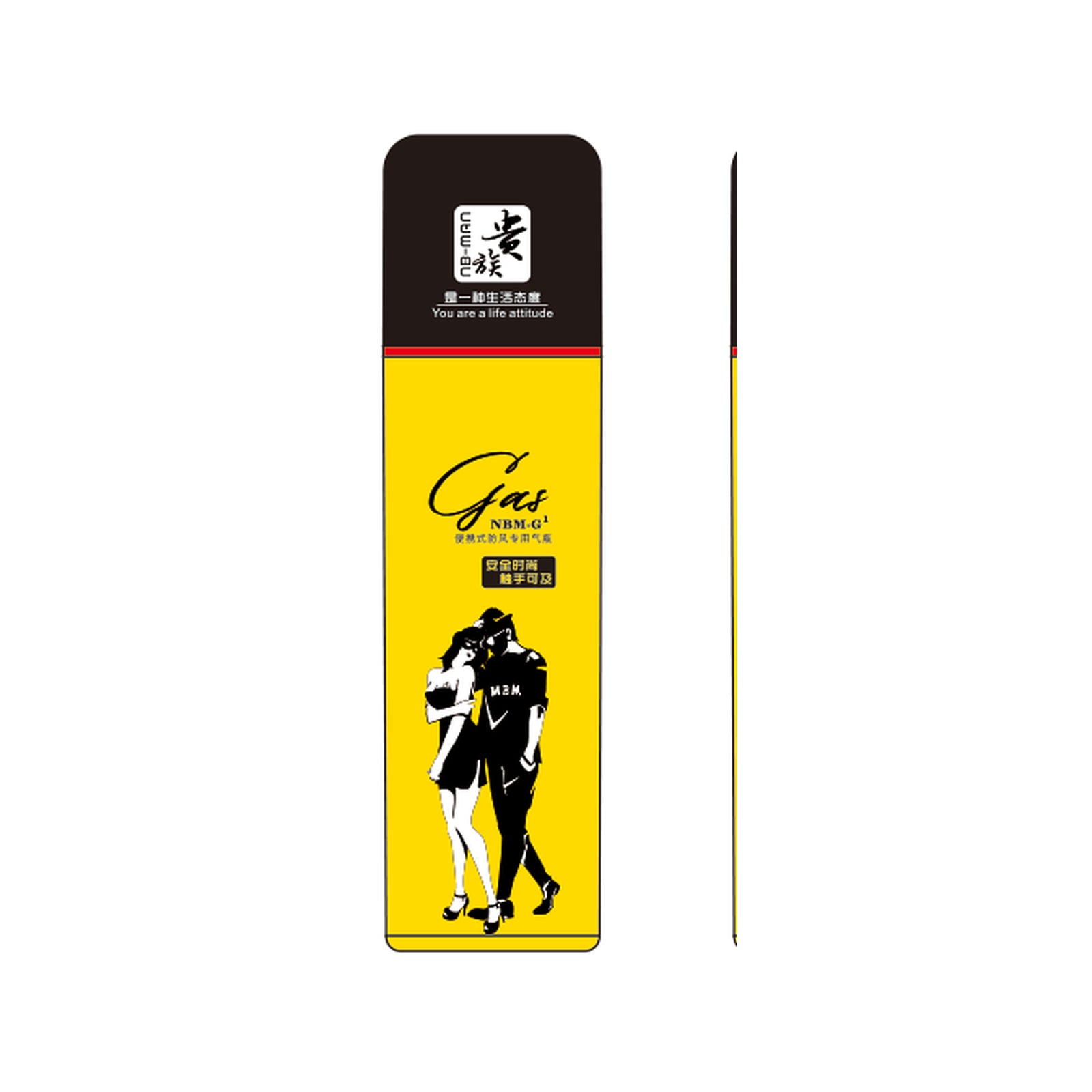
Size and Weight: Depending on the application, the size and weight of the lighter can influence usability. For instance, lighter models may be more convenient for outdoor activities, while heavier models might be more appropriate for industrial settings. The NBM-X3S Refillable Butane Gas Lighter – Compact yellow cartoon print is an excellent choice for a fun and functional outdoor lighter.

By focusing on these specifications, you can ensure that the utility lighters meet both your and your customers' expectations.

Cost Factors to Consider When Sourcing Utility Lighters

Cost is a significant consideration when sourcing utility lighters. Here are several factors that can influence pricing:

Material Costs: The choice of materials directly affects the unit price. Higher-quality plastics or additional safety features will increase costs, but they may also enhance product longevity and user satisfaction.

Production Volume: Generally, larger orders can attract bulk pricing discounts. Discuss with your supplier about tiered pricing structures based on order quantity to maximize cost efficiency.

Customization: Customizing lighters with logos or unique designs often incurs additional charges. It's essential to balance the added cost of customization against the potential marketing benefits it provides.

Shipping and Handling: Factor in shipping costs, particularly for international orders. Understanding your supplier's logistics capabilities can help you anticipate total costs more accurately.

Market Fluctuations: Keep an eye on market trends affecting raw materials and fuel prices, as these can cause fluctuations in your sourcing costs.

By considering these factors, you can develop a comprehensive budget for your utility lighter purchases.

What to Expect from Your Utility Lighter Source

When sourcing utility lighters, you should expect a reliable partnership that supports your business needs. Here are key aspects to consider:

Quality Assurance: A reputable manufacturer should have robust quality control processes in place. Ask about their testing methods and certifications to ensure that their products meet safety and performance standards.

Communication: Clear and timely communication is critical for a successful partnership. Ensure your supplier is responsive to inquiries and provides updates on order status, especially regarding production timelines and shipping.

Flexibility: A reliable supplier should be willing to accommodate your specific requirements, whether it’s adjustments to product specifications or addressing unique packaging needs.

After-Sales Support: Consider the level of after-sales support provided. This includes handling returns, warranty claims, and addressing any issues with product quality.

Reputation: Research the manufacturer’s reputation in the industry. Reviews and testimonials from other buyers can provide valuable insights into their reliability and product quality.

Establishing a strong relationship with your utility lighter source will facilitate smoother transactions and better product outcomes.

Common Problems with Utility Lighters and Effective Solutions

While utility lighters are generally reliable, issues can arise. Here are some common problems and practical solutions:

Failure to Ignite: This can often be attributed to low fuel levels or a faulty ignition mechanism. Regularly check fuel levels and ensure the lighter is adequately charged. If problems persist, consider testing different models or brands.

Inconsistent Flame: An inconsistent flame may result from blockages in the fuel line or issues with the ignition system. Regular maintenance and cleaning can help ensure proper functionality. If a particular model is consistently problematic, evaluate alternatives.

Safety Concerns: Issues such as accidental ignition or failure to extinguish can pose risks. Choose lighters with built-in safety features and educate users on proper handling and storage practices to mitigate risks.

Durability Issues: Lighters may suffer wear and tear, especially in industrial settings. Opt for models that are specifically designed for rugged use and ensure that they undergo rigorous testing for durability.

Customization Challenges: If your lighter has a logo or design that is prone to fading or chipping, consider discussing these concerns with your supplier. They may offer different printing techniques or materials that enhance durability.

By proactively addressing these common issues, you can improve customer satisfaction and reduce the likelihood of returns or complaints.

In summary, utility lighters serve various purposes across different sectors, making informed purchasing decisions essential. By understanding product specifications, cost factors, supplier expectations, and potential issues, you will be well-equipped to source the right utility lighters for your business needs.

Choosing the Right Utility Lighter for Your Wholesale Needs

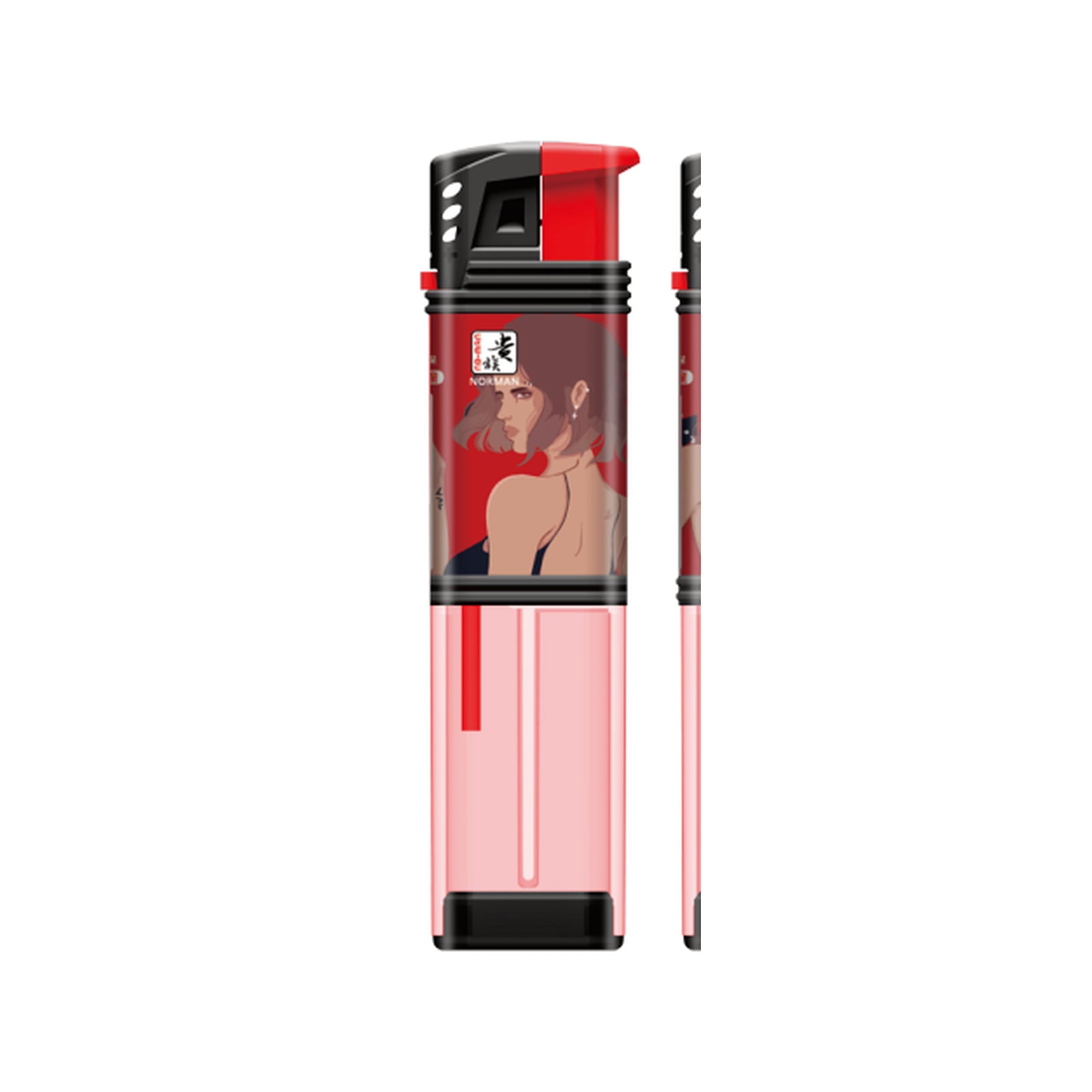
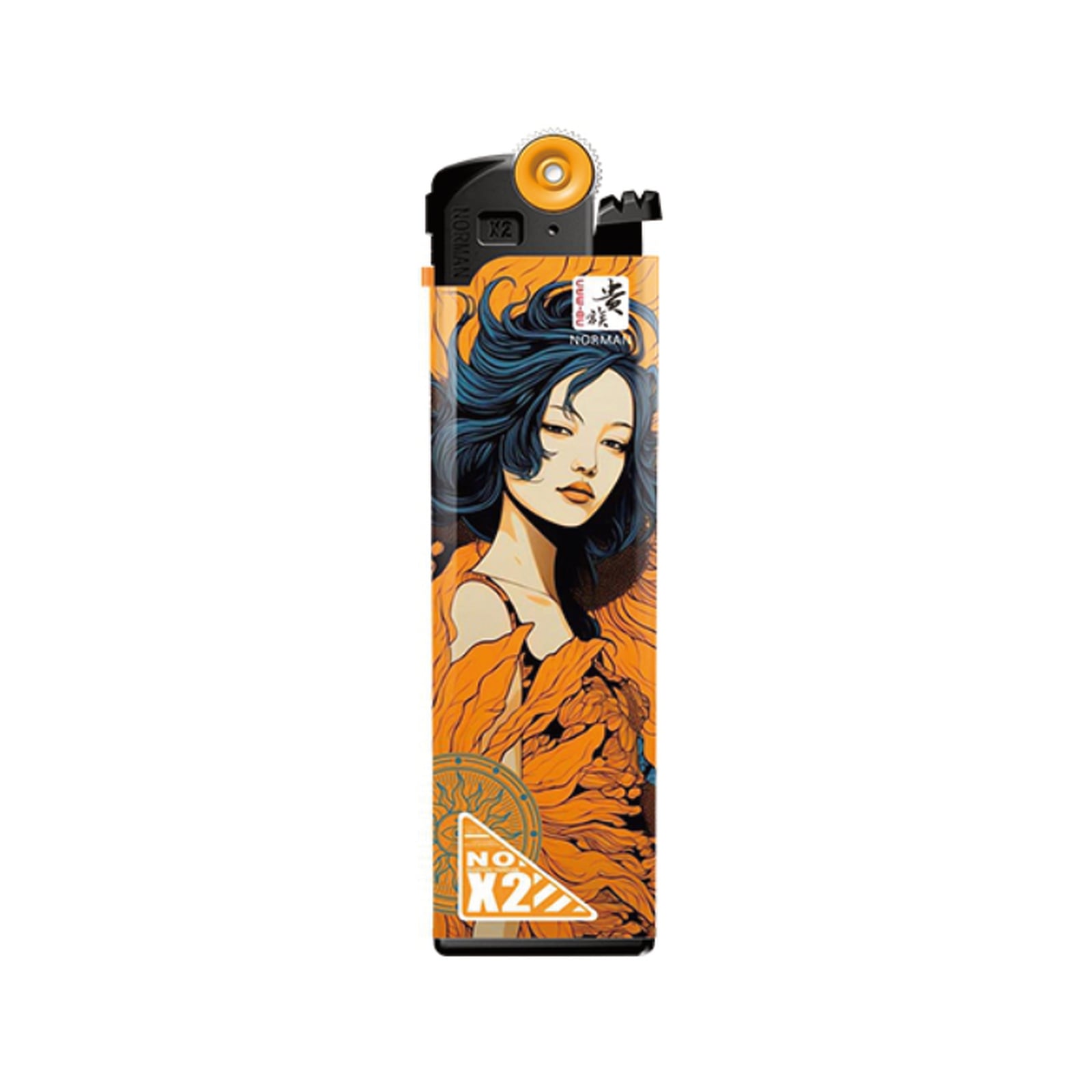
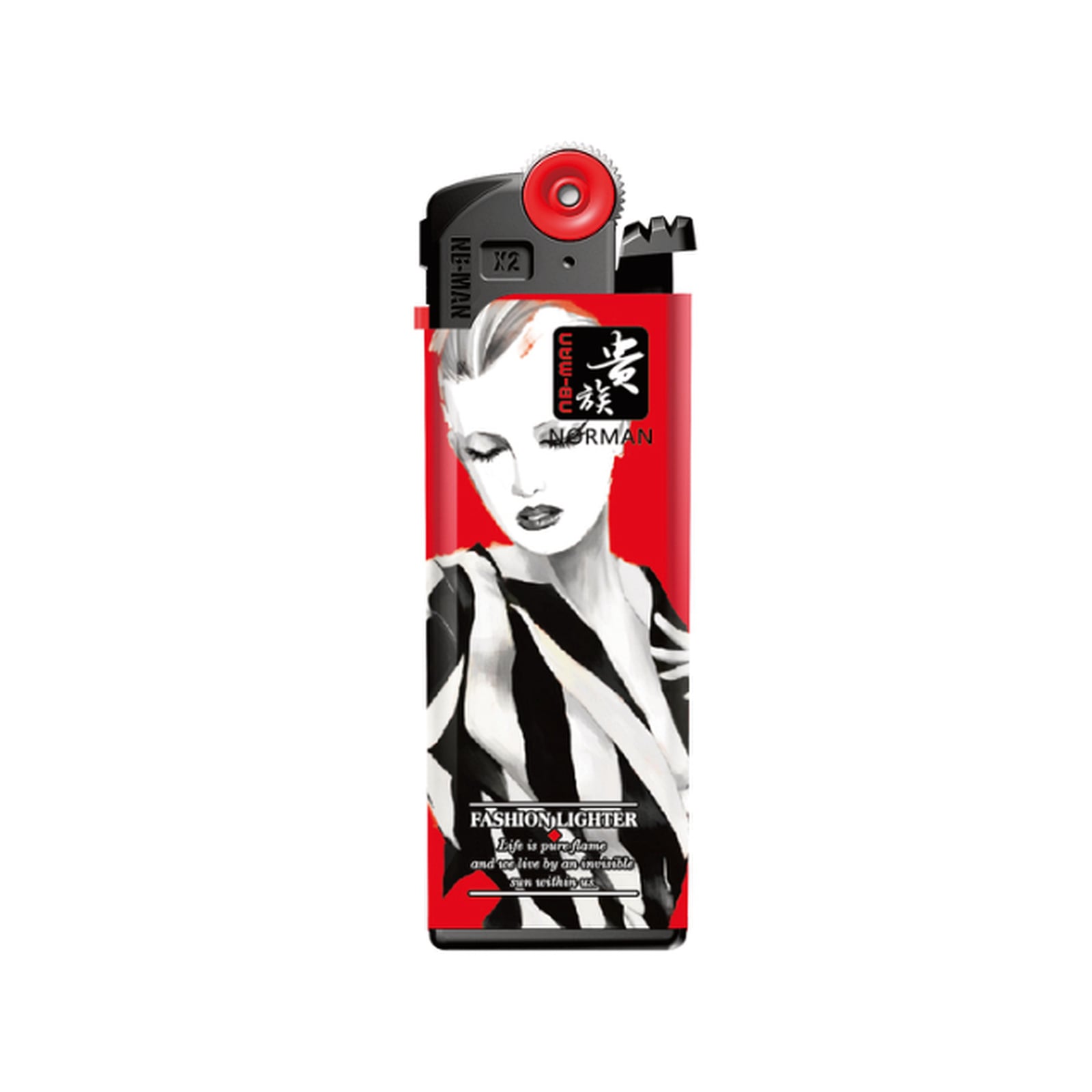
When selecting a utility lighter for wholesale purposes, consider the intended application. For instance, lighters designed for outdoor use may require additional features such as wind resistance or extended reach, while those intended for indoor use may prioritize aesthetics and safety features. Assess your target market to determine the most suitable model, whether it’s a plastic electronic lighter or a promotional variant. For example, the Q6T Refillable Butane Gas Lighter – Slim printed fashion body could be a great addition for those looking for stylish options.

Additionally, evaluate the customization options available. Many manufacturers, including Ningbo Shunhong Lighter Manufacture Co., Ltd., offer branding capabilities, allowing you to incorporate your logo or design onto the lighter. This not only enhances visibility for your brand but also adds value for your customers.

Finally, consider the Minimum Order Quantity (MOQ) requirements and lead times, which can vary by supplier. Establishing clear communication with manufacturers regarding your needs will ensure that you receive the best product for your customers.

Get a Free Quote

Our representative will contact you soon.
Email
Mobile
Name
Company Name
Message
0/1000

Related product categories