EN

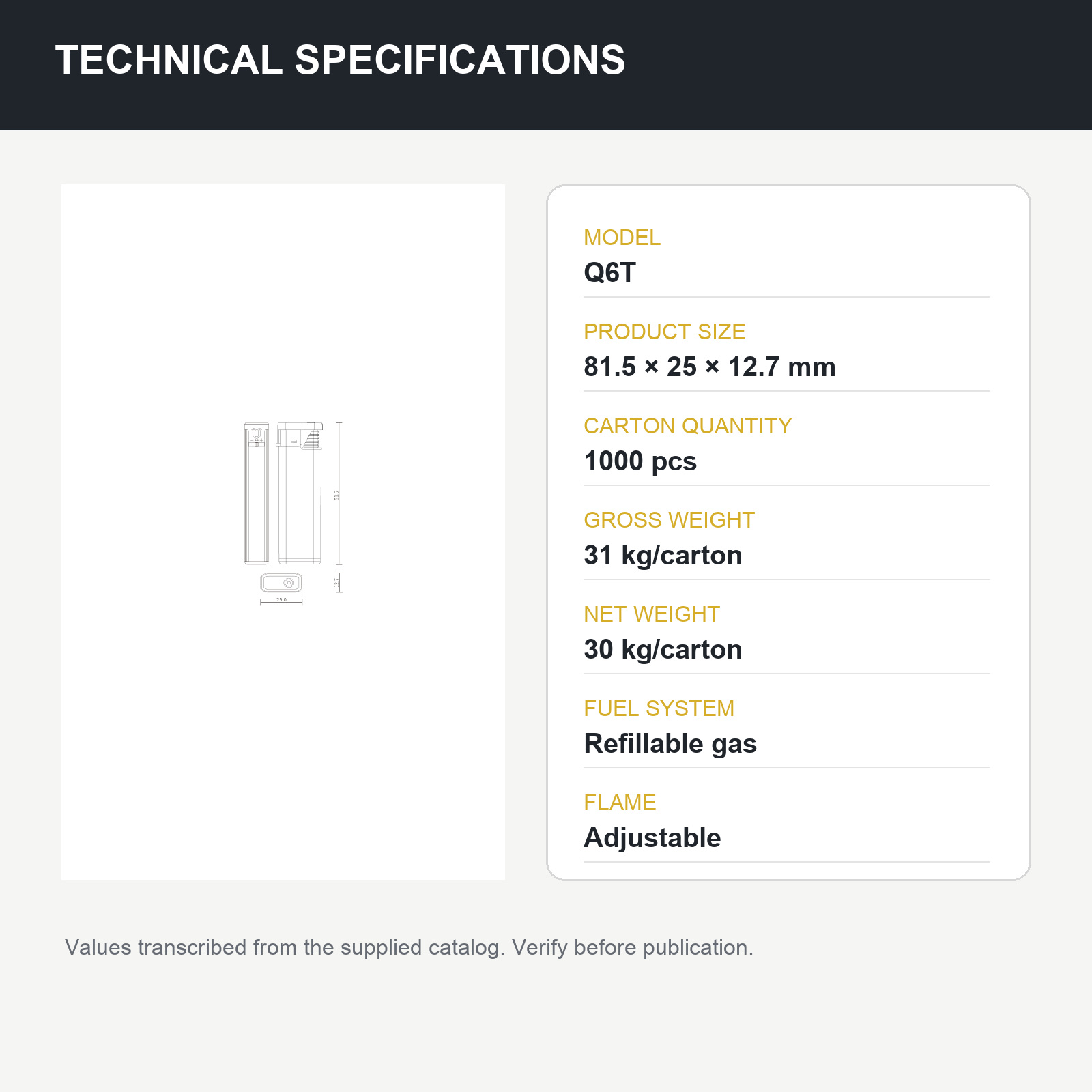
Flint lighters are essential tools in various industries, providing reliable ignition for a multitude of applications. As a B2B buyer, your primary concerns may include product quality, sourcing reliability, and suitability for your specific needs. This article will guide you through the critical aspects of selecting flint lighters for wholesale, understanding their specifications, sourcing suppliers, identifying common issues, and ensuring quality control in manufacturing.
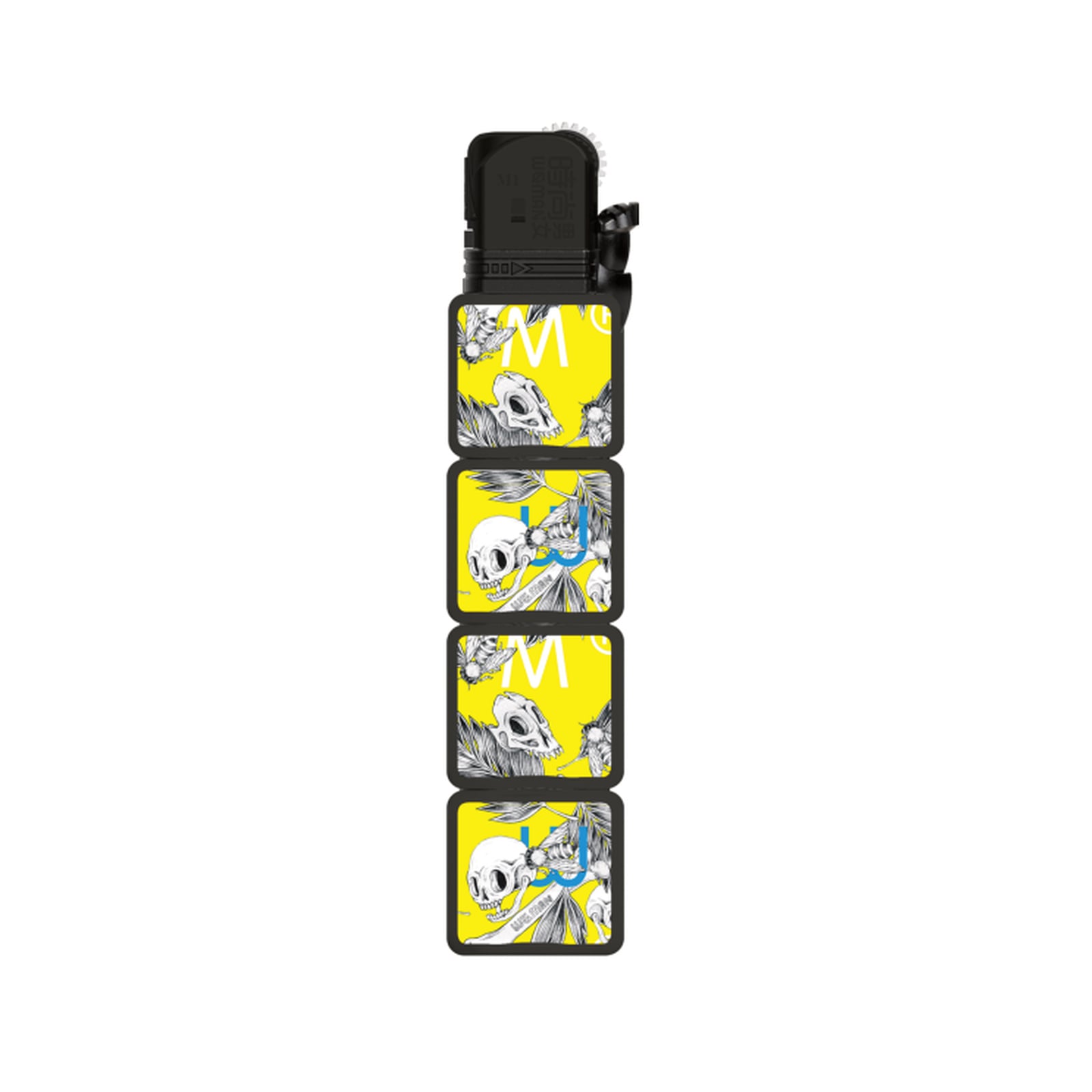
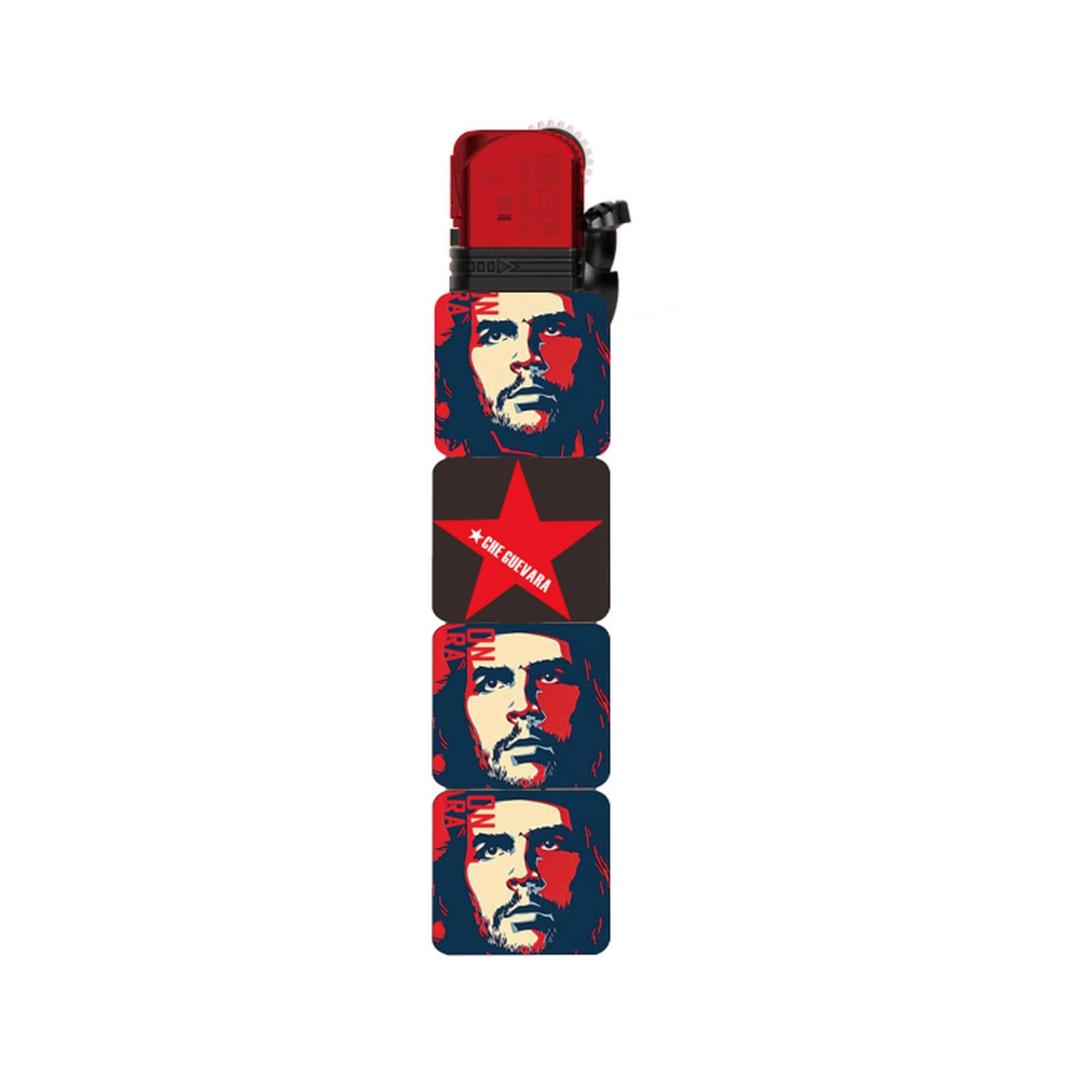
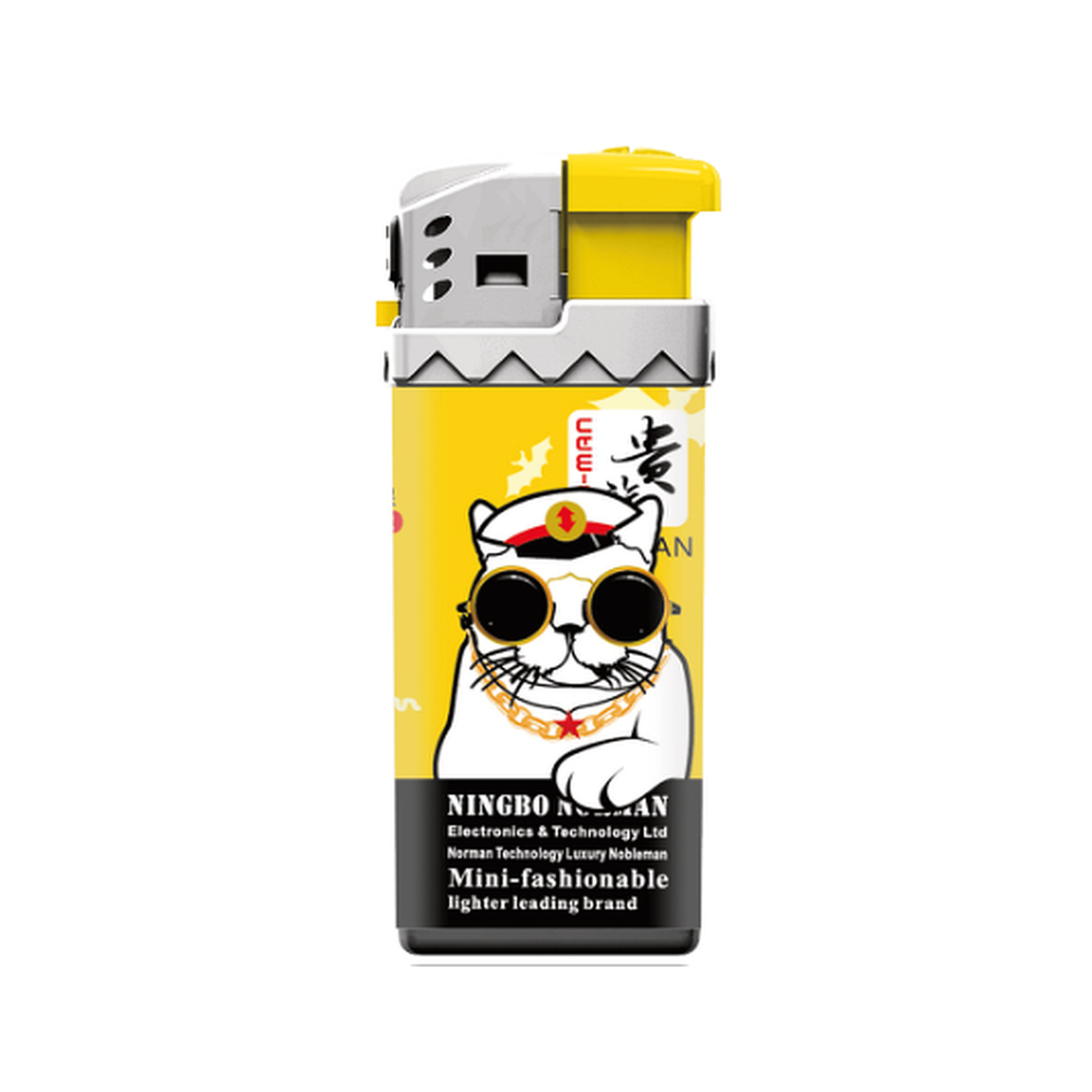
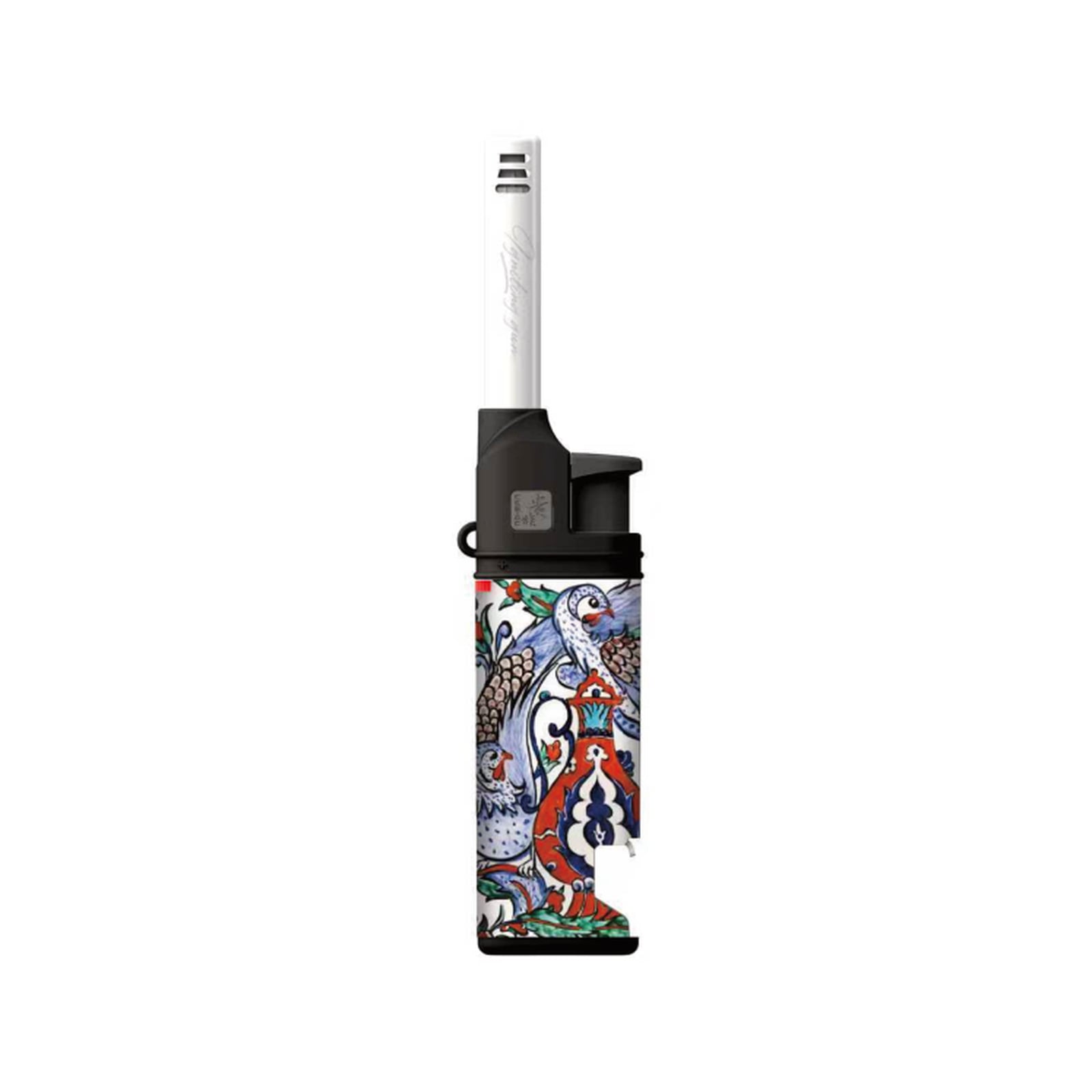
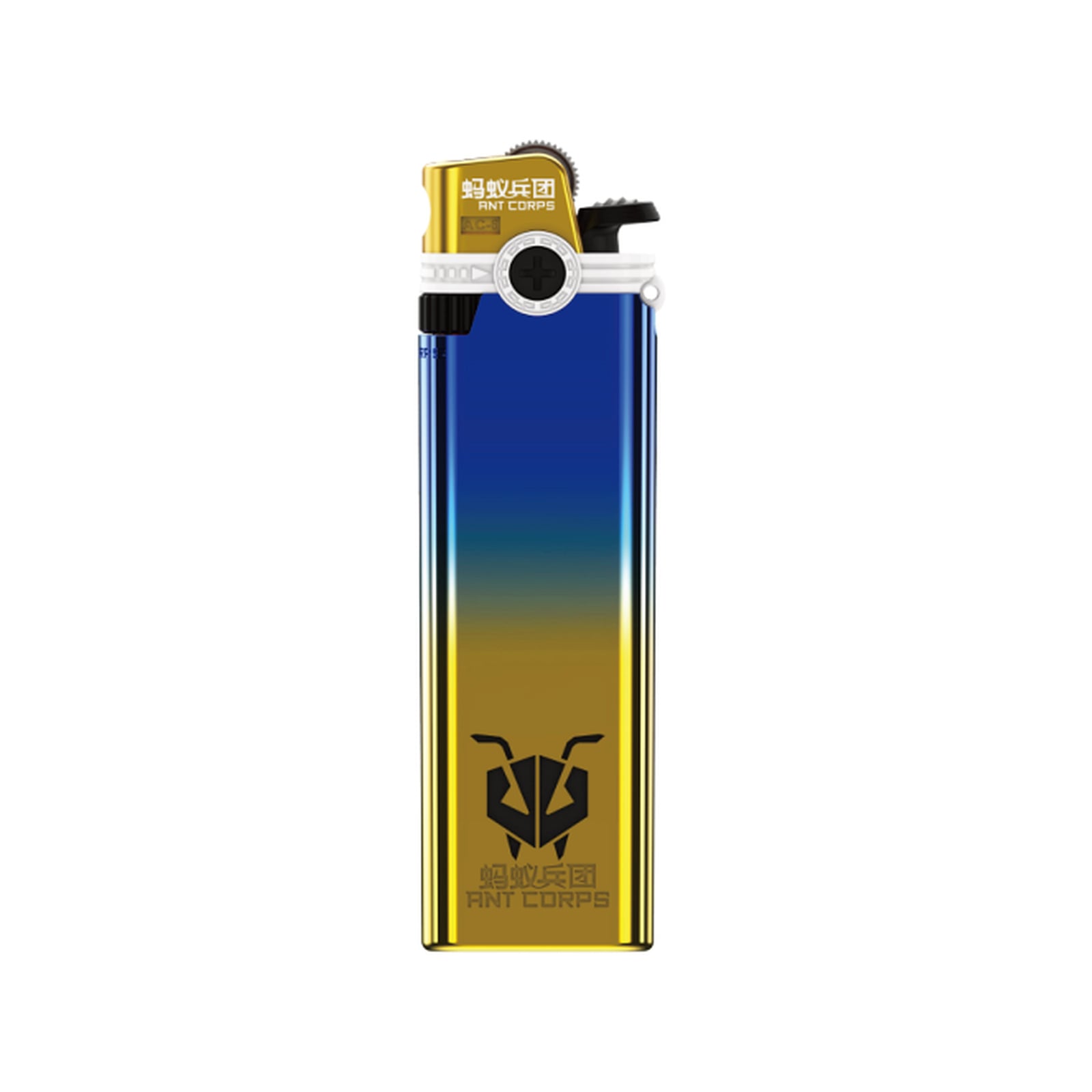
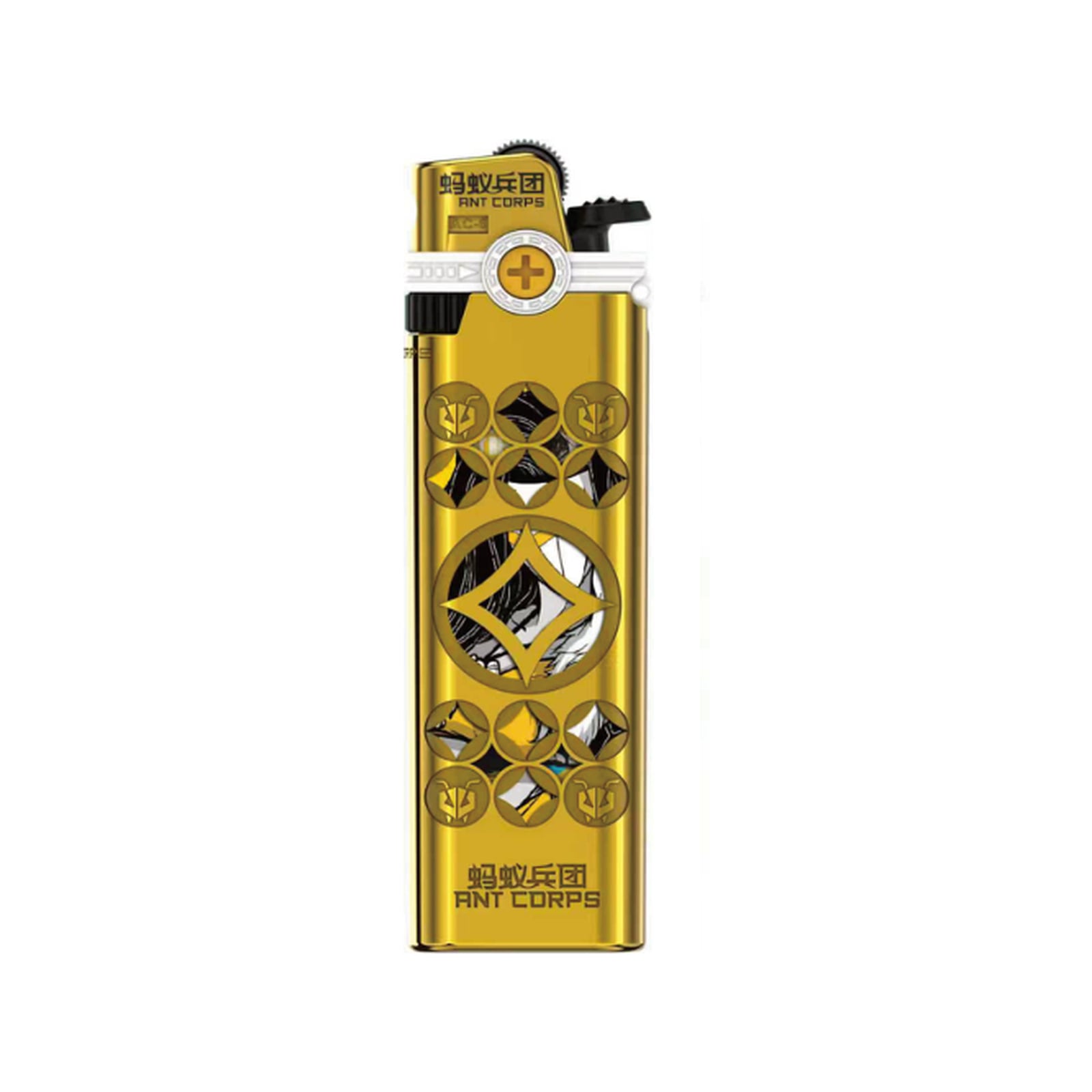
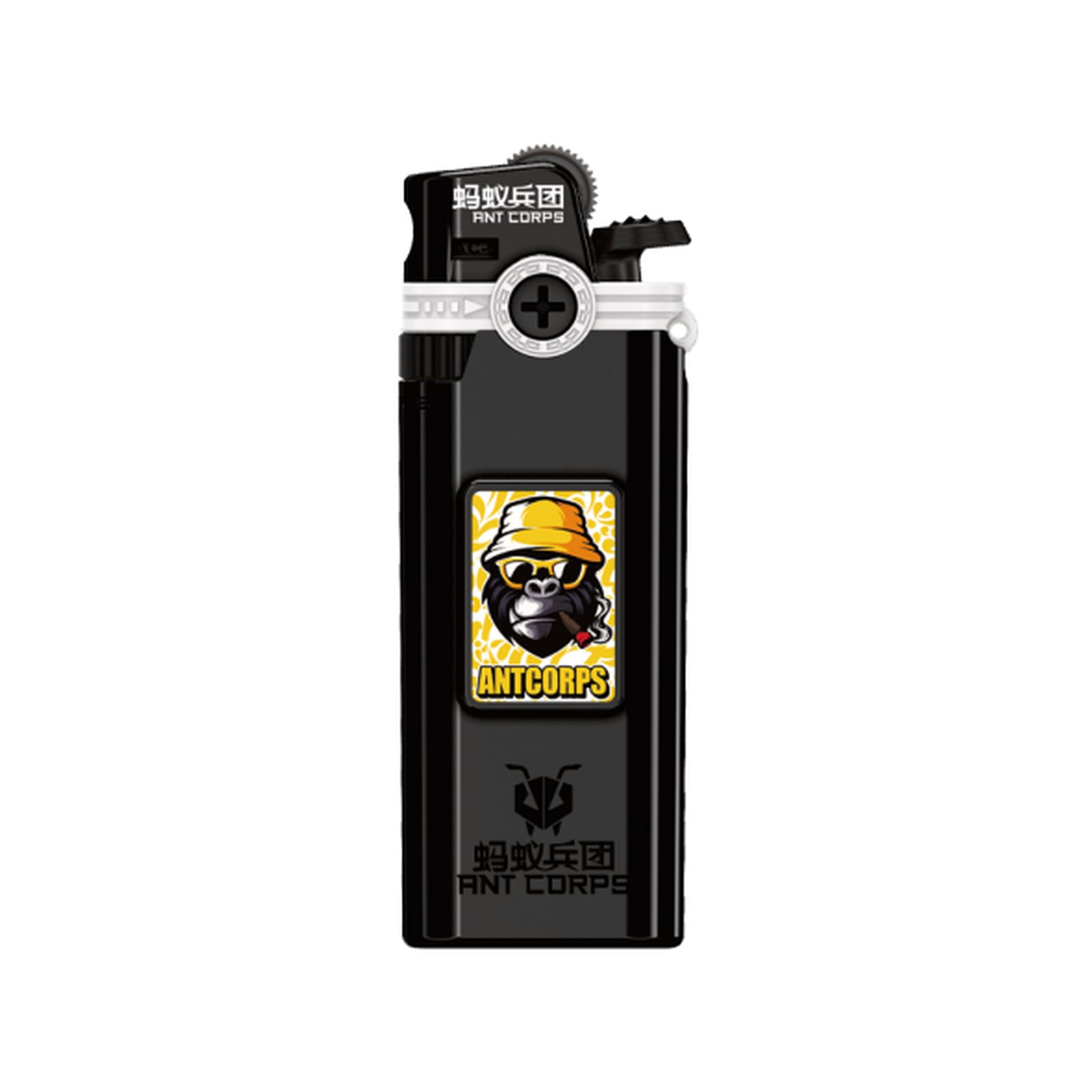
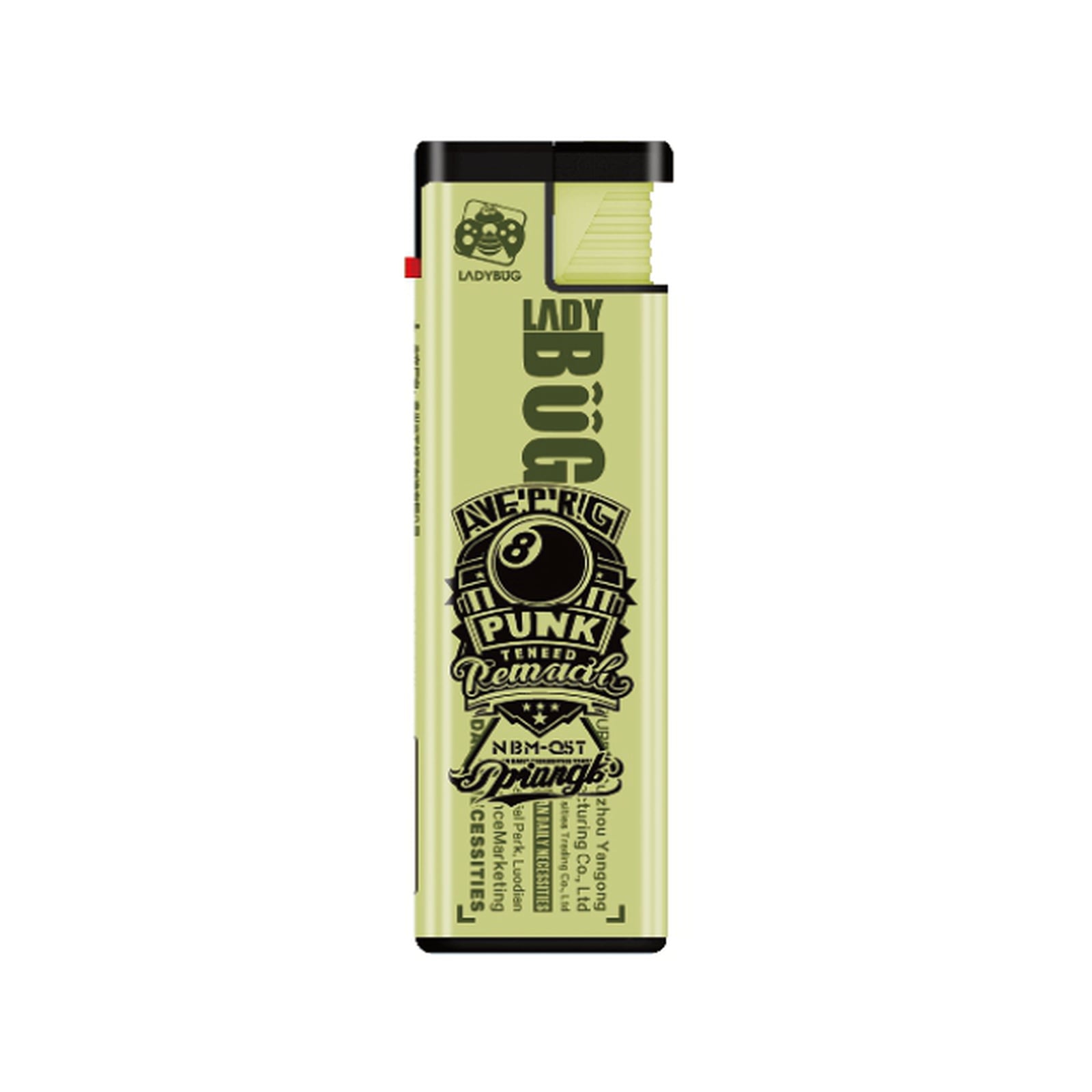
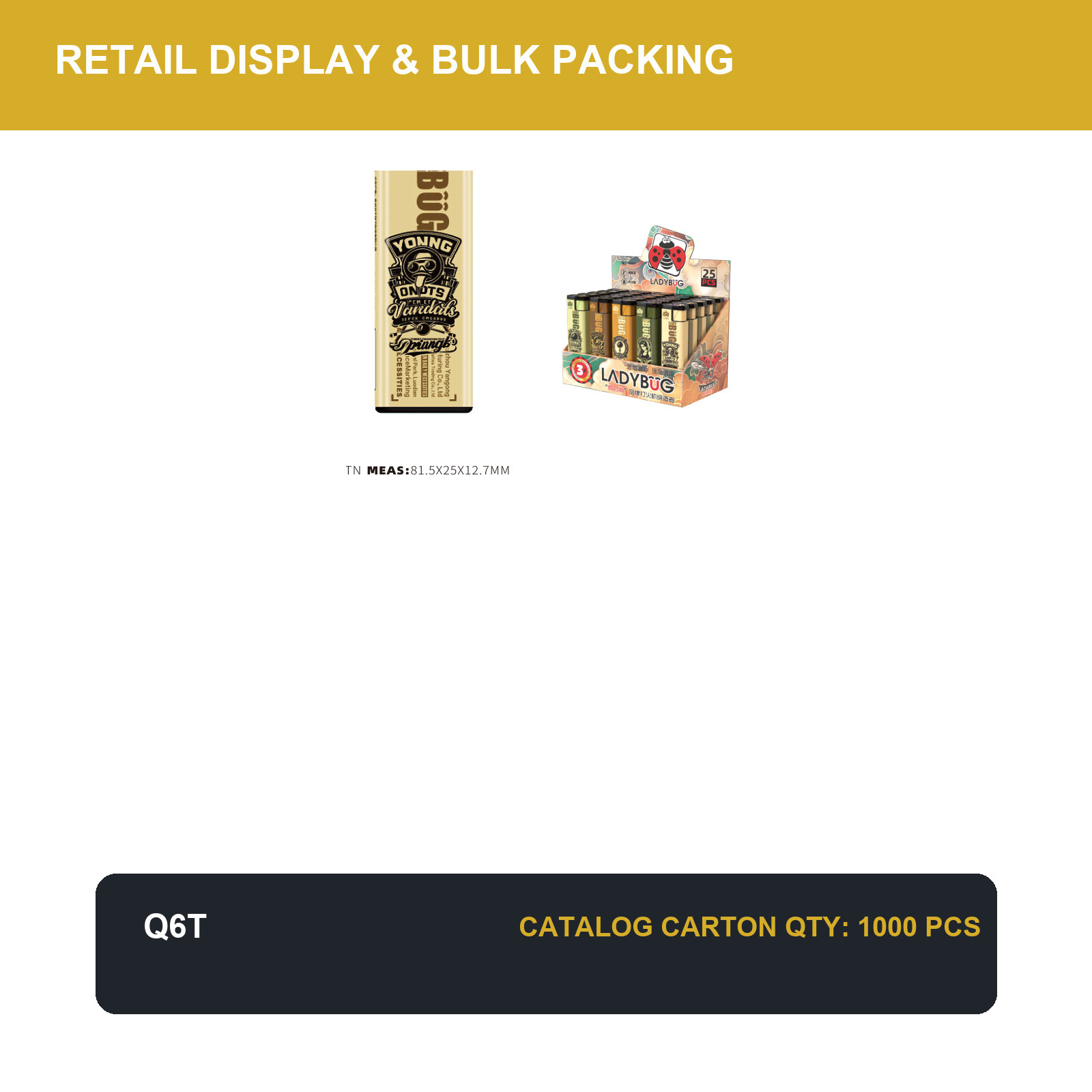
Key Specifications for High-Quality Flint Lighters Explained
To ensure you are investing in high-quality flint lighters, it's essential to understand several key specifications:
Material: The outer casing material affects durability and aesthetic appeal. Common choices include plastic and metal, each offering different benefits. Plastic may be lighter and more cost-effective, while metal can provide enhanced durability.
Ignition System: Flint lighters typically utilize a flint wheel ignition system. Ensure that the ignition mechanism is easy to operate and reliable. A quality ignition system will reduce the likelihood of failures and enhance user satisfaction.
Fuel Capacity: Confirm the fuel capacity, as this will affect how long the lighter lasts between refills. Depending on your intended use, a larger capacity may be more advantageous for high-volume applications. For instance, a Normal Flame lighter may be suitable for everyday tasks.
Safety Features: Look for lighters with child-resistant mechanisms or safety locks. Such features can minimize risks, particularly if the product is intended for consumer markets.
Performance Specifications: Evaluate the flame height and wind resistance capabilities of the lighter. These factors are crucial if the lighter will be used in outdoor conditions.
Understanding these specifications will empower you to make informed purchasing decisions and ensure that the flint lighters meet your quality standards.