EN

Electric cigarette lighters are essential tools in various commercial and industrial settings, providing a reliable ignition source for numerous applications. Buyers seeking these products often prioritize specifications, quality control standards, and effective solutions to common issues. This article aims to address these key concerns, offering insights that can guide purchasing decisions for electric cigarette lighters.
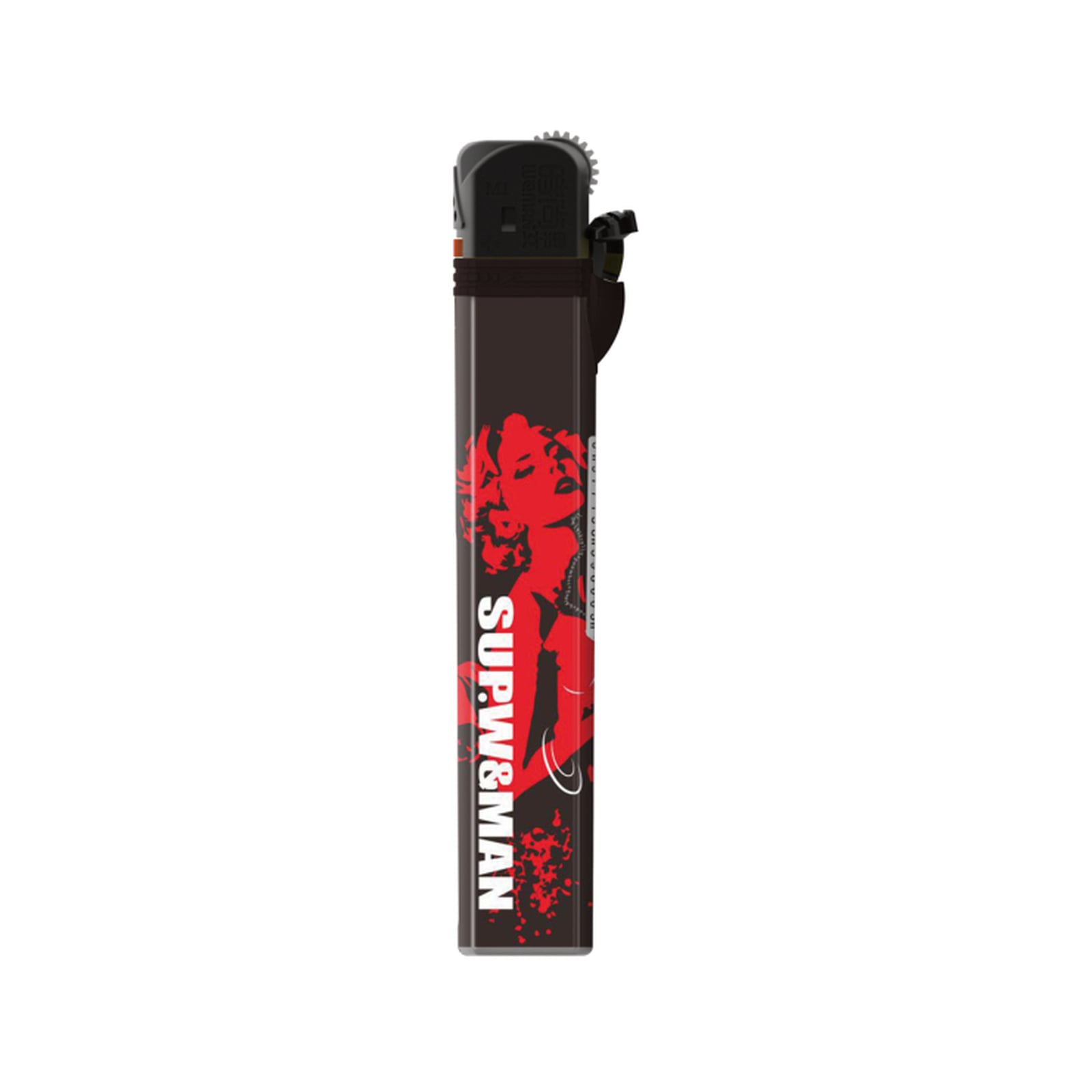

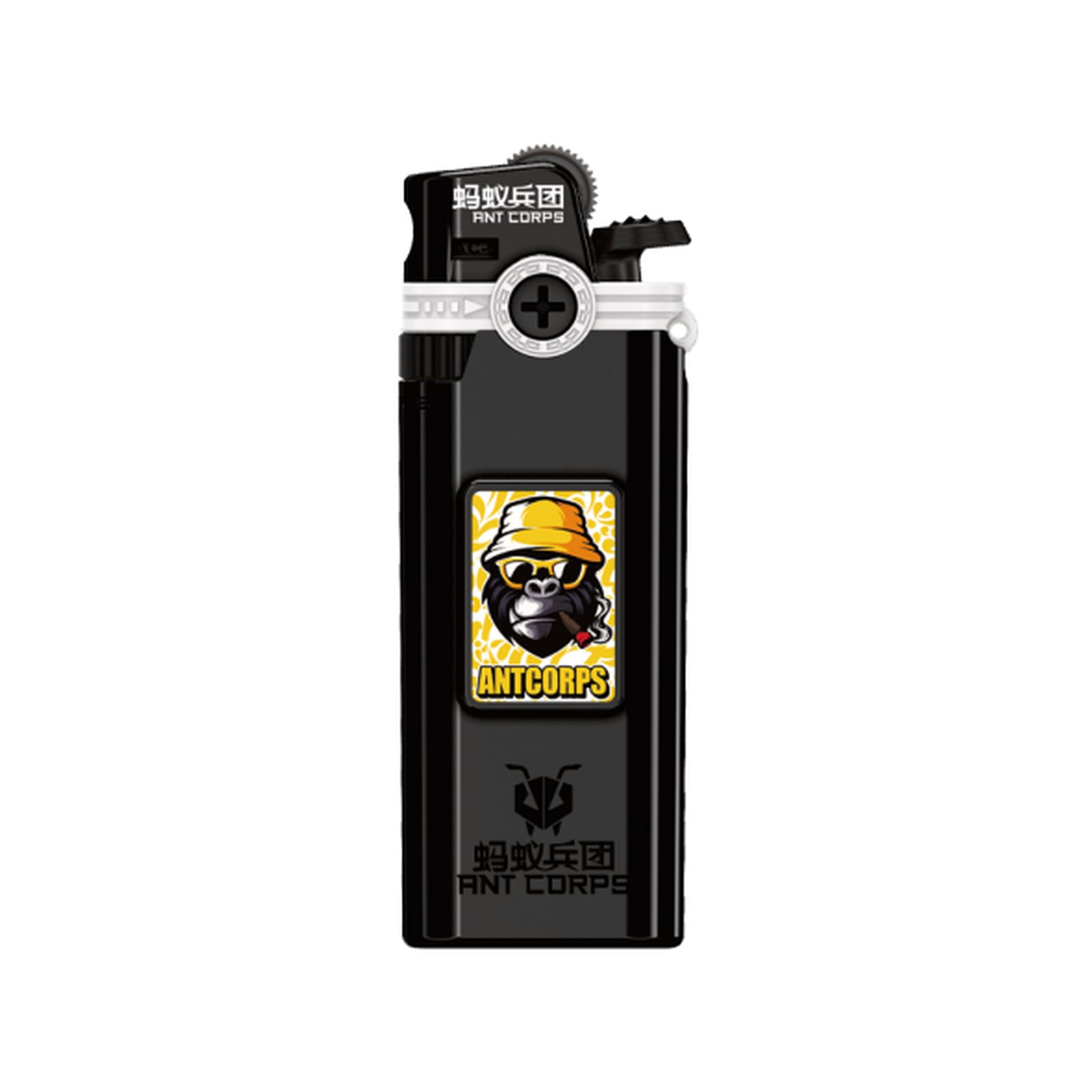
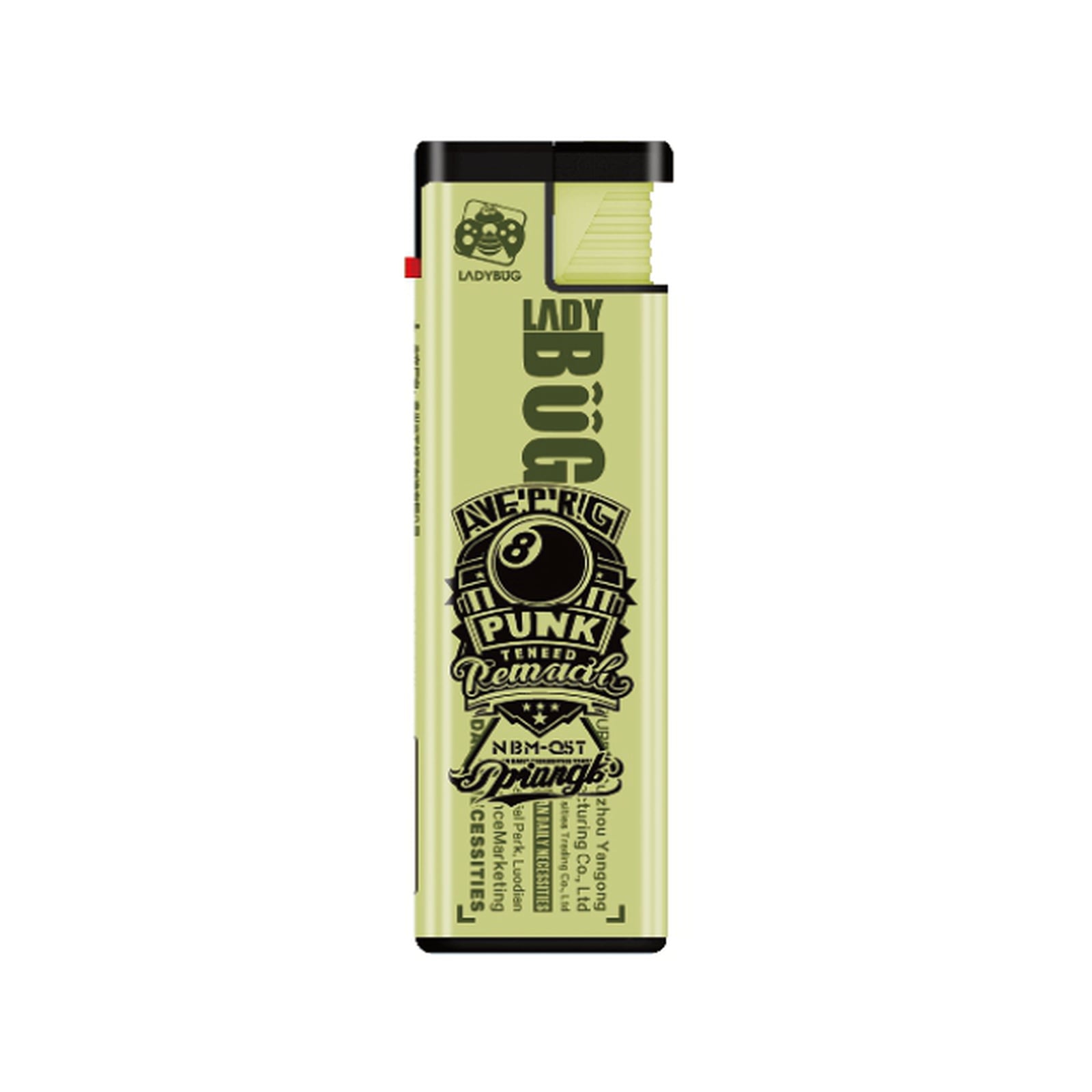

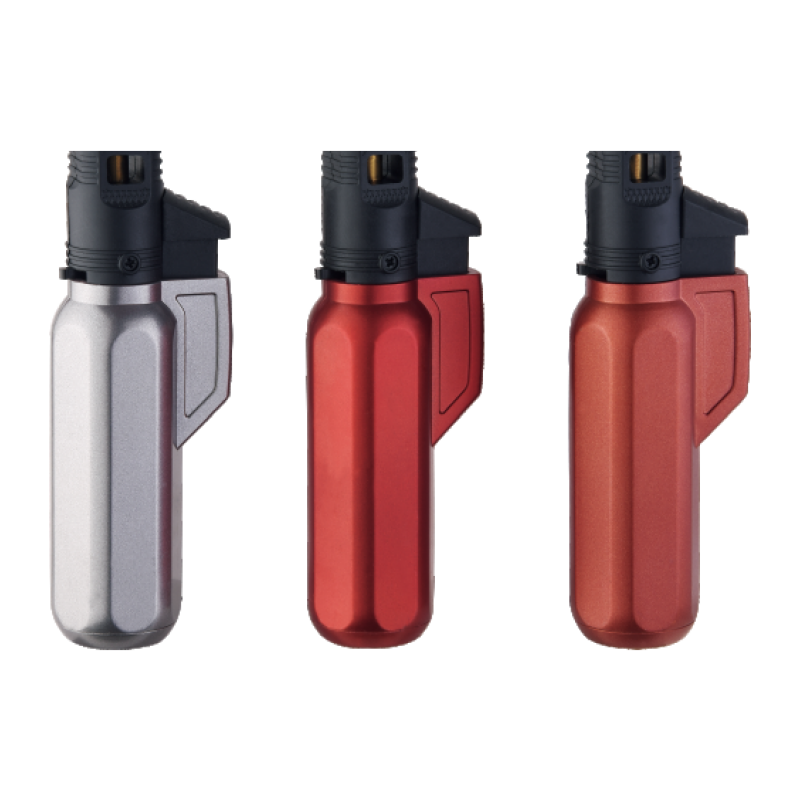

Evaluating Quality Control Standards in Electric Cigarette Lighter Production
Quality control is paramount in the production of electric cigarette lighters, as it directly impacts safety and functionality. Effective quality control procedures typically include:
Material Inspection: Prior to production, raw materials should undergo rigorous testing to ensure compliance with safety standards. Buyers should inquire about the types of materials used and any certifications that demonstrate their safety and reliability.
In-Process Testing: Throughout the manufacturing process, lighters should be subjected to various tests, including ignition reliability, battery performance, and durability assessments. This can help identify defects early and reduce the risk of faulty products reaching the market.
Final Inspection: A comprehensive final inspection should be conducted before packaging. This includes checking the lighter’s functionality, appearance, and adherence to specified dimensions. Buyers are encouraged to request documentation of quality checks to verify compliance with industry standards.
By understanding these quality control measures, buyers can make informed decisions and select suppliers that prioritize product integrity.