EN

Rechargeable electric cigarette lighters are becoming increasingly popular in various sectors due to their convenience and eco-friendliness. For B2B buyers, such as purchasing managers and distributors, choosing the right supplier and understanding product specifications are key concerns. This article will provide insights into selecting reliable suppliers, comparing materials, addressing common issues, installation guidance, and evaluating quality control standards in electric lighter manufacturing.
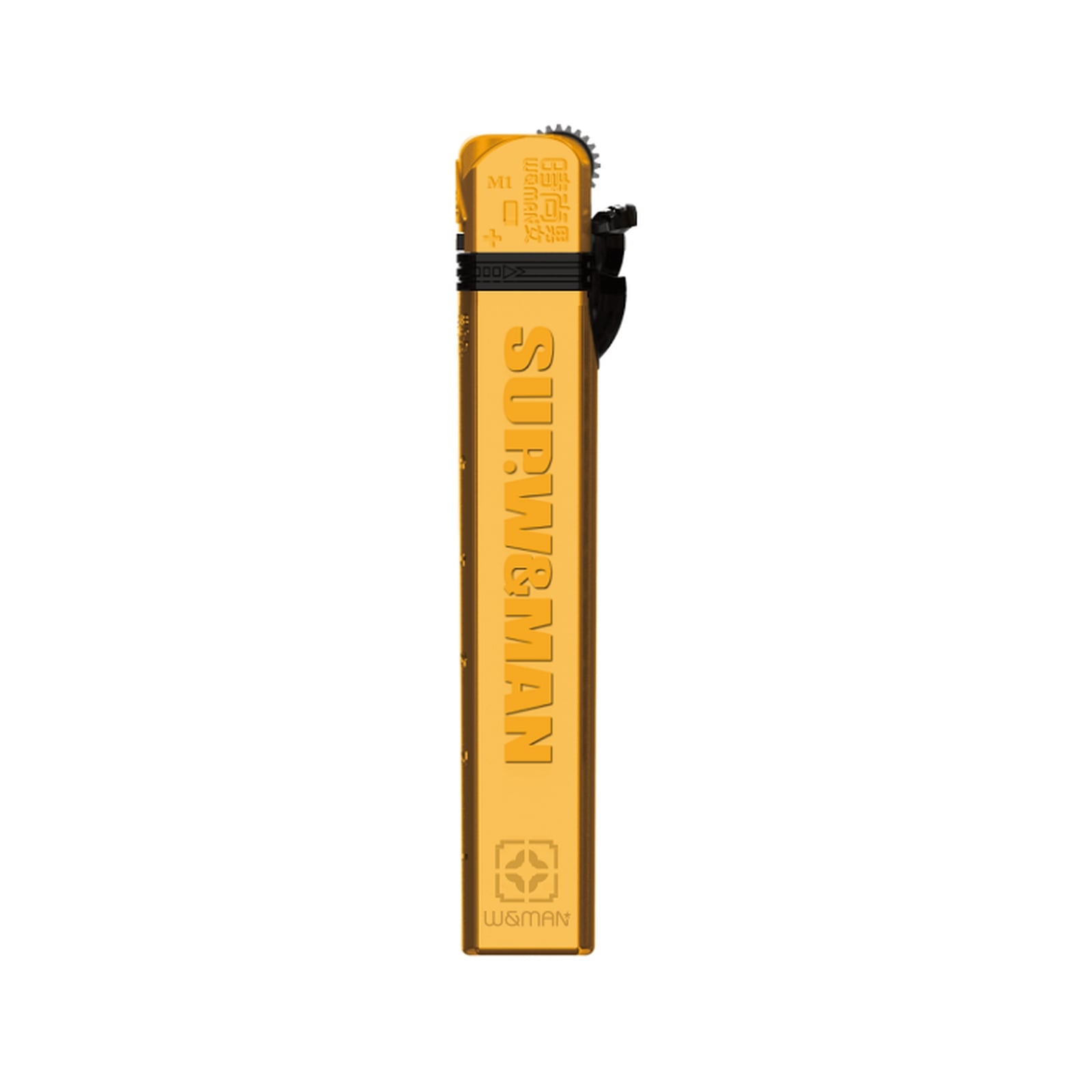
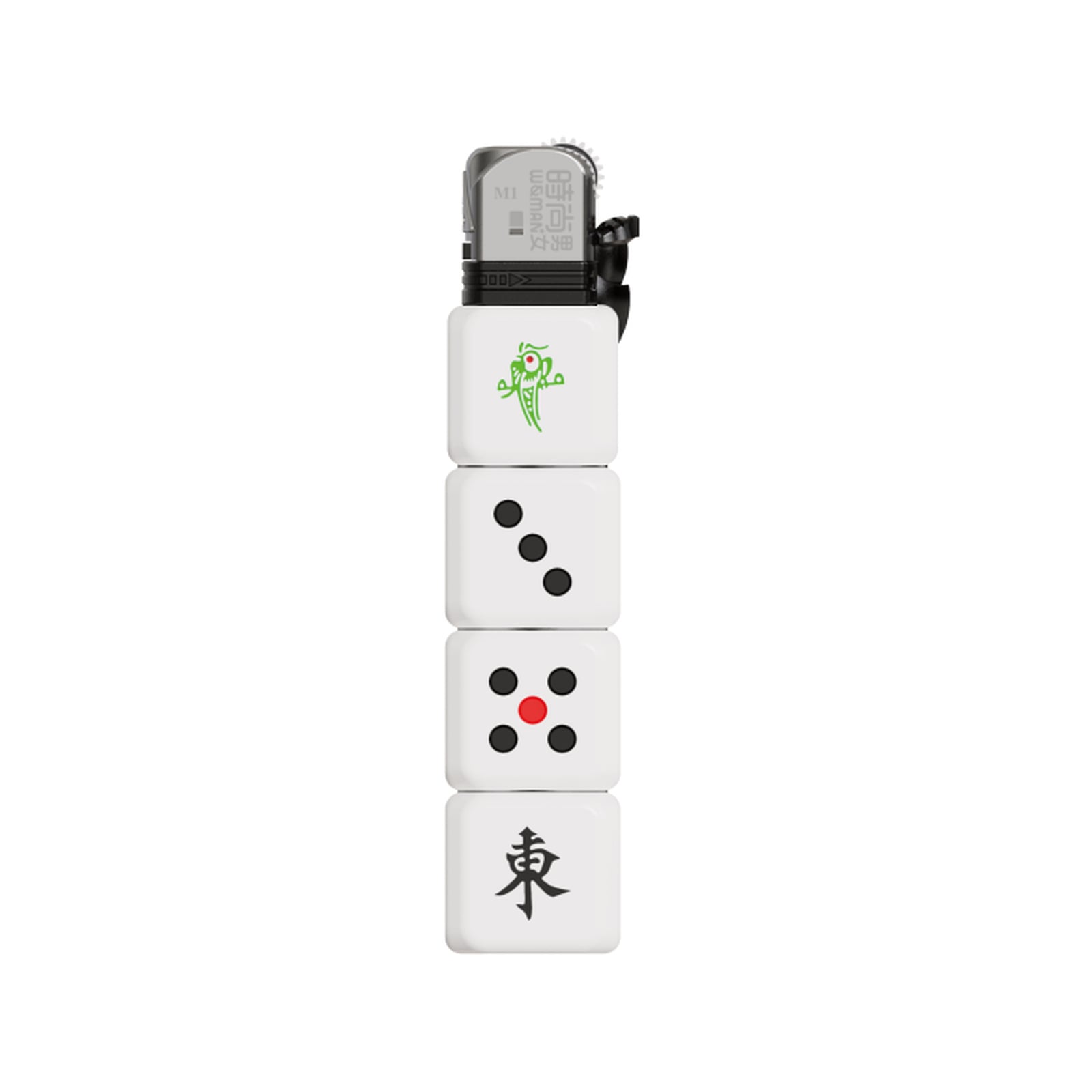
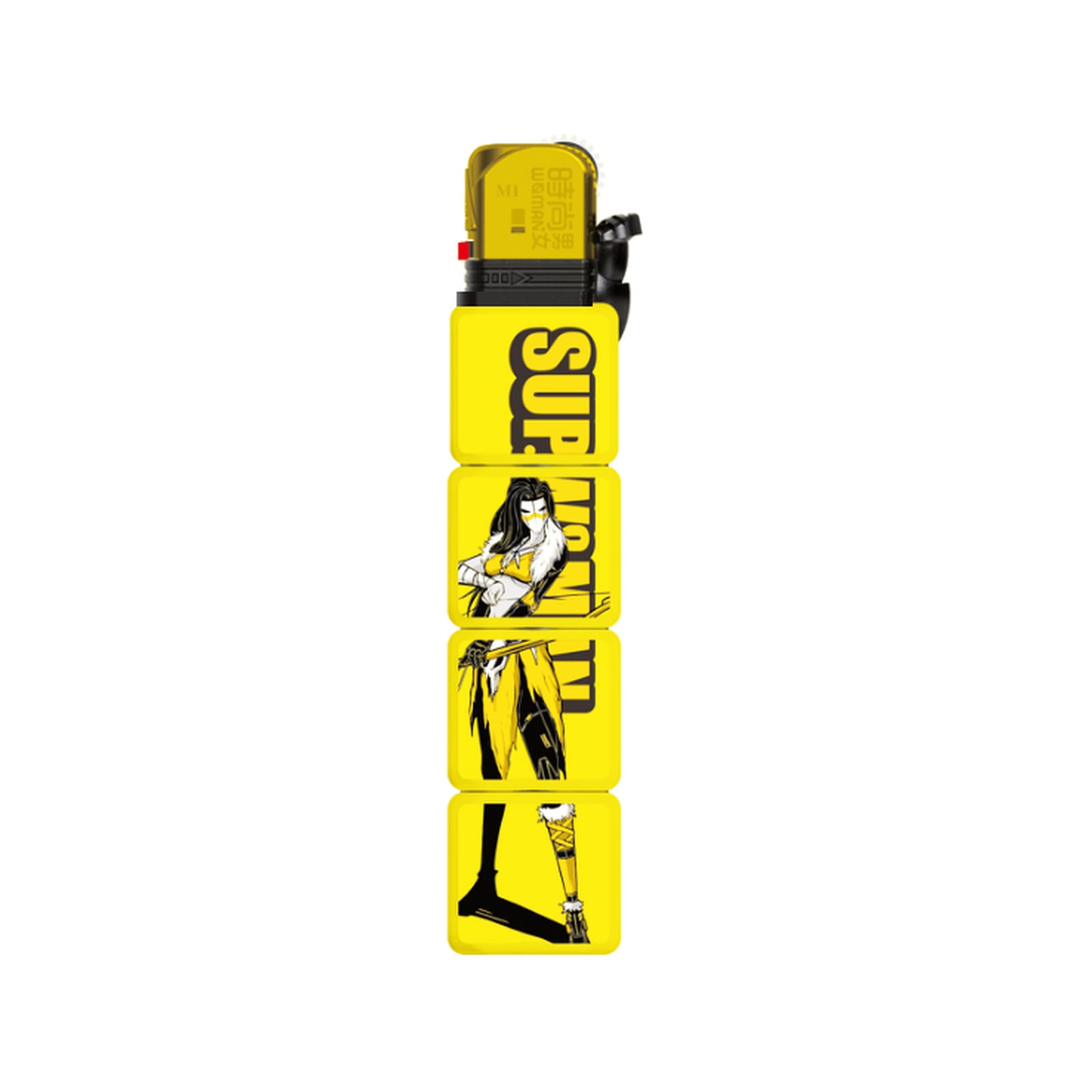
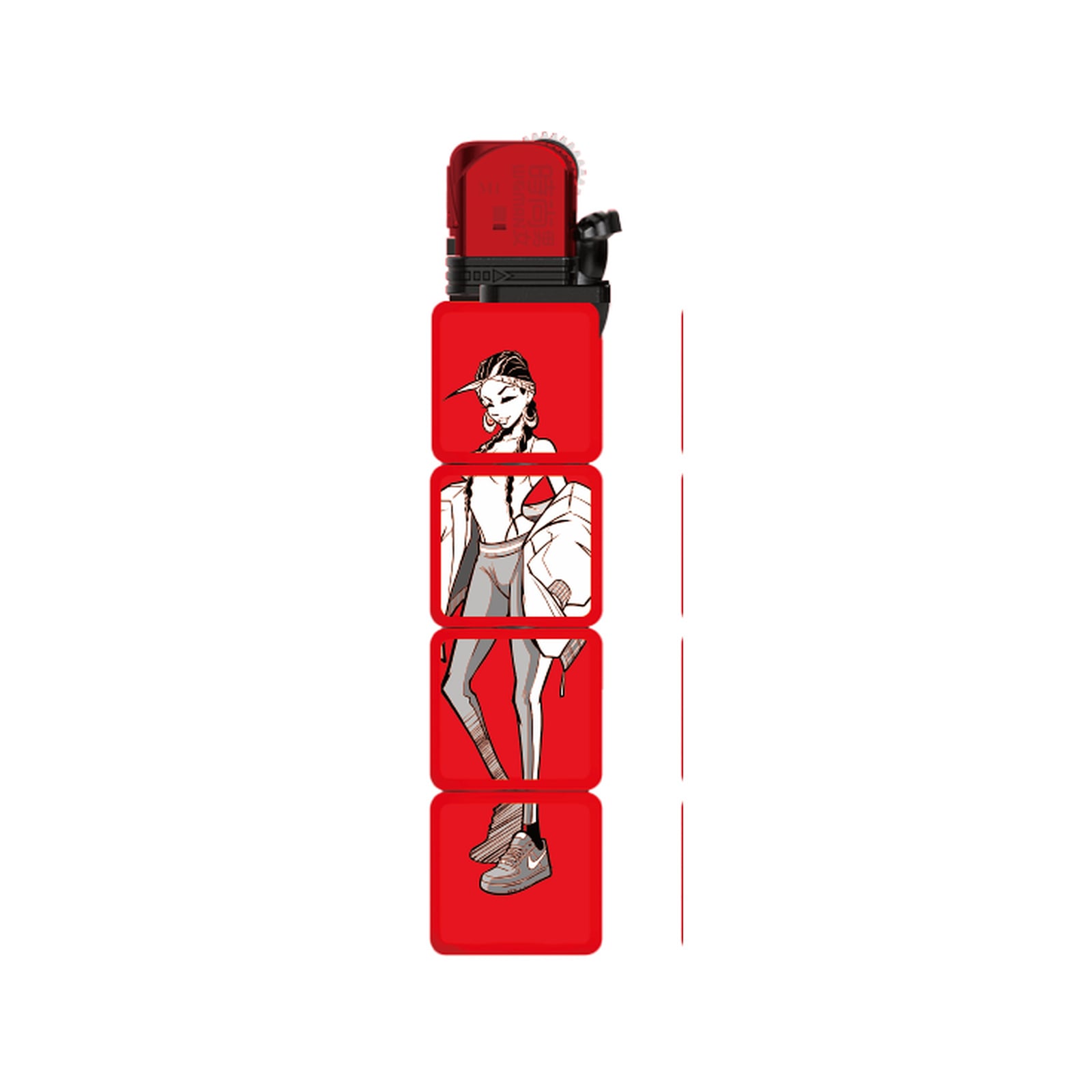
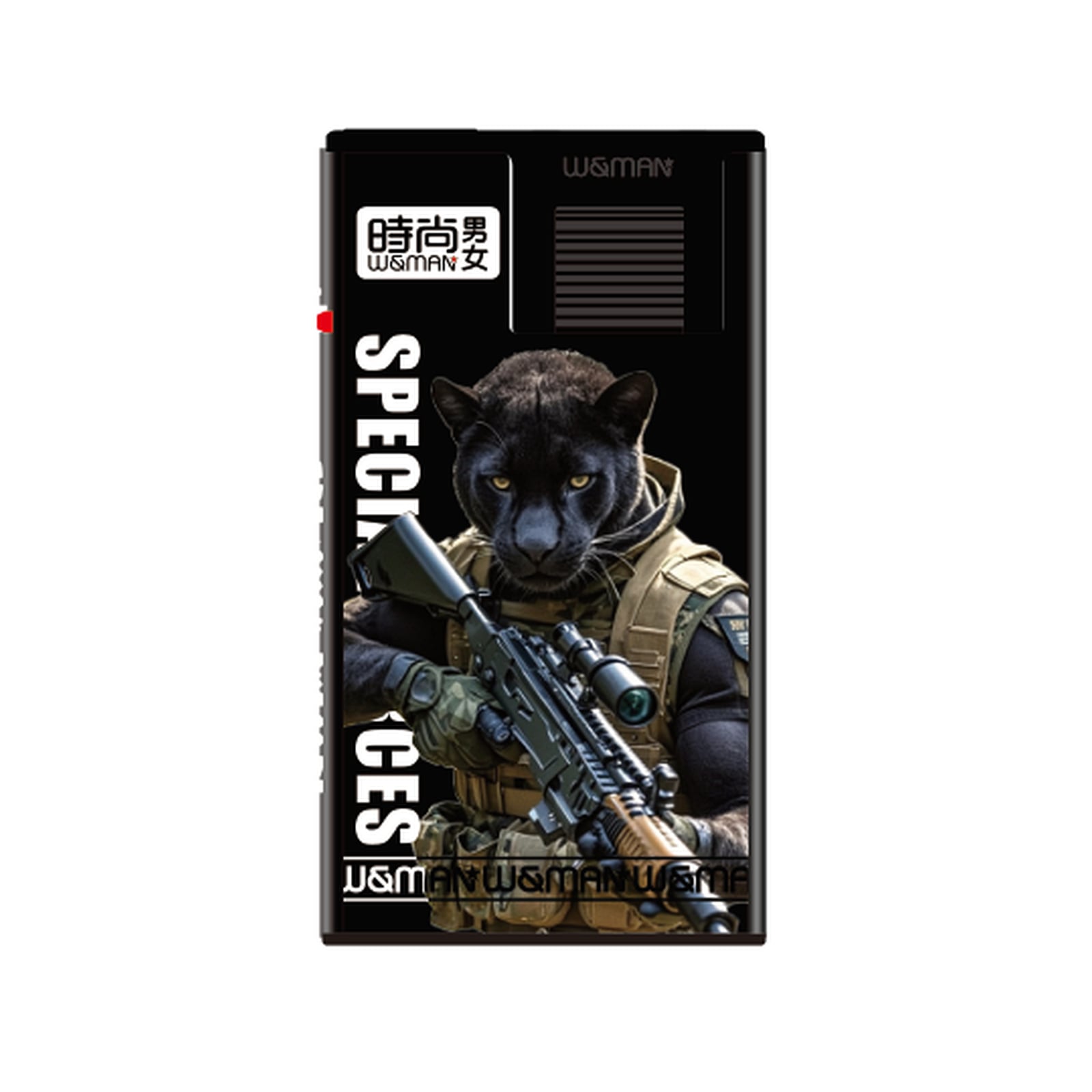
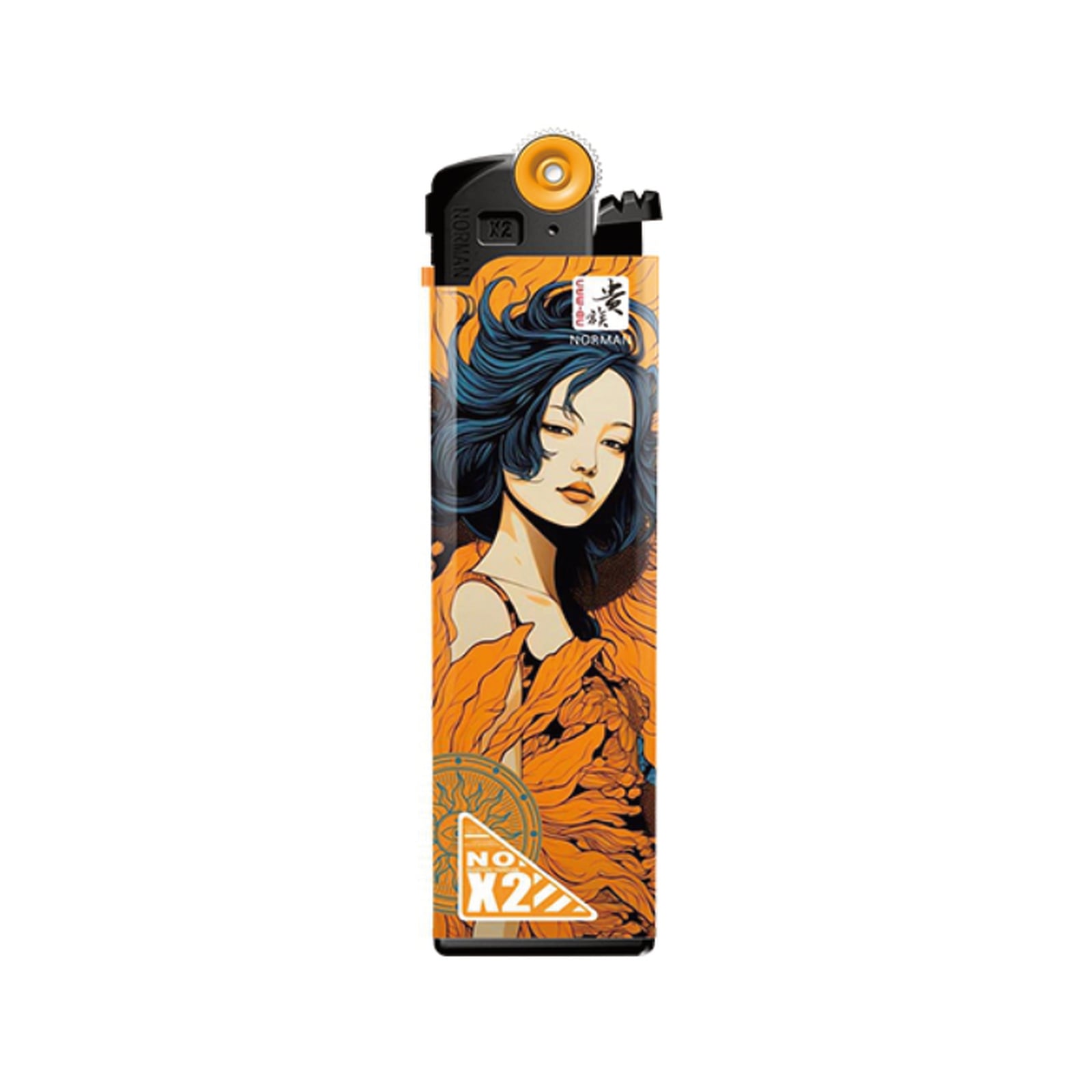
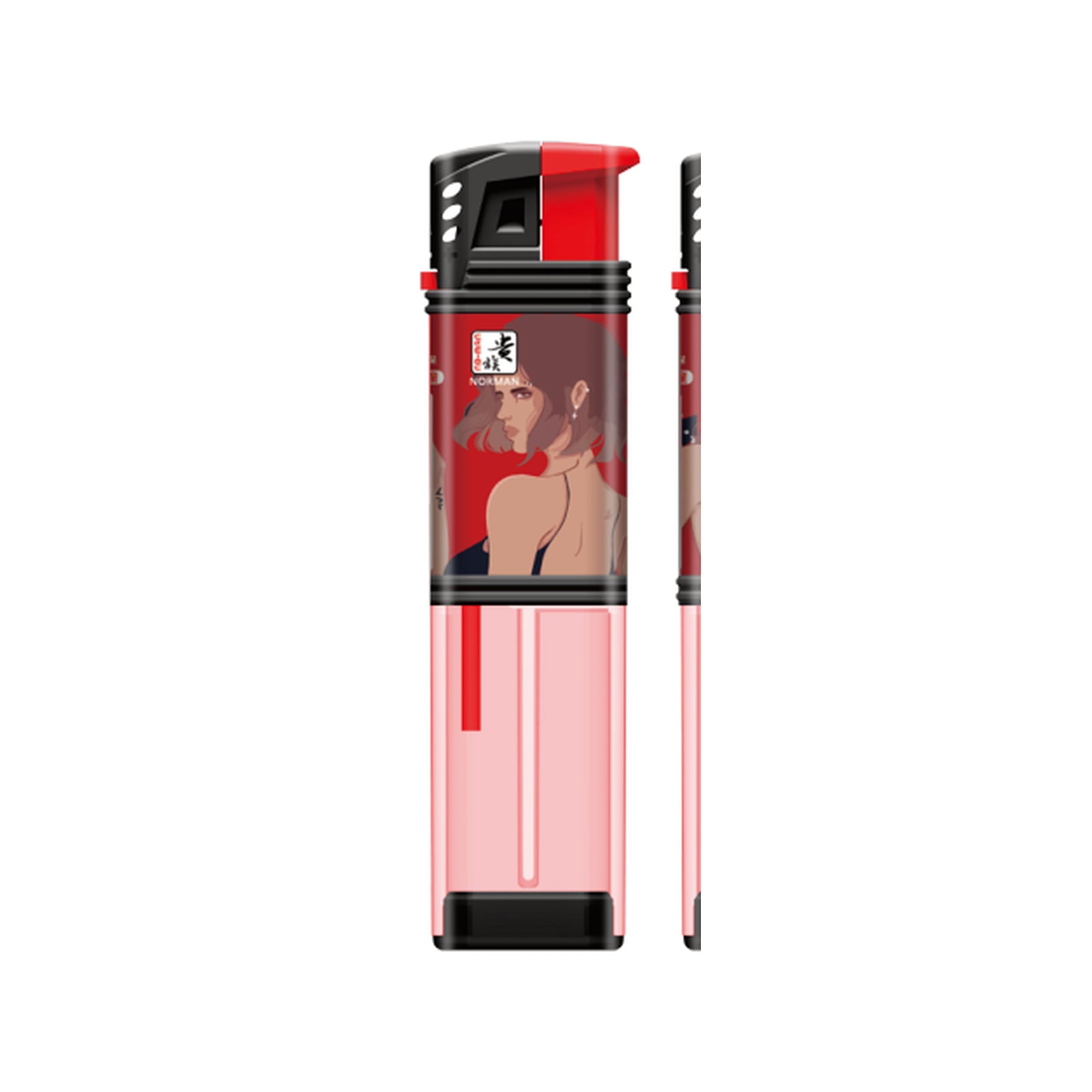
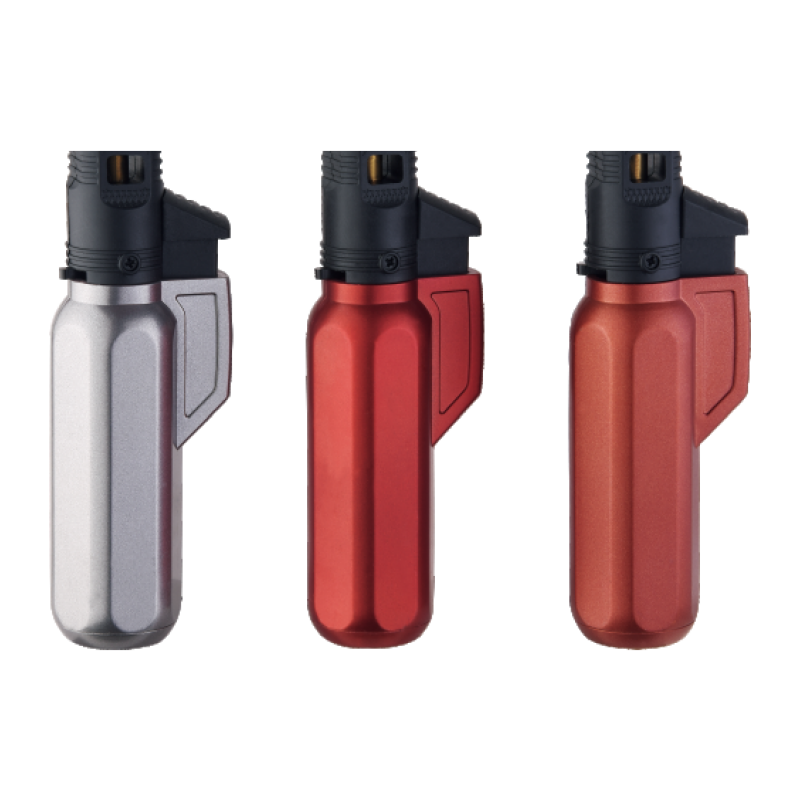

Comparing Different Materials for Rechargeable Electric Cigarette Lighters
When it comes to rechargeable electric cigarette lighters, the choice of materials significantly impacts performance, durability, and safety. Common materials include various plastics and metals, each with its own advantages.
Plastic: Often used for the casing, plastic is lightweight and can be molded into various shapes and colors. However, not all plastics are equal. Look for high-grade, heat-resistant plastics that can withstand repeated use without deforming.
Metal: Some lighters feature metal components, particularly in the ignition mechanism. Metals like stainless steel offer superior durability and resistance to wear but may increase the overall weight of the lighter.
Battery: The type of battery used is crucial for performance. Lithium-ion batteries are common due to their long life and fast charging capabilities. Ensure that the battery meets safety standards and offers a reliable charge cycle.
Evaluating the material used in the lighter will help buyers determine its suitability for specific applications, such as promotional items, personal use, or industrial applications. Additionally, understanding different flame types such as Normal Flame can also influence buyer decisions.