EN

Electric lighters have transformed traditional ignition methods, offering a modern, USB rechargeable solution for various applications. As B2B buyers, purchasing managers, and distributors seek reliable electric lighters, it’s vital to consider factors such as quality, performance, and suitability for specific uses. This article explores how to source these products, compare models, understand their applications, troubleshoot common issues, and maximize their use in a commercial context.
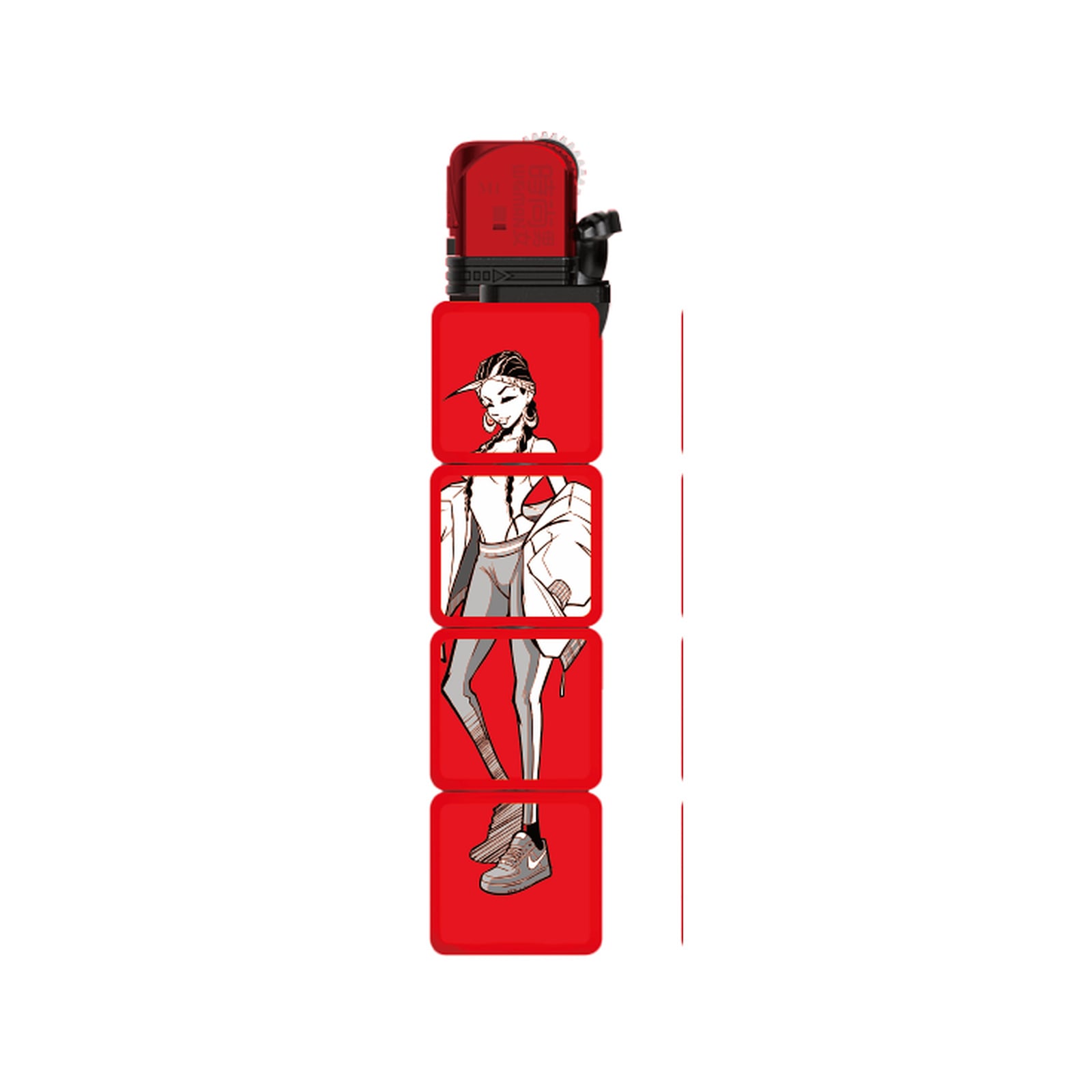
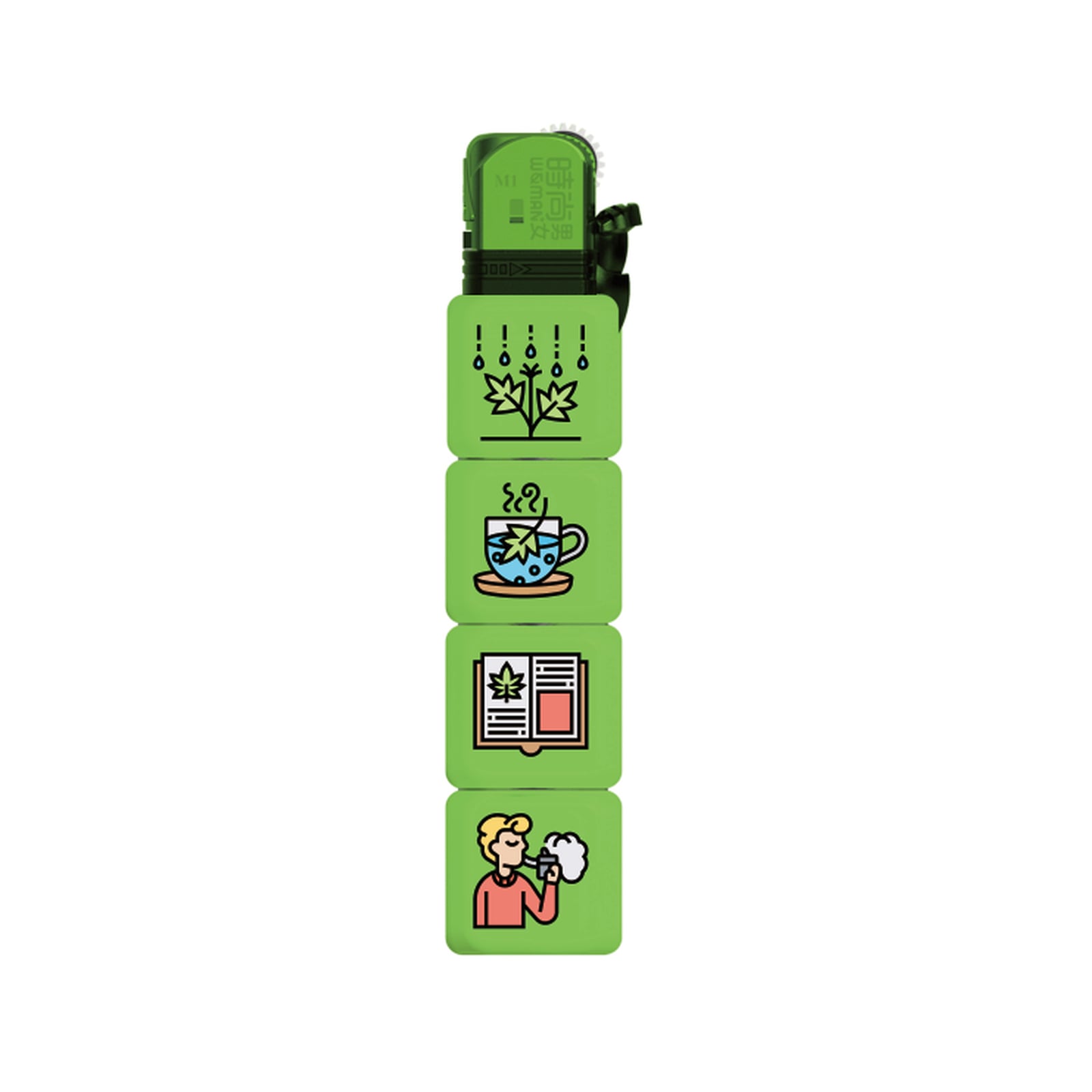
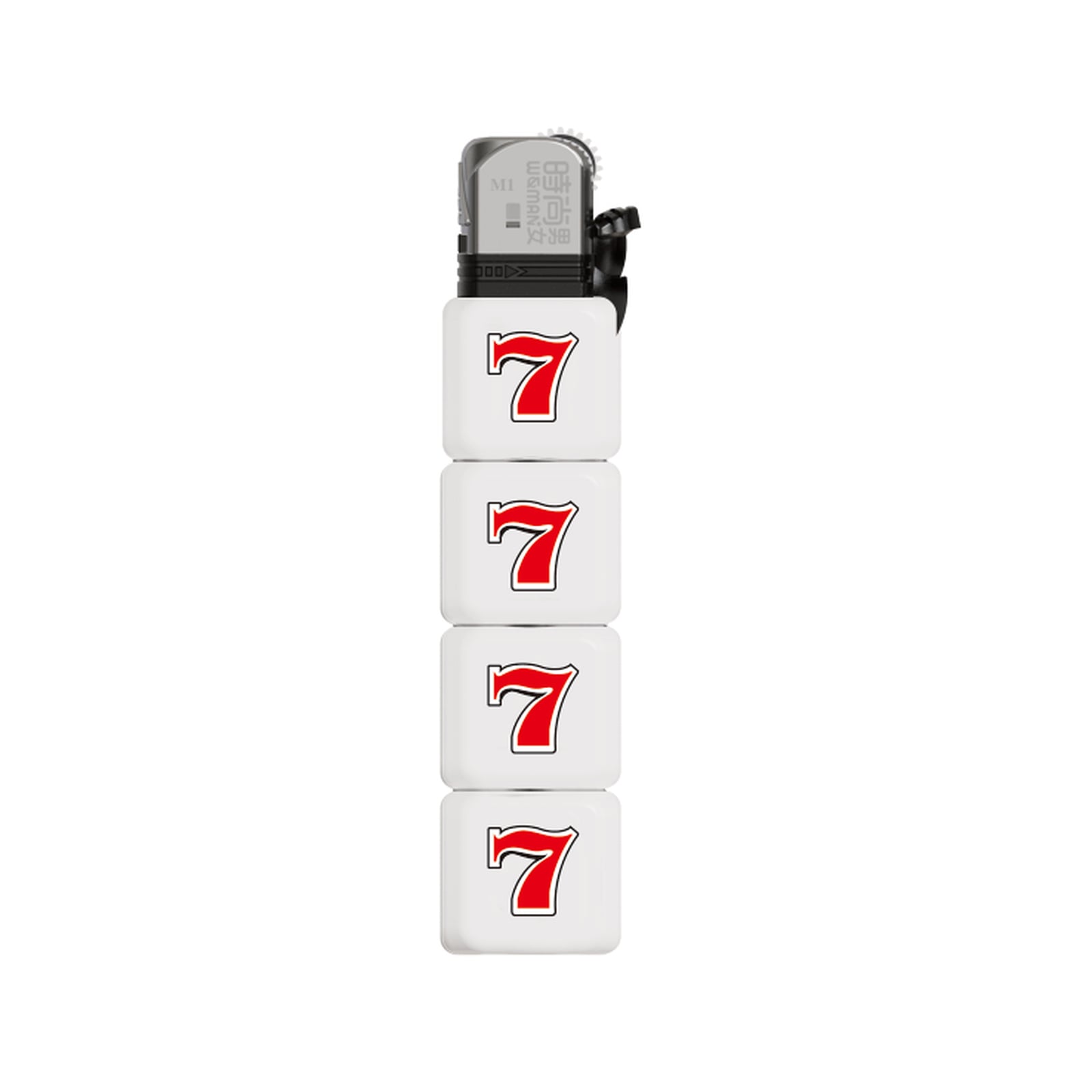
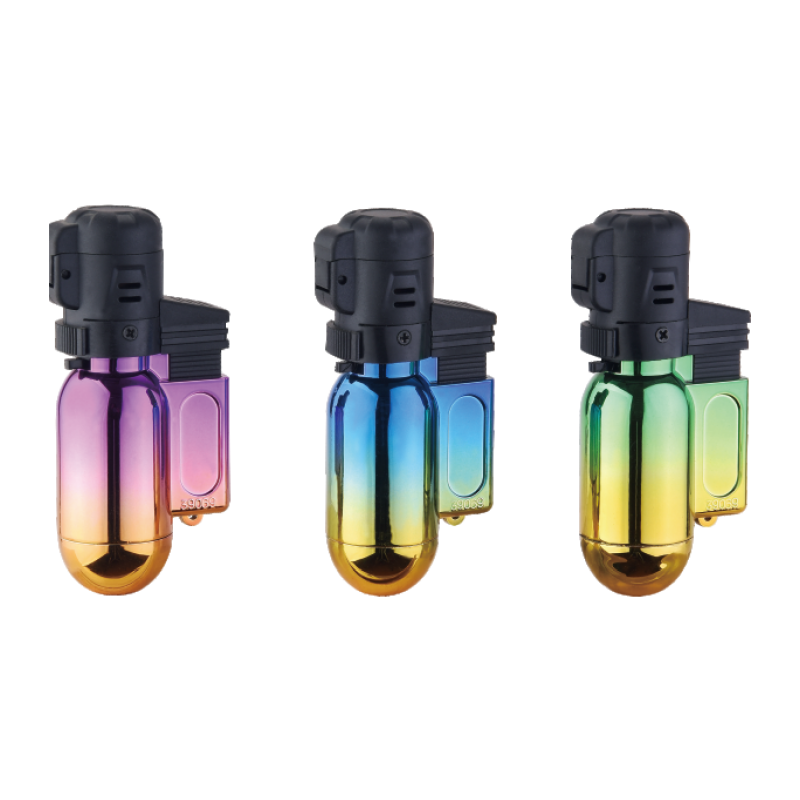
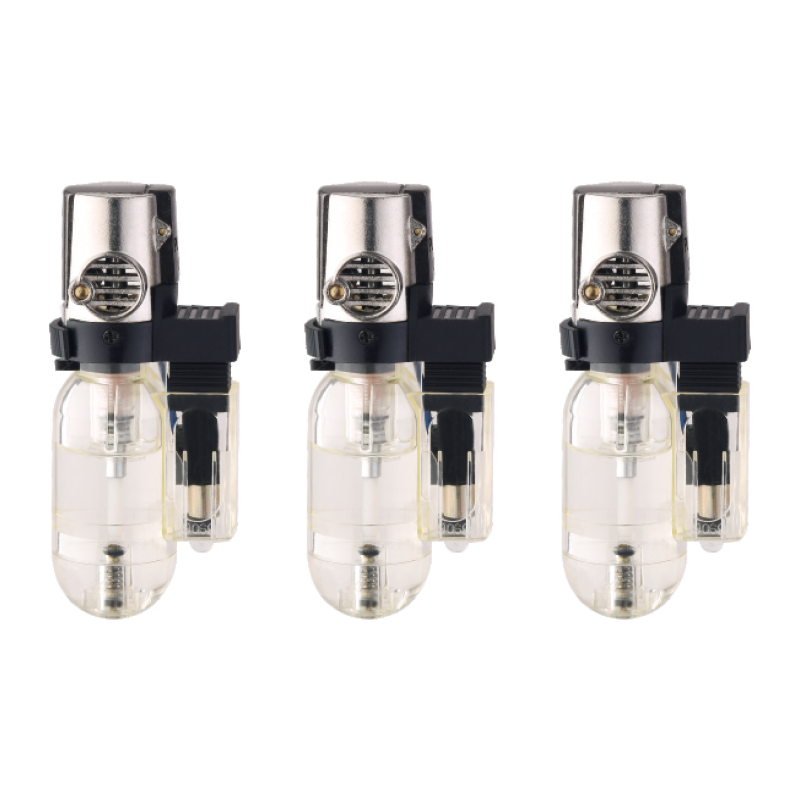
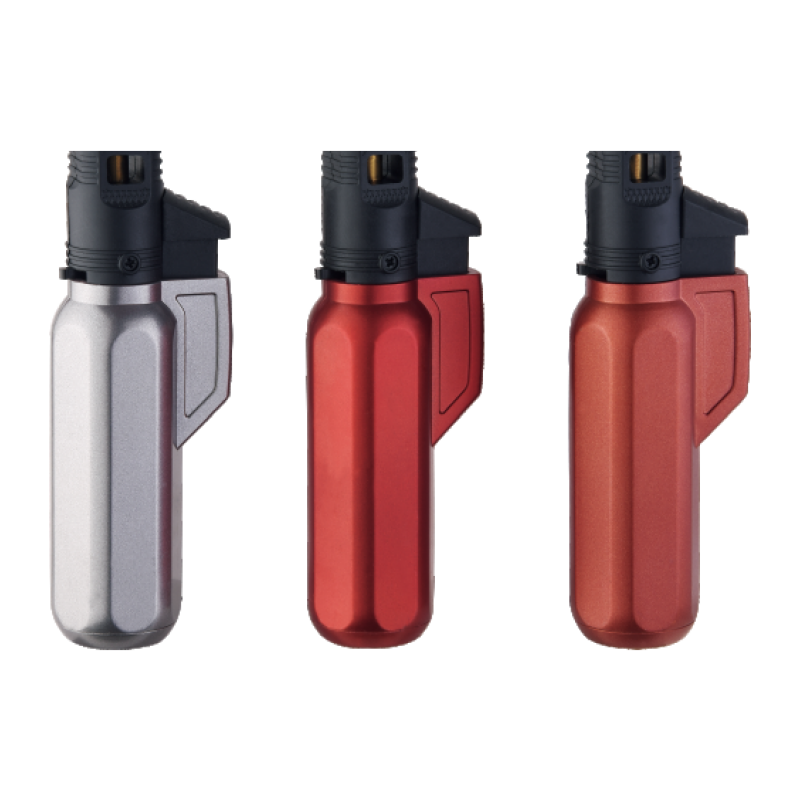
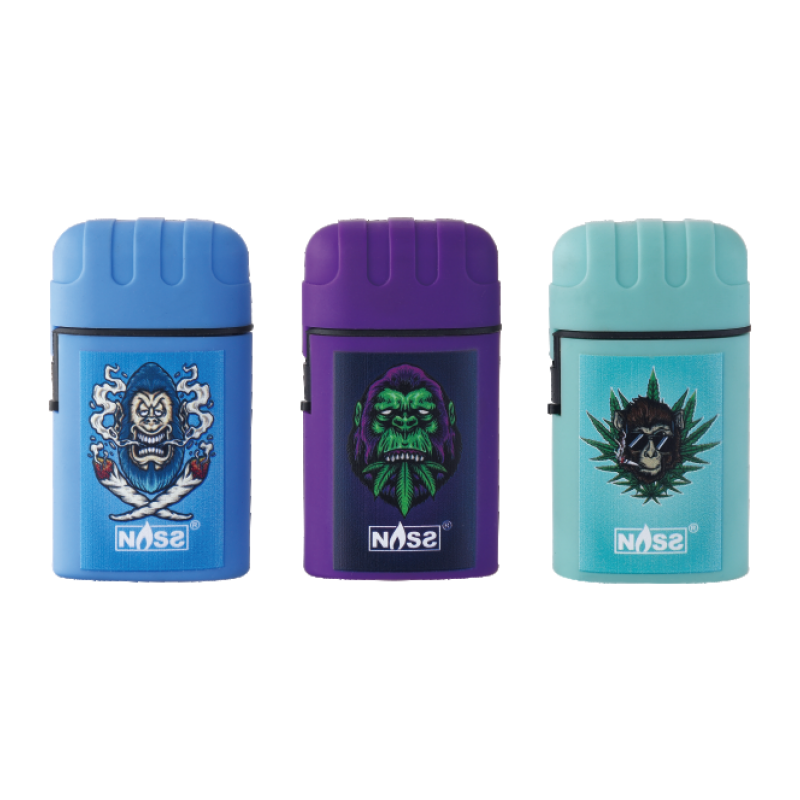
How to Compare Electric Lighter Models for Bulk Purchase Decisions
When comparing different electric lighter models, several key specifications should be considered, including battery capacity, ignition method, safety features, and design.
Battery Capacity: This affects how long the lighter can be used before needing a recharge. For commercial use, a higher capacity is generally more advantageous as it reduces downtime.
Ignition Method: Electric lighters may use plasma or arc technology. Plasma lighters provide windproof and flameless ignition, which can be particularly useful for outdoor applications.
Safety Features: Look for models with safety locks or automatic shut-off mechanisms. These features enhance safety during operation, especially in a commercial setting where multiple users may be involved.
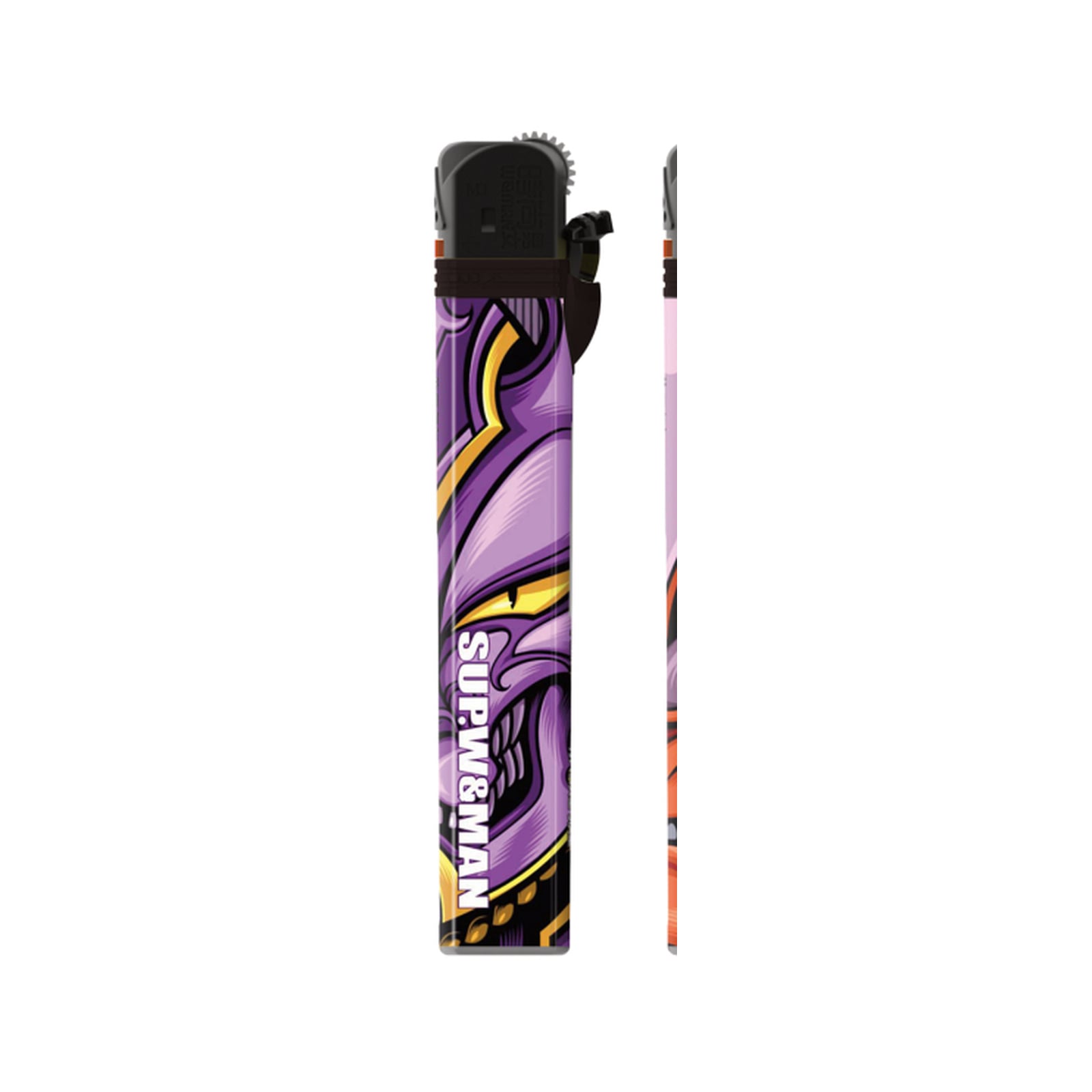
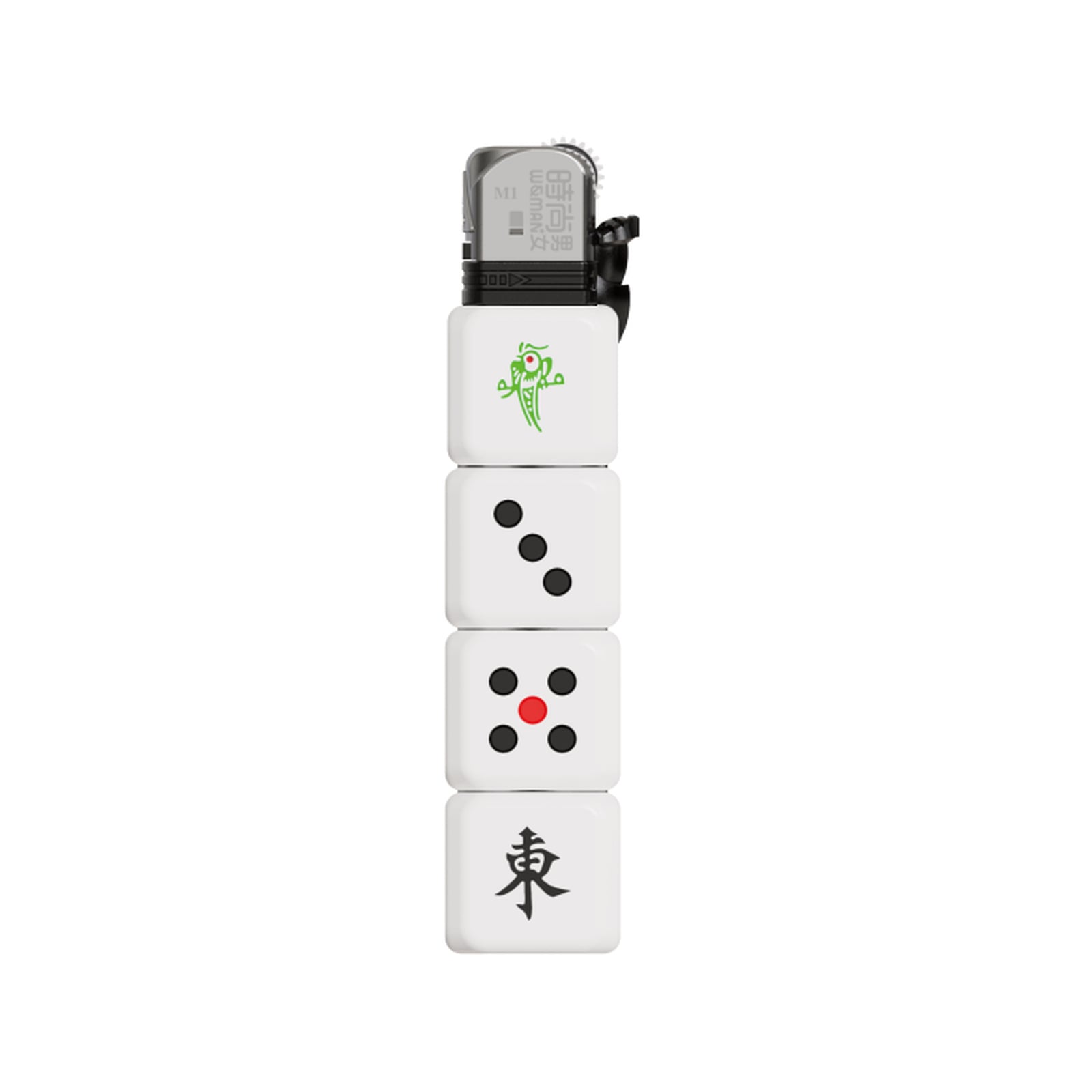
Design and Usability: Ergonomics can affect user experience. Choose models that are easy to handle and operate, particularly if they will be used frequently. For instance, the Q6T Refillable Butane Gas Lighter – Slim printed fashion body is designed with user-friendliness in mind.
Customization Options: Some manufacturers may offer customization, such as branding or specific design features, which can enhance the product’s appeal for promotional uses.
By evaluating these factors, buyers can make informed decisions that align with their specific needs.