EN

Electric lighters have become an essential tool in various industries, providing a reliable ignition source for a wide range of applications. Sourcing electric lighter gas effectively requires understanding specific product specifications, costs, supplier reliability, and common issues that may arise. This article aims to equip B2B buyers, including purchasing managers and engineers, with the vital knowledge needed to make informed decisions when sourcing electric lighter gas.


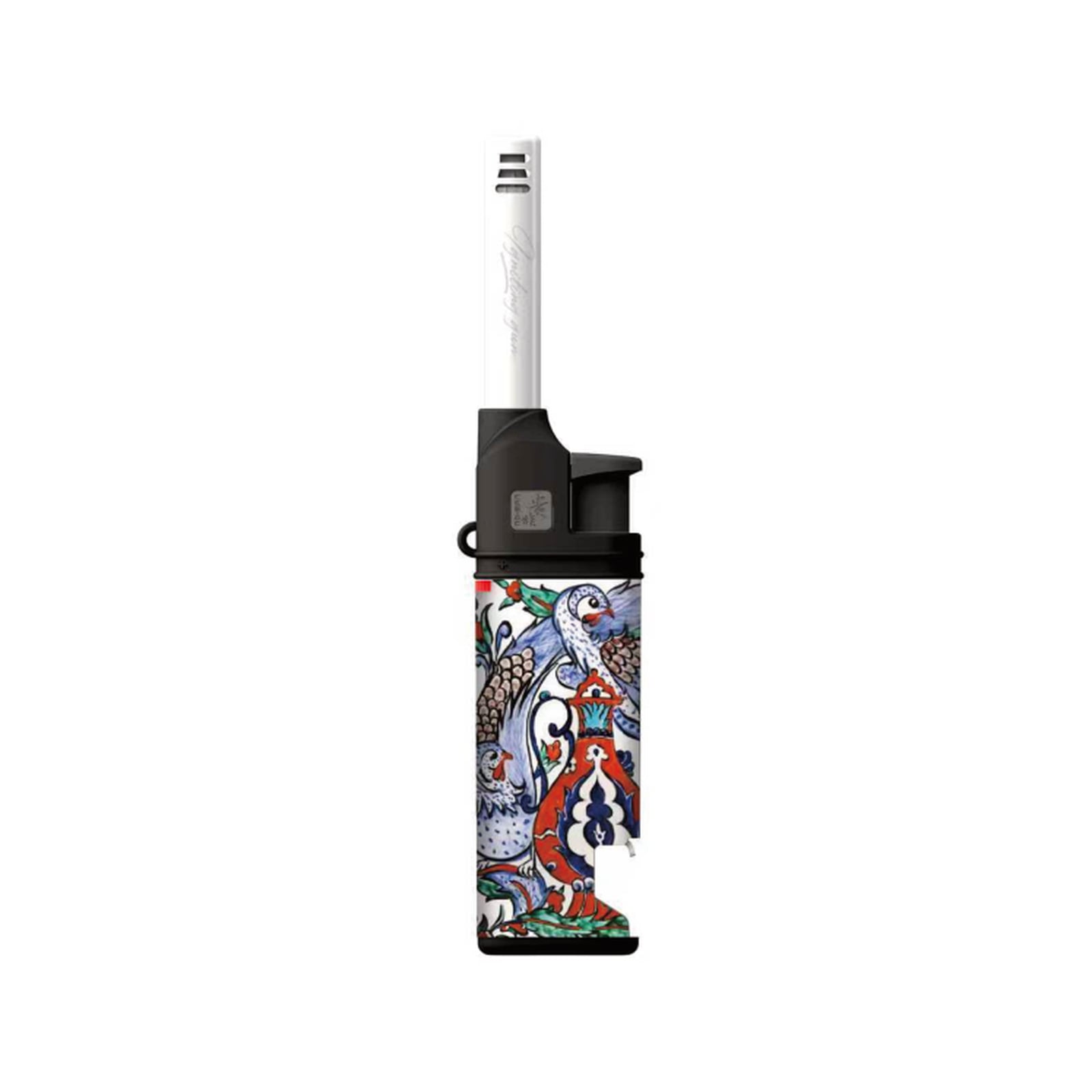
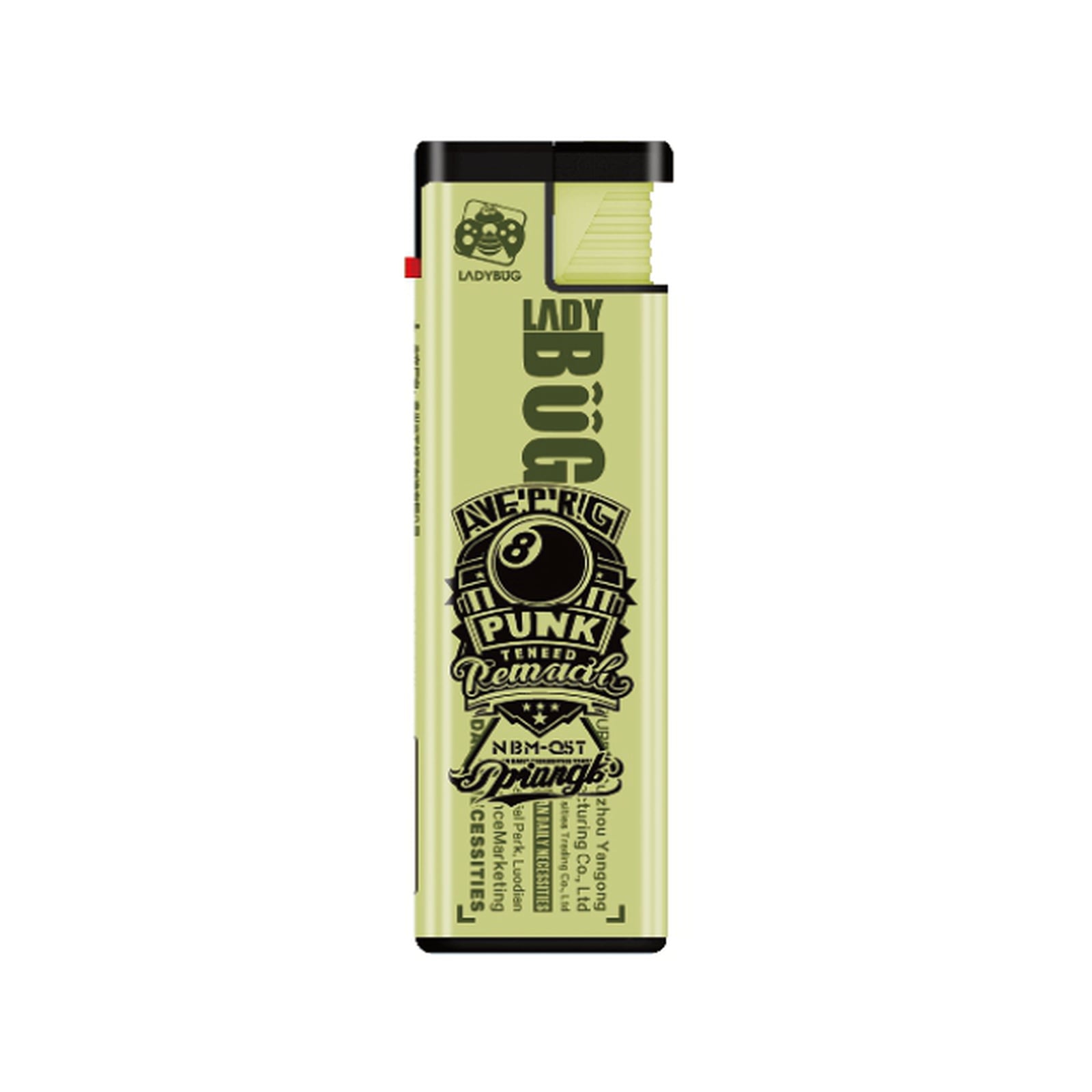
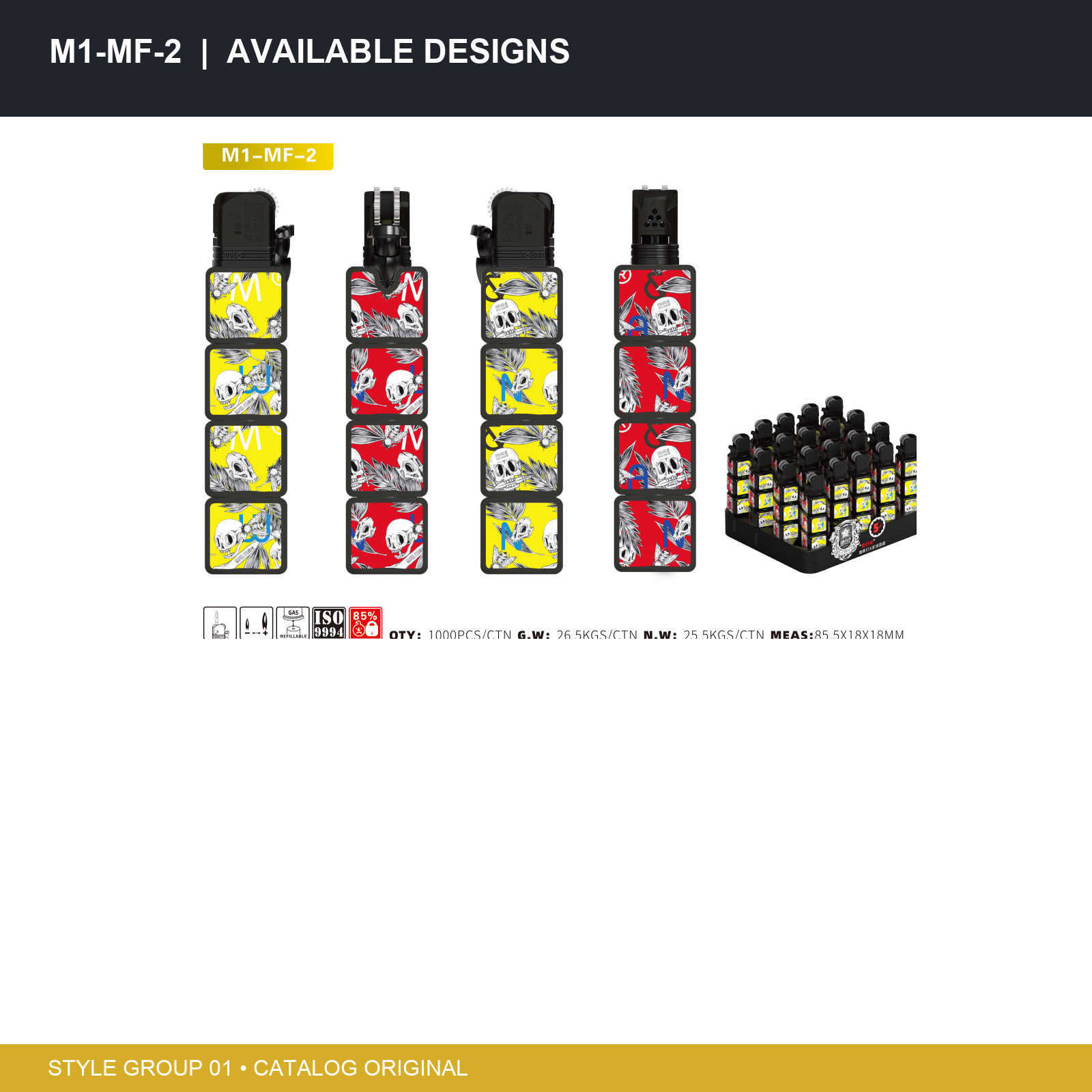
Understanding the Cost Factors of Electric Lighter Gas Purchases
Several factors influence the cost of electric lighter gas, and understanding these can aid in budgeting and negotiations with suppliers:
Volume Discounts: Purchasing in bulk generally lowers the unit cost. Buyers should assess their expected usage to determine optimal order quantities that maximize savings.
Transportation Costs: The cost of shipping can significantly impact the total expense, especially for bulk orders. Consider logistics, including distance from the supplier and shipping methods.
Supplier Pricing Structures: Different suppliers may have varying pricing strategies, including fixed pricing and dynamic pricing based on market demand. Engaging multiple suppliers can provide a clearer picture of competitive pricing.
Market Conditions: Fluctuations in raw material prices, such as butane and propane, can directly affect gas prices. Staying informed about market trends can aid in timing purchases effectively.
Quality Considerations: Higher quality gas may come at a premium but can lead to better performance and lower failure rates in applications. The cost-benefit analysis should consider the potential savings from fewer operational disruptions. For instance, using high-quality gas like that in the SH-3042 BOSSJAZZ Printed Flat Jet Torch Lighter with Ocean Artwork can enhance reliability.
By understanding these factors, buyers can make informed decisions that align with their budget and operational needs.