Key Specifications of USB C Electric Lighters

Contact me immediately if you encounter problems!

All Categories

usb c electric lighter

USB C electric lighters are innovative, rechargeable devices designed for igniting materials without the use of traditional fuel sources. As more businesses and consumers seek sustainable alternatives, these lighters have gained traction due to their convenience, safety, and eco-friendliness. This article provides essential insights for B2B buyers, including key specifications, common issues, and the various applications of USB C electric lighters across industries, helping you navigate your purchasing decisions with confidence.
Our Products

What to Look For

What to Look For

When sourcing USB C electric lighters, B2B buyers should consider the following factors to ensure they make a well-informed decision:

Supplier Reputation: Research the manufacturer's history and customer reviews. A company with a long-standing reputation, like Ningbo Shunhong Lighter Manufacture Co., Ltd., which has been in the industry since 1996, is likely to offer more reliable products and support.

Minimum Order Quantity (MOQ): Understand the supplier’s MOQ, which can vary widely. This affects your initial investment and ability to test the market. It’s essential to align the MOQ with your budget and sales projections.

Lead Time: Inquire about the lead time for production and delivery. For businesses with tight schedules, a shorter lead time can be a critical factor in the decision-making process.

Quality Control Processes: A robust quality assurance system is essential for ensuring product reliability. Check if the manufacturer performs rigorous testing and has certifications that validate their quality claims.

After-sales Support: Consider the level of customer service and support the supplier offers post-purchase, including warranty terms and return policies.
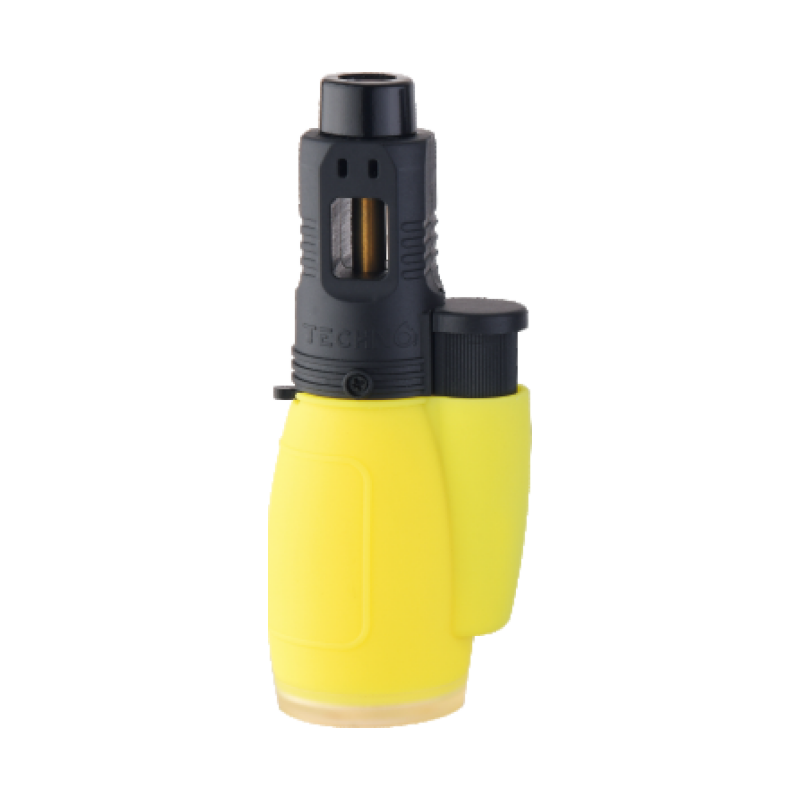
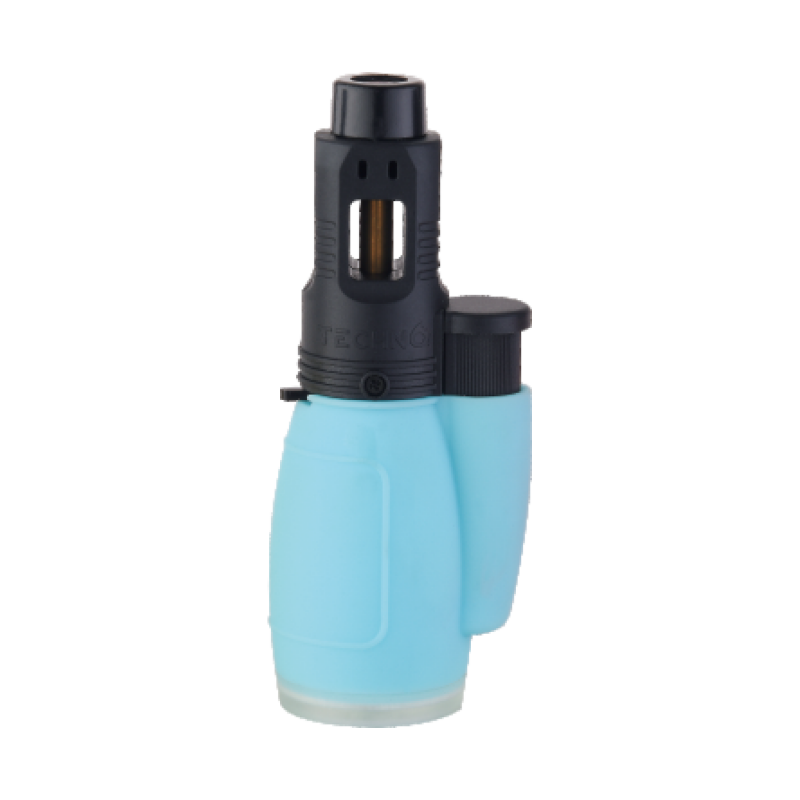
Common Problems with USB C Electric Lighters and Effective Solutions

Common Problems with USB C Electric Lighters and Effective Solutions

Despite their advantages, USB C electric lighters can encounter several common issues. Understanding these can help buyers troubleshoot effectively:

Charging Issues: If the lighter fails to charge, it may be due to a faulty USB cable or port. Ensure that the charging components are compatible and check for any visible damage. Buyers should test multiple charging cables to identify the issue.

Short Battery Life: If the battery life is shorter than expected, it could indicate inferior battery quality or a need for better usage practices. Educate users on optimal charging habits to prolong battery life and consider suppliers that offer higher-quality battery options, such as those that provide Normal Flame models for everyday use.

Flame Malfunction: If the lighter fails to ignite, it could be due to a malfunction in the ignition mechanism. This can often be resolved by cleaning the device, but frequent issues may necessitate contacting the manufacturer for support or replacement.

Durability Concerns: In high-use environments, lighters may experience wear and tear. Buyers should prioritize models with robust materials and test them under real-world conditions before bulk purchasing.

Inconsistent Ignition: If the ignition is inconsistent, this may be due to temperature fluctuations or battery issues. Buyers should ensure that the lighters are stored in stable environments and consider models with features that enhance reliability.

Applications of USB C Electric Lighters in Various Industries

Applications of USB C Electric Lighters in Various Industries

USB C electric lighters find applications in a variety of sectors, making them versatile tools for businesses:

Culinary: In the food industry, chefs and kitchen staff use these lighters for igniting stoves, grills, and candles. Their windproof flame is particularly advantageous in outdoor settings.

Camping and Outdoor Activities: Outdoor enthusiasts appreciate USB C electric lighters for their portability and reliability, making them ideal for lighting campfires or barbecues.

Promotional Products: Many companies use branded USB C electric lighters as giveaways or promotional items, capitalizing on their practical use and appeal.

Industrial Applications: In manufacturing and construction, these lighters can be used for soldering or igniting specific materials in safe environments, including Turbo Flame options for more demanding tasks.

Home and Office Use: For everyday use, customers appreciate the convenience of rechargeable lighters for lighting candles, fireplaces, or even for craft projects.

Best Practices

To maximize the benefits of USB C electric lighters, consider the following best practices:

Conduct Thorough Testing: Before committing to bulk orders, request samples to evaluate performance under intended usage conditions. Testing can help identify any potential issues with materials or functionality.

Educate Users: Provide clear instructions on the proper use and care of USB C electric lighters. This can help mitigate common problems and extend the product's lifespan.

Regular Maintenance: Encourage users to perform regular checks on the lighters, such as cleaning the ignition area and inspecting for damage. This proactive approach can prevent malfunctions.

Monitor Inventory Levels: Keep track of usage rates to avoid stock shortages. Establishing a reorder point based on consumption can ensure a steady supply.

Stay Updated on Technology: The electric lighter market is evolving. Stay informed about new features and advancements that may enhance usability or safety.

By following these guidelines, B2B buyers can make informed decisions about USB C electric lighters, ensuring they meet their operational needs while providing a reliable, eco-friendly solution for their businesses.

Key Specifications of USB C Electric Lighters for Bulk Purchasing

When considering USB C electric lighters for bulk purchasing, it's crucial to pay attention to several key specifications.

Battery Capacity: The capacity, usually measured in milliampere-hours (mAh), determines how long the lighter can be used before needing a recharge. A higher capacity typically translates to a longer usage time. This is significant for businesses that require frequent or prolonged use of lighters.

Charging Time: Evaluate the average charging time, which can range from 1 to 2 hours. This affects operational efficiency, especially in high-demand environments. Quick charging capabilities can minimize downtime.

Durability and Materials: The casing materials should be robust enough to withstand everyday wear and tear. Common materials include ABS plastic or zinc alloy, which offer both durability and aesthetic appeal. Ensure the lighters are tested for impact resistance and temperature tolerance.

Safety Features: Look for safety mechanisms such as short circuit protection, overheating protection, and child safety locks. These features are vital in preventing accidents, especially in commercial settings.

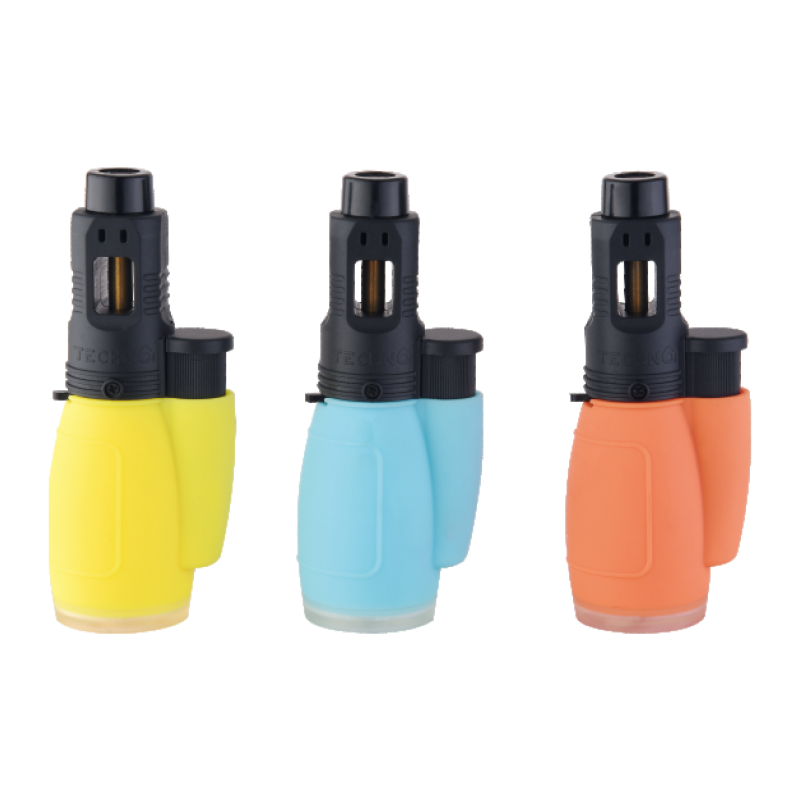
Ignition Mechanism: Most USB C electric lighters utilize plasma arc technology, which provides a windproof flame. Understanding the ignition mechanism can help determine its suitability for various applications, including Jet Flame options for more intense ignition.

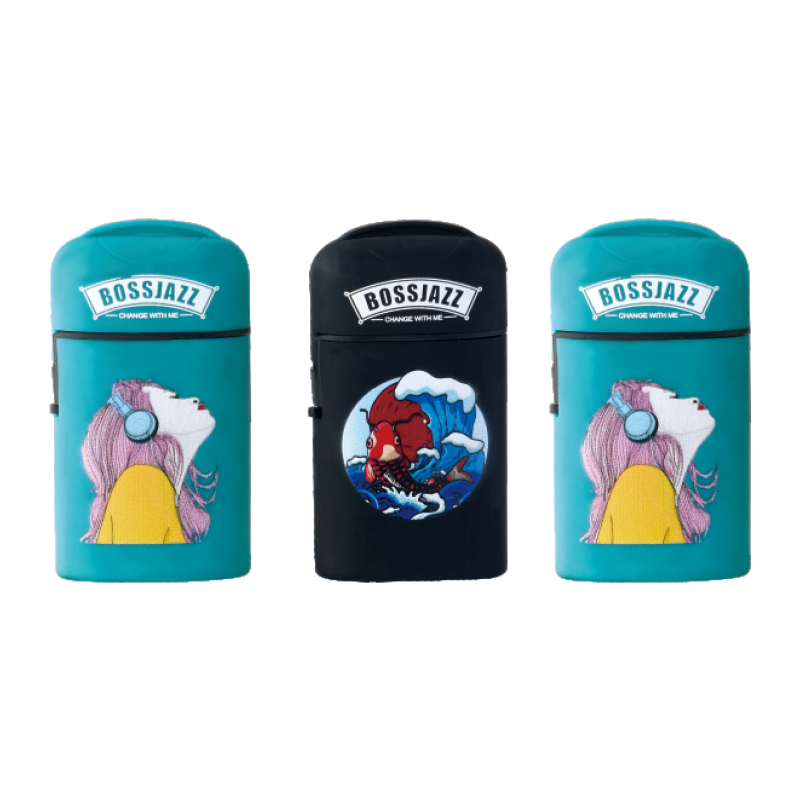
Customization Options: Many suppliers offer branding opportunities, such as custom colors and logos. This can enhance promotional efforts and brand visibility.

Get a Free Quote

Our representative will contact you soon.
Email
Mobile
Name
Company Name
Message
0/1000

Related product categories