Key Factors When Sourcing Small Electric Lighters

Contact me immediately if you encounter problems!

All Categories

small electric lighter

Small electric lighters are an essential tool in various industries, providing a convenient and efficient means of ignition. As a B2B buyer, you may have several concerns, such as product specifications, supplier reliability, and common issues that may arise. This article aims to help you navigate the complexities of sourcing small electric lighters, offering insights into specifications, supplier evaluation, potential problems, cost factors, and manufacturing processes.
Our Products

Where to Source Reliable Suppliers of Small Electric Lighters

Where to Source Reliable Suppliers of Small Electric Lighters

Finding a trustworthy supplier is critical for ensuring consistent product quality and reliability. Here are some strategies for sourcing small electric lighters:

Industry Trade Shows: Attending relevant trade shows provides opportunities to meet manufacturers and suppliers face-to-face. This direct interaction helps in evaluating their credibility and product offerings.

Online Marketplaces: Platforms like Alibaba and Global Sources allow you to compare various suppliers and their products. Look for suppliers with verified credentials and positive reviews.

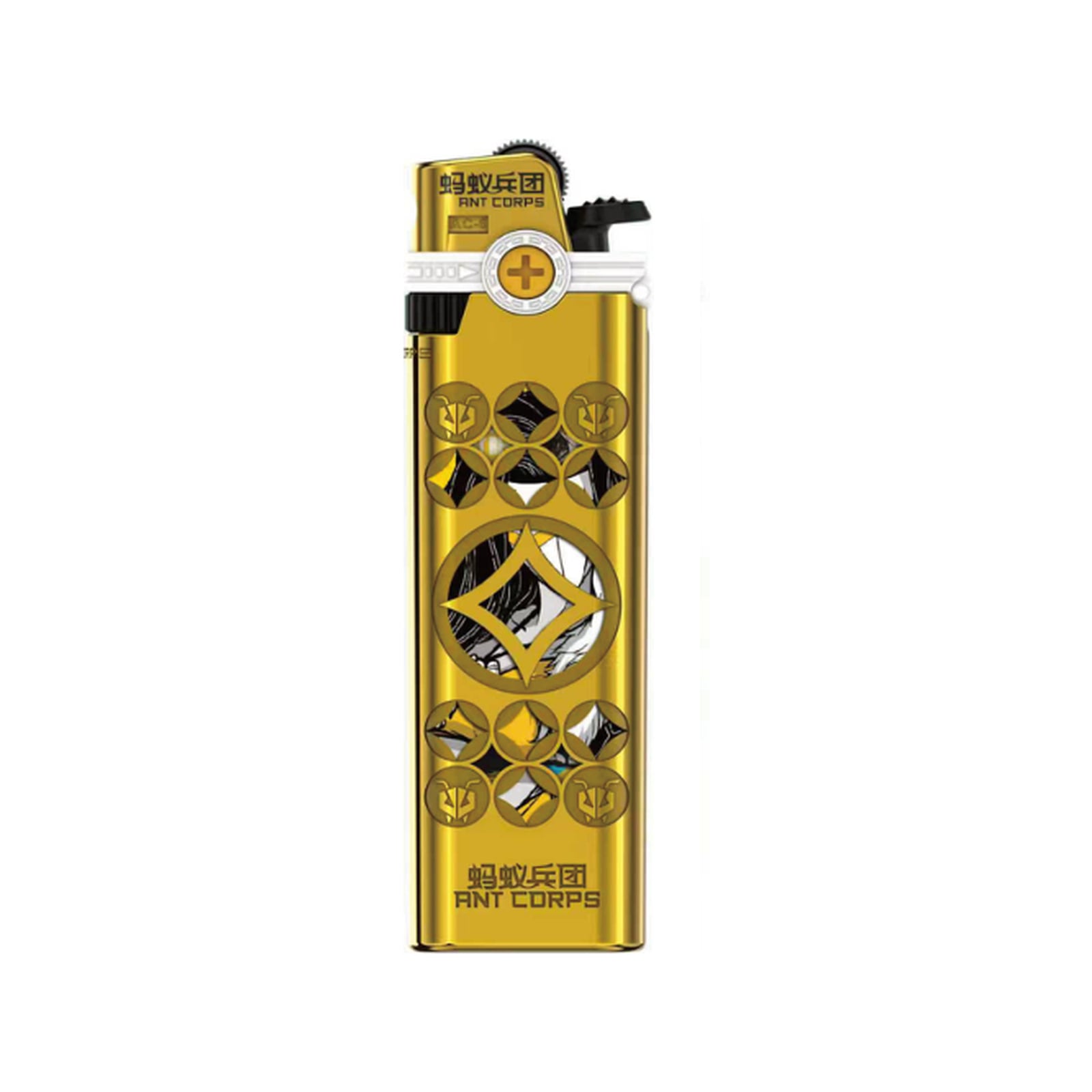
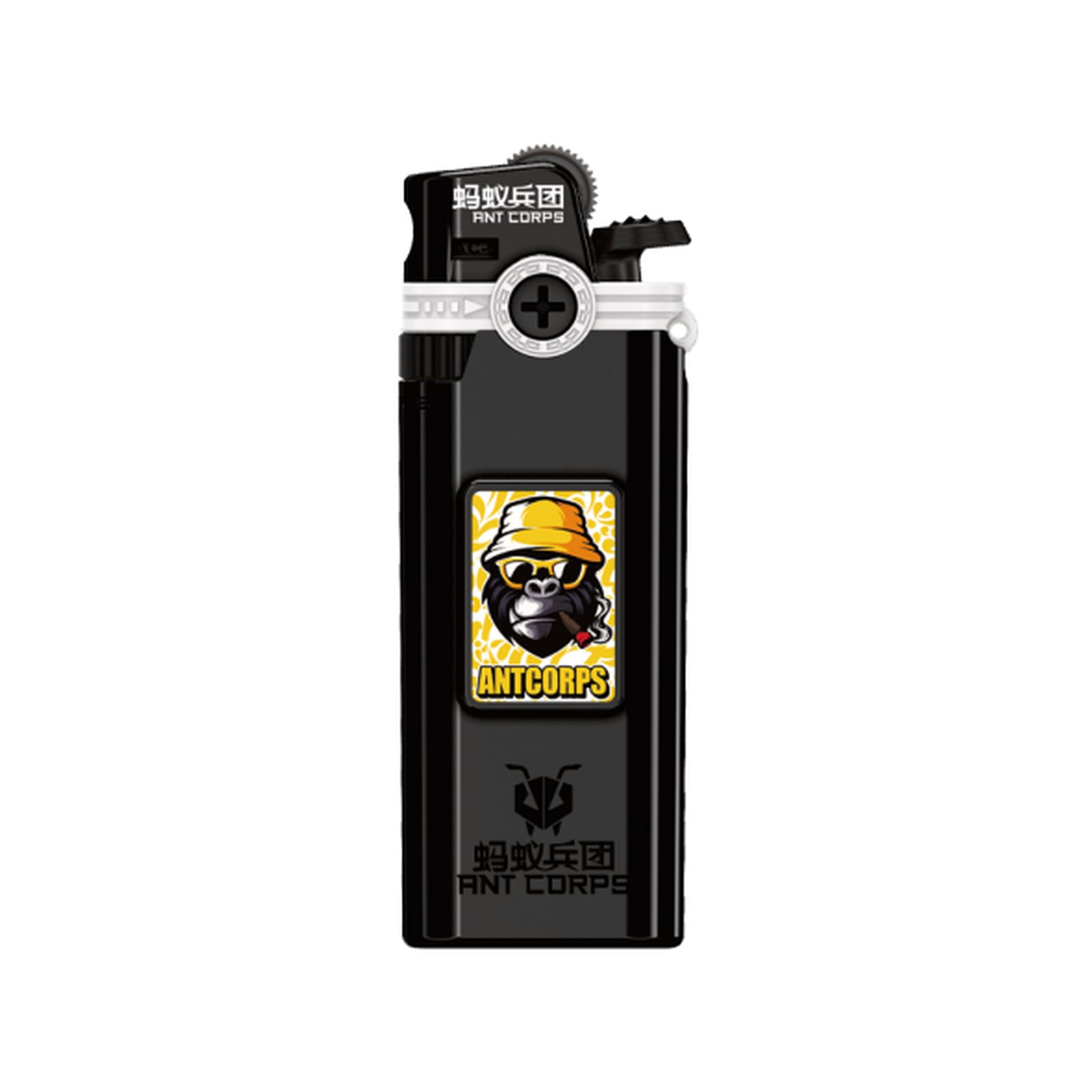
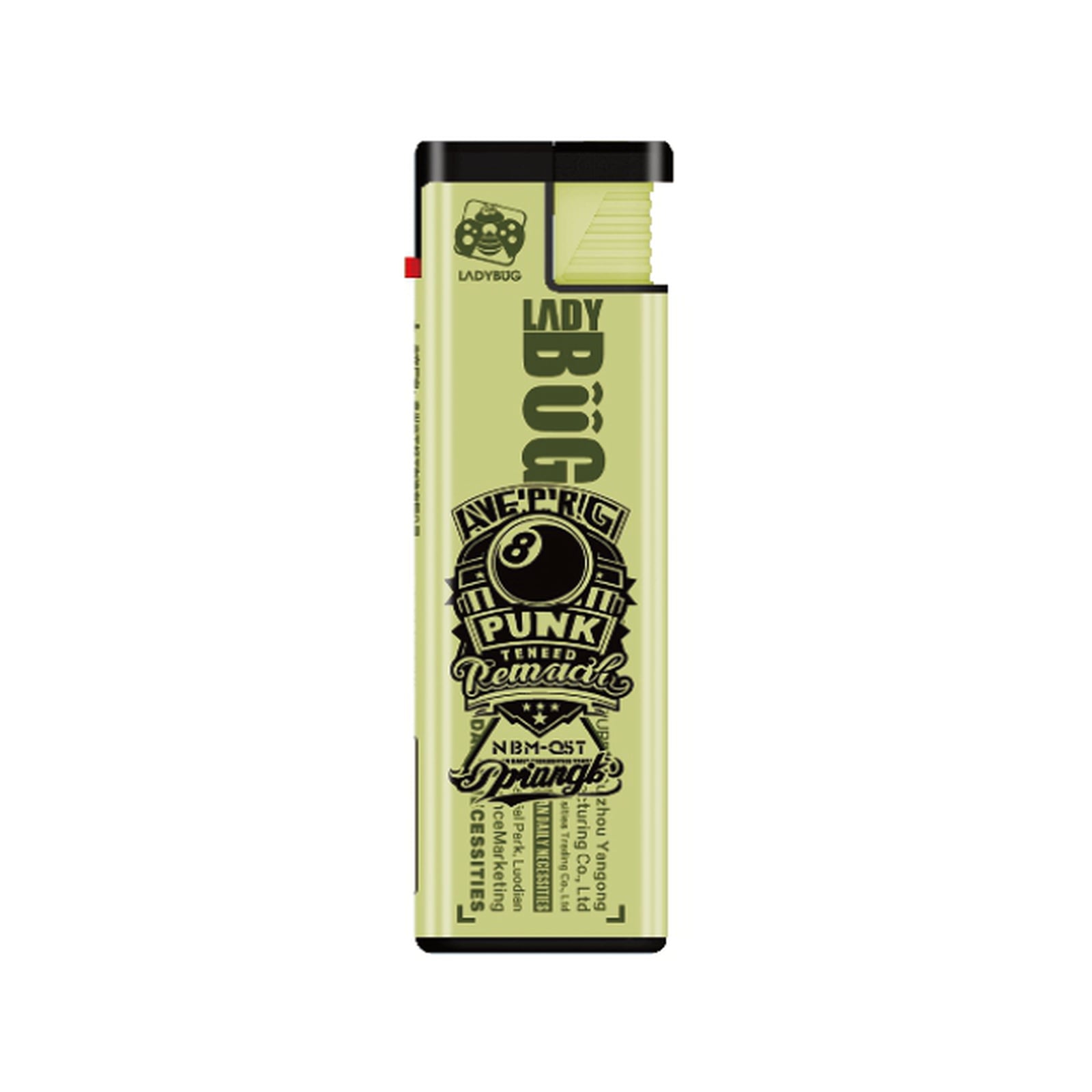
Manufacturer Networks: Engage with manufacturers like Ningbo Shunhong Lighter Manufacture Co., Ltd., known for their expertise in plastic electronic and promotional lighters. Such manufacturers often offer direct sourcing options and custom solutions tailored to specific needs. For example, you might explore options like the Q6T Refillable Butane Gas Lighter – Slim printed fashion body for a stylish alternative.

Industry Associations: Joining industry associations can provide leads on reputable suppliers and access to market intelligence, ensuring you make informed decisions.

When evaluating suppliers, consider aspects such as their production capacity, quality control processes, and customization capabilities to ensure alignment with your business needs.

Common Problems with Small Electric Lighters and Effective Solutions

Despite their utility, small electric lighters can encounter several common issues. Addressing these proactively can save time and resources:

Battery Failure: Battery issues are prevalent, often stemming from overcharging or prolonged inactivity. To mitigate this, establish usage guidelines and ensure regular maintenance checks. Opting for lighters with built-in overcharge protection can also help.

Ignition Malfunctions: If the lighter fails to ignite, check for debris in the ignition mechanism or battery depletion. Regular cleaning and ensuring the battery is charged can prevent these issues.

Physical Damage: The lightweight nature of plastic lighters can lead to damage from drops. Investing in models with robust casings or protective covers can reduce the likelihood of breakage.

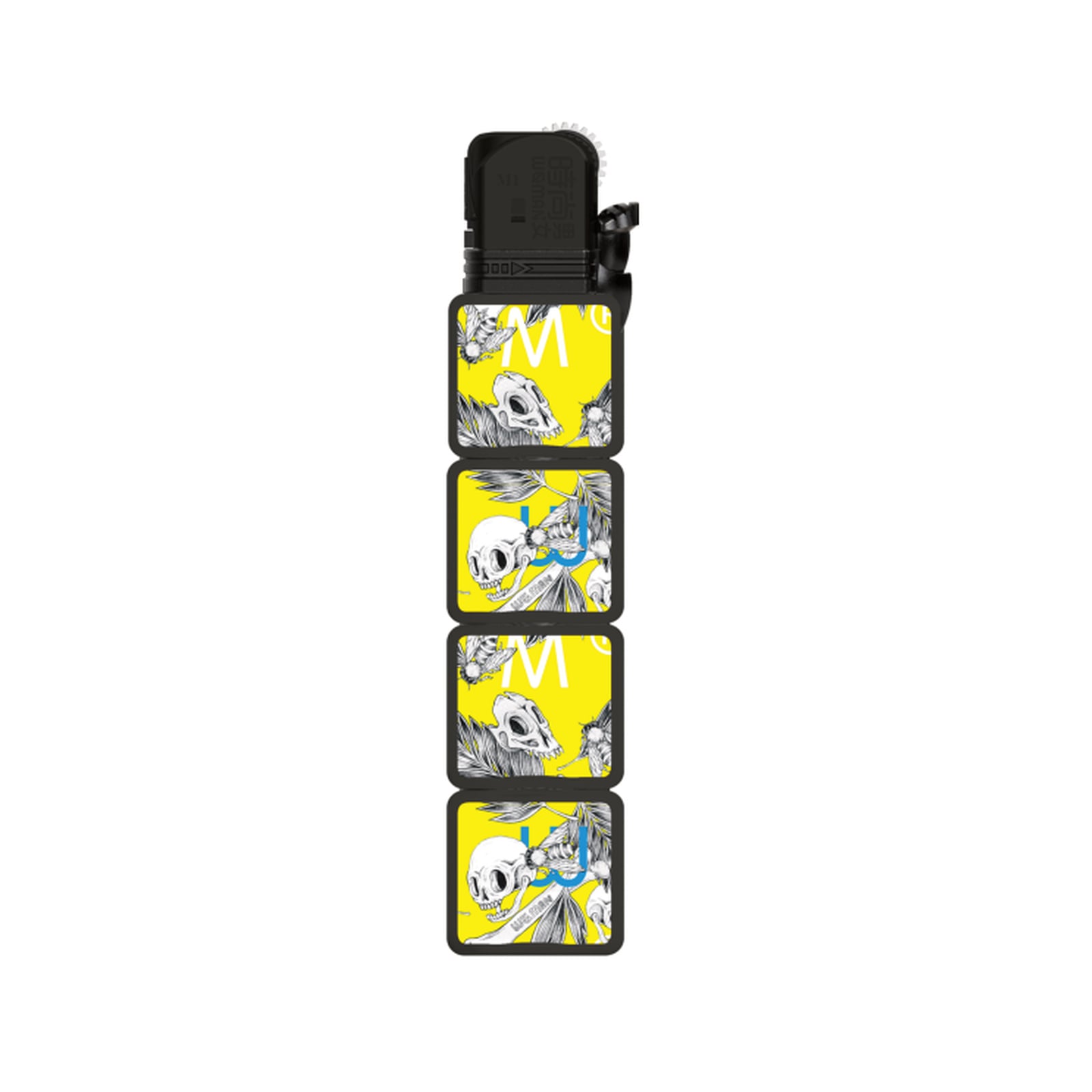
Inconsistent Performance: Variability in ignition strength can arise from manufacturing defects. Always conduct quality checks upon receipt and establish a clear returns policy with your supplier. For example, consider reliable models like the SH-3017 Printed Flat-Body Jet Torch Lighter with Skull Artwork to ensure consistent performance.

Identifying these potential problems early on can enhance product reliability and customer satisfaction.

Cost Factors to Consider When Purchasing Small Electric Lighters

Understanding the cost structure of small electric lighters is essential for budgeting and forecasting. Key cost factors include:

Material Costs: The choice of materials directly impacts pricing. Higher-grade materials may increase upfront costs but can lead to lower long-term costs due to durability and reduced replacement rates.

Customization: Custom branding or design features can add to the initial cost but may enhance marketing efforts. Be clear on your customization needs when requesting quotes to avoid unexpected expenses.

Order Quantity: Manufacturers often have minimum order quantities (MOQ). Larger orders may qualify for volume discounts, so analyze your usage patterns to determine the most cost-effective order size.

Shipping and Handling: Factor in shipping costs, which can vary based on destination and logistics. Working with suppliers who offer favorable shipping terms can reduce overall expenditures.

By understanding these cost factors, buyers can make informed decisions that align with their budgetary constraints while ensuring quality.

Technical Insights into the Manufacturing of Small Electric Lighters

The manufacturing process of small electric lighters involves several critical steps:

Design and Prototyping: Initial designs are created using CAD software, allowing for precise specifications. Prototyping helps in evaluating the ergonomics, aesthetics, and functionality of the lighter before mass production.

Material Selection: Manufacturers like Ningbo Shunhong use high-quality plastics and metals, ensuring the lighters meet industry standards for durability and reliability.

Injection Molding: This is a primary method for producing the lighter body. It involves injecting molten material into a mold, allowing for intricate designs and consistent quality.

Assembly and Quality Control: Each component is assembled carefully, followed by rigorous quality control checks to ensure functionality and safety. This includes testing ignition mechanisms and battery performance under various conditions.

Packaging and Distribution: Proper packaging protects the product during transit and enhances the presentation. Manufacturers often offer customized packaging solutions to align with branding requirements.

Understanding the manufacturing process can help buyers assess the quality and reliability of the products they are considering.

By grasping the specifications, supplier sourcing methods, common issues, cost factors, and manufacturing insights, you can make well-informed purchasing decisions regarding small electric lighters. This knowledge not only streamlines the procurement process but also enhances the overall value of your purchases.

Key Specifications of Small Electric Lighters You Need to Know

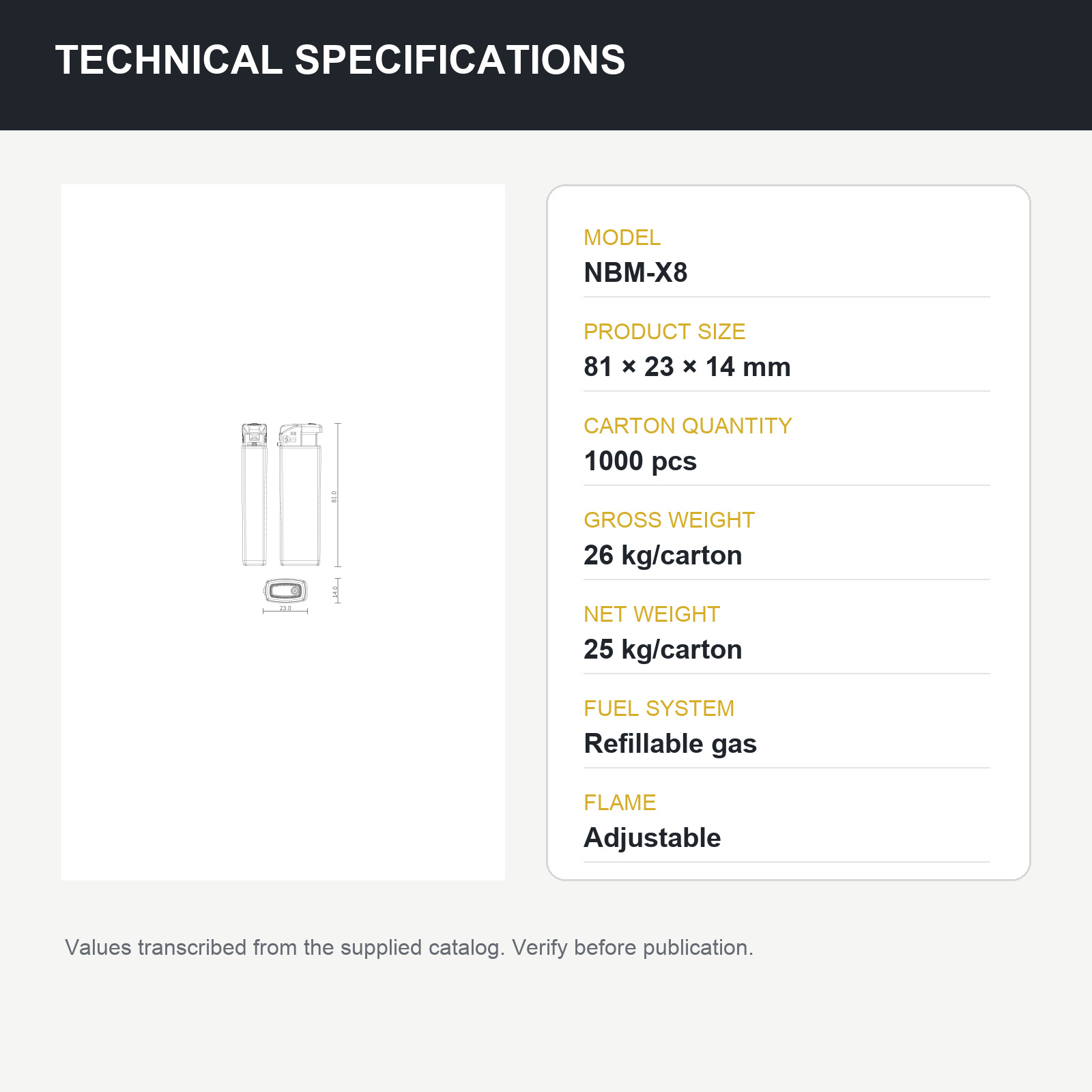
When evaluating small electric lighters, understanding their key specifications is vital. Key factors include:

Battery Type and Life: Most small electric lighters utilize rechargeable lithium-ion batteries. Buyers should consider battery life based on usage frequency, especially for high-demand applications. A longer battery life reduces the frequency of recharging, enhancing operational efficiency.

Material: The outer casing often consists of durable plastic or metal, impacting both aesthetics and durability. High-quality materials can withstand wear and tear, thus ensuring longevity, which is crucial for promotional or continuous-use scenarios.

Ignition Mechanism: Many small electric lighters use an arc or plasma ignition mechanism, which is windproof and more effective than traditional flame-based lighters. This feature is particularly valuable in outdoor applications or in windy environments.

Safety Features: Look for lighters equipped with child safety locks or automatic shut-off features to prevent accidental ignitions. Such specifications are important for applications involving children or in environments where safety is paramount.

Understanding these specifications not only aids in selecting the right lighter but also ensures compatibility with your operational needs.

Get a Free Quote

Our representative will contact you soon.
Email
Mobile
Name
Company Name
Message
0/1000

Related product categories