Key Specifications for Sourcing Jet Torch Lighters

Contact me immediately if you encounter problems!

All Categories

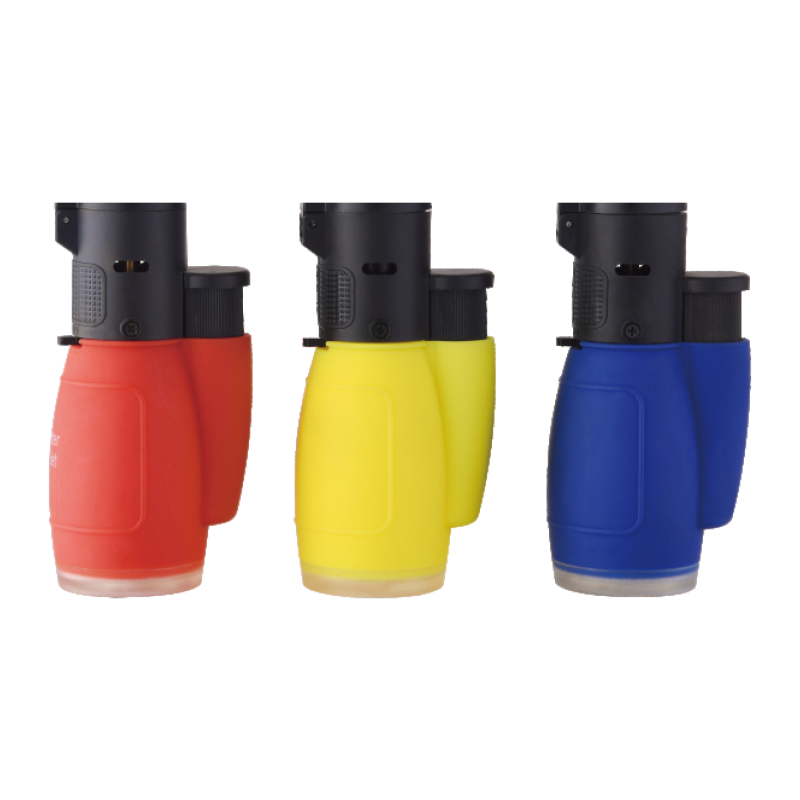
mk jet torch lighter

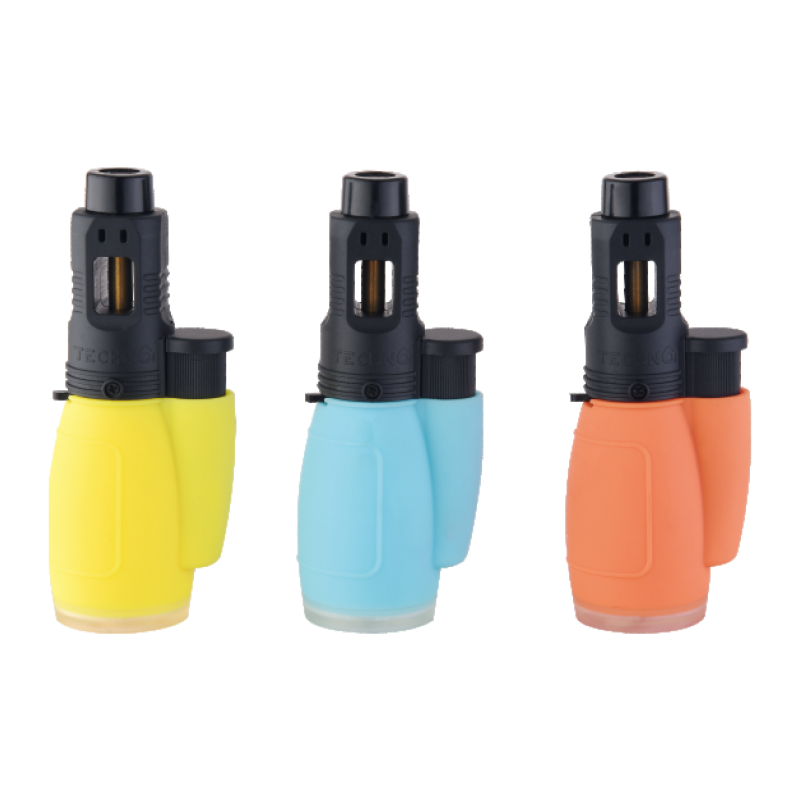
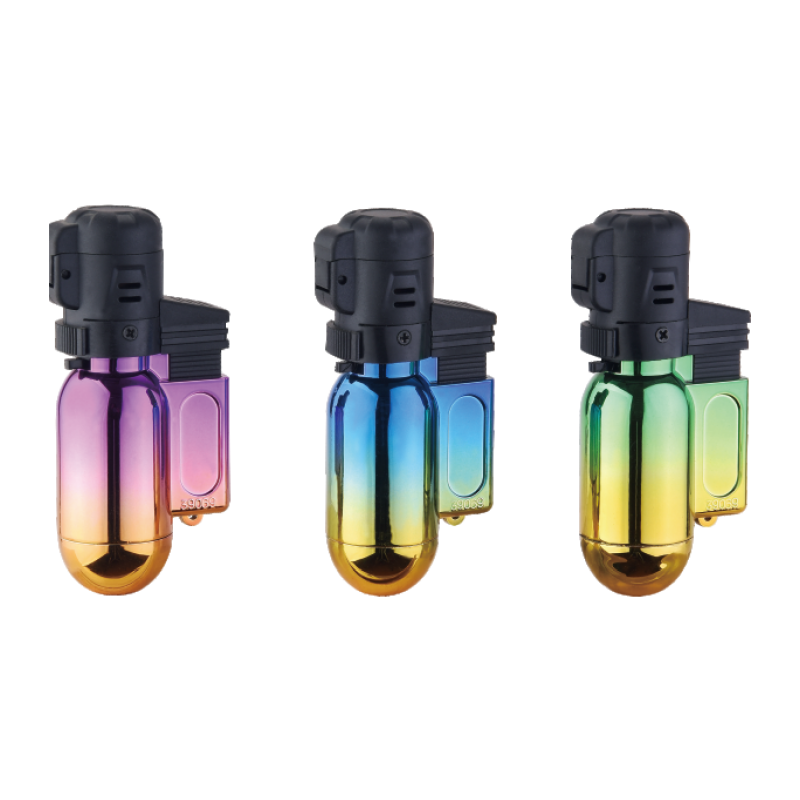
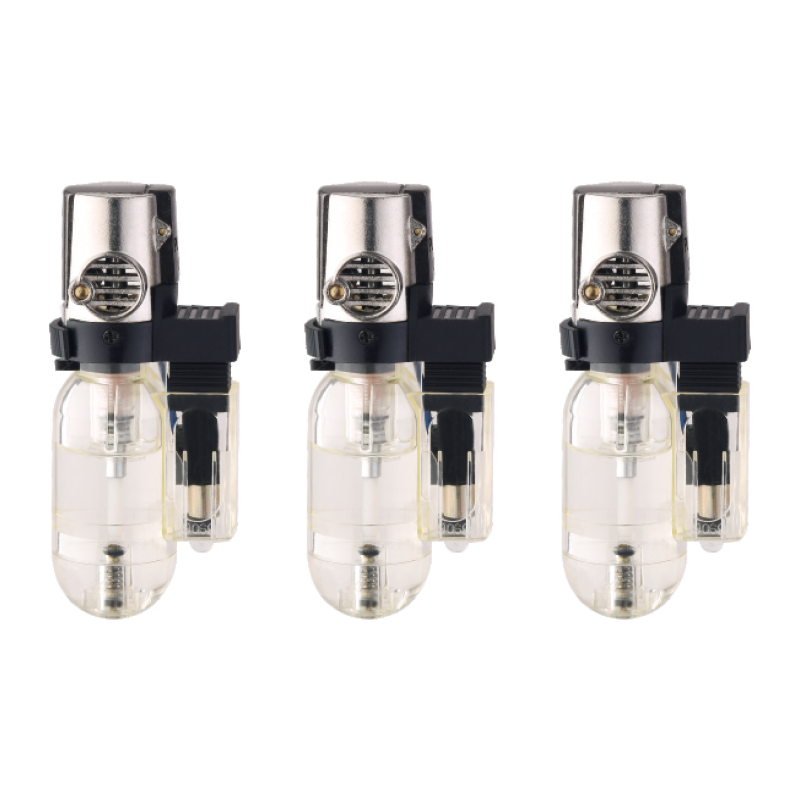
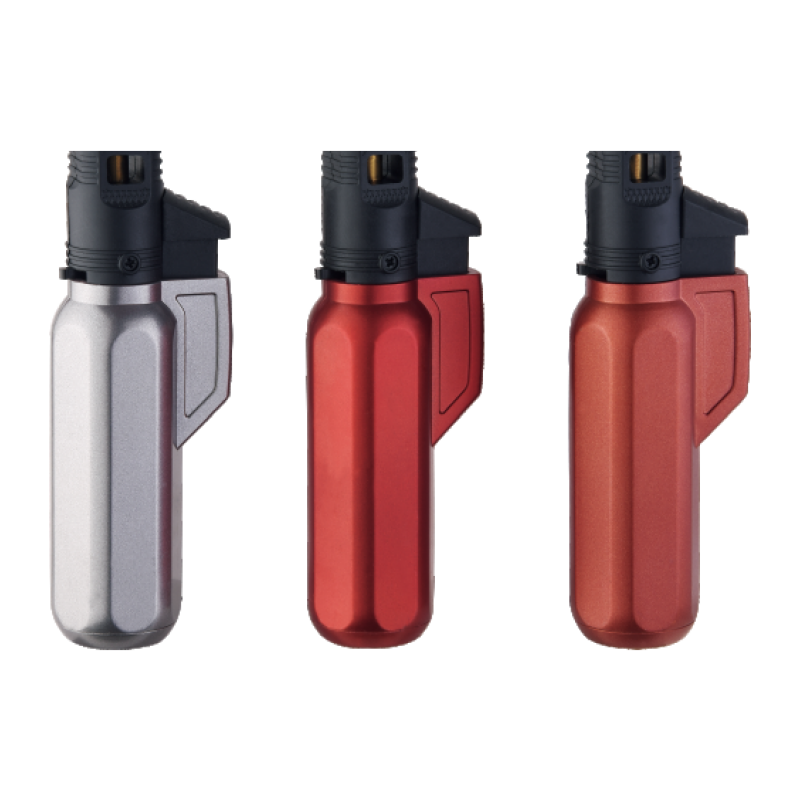
Jet torch lighters are specialized tools designed for precision flame applications, commonly used in industries ranging from culinary arts to manufacturing. When sourcing mk jet torch lighters, B2B buyers often focus on specifications, cost, and operational challenges. This article delves into key considerations that help purchasing managers, engineers, and distributors make informed decisions about sourcing these essential tools.
Our Products

Cost Factors for Bulk Orders of Jet Torch Lighters Explained

Understanding the cost structure is crucial when placing bulk orders for mk jet torch lighters. Several factors influence pricing, including:

Quantity Ordered: Bulk orders typically benefit from economies of scale, reducing the unit price. However, minimum order quantities (MOQs) may apply, so it's essential to confirm these details with the manufacturer.

Customization: Custom branding or modifications can impact the overall cost. Buyers should evaluate whether customization aligns with their marketing objectives and budget. For example, the NBM-X3S Refillable Butane Gas Lighter – Compact yellow cartoon print is a great customizable option.

Shipping and Import Fees: Depending on the origin of the product, shipping costs and customs duties can significantly affect the total price. Discuss shipping options and potential fees upfront to avoid unexpected expenses.

Payment Terms: Negotiating favorable payment terms can enhance cash flow. Some suppliers may offer discounts for early payments or larger upfront orders, which can be beneficial for budgeting.

Market Conditions: Fluctuations in raw material costs and demand can impact pricing. Keeping abreast of market trends can help buyers time their purchases effectively.

Common Problems and Solutions When Using Jet Torch Lighters

Despite their advantages, users of mk jet torch lighters may encounter common issues. Identifying these problems early can facilitate smoother operations:

Flame Adjustment Issues: If the flame is too low or too high, it may be due to improper adjustment settings. Regularly check the flame control settings to ensure they are correctly calibrated for your application.

Fuel Leakage: Fuel leakage is often caused by improper sealing. Always inspect the lighter for visible damage or wear on seals. If leakage occurs, discontinue use and consult the manufacturer for repair or replacement options.

Clogged Nozzle: A clogged nozzle can lead to inconsistent flame output. To resolve this, users should clean the nozzle regularly and ensure that only high-purity fuel is used to minimize deposits.

Ignition Failure: If the lighter does not ignite, check the fuel level and the ignition mechanism. In some cases, a simple refill or cleaning of the ignition system can resolve the issue.

Installation Guidelines for Jet Torch Lighters in Various Applications

Proper installation of mk jet torch lighters is essential to ensure safe and efficient operation. Here are guidelines tailored to different applications:

Culinary Use: For professional kitchens, lighters should be kept in a dry, cool place, away from direct heat sources. Ensure that staff are trained on proper ignition techniques and safety procedures.

Manufacturing Settings: In industrial environments, position lighters in accessible but safe locations. Ensure that there is adequate ventilation for the flame, and train personnel on emergency protocols in case of accidental ignition.

Outdoor Applications: When using jet torch lighters for outdoor tasks, like camping or landscaping, ensure they are shielded from wind to maintain flame stability. Carry them in protective cases to prevent damage.

Maintenance Areas: In maintenance or repair environments, lighters should be stored in dedicated, clearly marked areas away from flammable materials. Regular safety audits can help mitigate risks.

What Buyers Should Know

When sourcing mk jet torch lighters, buyers should keep the following considerations in mind:

Supplier Evaluation: Assess the manufacturer's reputation, production capabilities, and quality control processes. A reliable supplier should provide documentation of quality standards and certifications.

Sample Approval: Before committing to a bulk order, request samples to evaluate flame performance, durability, and ease of use. Testing under actual operational conditions can reveal potential issues.

Lead Times: Inquire about production lead times and delivery schedules. Understanding these timelines is crucial for planning inventory and ensuring that products arrive when needed.

Technical Support: Choose suppliers that offer post-purchase support, including troubleshooting and repair services. This support can be invaluable in maintaining operational efficiency.

Feedback Mechanisms: Establish channels for ongoing communication with the supplier. Regular feedback can help align product offerings with evolving business needs and improve future orders.

By considering these factors, B2B buyers can make informed decisions when sourcing mk jet torch lighters, ensuring they meet their operational needs while maintaining safety and efficiency in their applications.

Key Specifications to Consider When Sourcing Jet Torch Lighters

When selecting mk jet torch lighters, several specifications are critical to ensure optimal performance for your intended application.

Flame Temperature: The flame temperature can vary significantly between models. A higher temperature is vital for tasks requiring quick ignition or high heat, such as soldering or culinary applications. Buyers should ensure the lighters can reach the necessary temperature for their specific use cases.

Fuel Type: Most jet torch lighters use butane as fuel, but the purity of this fuel can affect performance. High-purity butane ensures a cleaner burn, reducing residue and prolonging the lighter's lifespan. Buyers should inquire about the recommended fuel type from the manufacturer to ensure compatibility. Consider using products like Q6T Refillable Butane Gas Lighter – Slim printed fashion body for optimal performance.

Ignition Mechanism: There are two primary types of ignition mechanisms: manual and automatic. Automatic ignition systems offer ease of use but may be less reliable in harsh environments. Buyers should assess the operational conditions and choose a mechanism that suits their needs.

Safety Features: Look for features such as child safety locks and flame extinguishing systems. These elements are especially important in environments where safety regulations are strict.

Durability and Materials: The lighter's construction materials impact its longevity and resistance to heat and impact. Materials like high-grade plastic or metal offer better durability, essential for industrial applications.

Get a Free Quote

Our representative will contact you soon.
Email
Mobile
Name
Company Name
Message
0/1000

Related product categories