 EN

A metal cigarette case with lighter is not just a stylish accessory for smokers, but also a practical solution for protecting cigarettes while ensuring one always has a lighter on hand. Purchasing managers and product distributors often seek reliable suppliers that can deliver high-quality products meeting specific design, durability, and functionality requirements. This article will explore essential considerations for sourcing these products, from specifications and common installation issues to popular applications and quality design features.
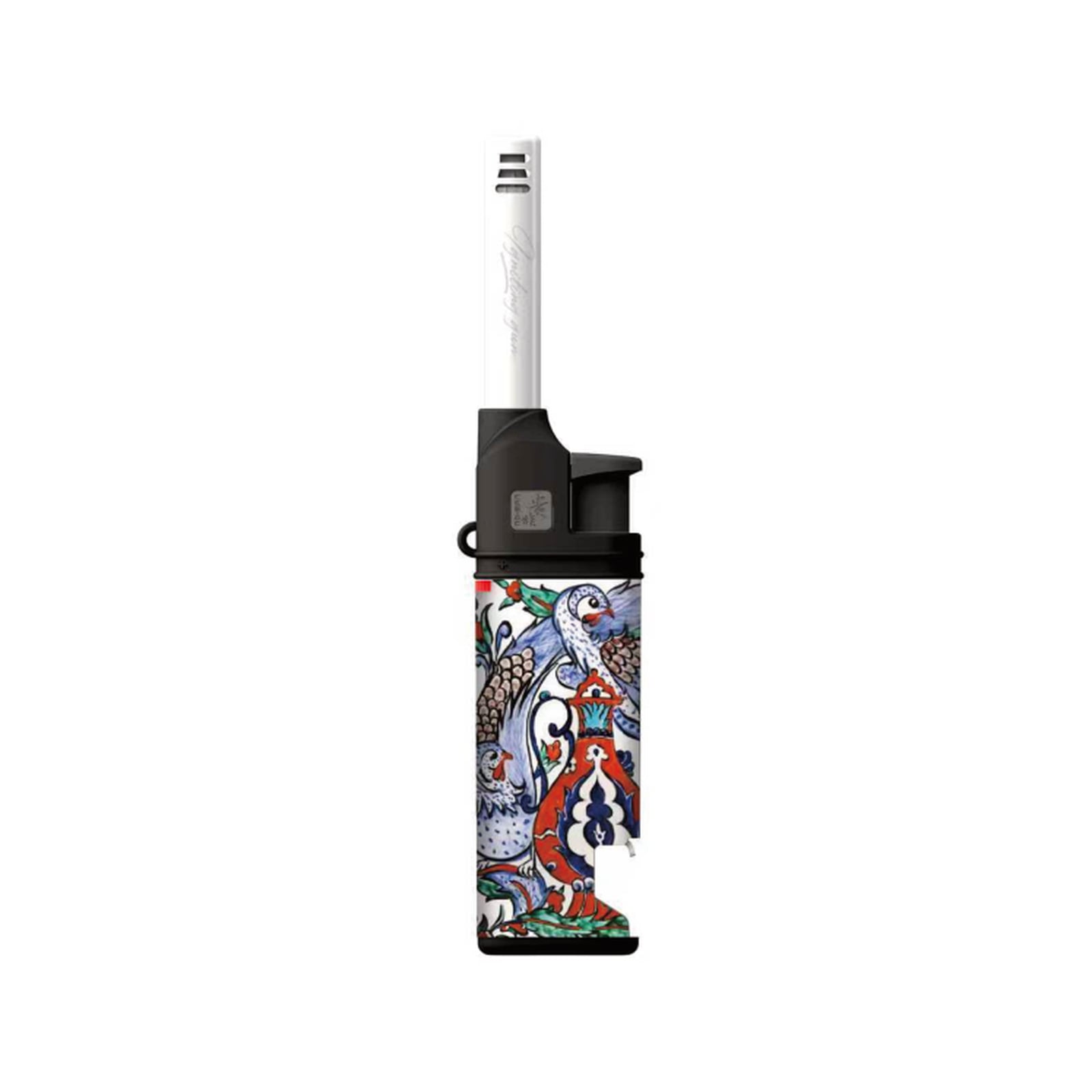
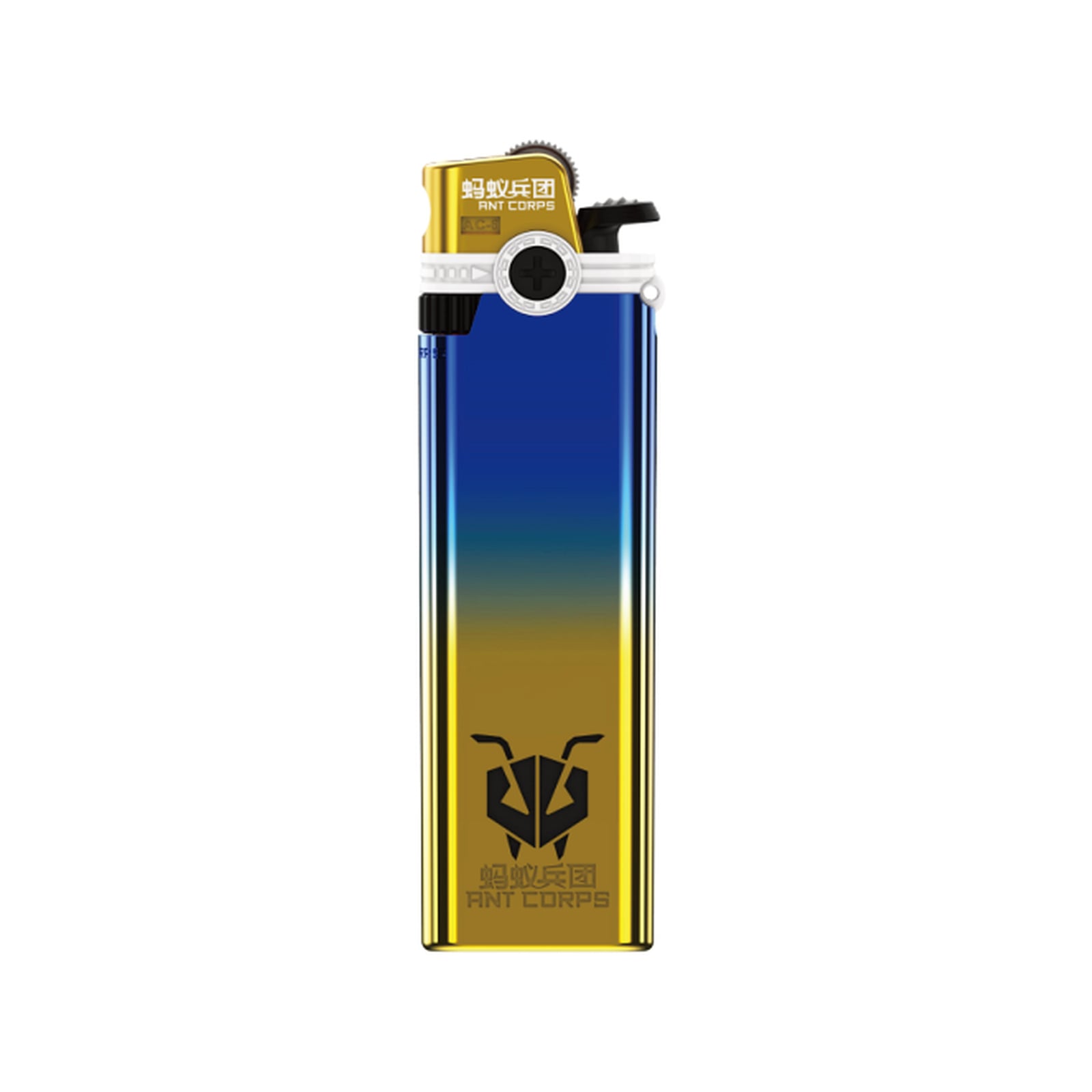
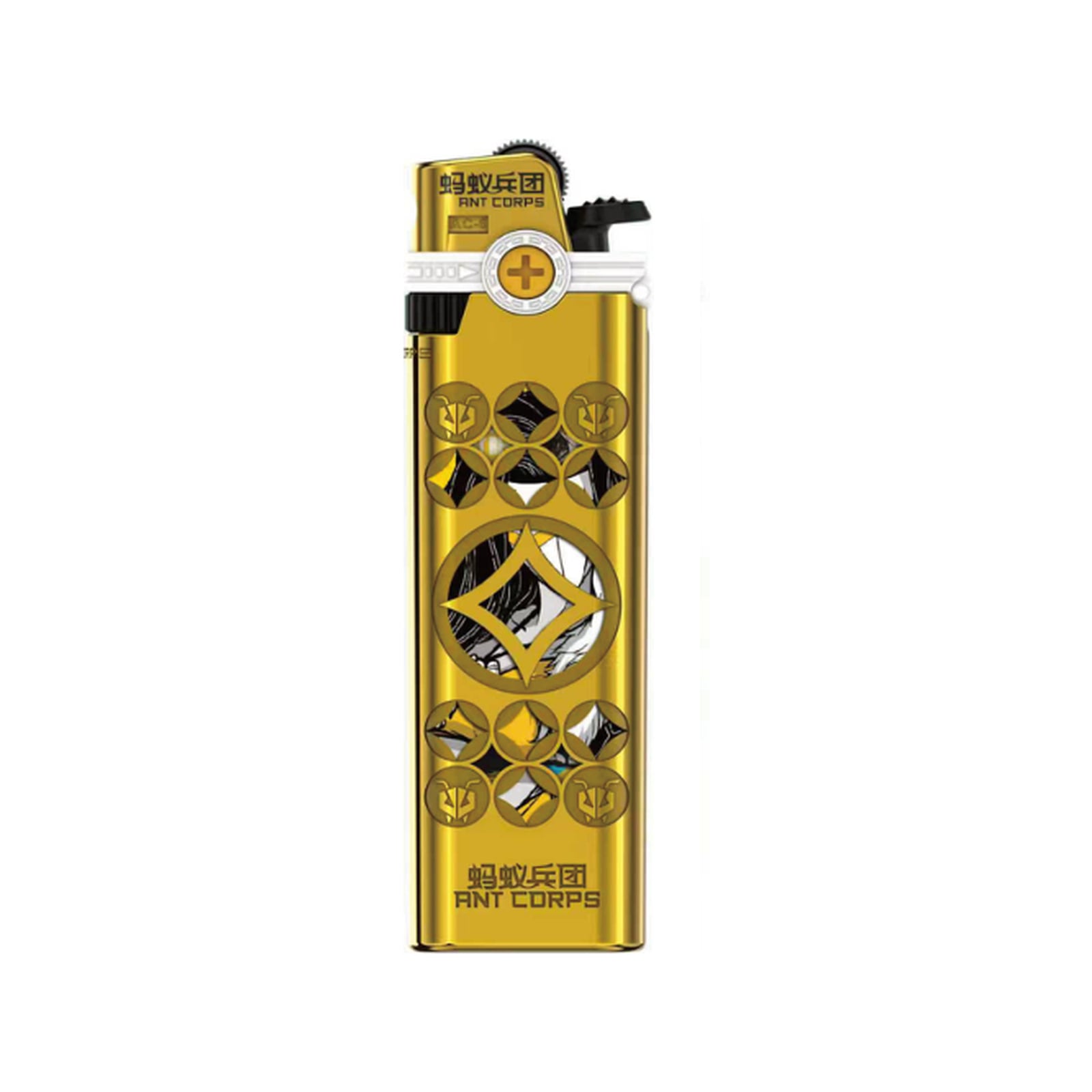
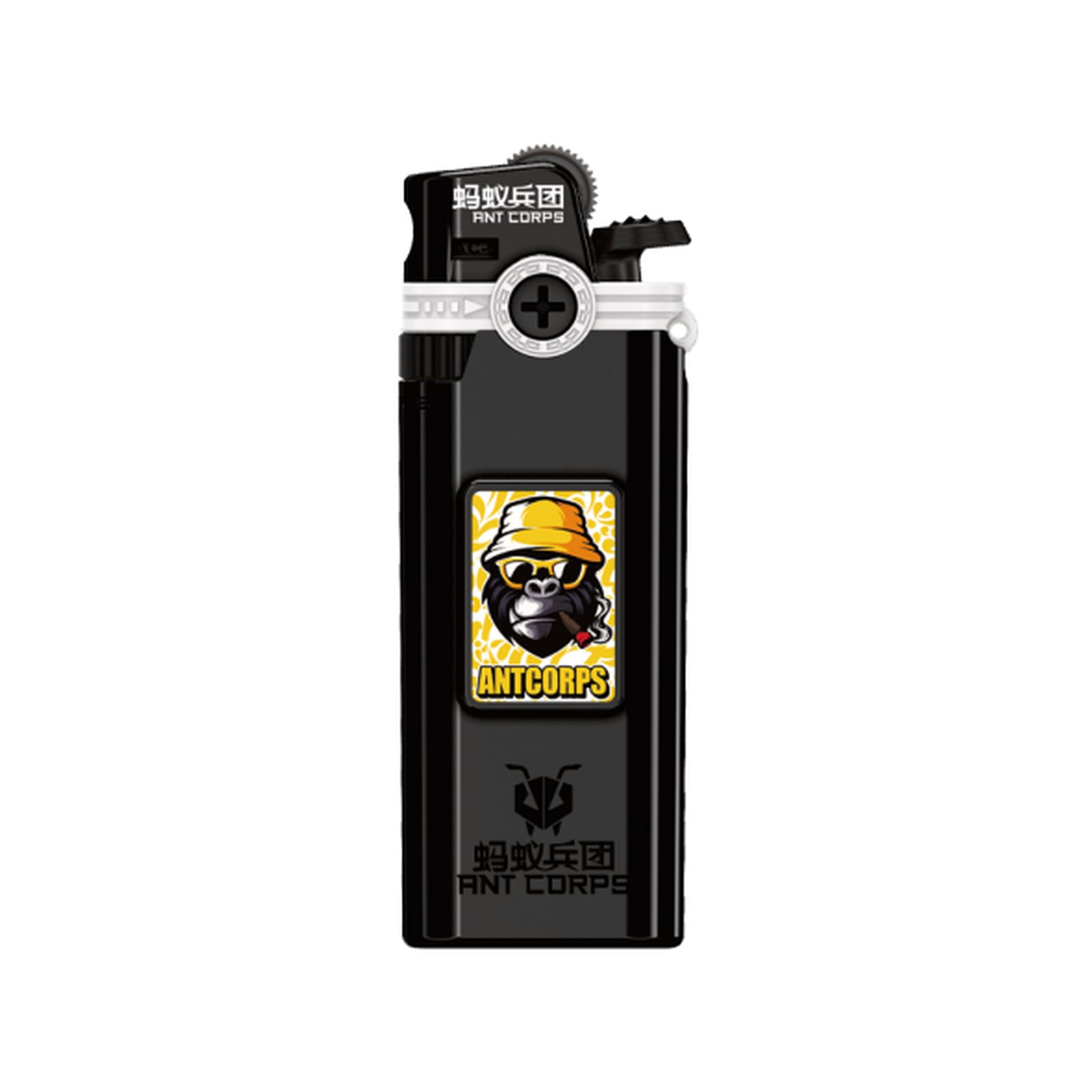
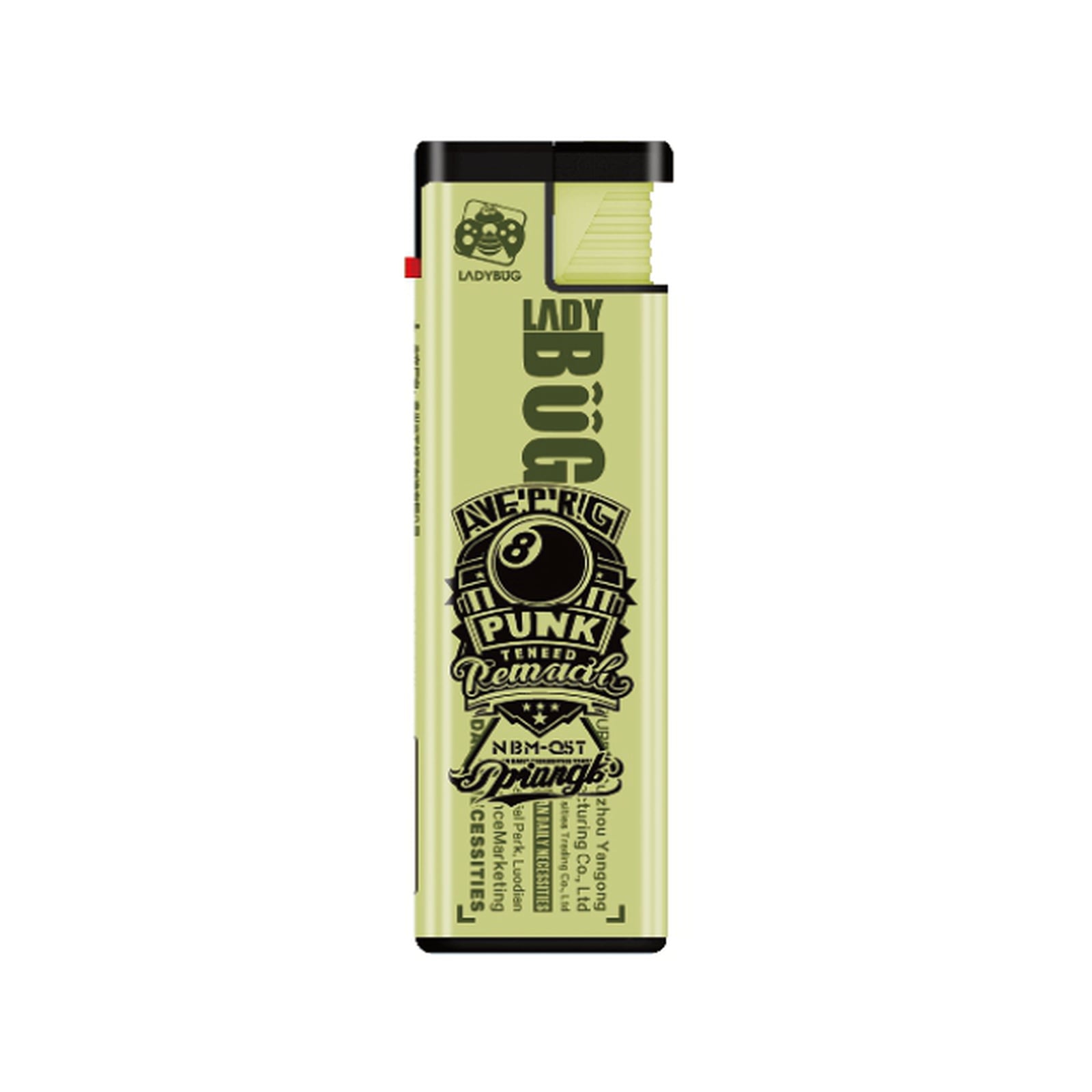
How to Evaluate the Quality of Metal Cigarette Cases and Lighters
Understanding the specifications of metal cigarette cases with lighters is essential for ensuring that the product meets your needs. Key specifications include:
Material: Common materials include stainless steel, aluminum, and zinc alloy. Each material affects the case's durability, weight, and appearance. For example, stainless steel offers exceptional durability, while aluminum is lightweight and may be more cost-effective.
Dimensions: The size of the cigarette case should accommodate standard cigarette lengths and widths while being portable. Custom dimensions may be necessary for unique applications.
Weight: A heavier case may indicate sturdier construction, but it should remain lightweight enough for comfortable carrying. Buyers should consider the balance between weight and durability.
Lighter Type: Integrated lighters can vary in design, including flint-based, electronic, or butane options. The type of lighter affects the ease of use, reliability, and maintenance requirements. Exploring options such as Turbo Flame could provide additional benefits.
Finish: The surface treatment can impact both aesthetic appeal and functionality. Options may include matte, glossy, or textured finishes, which can enhance grip and style.
By confirming these specifications with the manufacturer, buyers can ensure that the metal cigarette case with lighter aligns with their intended application and customer preferences.