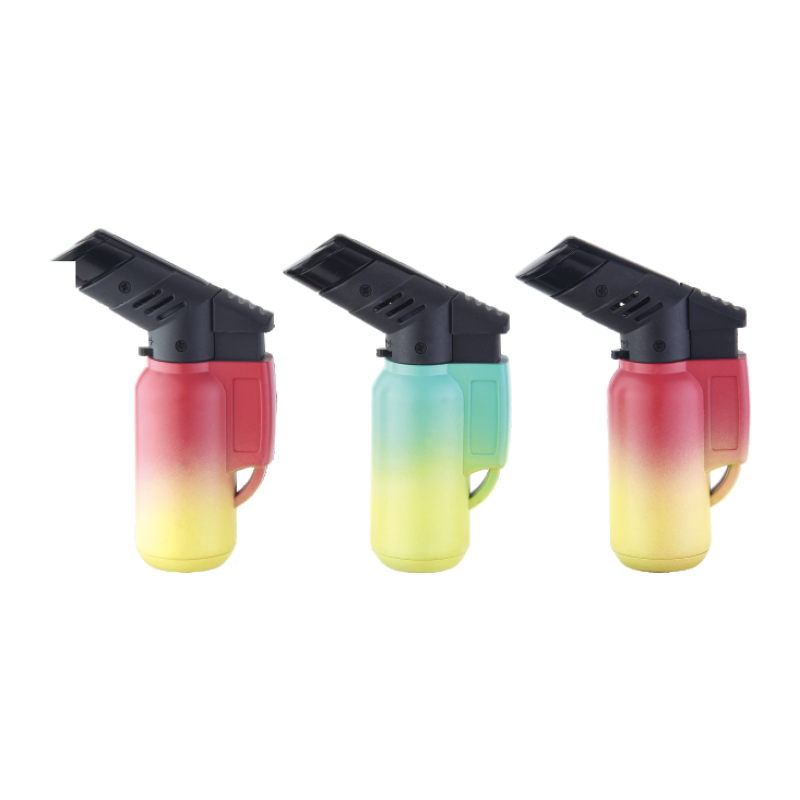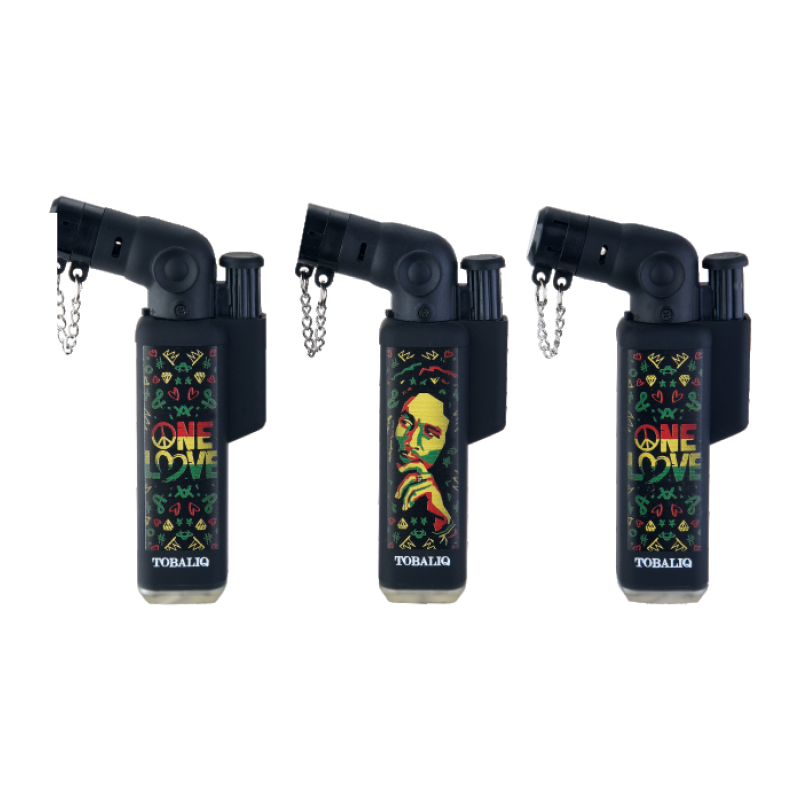
Choosing Quality Lighter Case Metal for Your Projects

Contact me immediately if you encounter problems!

All Categories

lighter case metal

Lighter case metal is a crucial component in the production of plastic electronic and promotional lighters. As a purchasing manager or distributor, understanding the various options and specifications for lighter case metal is essential to ensure the quality and functionality of the final product. This article will help you navigate the selection process, compare different materials, evaluate quality, and understand the cost factors involved in purchasing lighter case metal.
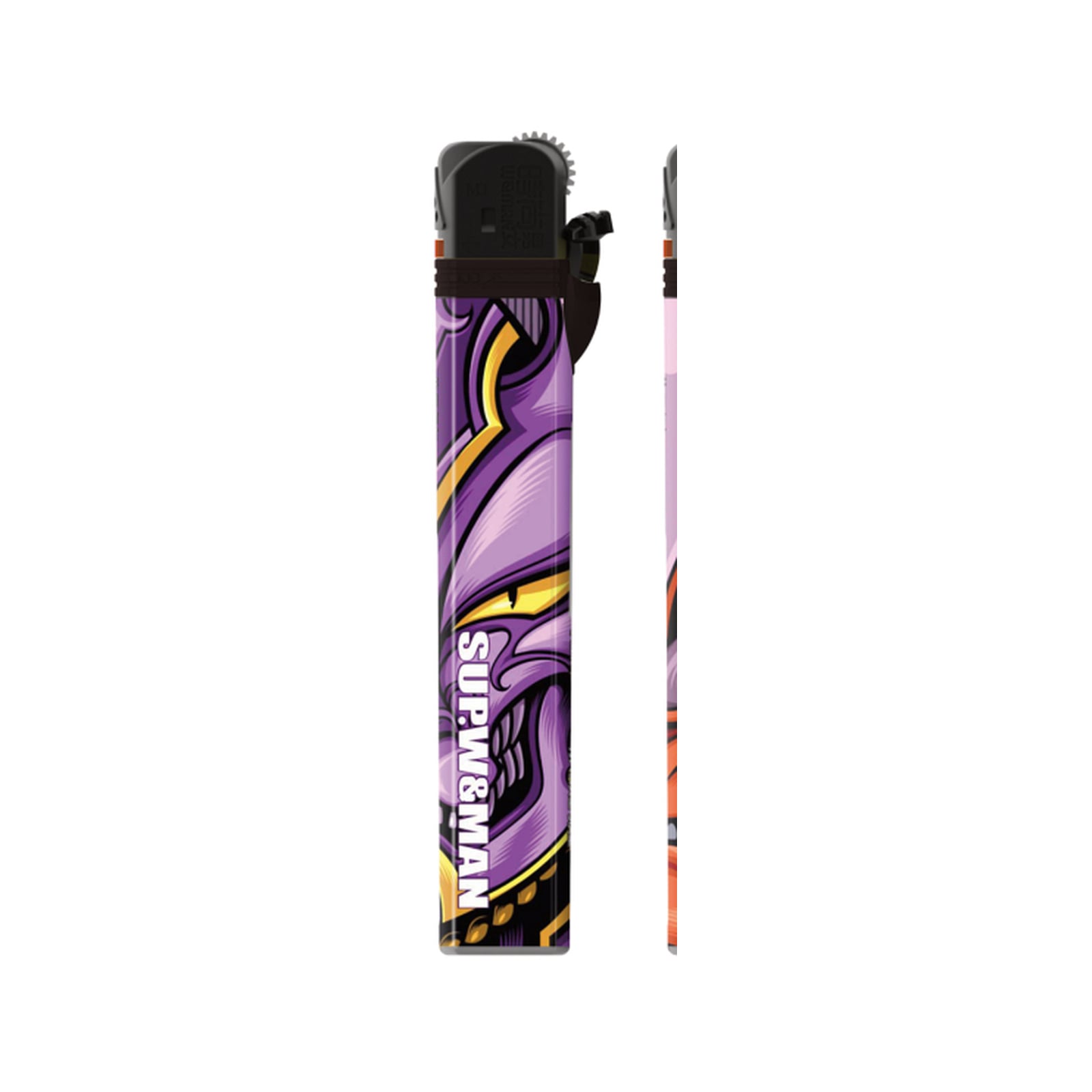
Our Products

Comparing Lighter Case Metal Options for Importers and Distributors

Comparing Lighter Case Metal Options for Importers and Distributors

Importers and distributors should consider several lighter case metal options that cater to different market segments.

Aluminum vs. Zinc Alloys: As mentioned, aluminum is lighter and offers excellent corrosion resistance, making it suitable for promotional lighters designed for everyday use. In contrast, zinc alloys, while heavier, provide enhanced durability, making them ideal for high-end or specialty lighters. Additionally, options like the Turbo Flame may benefit from the durability of zinc alloys.

Cost Considerations: Generally, aluminum is more cost-effective due to its abundance and ease of manufacturing. However, zinc alloys may offer longer-lasting products, which can justify their higher price point in specific applications.

Customization Options: Some manufacturers, like Ningbo Shunhong, offer customization in terms of dimensions and surface finishes, which can help you differentiate your products in a competitive market. Understanding these options can lead to better inventory management and customer satisfaction.
Cost Factors to Consider When Purchasing Lighter Case Metal

Cost Factors to Consider When Purchasing Lighter Case Metal

When evaluating the cost of lighter case metal, several factors come into play:

Material Costs: The choice between aluminum and zinc alloys significantly impacts pricing. Bulk purchasing can help reduce costs, so consider your projected sales volume when negotiating with suppliers.

Manufacturing Complexity: Custom designs or intricate manufacturing processes may raise costs. Assess whether the additional expense aligns with your market strategy and customer expectations.

Shipping and Import Fees: If sourcing lighter case metal internationally, account for shipping costs and potential tariffs. Understanding these can help you calculate the total landed cost of your product.

Minimum Order Quantities (MOQ): Manufacturers often set a minimum order quantity, which can affect your initial investment. Ensure you discuss MOQs with your supplier and align them with your sales forecasts to avoid excess inventory.

Evaluating the Quality of Lighter Case Metal Products

Evaluating the Quality of Lighter Case Metal Products

Quality inspection of lighter case metal is critical to ensure the longevity and reliability of the final product. Here are several quality evaluation points:

Dimensional Accuracy: Check that the metal components meet the specified dimensions. Any deviation can lead to assembly issues or product failure. Conducting dimensional inspections during production can help catch errors early.

Material Integrity: Conduct tests for tensile strength and corrosion resistance, particularly if the lighter will be exposed to moisture or extreme temperatures. This ensures the metal will perform as expected in various environments.

Surface Quality: Inspect the surface treatment for defects such as scratches or uneven coatings. A high-quality finish not only improves aesthetics but also enhances corrosion resistance.

Sample Approvals: Before mass production, it's advisable to approve a sample that reflects the final product's specifications. This step confirms that the dimensions, finish, and functionality meet your expectations and reduces the risk of costly production mistakes.

Advantages of Using Lighter Case Metal in Manufacturing Processes

Choosing lighter case metal for your lighters offers several advantages:

Weight Reduction: Metals like aluminum contribute to a lighter overall product, enhancing user experience and portability. This is especially important for promotional lighters that are designed for everyday carry.

Durability: Lighter case metals provide excellent durability, ensuring that the product withstands daily use without significant wear. This can result in lower return rates and higher customer satisfaction.

Design Flexibility: Metal cases allow for intricate designs and branding opportunities. Custom shapes and finishes can enhance product appeal and differentiate your brand in a crowded marketplace.

Recyclability: Many lighter case metals are recyclable, allowing manufacturers to adopt more sustainable practices. This can be a selling point for environmentally conscious consumers.

Understanding the nuances of lighter case metal selection is crucial for B2B buyers in the lighter manufacturing industry. By evaluating material options, comparing costs, ensuring quality, and recognizing the advantages of using lightweight metals, purchasing managers and distributors can make informed decisions that lead to successful product outcomes.

How to Choose Quality Lighter Case Metal for Your Projects

When selecting lighter case metal, consider the specific requirements of your project, including the intended use and environmental conditions. Key factors to evaluate include:

Material Composition: Common materials for lighter case metal include aluminum and zinc alloys. Aluminum is lightweight and resistant to corrosion, while zinc alloys offer superior strength and durability. Determine which material best fits your project's needs regarding weight, strength, and resistance to wear. For instance, if you're considering options like Normal Flame lighters, aluminum may be more suitable due to its lightweight nature.

Thickness and Dimensions: The thickness of the metal affects the durability and feel of the lighter. Thicker materials can provide better protection but may add weight. Ensure the dimensions align with the design specifications of your lighter, considering how the metal will interface with other components.

Surface Treatment: Finishing processes like anodizing or powder coating can enhance the appearance and corrosion resistance of lighter case metal. Choose a surface treatment that complements the aesthetics of your product while also providing necessary protection.

Production Capabilities: Verify that your supplier can meet your project's specific manufacturing requirements, including the ability to produce custom shapes or designs if needed. At Ningbo Shunhong Lighter Manufacture Co., Ltd., extensive manufacturing capabilities allow for tailored solutions in lighter case metal production.

Get a Free Quote

Our representative will contact you soon.
Email
Mobile
Name
Company Name
Message
0/1000

Related product categories