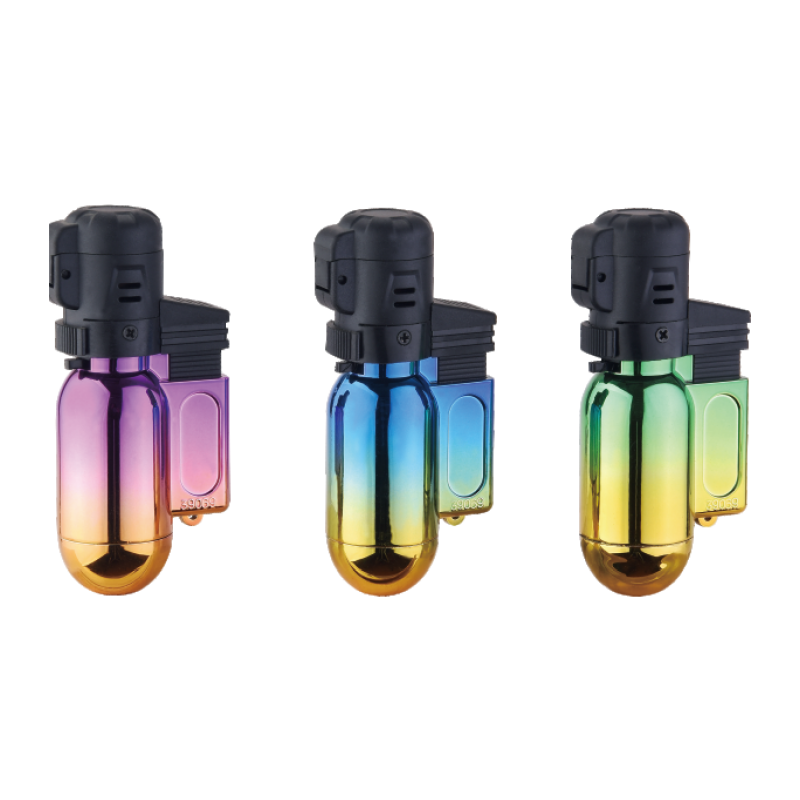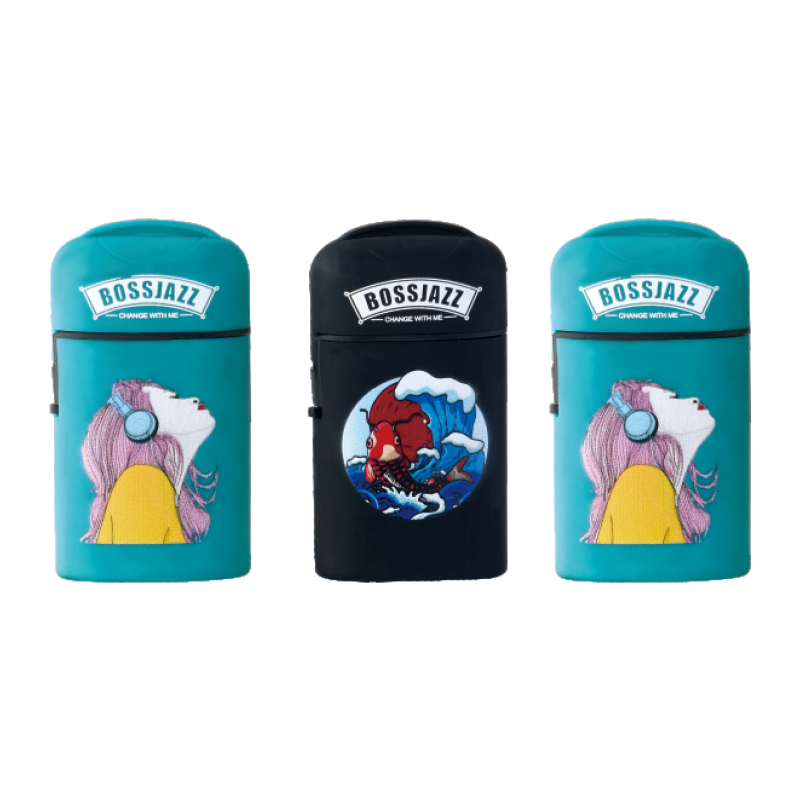
Key Considerations for Sourcing Metal Case Lighters

Contact me immediately if you encounter problems!

All Categories

metal case lighter

Metal case lighters are a popular choice in various industries due to their durability and aesthetic appeal. Sourcing these lighters involves several considerations, from material selection to production processes. This article will delve into key factors that affect purchasing decisions for metal case lighters, addressing buyer concerns such as cost, quality, and application suitability. By understanding these elements, purchasing managers and industry professionals can make informed decisions that align with their specific needs.
Our Products

Common Problems with Metal Case Lighters and Their Solutions

Common Problems with Metal Case Lighters and Their Solutions

Despite their popularity, metal case lighters can present some challenges. Here are common issues and their solutions:

Durability Under Extreme Conditions: Metal case lighters may not perform well under extreme temperatures or moisture. Buyers should ensure that the chosen lighter is designed for the intended environmental conditions, and manufacturers can provide insights into suitable material selections.

Refillability Issues: Some metal lighters may have complicated refill mechanisms that can lead to user frustration. Opting for models with user-friendly designs can mitigate this issue. It's also advisable to request samples to test refill mechanisms before placing bulk orders. For instance, the Normal Flame model is known for its ease of use.

Aesthetic Wear: Over time, the finish on metal lighters may wear off due to handling. Buyers should consider requesting samples with different finishes or coatings that enhance durability while maintaining appearance.

Inconsistent Quality: Variability in production can lead to inconsistent quality across batches. Establishing a quality control process, including pre-production samples and regular inspections during manufacturing, can help ensure that all products meet the required standards.

Addressing these common problems upfront can enhance buyer satisfaction and reduce the likelihood of returns or complaints.
Applications of Metal Case Lighters in Various Industries

Applications of Metal Case Lighters in Various Industries

Metal case lighters find applications across diverse industries, each with unique requirements:

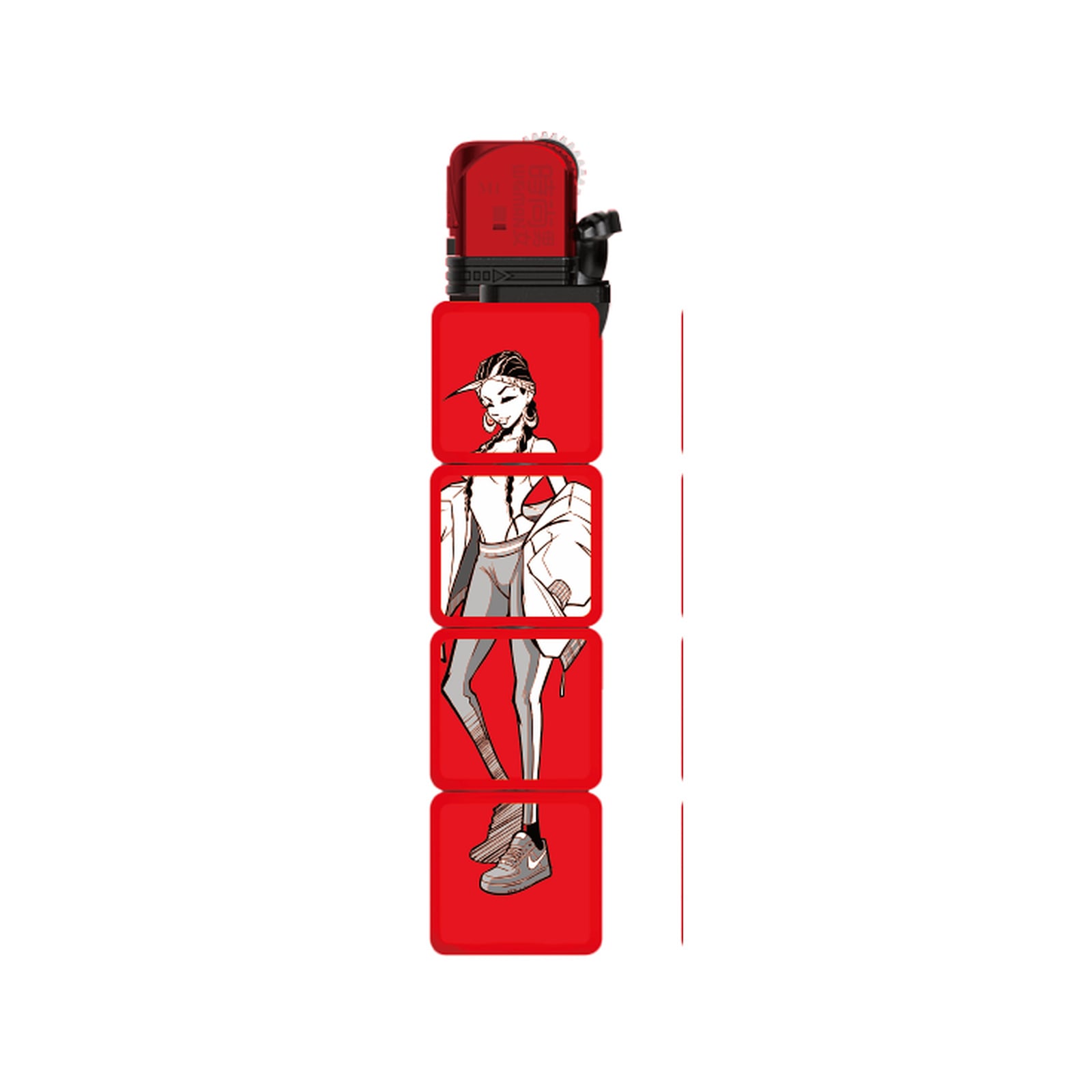
Promotional Products: Companies often use customized metal case lighters as promotional items. The ability to engrave logos or messages on the surface makes them effective marketing tools. Ensuring that the lighter's design allows for clear engraving is crucial for maintaining brand visibility.

Outdoor Equipment: In the camping and outdoor recreation sectors, metal lighters are favored for their robustness. Buyers should consider features such as windproof designs and waterproof cases to ensure reliability in adverse conditions.

Luxury Goods: In the luxury market, high-end metal lighters serve as status symbols. Materials like brushed steel or gold plating can appeal to this demographic. Here, quality and aesthetics take precedence, so buyers should prioritize suppliers with a strong reputation for craftsmanship.

Catering and Hospitality: Restaurants and hotels often use metal lighters for table service or events. These lighters should be easily operable and visually appealing to enhance the overall customer experience. Bulk purchasing options can also be beneficial in this sector.

Understanding the applications of metal case lighters helps buyers select models that best fit their industry needs.

What to Know

What to Know

Before purchasing metal case lighters, buyers should gather critical information to facilitate a smooth procurement process:

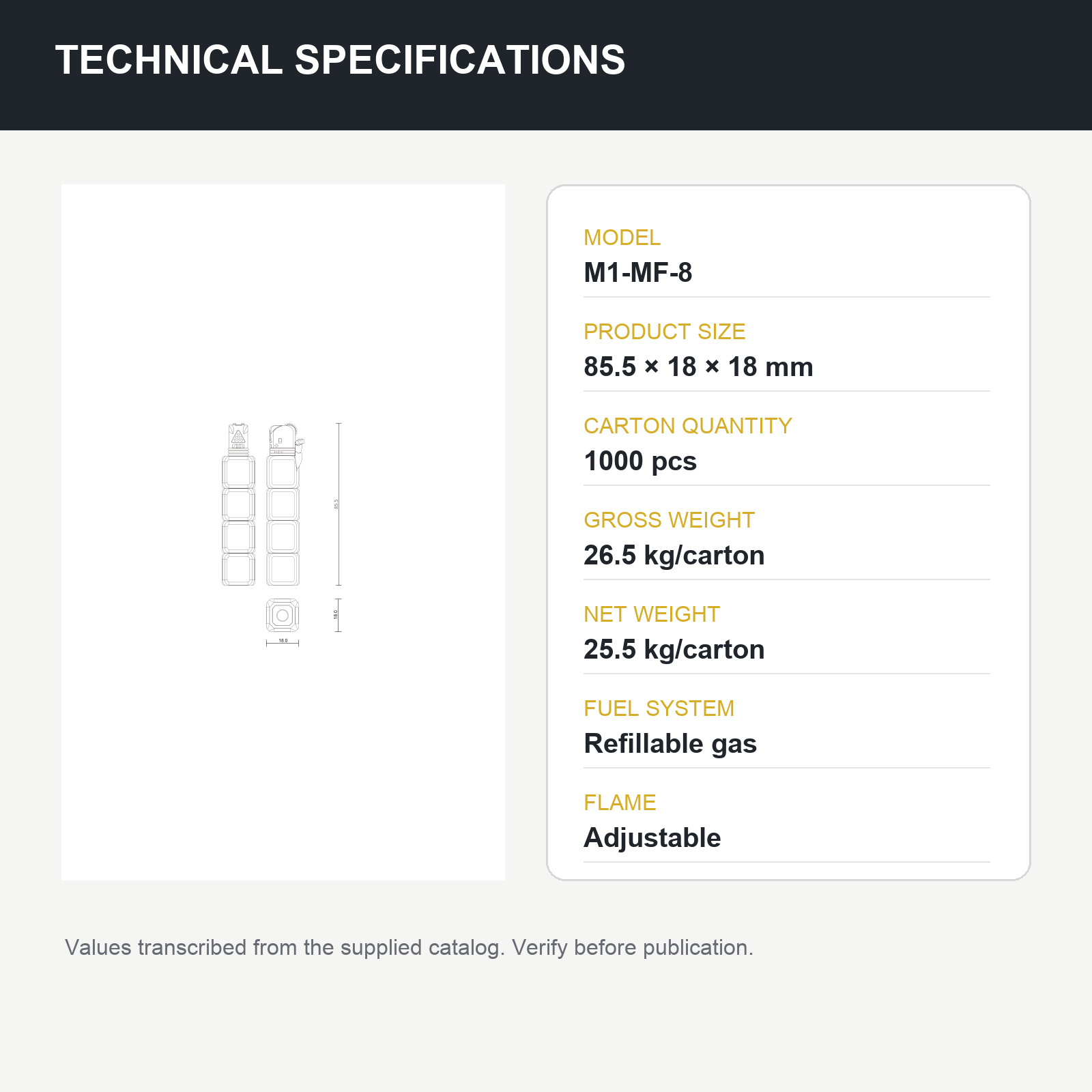
Specifications: Confirm essential specifications such as dimensions, weight, and fuel type. These details impact usability and compatibility with customer expectations.

Certifications: Check for any relevant safety or quality certifications that the product may hold. This is particularly important for lighters used in consumer-facing applications.

Production Capacity: Understand the manufacturer’s production capacity to ensure they can meet your order volume and delivery timelines. This consideration is vital for large-scale projects.

Customization Options: Discuss available customization options early in the process, including design elements and packaging preferences. Customization can be a key differentiator in competitive markets.

Sample Approval: Before finalizing large orders, request samples to evaluate the product’s quality and functionality. This step can prevent costly mistakes and ensure the product meets your requirements.

Equipping yourself with this knowledge can streamline the purchasing process and lead to better product outcomes.

Installation Guidelines for Metal Case Lighters in Projects

When integrating metal case lighters into various projects, clear installation guidelines can enhance user experience and efficiency:

User Instructions: Provide clear instructions on how to operate and refill the lighters. This is essential for ensuring safety and maximizing product lifespan.

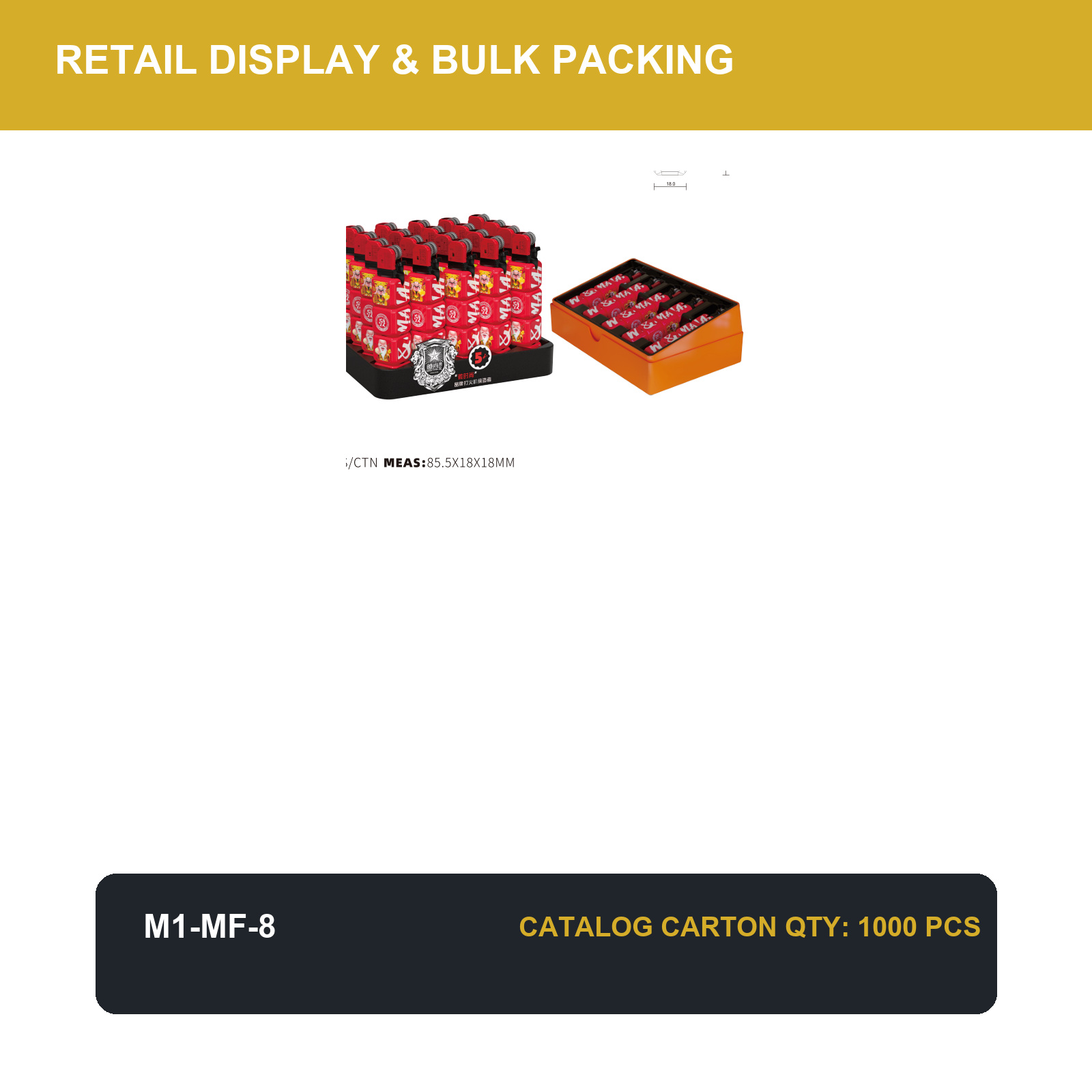
Display Considerations: If the lighters are intended for retail display, consider their placement and visibility. Effective merchandising can increase product appeal and sales.

Safety Compliance: Ensure that all installation practices comply with local regulations regarding the storage and usage of lighters. This may include specific safety signage or handling instructions.

Maintenance Tips: Educate end-users on proper maintenance, such as cleaning and storage conditions, to prolong the life of the lighters and maintain their functionality.

Feedback Mechanism: Establish a system for gathering user feedback to identify any potential issues post-installation. This can help in making necessary adjustments and improving future product iterations.

By following these guidelines, buyers can ensure that metal case lighters are effectively utilized in their respective projects, enhancing user satisfaction and overall performance.

Cost Factors to Consider When Sourcing Metal Case Lighters

When sourcing metal case lighters, understanding the cost factors is essential for budgeting and maximizing value. Key elements influencing the price include:

Material Selection: The type of metal used (such as stainless steel, aluminum, or zinc alloy) significantly affects cost. For instance, stainless steel may be more expensive due to its corrosion resistance and durability compared to aluminum.

Manufacturing Processes: The production method—whether die-casting, stamping, or machining—impacts both the price and lead time. More complex manufacturing processes often lead to higher costs but can yield more intricate designs.

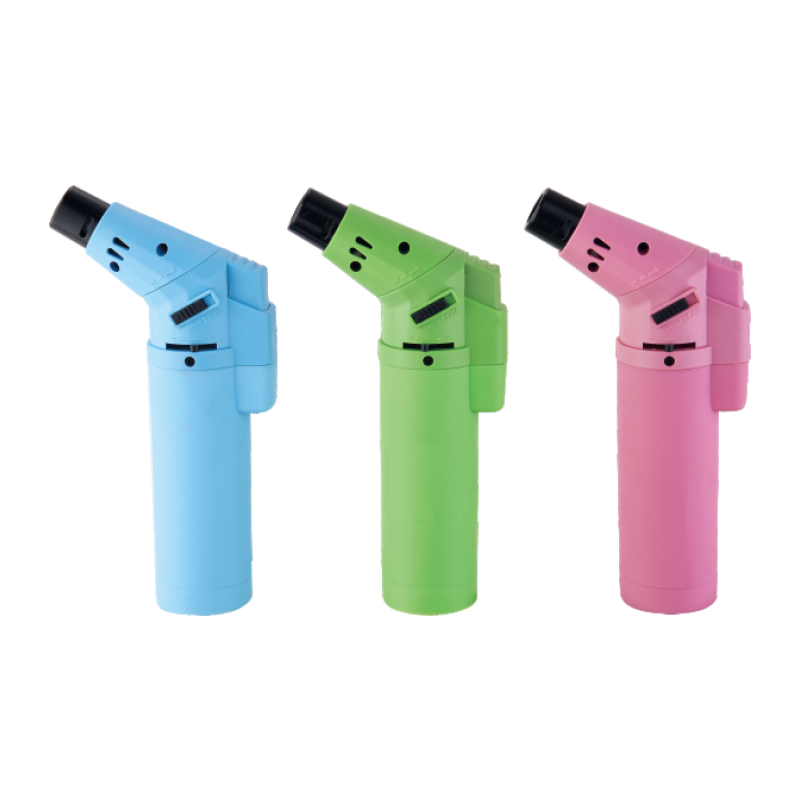
Customization: Custom features, such as engravings or unique finishes, can increase costs. Buyers should weigh the importance of customization against their budget constraints. Options like Jet Flame lighters may offer unique features that enhance functionality.

Minimum Order Quantities (MOQ): Manufacturers often have MOQs that can affect pricing. Understanding these requirements can help buyers negotiate better deals or assess their purchasing strategy.

Packaging and Shipping: Additional costs arise from packaging and logistics, especially for international shipments. Buyers should factor in these expenses when budgeting for their procurement.

By evaluating these cost factors, buyers can make more strategic purchasing decisions that align with their operational budgets.

Get a Free Quote

Our representative will contact you soon.
Email
Mobile
Name
Company Name
Message
0/1000

Related product categories