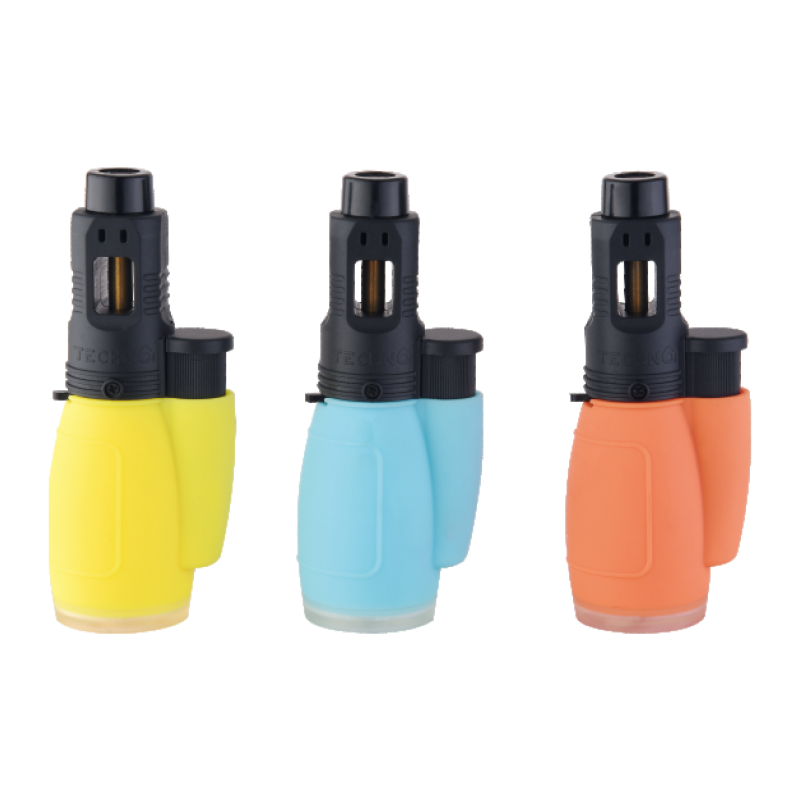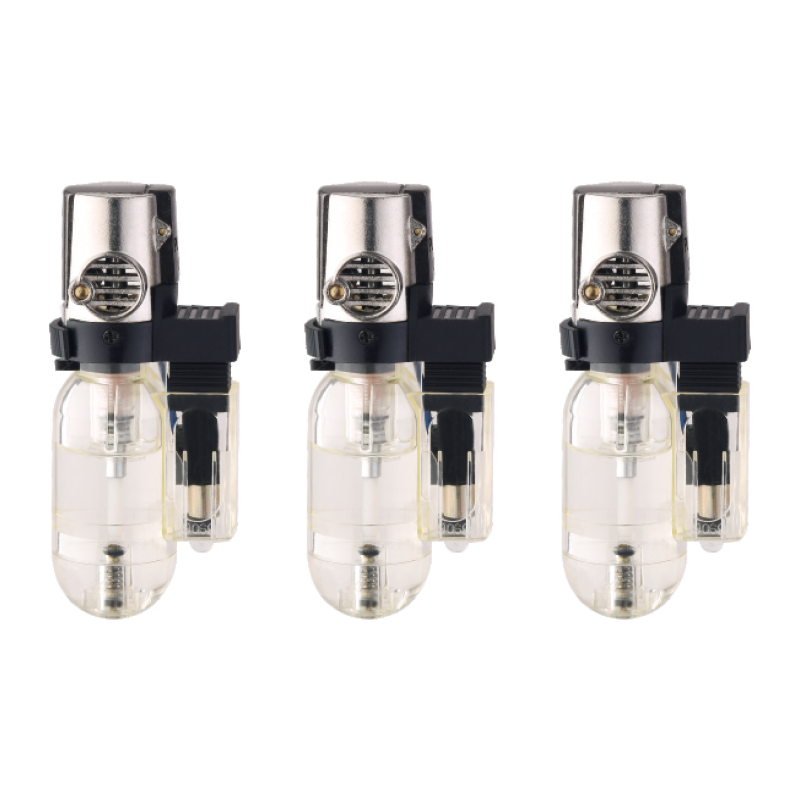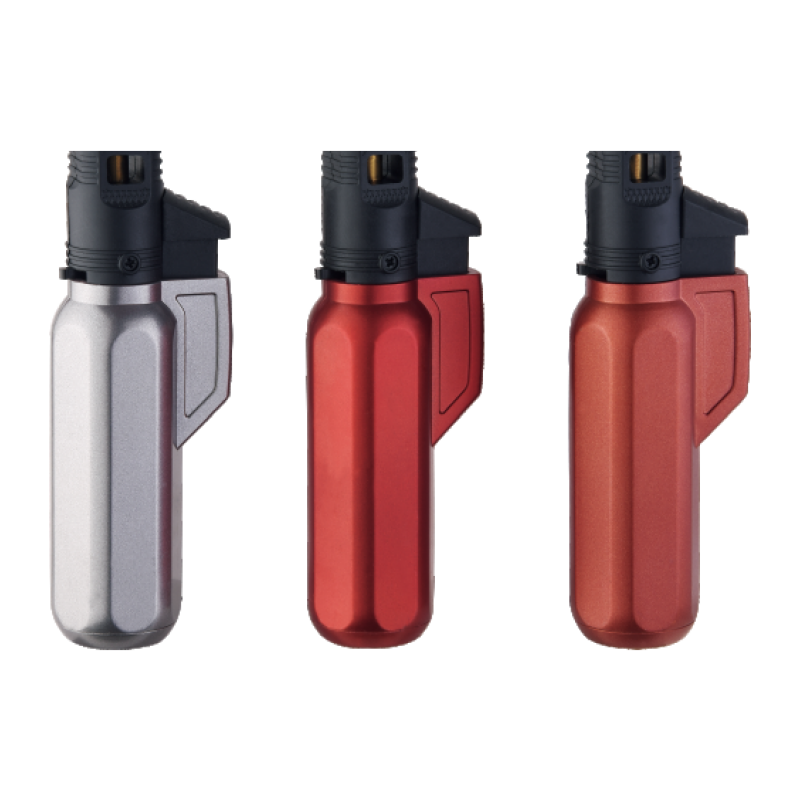
Wholesale Barbecue Lighters: Key Considerations

Contact me immediately if you encounter problems!

All Categories

lighters for barbecue

Choosing the right lighters for barbecue can significantly influence the efficiency and enjoyment of outdoor cooking. As a B2B buyer, whether you are a purchasing manager, distributor, or product manager, understanding the specifications, quality, and sourcing options for barbecue lighters is essential. This article will help you navigate the various considerations and challenges associated with selecting wholesale barbecue lighters, ensuring you make informed purchasing decisions.
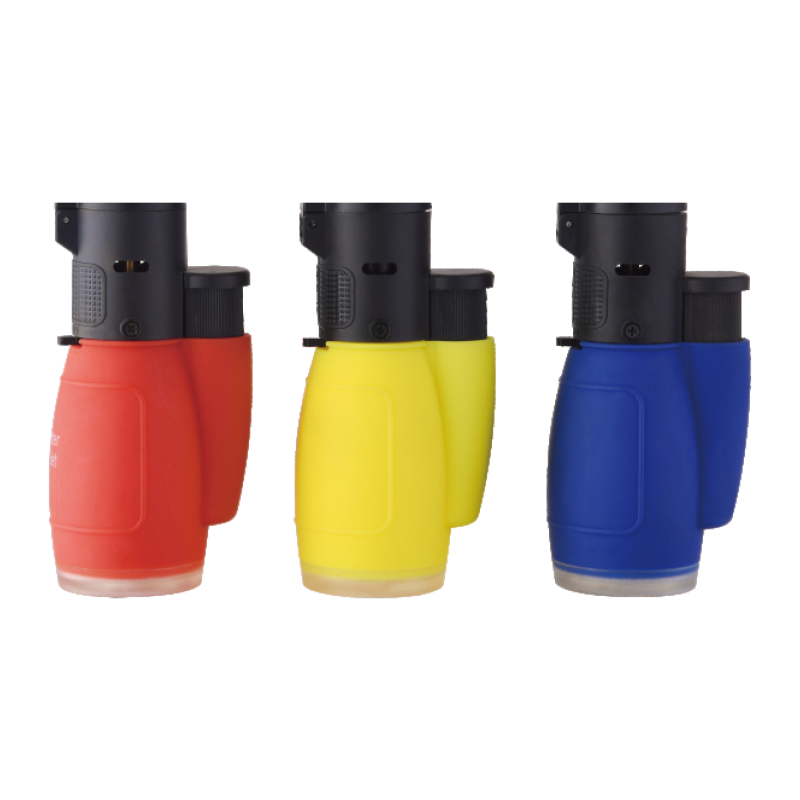
Our Products

Where to Source Reliable Suppliers for Barbecue Lighters

Finding a reliable supplier for barbecue lighters involves thorough research and evaluation. Here are some strategies:

Industry Directories and Trade Shows: Utilize industry directories that list manufacturers and suppliers. Attending trade shows related to outdoor cooking and promotional products can also help you meet suppliers face-to-face and assess their offerings.

Supplier Reviews and References: Look for reviews and testimonials from other businesses that have sourced barbecue lighters. A supplier's reputation in the market can be a strong indicator of their reliability.

Quality Assurance Processes: Inquire about the supplier's quality control processes. Reliable manufacturers often have rigorous testing procedures to ensure their products meet safety and quality standards.

Sample Orders: Before committing to a large order, request samples to evaluate the quality and performance of the lighters. This can help you identify any potential issues before mass production.

Manufacturing Capabilities: Assess the supplier's manufacturing capacity and capabilities. Ensure they can handle your order volume and timelines, as well as any customization requirements you may have.

Common Problems with Barbecue Lighters and Their Solutions

Barbecue lighters can sometimes encounter issues that affect their performance. Here are some common problems and suggested solutions:

Failure to Ignite: If a lighter fails to ignite consistently, the issue may lie with the ignition mechanism or fuel levels. Ensure that the lighters you source have a reliable ignition system and that the fuel is adequately filled before use.

Weak Flame: A weak flame can be caused by low-quality fuel or improper design. Opt for lighters that allow for adjustable flame intensity, such as the Normal Flame, which can provide flexibility depending on the grilling conditions.

Leakage: Leakage of lighter fluid can occur if the seals are not properly constructed. Verify that the supplier employs stringent quality control measures to prevent leakage during transport and storage.

Durability Issues: Frequent breakage or wear and tear can be a concern, especially in outdoor settings. Assess the materials used and request details about the durability testing conducted by the manufacturer.

Safety Hazards: Accidental ignition can pose safety risks. Look for lighters with built-in safety features and ensure they are designed to minimize user error.

Evaluating Cost Factors for Wholesale Barbecue Lighter Orders

When evaluating the cost of wholesale barbecue lighters, several factors come into play:

Material Costs: The choice of materials directly affects the production cost. High-quality plastics may be more expensive but can offer better durability and safety.

Customization Fees: If you require custom branding or packaging, be prepared for additional costs. Discuss these fees upfront to avoid surprises later in the procurement process.

Minimum Order Quantity (MOQ): Manufacturers typically set MOQs, which can influence your overall budget. Ensure that your order size aligns with these requirements to avoid excess inventory.

Shipping and Logistics: Consider the shipping costs associated with your order, especially if you're importing lighters from overseas. Evaluate different shipping options and times to find the most cost-effective solution.

Market Trends: Stay informed about market trends that could affect pricing. For example, fluctuations in raw material prices or changes in import tariffs can impact your overall costs.

Applications of Barbecue Lighters in Outdoor Cooking Projects

Barbecue lighters are versatile tools commonly used in various outdoor cooking applications. Understanding these applications can help you better market and distribute your products:

Grilling: The primary use of barbecue lighters is for lighting grills and barbecues. Their design should facilitate easy ignition of charcoal or gas grills.

Fire Pits and Campfires: These lighters are also useful for starting fire pits or campfires, making them ideal for outdoor events and gatherings.

Catering and Events: Businesses in the catering industry often require reliable tools for outdoor cooking. Offering barbecue lighters as part of your catering supplies can enhance your product lineup.

Promotional Uses: Custom-branded barbecue lighters can serve as effective promotional items for companies in the food and beverage industry, providing both utility and brand visibility.

Home Use: Many households use barbecue lighters for outdoor cooking, making them a staple item in home kitchens. Understanding consumer preferences can guide your product development and marketing strategies.

By considering these factors and insights, buyers can make informed decisions when sourcing lighters for barbecue, ensuring that their products meet both safety and performance expectations.

What to Consider When Choosing Wholesale Barbecue Lighters

When selecting wholesale barbecue lighters, several factors should be considered to ensure they meet your specific needs.

Material Composition: Barbecue lighters are typically made from various plastics, and understanding the type of plastic used can impact durability and safety. For instance, ABS plastic is known for its impact resistance, while polypropylene is lighter. Confirm the material's heat resistance, especially since lighters will be used outdoors.

Ignition Type: There are several ignition mechanisms available, including piezoelectric and electronic ignitions. Piezoelectric lighters tend to have fewer moving parts and can be more reliable, while electronic ignitions may offer a more modern feel. Evaluate which ignition type aligns with user preferences and safety standards.

Size and Design: The size and ergonomic design of the lighter can significantly affect user experience. A wider grip or a longer reach can make lighting a barbecue easier and safer. For example, a Turbo Flame design might enhance user comfort and usability.

Safety Features: Look for features such as child safety locks and flame control settings to prevent accidents. These aspects are especially important if the lighters are intended for commercial use.

Certifications and Compliance: Ensure that the lighters comply with relevant safety standards and regulations for your target market. This is crucial for gaining consumer trust and ensuring compliance in commercial settings.

Customization Options: Many manufacturers, including Ningbo Shunhong Lighter Manufacture Co., Ltd., offer customization options for branding purposes. Consider whether you need personalized packaging or custom colors.

Get a Free Quote

Our representative will contact you soon.
Email
Mobile
Name
Company Name
Message
0/1000

Related product categories