
Understanding Lighter Sleeve Metal Products

Contact me immediately if you encounter problems!

All Categories

lighter sleeve metal

Lighter sleeve metal products are essential components in the manufacturing of lighters, providing both functionality and aesthetic appeal. For B2B buyers, understanding the specifications, sourcing reliable suppliers, and evaluating cost benefits are crucial factors in making informed purchasing decisions. This article will delve into the key aspects of lighter sleeve metal products, helping purchasing managers, engineers, and product managers navigate the complexities of sourcing and selecting the right items for their needs.
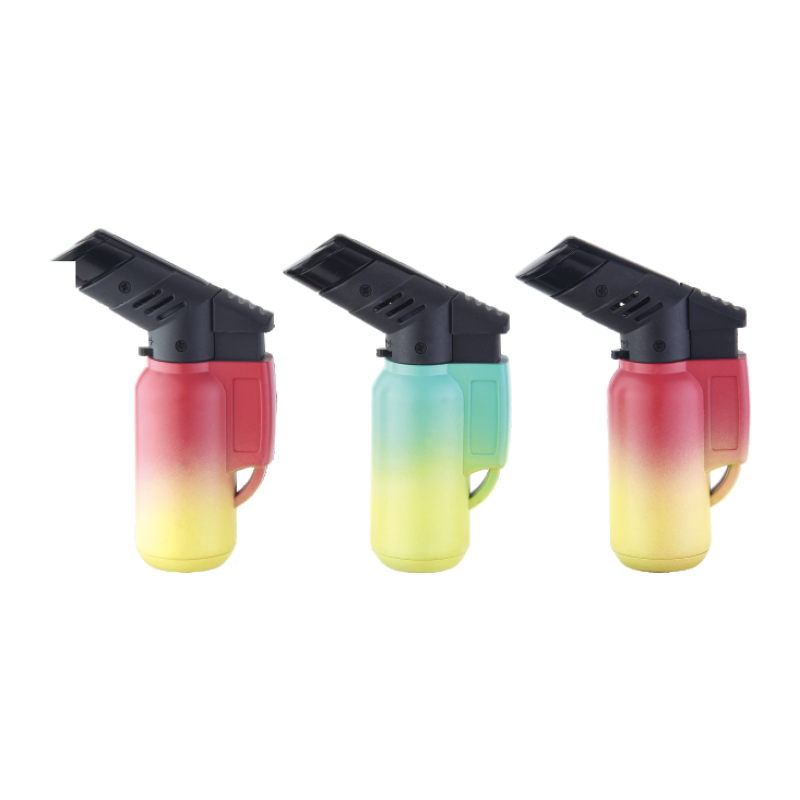
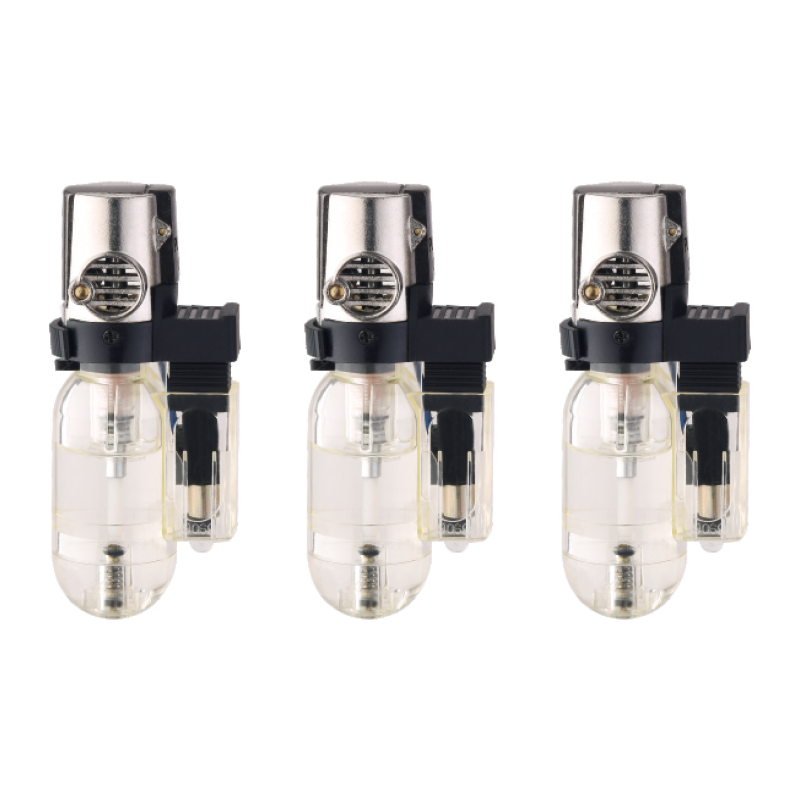
Our Products

Where to Source Reliable Lighter Sleeve Metal Suppliers

Sourcing high-quality lighter sleeve metal suppliers involves a careful assessment of potential manufacturers. Here are some key steps to ensure reliable sourcing:

Industry Experience: Look for suppliers with a proven track record in the manufacturing of lighter components. Companies like Ningbo Shunhong Lighter Manufacture Co., Ltd., founded in 1996, offer extensive experience in producing plastic electronic and promotional lighters, which may indicate a solid understanding of lighter sleeve requirements.

Certifications and Standards: Verify if the supplier has relevant certifications that demonstrate compliance with quality and safety standards. This can include ISO certifications or specific industry-related certifications that ensure product reliability.

Production Capabilities: Assess the manufacturer’s production capabilities, including the equipment and technology used. A supplier with advanced manufacturing processes can better accommodate customizations and ensure consistency in quality.

Reviews and References: Seek testimonials or case studies from other buyers. This feedback can provide insights into the supplier's reliability, quality of products, and customer service.

Sample Approval: Before placing a bulk order, request samples to evaluate the product quality. This step is essential in confirming that the specifications and quality meet your expectations.

Following these steps can help buyers find trustworthy suppliers for lighter sleeve metal products.

Cost Benefits Explained

Understanding the cost structure associated with lighter sleeve metal products is essential for making informed purchasing decisions. Here are several factors that contribute to the overall cost:

Material Costs: The choice of material significantly impacts pricing. For instance, stainless steel is generally more expensive than aluminum due to its durability and corrosion resistance. Buyers should weigh the long-term benefits of investing in higher-quality materials against initial costs.

Production Quantity: Bulk purchasing often results in lower per-unit costs. Manufacturers typically offer discounts for larger orders, making it financially advantageous for businesses that require high volumes. However, buyers must also consider their inventory management and storage capabilities.

Customization Fees: Custom designs or specific finishes may incur additional costs. Buyers should clearly define their requirements and understand any associated fees before placing orders. Discussing customization options upfront can help avoid surprises in the final pricing.

Shipping and Logistics: Don’t overlook shipping costs when calculating total expenses. Depending on the supplier’s location and the delivery destination, logistics can add significant costs to the order. It’s prudent to inquire about shipping options and potential cost-saving measures.

Quality Assurance: Investing in quality assurance processes may increase upfront costs but can prevent costly returns and customer dissatisfaction in the long run. Buyers should evaluate the balance between price and quality to ensure they are getting the best value.

By considering these cost factors, buyers can make more informed decisions that align with their budget and quality expectations.

Technical Insights on Lighter Sleeve Metal Manufacturing Processes

The manufacturing process of lighter sleeve metal products involves several key steps, each contributing to the final quality and performance of the product:

Material Preparation: The process begins with selecting the appropriate metal and cutting it into the desired shape. This may involve precision cutting techniques to ensure accurate dimensions and minimize waste.

Forming: Following material preparation, the metal is formed into the required shape through methods such as stamping or molding. Advanced machinery can produce complex designs and ensure uniformity across batches.

Finishing: After forming, the product undergoes surface treatment to enhance durability and appearance. Techniques like anodizing, electroplating, or powder coating not only improve aesthetics but also provide additional protection against environmental factors.

Quality Control: Rigorous quality control inspections are conducted at various stages of production to ensure compliance with specifications. This includes dimensional inspections, surface quality checks, and functional testing.

Packaging: Finally, the finished products are packaged appropriately to prevent damage during shipping. Proper packaging is crucial, especially for delicate designs or custom finishes.

Understanding these manufacturing processes helps buyers appreciate the complexity involved and the importance of selecting a supplier with robust capabilities and quality assurance practices.

Applications of Lighter Sleeve Metal in Various Industries

Lighter sleeve metal products find applications across multiple industries, each with specific requirements:

Consumer Goods: In the consumer market, lighter sleeve metal products are commonly used in promotional items and personal accessories. Brands often customize these lighters for marketing purposes, requiring suppliers to offer diverse design options and materials.

Industrial Applications: In industrial settings, lighters with metal sleeves are used for specific applications, such as igniting gas burners or as part of safety equipment. Here, durability and reliability are paramount, necessitating the use of high-quality materials and rigorous testing.

Outdoor and Recreational Products: The outdoor industry frequently utilizes metal sleeve lighters due to their robustness and resistance to environmental factors. These products must withstand various conditions, making material selection and quality control essential.

Gift and Novelty Items: Lighter sleeve metal products are popular in the gift market, where unique designs and finishes can attract consumers. Suppliers must be prepared to offer customization and quick turnaround times for these seasonal demands.

By understanding the applications of lighter sleeve metal products, buyers can better align their sourcing strategies with market demands and customer preferences.

This comprehensive overview of lighter sleeve metal products equips B2B buyers with the necessary insights to make informed purchasing decisions. By understanding specifications, sourcing reliable suppliers, evaluating costs, and grasping manufacturing processes, purchasing managers and product managers can confidently navigate the complexities of the industry.

Understanding Specifications for Lighter Sleeve Metal Products

When evaluating lighter sleeve metal products, several specifications must be considered. Key specifications include material type, thickness, dimensions, and surface treatment.

Material Type: Common materials for lighter sleeves include stainless steel, aluminum, and zinc alloy. Each material offers different levels of durability, corrosion resistance, and weight, impacting the overall performance and appearance of the lighter. For example, stainless steel provides excellent durability and is resistant to rust, making it suitable for outdoor use. For those interested in high-performance options, Turbo Flame lighters may utilize advanced materials.

Thickness: The thickness of the metal sleeve affects the product's strength and weight. Thicker materials may offer higher durability but can increase the weight of the lighter, which might not be desirable for all applications. Buyers should assess the intended use to determine the appropriate thickness.

Dimensions: Precise dimensions are crucial for ensuring compatibility with lighter components. Variations in size can lead to poor fit and functionality. It is advisable for buyers to provide detailed technical drawings when requesting quotes to ensure accurate production.

Surface Treatment: The finishing process, such as anodizing or powder coating, not only enhances the aesthetic appeal but also adds a layer of protection against scratches and corrosion. Buyers should consider surface treatments that align with the intended use and market preferences. For instance, a Normal Flame lighter might require specific surface treatments to meet consumer expectations.

Understanding these specifications allows buyers to evaluate which lighter sleeve metal product best meets their requirements.

Get a Free Quote

Our representative will contact you soon.
Email
Mobile
Name
Company Name
Message
0/1000

Related product categories