Choosing the Right Electric Lighter Charger

Contact me immediately if you encounter problems!

All Categories

electric lighter charger

Choosing the right electric lighter charger can be daunting for B2B buyers, especially with the variety of options available in the market. These chargers are essential for ensuring that electronic lighters function efficiently, and selecting the appropriate one can significantly impact operational efficiency and cost-effectiveness. This article will help purchasing managers, distributors, and engineers understand the key considerations when choosing an electric lighter charger, ensuring they make informed decisions that align with their needs.
Our Products

Key Specifications to Evaluate in Electric Lighter Chargers

When evaluating electric lighter chargers, focus on the following specifications:

Voltage and Current Ratings: Ensure that the charger’s voltage matches the lighter’s requirements. Mismatched voltage can lead to inefficient charging or, worse, damage to the lighter.

Charging Time: Different chargers will have varying charging speeds. If rapid charging is necessary, look for chargers that provide quick turnaround times while maintaining safety standards.

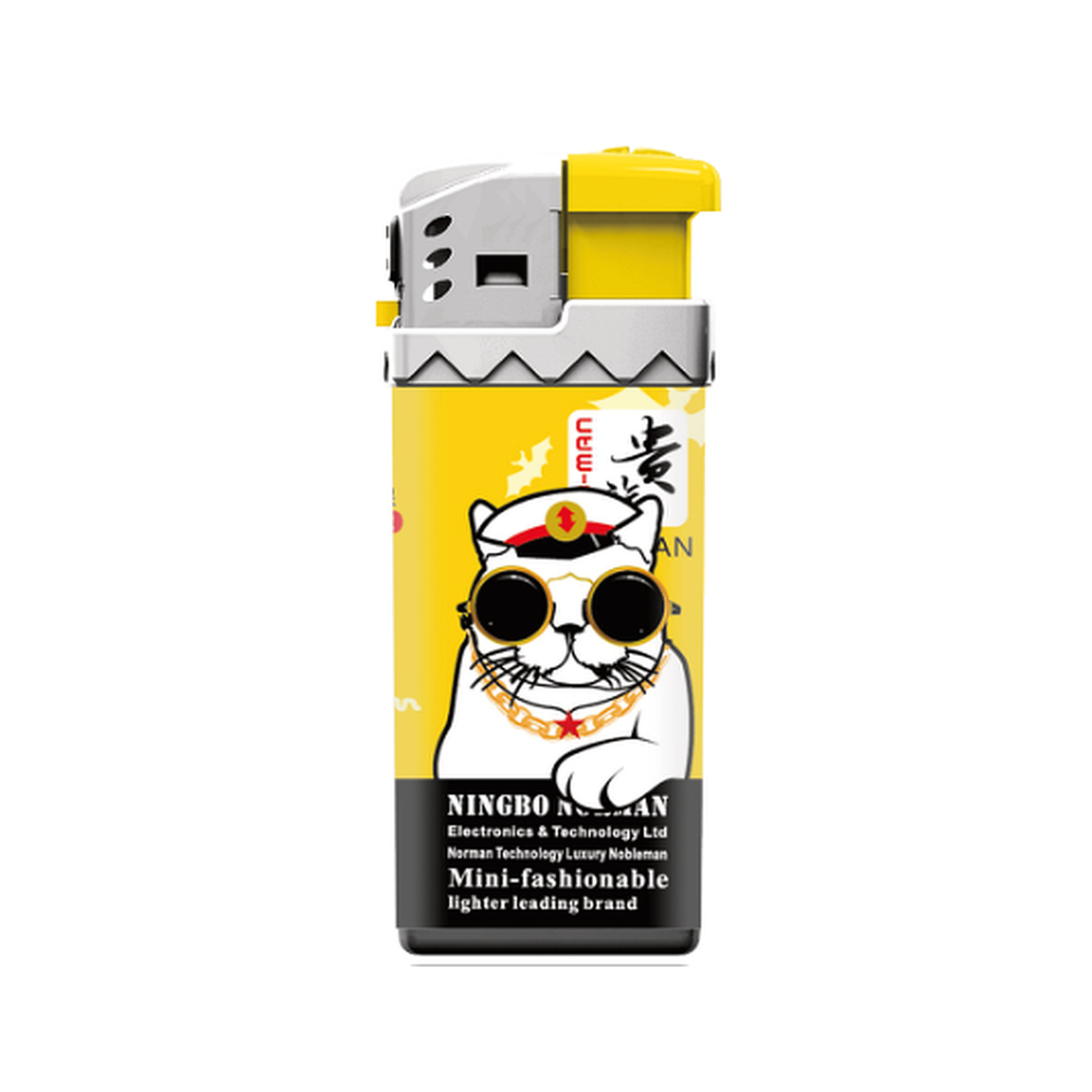
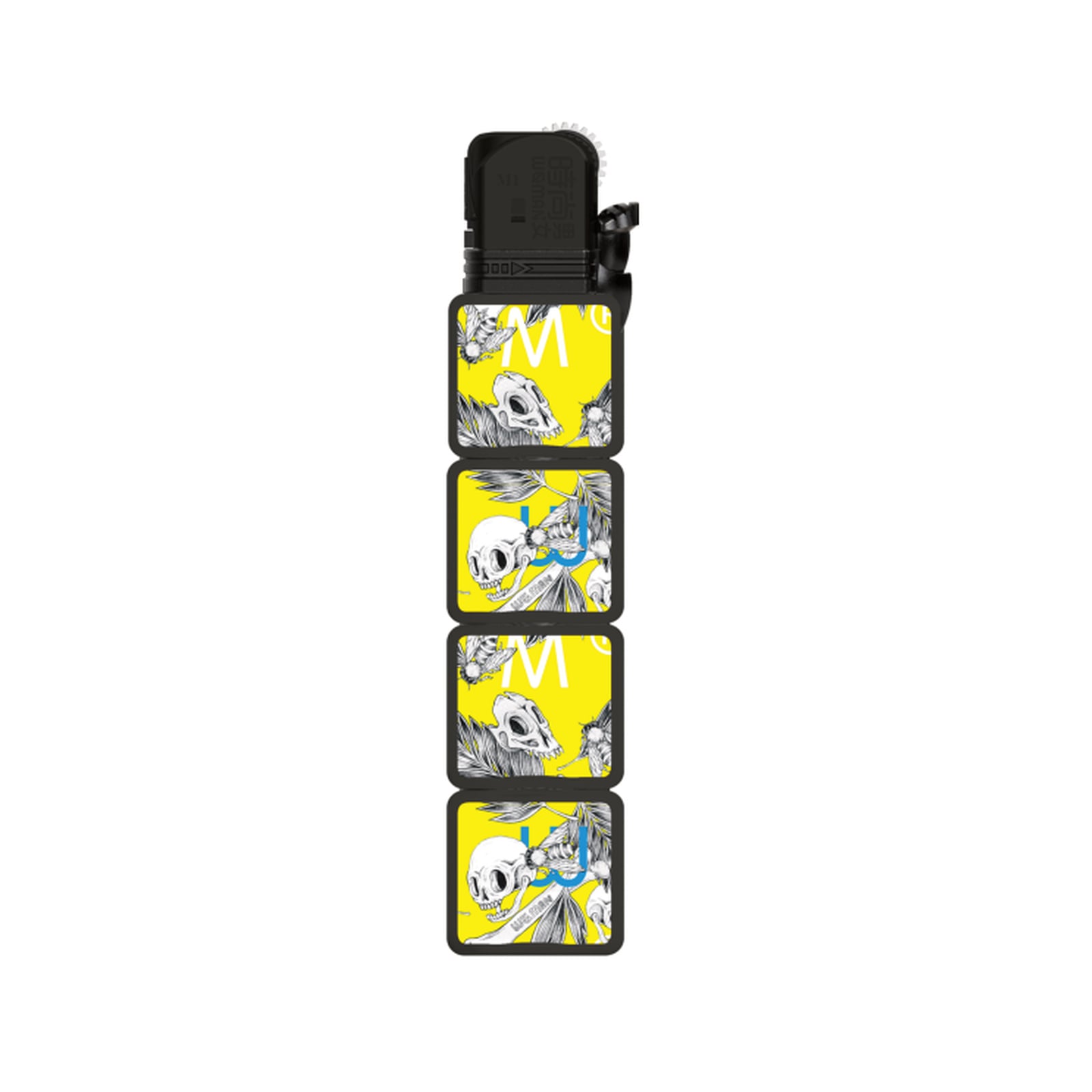
Compatibility: Confirm that the charger is compatible with the specific models of lighters you are using. Some lighters may require proprietary chargers, while others could work with universal options. For example, if you’re considering a NBM-X3S Refillable Butane Gas Lighter – Compact yellow cartoon print, verify the charger’s compatibility.

Material Quality: The construction material of the charger impacts durability. High-quality plastic or metal casings can withstand regular use and provide better longevity.

Certifications: Look for chargers that meet industry standards and certifications, which can indicate reliability and safety. This might include CE, RoHS, or other relevant certifications.

By understanding these specifications, buyers can ensure they select chargers that meet both performance and safety standards.

Comparing Costs and Quality of Electric Lighter Chargers for Bulk Orders

When considering bulk orders of electric lighter chargers, it’s vital to balance cost with quality. While lower-priced options may seem attractive, they can lead to higher total costs over time due to potential failures or inefficiencies.

Request quotes from multiple suppliers and compare not only the unit price but also the minimum order quantities (MOQs), shipping costs, and lead times. Additionally, assess the warranty and return policy offered by suppliers. A longer warranty period often indicates confidence in the product quality, which can justify a higher upfront cost.

Don’t forget to consider the total cost of ownership, which includes maintenance and the potential for replacements. High-quality chargers may require less frequent replacements, ultimately saving money and minimizing downtime.

Common Problems with Electric Lighter Chargers and Their Solutions

Several common issues can arise with electric lighter chargers, and being aware of these can enhance operational efficiency:

Overheating: If a charger overheats during use, it’s essential to check if it’s designed for the voltage and current being supplied. Ensure proper ventilation and avoid using the charger in enclosed spaces.

Incompatibility: Chargers that do not match the specifications of the lighter can result in slow charging or complete failure. Always confirm compatibility before purchasing.

Physical Damage: Regular wear and tear can lead to physical damage to the charger. Invest in protective cases or ensure that your charging stations are in areas where they won’t be subjected to physical stress.

Connection Issues: Loose connections can disrupt charging. Regularly inspect connectors for debris or corrosion and ensure they are securely attached during use.

By understanding these problems and their solutions, buyers can proactively address potential issues before they impact productivity.

Understanding Material Advantages for Durable Electric Lighter Chargers

The materials used in electric lighter chargers play a significant role in their durability and performance. High-quality materials, such as reinforced plastics or aluminum, can withstand the rigors of daily use while also providing a level of resistance to heat and chemicals.

Plastic Casings: Lightweight and cost-effective, high-grade plastics can provide excellent insulation and are often used in consumer electronics. However, ensure that the plastic is robust enough to resist cracking under stress.

Metal Components: Chargers with metal parts may offer enhanced durability and heat dissipation. Look for chargers with aluminum or other metals to withstand more demanding environments.

Sealing and Protection: Some chargers come with additional sealing to protect internal components from moisture and dust. This is particularly important in industrial settings where exposure to these elements may be common.

Understanding these material advantages helps buyers choose chargers that will perform reliably over time, reducing the need for frequent replacements and ensuring consistent performance.

By considering these factors and specifications, B2B buyers can make informed decisions when selecting electric lighter chargers that align with their operational needs and quality standards. For instance, exploring options like the SH-3042 BOSSJAZZ Printed Flat Jet Torch Lighter with Ocean Artwork can be beneficial for those seeking durable and stylish choices.

How to Choose the Right Electric Lighter Charger for Your Needs

When selecting an electric lighter charger, it’s crucial to understand the specific requirements of your application. First, consider the type of electronic lighter you are using. Different lighters may have varying voltage and charging specifications, which means the charger must be compatible with these parameters. For instance, if you are using a Q6T Refillable Butane Gas Lighter – Slim printed fashion body, ensure that your charger supports its specifications.

Next, evaluate the frequency of use. For high-volume environments, such as manufacturing or retail, investing in robust chargers that can handle continuous use without overheating is essential. Also, consider the charging speed; some chargers may offer rapid charging capabilities, which can be beneficial if quick turnaround times are critical for your operations.

Lastly, assess the charger’s safety features. Look for chargers with built-in protections against overcharging and short-circuiting. This not only extends the life of the lighter but also ensures compliance with safety regulations, which is vital in commercial settings.

Get a Free Quote

Our representative will contact you soon.
Email
Mobile
Name
Company Name
Message
0/1000

Related product categories