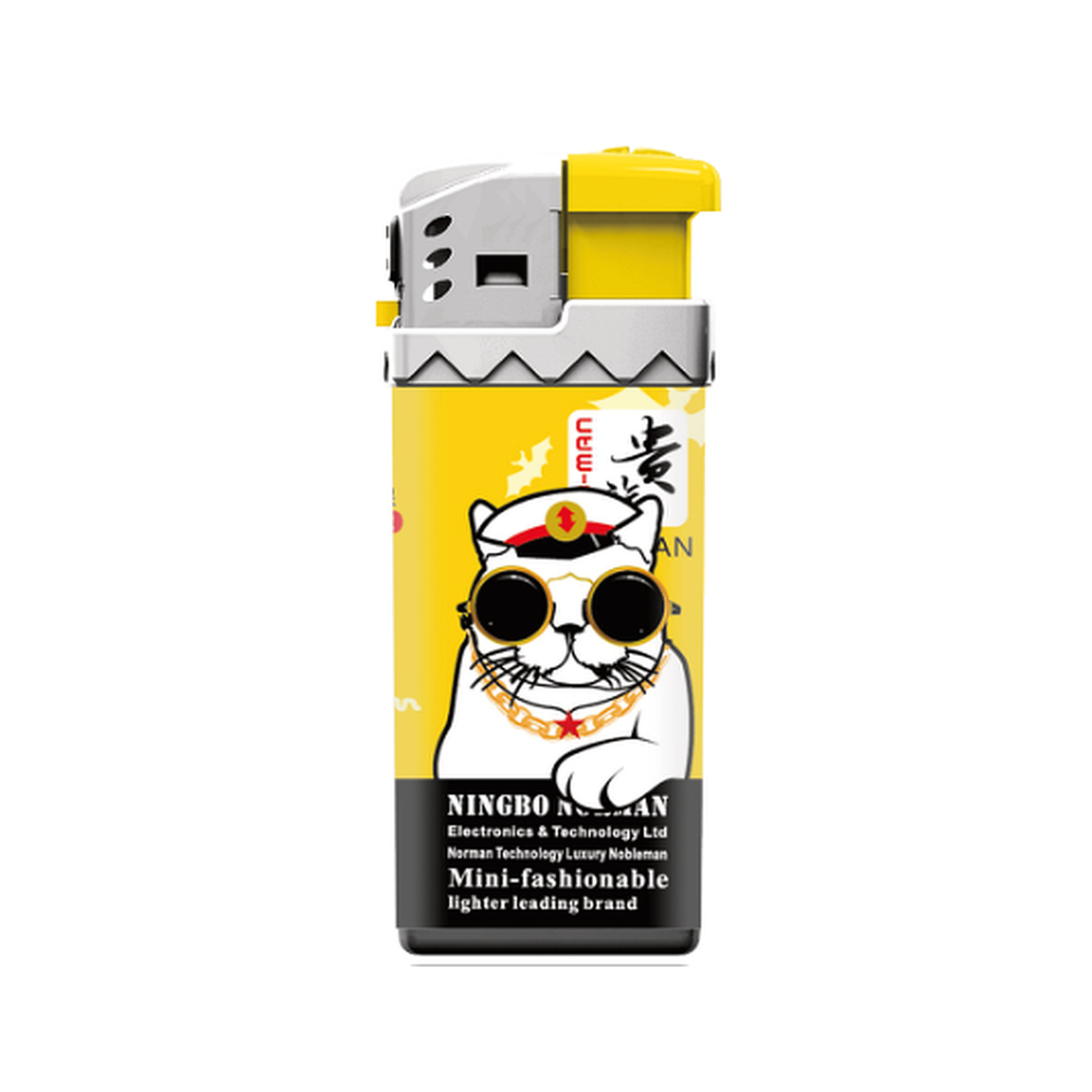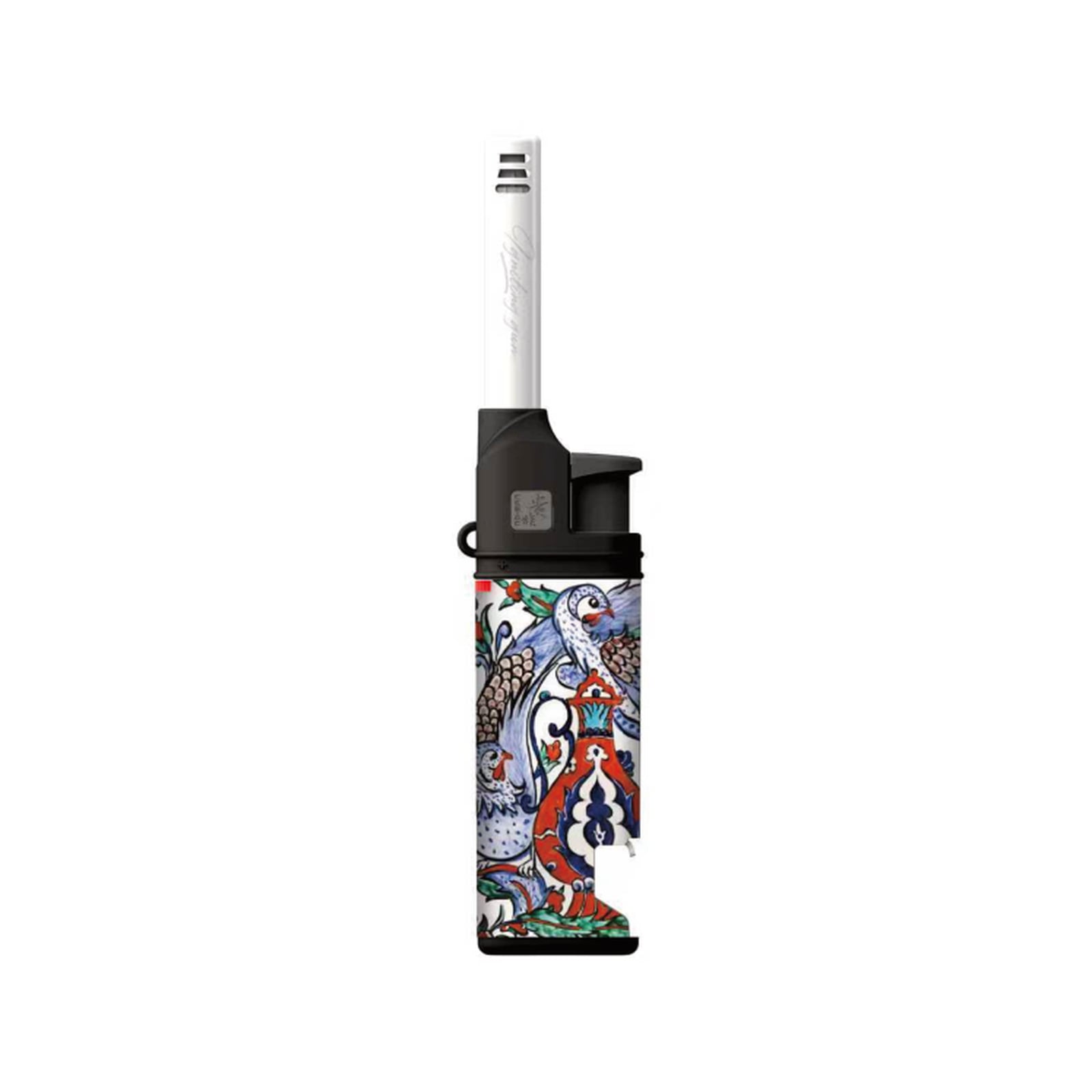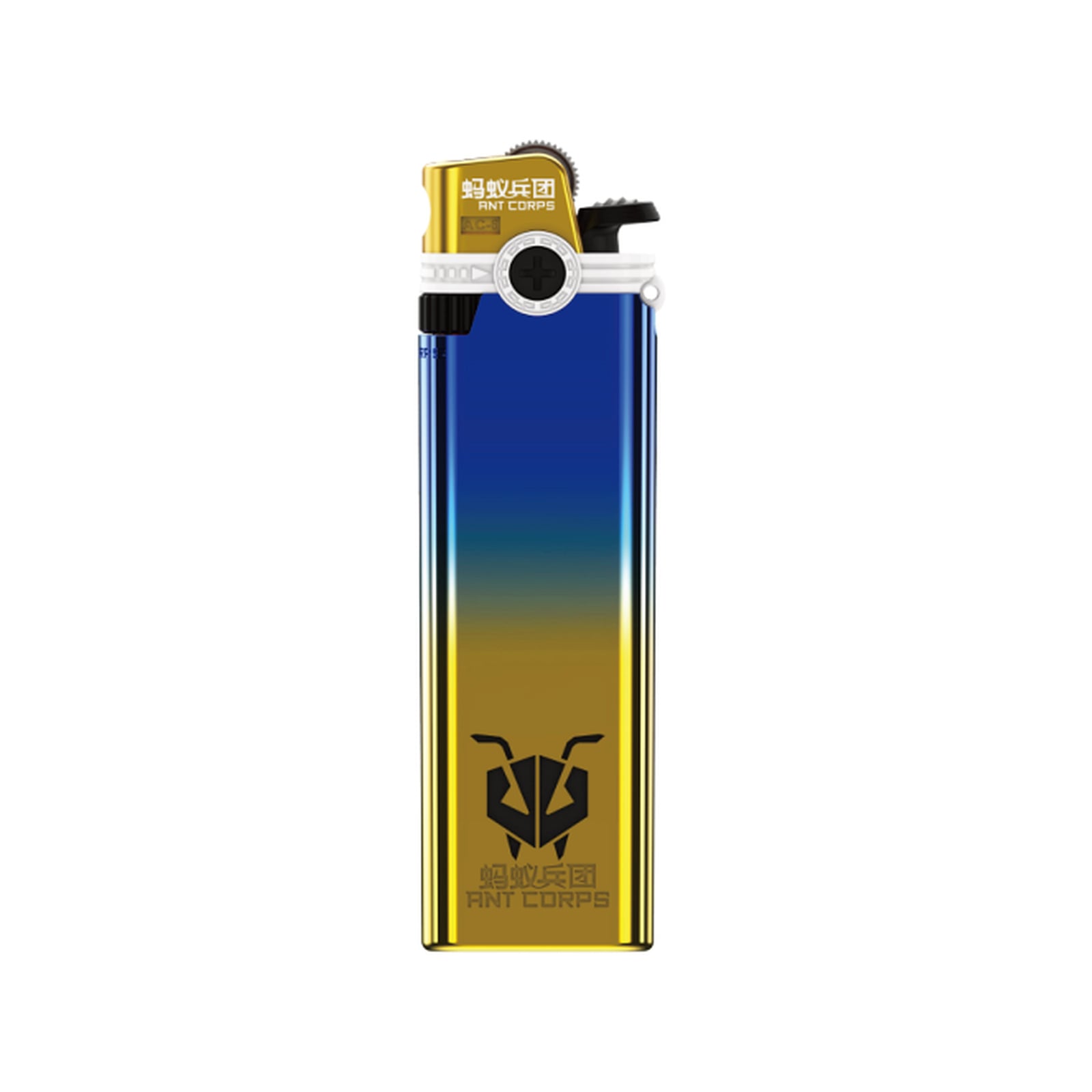
Key Considerations for Electric Ignition Lighters

Contact me immediately if you encounter problems!

All Categories

electric ignition lighter

Electric ignition lighters are essential tools in various industries, providing a reliable means for igniting flames in numerous applications. As a B2B buyer, understanding the specifications, quality control processes, and potential challenges associated with these lighters is crucial. This article will guide purchasing managers, engineers, and distributors through the key considerations for sourcing electric ignition lighters, helping you make informed decisions and streamline your procurement process.
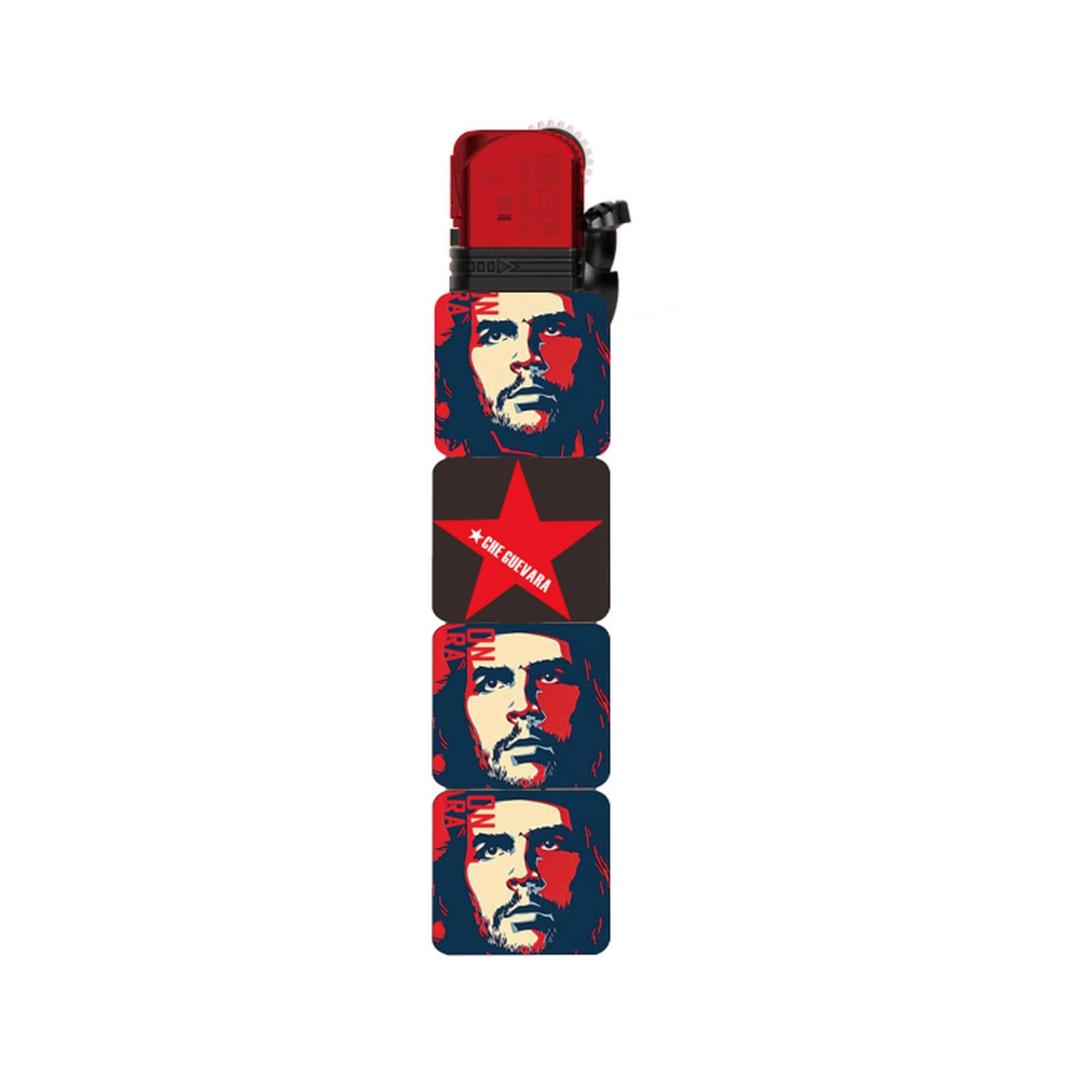
Our Products

Evaluating Quality Control Processes in Electric Ignition Lighters

Quality control is a critical aspect of manufacturing electric ignition lighters. When evaluating potential suppliers, consider the following quality control processes:

Material Inspection: Ensure that the supplier conducts rigorous inspections of raw materials before production. This step is vital for identifying any defects that could compromise the final product's performance.

In-Process Testing: A reputable manufacturer will implement in-process testing at various stages of production. This may include testing the ignition system, battery performance, and overall assembly quality to catch any issues early.

Final Product Testing: Confirm that the supplier performs thorough testing on finished products, including ignition reliability, battery life, and safety features. Testing should simulate real-world usage to ensure the lighters perform as expected.

Traceability: A strong quality control system includes traceability measures that allow tracking of materials and components back to their source. This transparency can be crucial in identifying the cause of defects if they arise later.

Quality Certifications: Look for suppliers who have quality management systems certified by recognized bodies. This demonstrates a commitment to maintaining high manufacturing standards and continuous improvement.

Common Installation Challenges with Electric Ignition Lighters

While electric ignition lighters are designed for ease of use, installation can present challenges. Here are common issues to be aware of:

Compatibility: Ensure that the electric ignition lighter is compatible with the intended application. Mismatched specifications can lead to operational failures or inefficiencies.

Wiring and Connections: Improper wiring can hinder the ignition process. Buyers should review installation instructions carefully and consider hiring qualified personnel for complex setups to avoid errors.

Environmental Factors: Installation environments can vary widely, from outdoor locations to controlled indoor settings. Factors such as humidity, temperature fluctuations, and exposure to chemicals can affect performance. It’s essential to choose lighters that are specifically designed for the intended conditions, such as those with a Turbo Flame feature for outdoor use.

User Training: In some cases, users may require training to operate the lighters effectively. Providing adequate training can minimize misuse and prolong the product's lifespan.

Where to Find Reliable Suppliers of Electric Ignition Lighters

Finding a dependable supplier for electric ignition lighters involves research and evaluation. Here are effective strategies to identify potential manufacturers:

Industry Directories: Utilize online B2B directories and industry-specific platforms to find manufacturers specializing in electric ignition lighters. Look for companies with a solid reputation and positive reviews.

Trade Shows and Expos: Attending industry trade shows offers opportunities to meet suppliers in person, inspect products, and discuss specifications and custom requirements directly.

Referrals and Networking: Leverage your professional network to obtain referrals. Colleagues and industry contacts can provide insights into reliable suppliers based on their experiences.

Online Research: Conduct thorough research on potential suppliers' backgrounds, including their manufacturing capabilities, certifications, and customer feedback. This step will help to gauge their reliability and product quality.

Request Samples: Before committing to a large order, request samples to evaluate the product quality firsthand. This will allow you to test the lighter's performance and suitability for your specific applications.

Applications of Electric Ignition Lighters in Various Industries

Electric ignition lighters find applications across numerous industries, each benefiting from their unique features. Some key sectors include:

Culinary: In the food industry, electric ignition lighters are essential for chefs and restaurants for lighting gas burners, ovens, and grills. Their safety features and reliability make them a preferred choice.

Manufacturing: In manufacturing settings, these lighters are often used for tasks that require precise ignition, such as welding or metal working. Their ability to produce a consistent flame, like the Normal Flame, is crucial for safety and efficiency.

Construction: Electric ignition lighters are used in construction for tasks such as lighting torches or other heating equipment. Their portability and ease of use are significant advantages on job sites.

Outdoor Recreation: In the outdoor industry, these lighters are popular for camping and survival kits, enabling users to easily start fires for cooking or warmth.

Laboratories: In scientific and research environments, electric ignition lighters are employed for various experimental procedures that require a controlled flame.

By understanding the applications of electric ignition lighters, buyers can better assess their needs and select the right product for their specific industry requirements.

Key Specifications to Consider When Sourcing Electric Ignition Lighters

When sourcing electric ignition lighters, several specifications are pivotal to ensure the product meets your operational needs. Key specifications include:

Material Quality: Electric ignition lighters are typically constructed from high-grade plastics and metals. Verify that the materials used can withstand the intended operating environment, including heat resistance and durability.

Ignition System: Different models may utilize various ignition systems, such as piezoelectric or electronic ignition. Understanding the ignition mechanism is vital, as it affects both reliability and ease of use.

Battery Life and Power Source: The type of power source can significantly impact performance and maintenance. Consider whether the lighter is rechargeable or disposable and how long the battery lasts under normal usage conditions.

Size and Weight: Depending on the application, the size and weight of the lighter may influence user comfort and efficiency. Ensure that these dimensions align with your operational requirements.

Safety Features: Important safety specifications include child resistance, flame regulation, and overheating protection. Confirm that these features are in place to comply with safety regulations and protect users.

Certifications: Look for compliance with international safety and quality standards, such as ISO certifications, which demonstrate that the manufacturer adheres to recognized quality systems.

Get a Free Quote

Our representative will contact you soon.
Email
Mobile
Name
Company Name
Message
0/1000

Related product categories