 EN

Electric current lighters have gained popularity in various industrial and commercial applications due to their innovative technology and reliable performance. These devices use electric currents to ignite, making them a safer and more efficient alternative to traditional lighters. For B2B buyers, key concerns typically revolve around product specifications, quality, and compatibility with specific applications. This article aims to provide a comprehensive understanding of electric current lighters, helping procurement managers, purchasing agents, and engineers make informed decisions when sourcing these products.
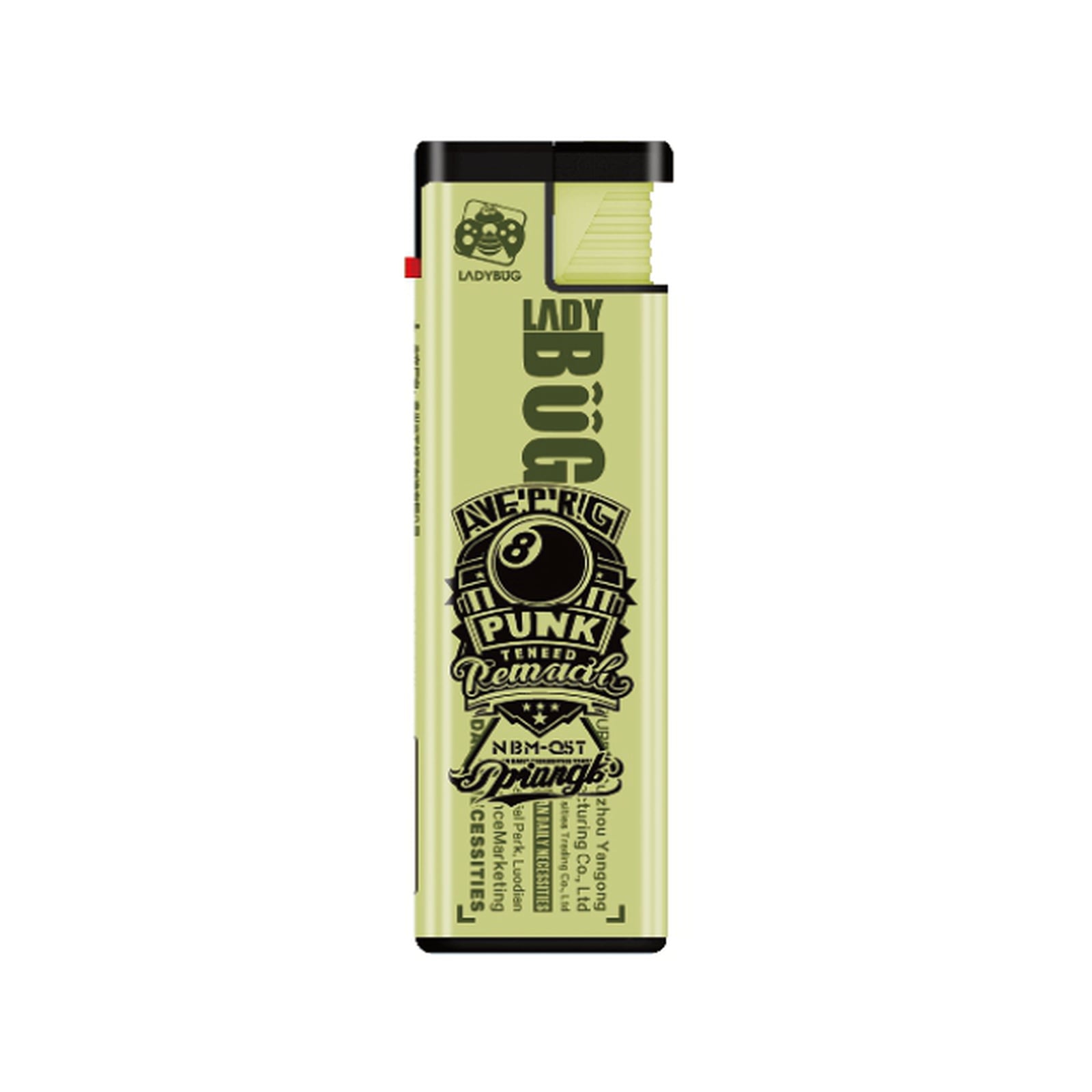
Specifications to Consider When Sourcing Electric Current Lighters
Understanding the technical specifications of electric current lighters is crucial for making an informed purchasing decision. Key specifications include:
Material Composition: The outer casing is typically made of durable plastic that can withstand daily wear and tear. Evaluate the materials used for insulation and internal components to ensure safety and longevity.
Battery Type and Life: Most electric lighters operate on rechargeable batteries. Consider the battery life and charging time, especially for high-frequency usage. Lithium-ion batteries are common for their longevity and efficiency.
Ignition Mechanism: Different models may have varying ignition mechanisms, such as push-button or sensor activation. Assess which mechanism aligns best with your operational needs.
Safety Features: Look for models with built-in safety features such as child locks or automatic shut-off functions to prevent accidental ignitions.
Prioritize specifications based on your specific application requirements, as these will directly impact the lighter's performance and reliability. For instance, you might also explore options like the SH-3042 BOSSJAZZ Printed Flat Jet Torch Lighter with Ocean Artwork for enhanced safety features.