Wholesale Vintage Electric Lighters for B2B Buyers

Contact me immediately if you encounter problems!

All Categories

vintage electric lighters

Vintage electric lighters are not only a practical tool but also a collector's item that reflects style and nostalgia. For B2B buyers, especially those in retail or promotional industries, understanding the nuances of sourcing vintage electric lighters can significantly impact purchasing decisions. This article will address critical considerations such as supplier reliability, product quality, comparison techniques, installation guidance, and troubleshooting common issues, helping you make informed choices for your business needs.
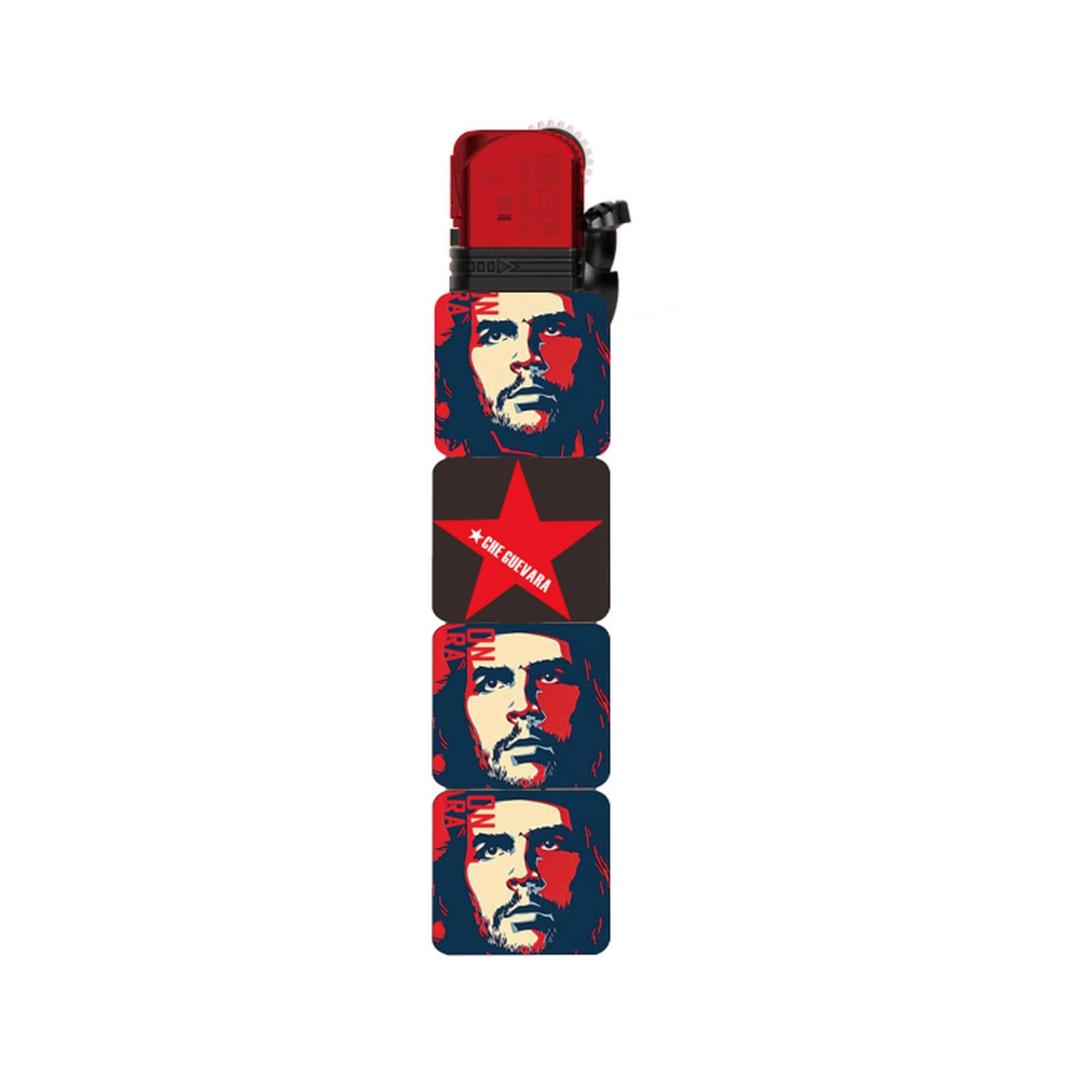
Our Products

Evaluating the Quality of Vintage Electric Lighters for Bulk Orders

Quality is a primary concern when ordering vintage electric lighters in bulk. Start by examining the materials used in the lighters. High-quality lighters typically employ durable plastics and reliable electronic components, which ensure longevity and consistent performance. Assess the lighter's design for any potential flaws that could affect usage, such as the ease of ignition and fuel efficiency.

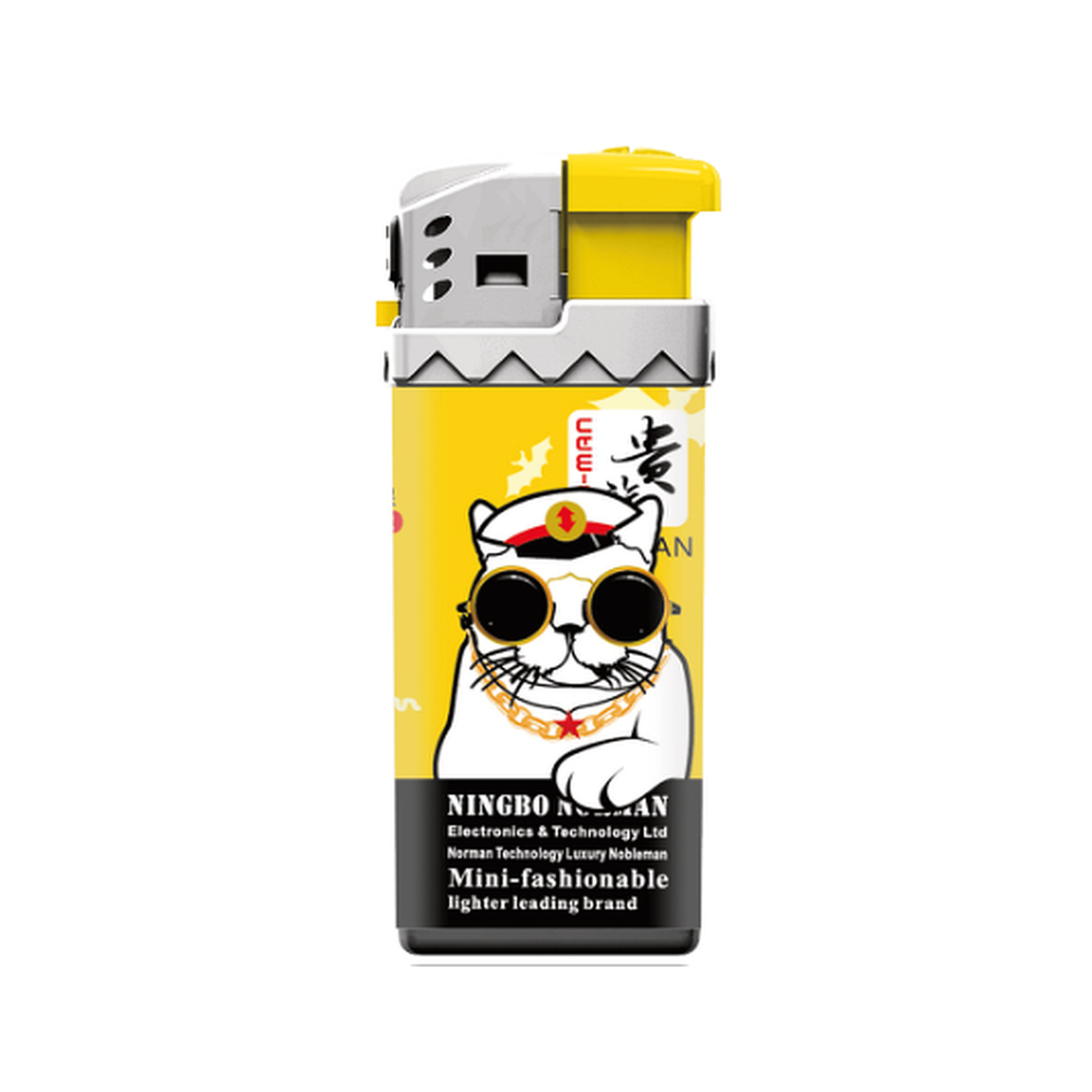
It's essential to request samples before placing a bulk order. Evaluating a sample allows you to check the lighter's functionality, ergonomics, and aesthetic appeal firsthand. Look for features such as adjustable flame size and safety mechanisms, as these can directly impact user satisfaction. Additionally, lighters like the SH-3042 BOSSJAZZ Printed Flat Jet Torch Lighter with Ocean Artwork exemplify the kind of quality you should be looking for.

Additionally, inquire about the manufacturing process. Understanding how the lighters are produced can provide insights into their reliability. Ask about quality checks conducted during production, as thorough quality control can prevent defects that might arise during mass production.

How to Compare Vintage Electric Lighters for Your Projects

When comparing vintage electric lighters for your projects, consider key specifications. Start with dimensions and weight, as these factors can influence the product's usability and appeal. For example, compact lighters are often more appealing for promotional products.

Next, evaluate the ignition mechanism. Electric lighters can vary in technology, so understanding their operation—whether they use piezoelectric ignition or other methods—will help you assess their reliability and safety features.

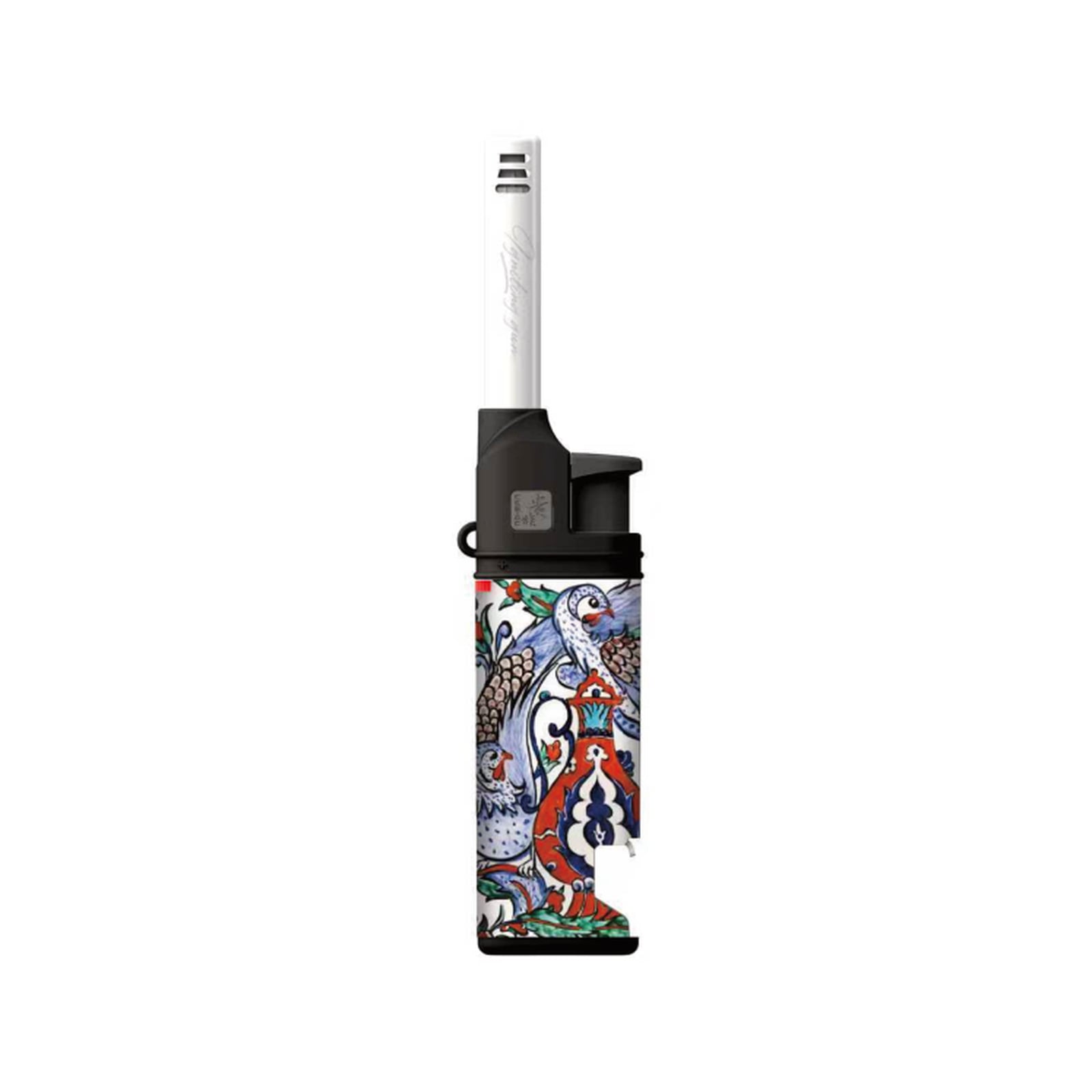
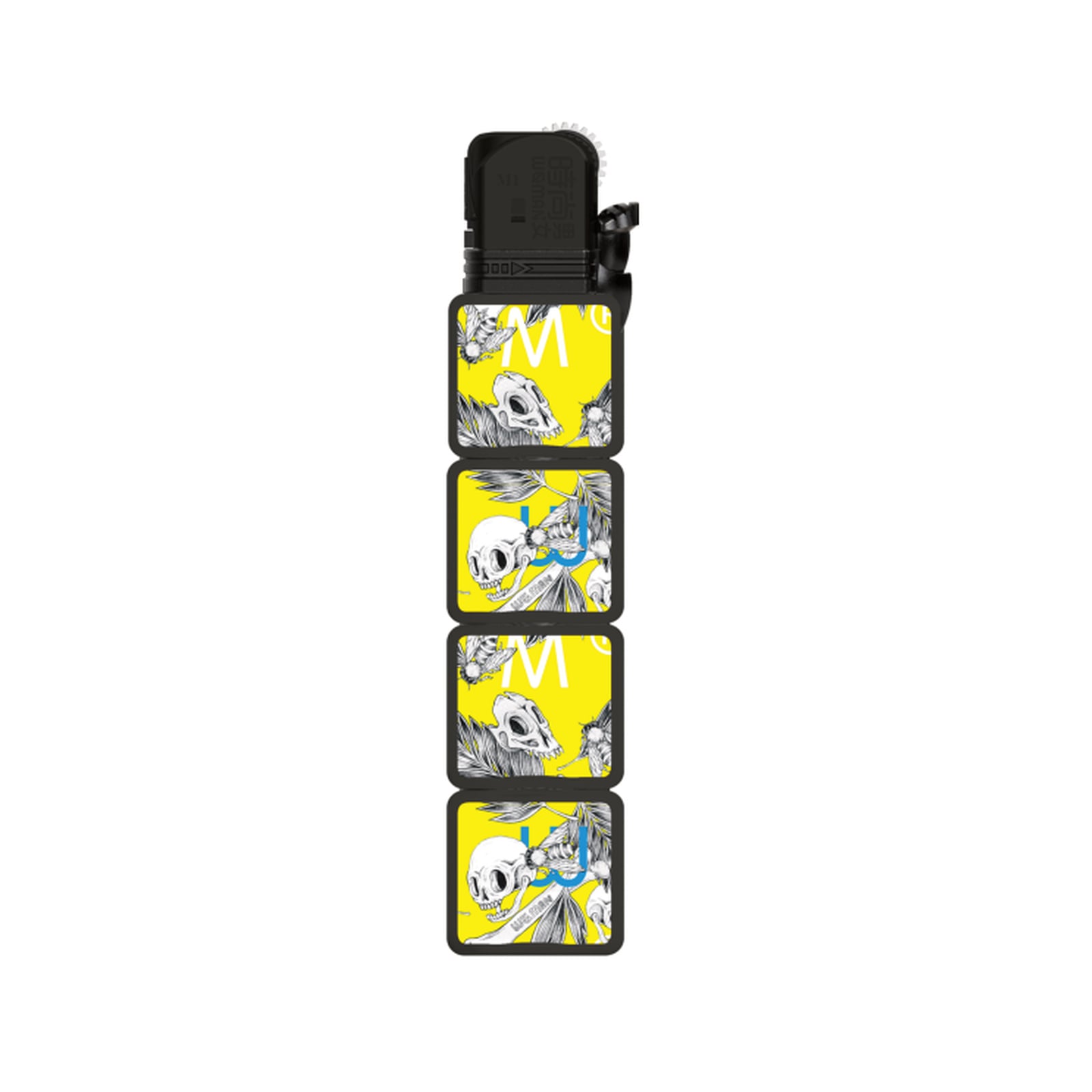
Don't overlook aesthetic elements such as color, design, and branding options. A lighter with customizable branding can serve as an effective promotional tool. Ensure you compare the minimum order quantities (MOQ) and lead times, as these factors will affect your project timelines and budget. For instance, the M1-MF-2 Refillable Butane Gas Lighter – Skull-print modular graphic offers a unique design that could enhance your branding efforts.

Lastly, consider the overall cost. While price is a significant factor, remember to weigh it against quality and functionality. A lower initial price may lead to higher long-term costs due to returns or customer dissatisfaction.

Installation Guidance for Vintage Electric Lighters in Various Settings

Installing vintage electric lighters can vary depending on their intended use, whether for retail display, promotional events, or personal use. For retail settings, it's crucial to ensure that the lighters are displayed securely and attractively. Use display cases that protect the lighters while allowing customers to see their design and features.

For promotional events, consider how the lighters will be distributed. If they are given away as gifts, ensure they are packaged securely to avoid damage. Additionally, if the lighters are to be used in demonstrations, familiarize yourself with their operation beforehand to ensure a smooth presentation.

If you’re integrating the lighters into a product line, confirm compatibility with other items. For example, if the lighters are part of a gift set that includes other products, ensure they fit seamlessly in terms of design and functionality.

Common Problems with Vintage Electric Lighters and Their Solutions

Despite their charm, vintage electric lighters can encounter several common issues. One frequent problem is ignition failure, which may stem from low battery power or faulty components. Buyers should ensure that the lighters are tested thoroughly before mass production, as this can help identify any potential issues early in the supply chain.

Another issue is fuel leakage, which can be dangerous. Ensure that you understand the lighter's construction and the materials used, as these can affect sealing integrity. High-quality manufacturing processes should minimize such risks.

Lastly, aesthetic wear and tear can affect the lighters' appeal over time. Buyers should consider protective packaging options during shipping and handling to maintain the product's appearance. If you notice consistent issues with certain lighters, communicate with your supplier to address the problem and explore possible solutions, such as redesigning the product or enhancing quality checks.

In summary, sourcing vintage electric lighters requires careful evaluation of suppliers, quality standards, and installation processes. By understanding these aspects, B2B buyers can ensure they select the right products for their needs, resulting in satisfied customers and successful projects.

Choosing Reliable Suppliers for Vintage Electric Lighters Wholesale

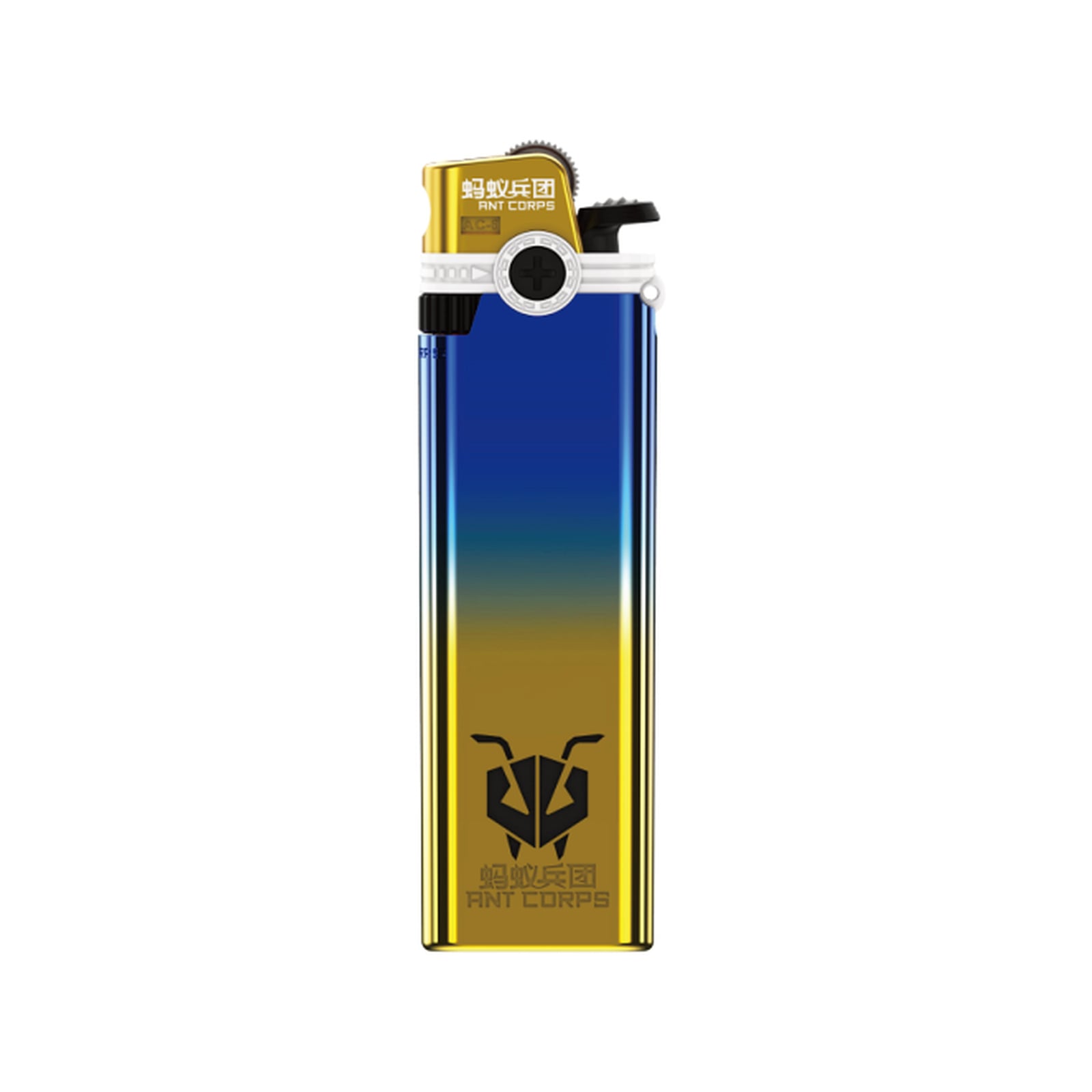
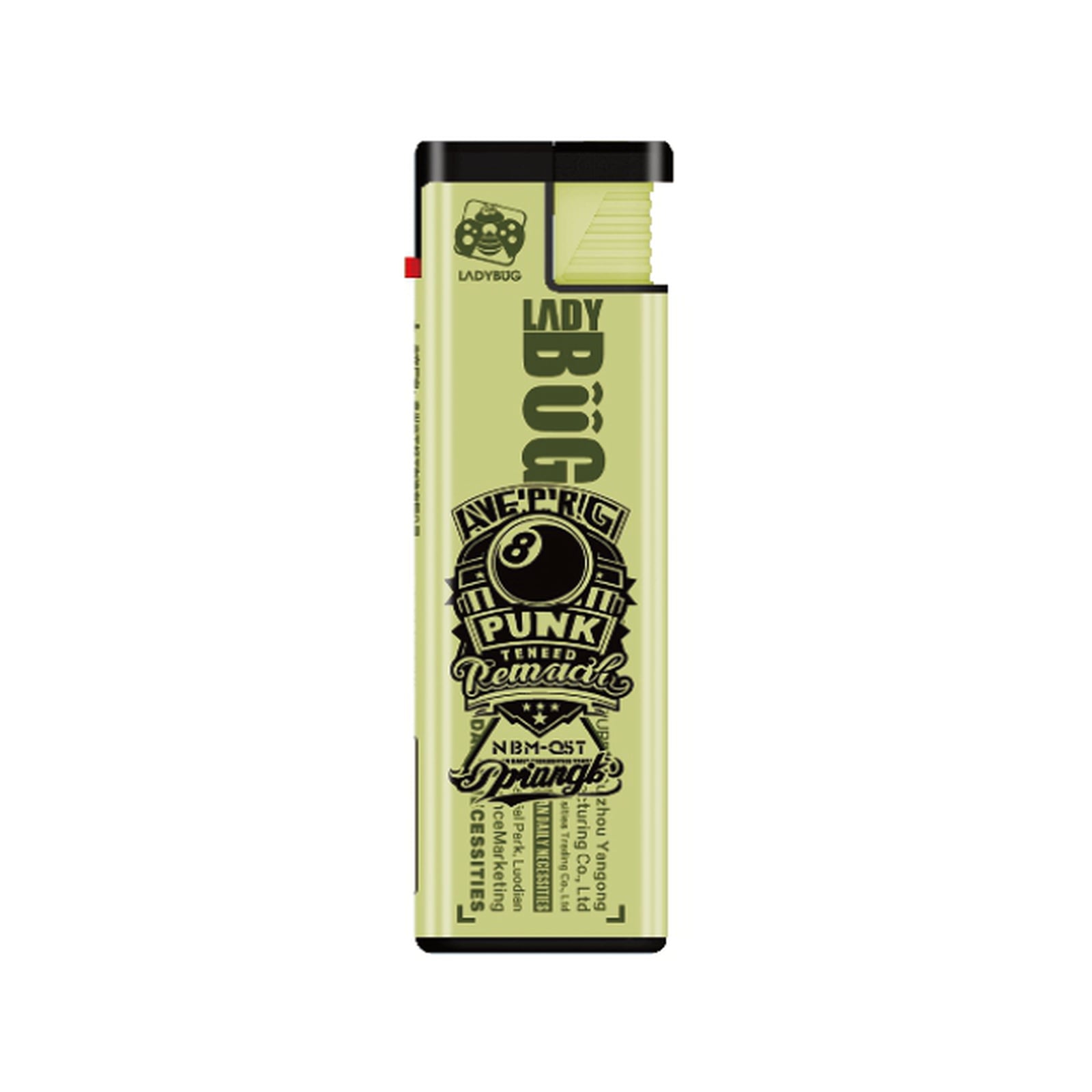
When sourcing vintage electric lighters for wholesale, selecting a reliable supplier is paramount. You should look for manufacturers with a proven track record, such as Ningbo Shunhong Lighter Manufacture Co., Ltd., which has been in the industry since 1996. Consider suppliers that offer extensive experience in research and development, design, and production processes, as these capabilities can indicate a commitment to quality. For example, you might find the Q6T Refillable Butane Gas Lighter – Slim printed fashion body to be a great choice when considering product quality.

Evaluate suppliers by checking their certifications and quality control processes. A reliable supplier should have quality management systems in place to ensure consistent product standards. Additionally, assess their production capabilities, such as the size of their factory and the technology they employ. This can give you insight into their ability to handle large orders and meet deadlines, which is crucial for timely deliveries.

Lastly, communication is key. Engage with potential suppliers to gauge their responsiveness and willingness to customize products according to your specifications. A supplier should be open to discussing design modifications, packaging, and any other requirements you may have.

Get a Free Quote

Our representative will contact you soon.
Email
Mobile
Name
Company Name
Message
0/1000

Related product categories