 EN

Refillable butane pipe lighters are essential tools in various industries, known for their convenience and reliability. As purchasing managers, distributors, and engineers consider these lighters for their operations, they often prioritize factors like durability, safety, and ease of use. This article will explore key considerations when selecting refillable butane pipe lighters, technical specifications, cost factors in bulk purchases, common issues faced, and the diverse applications of these products.
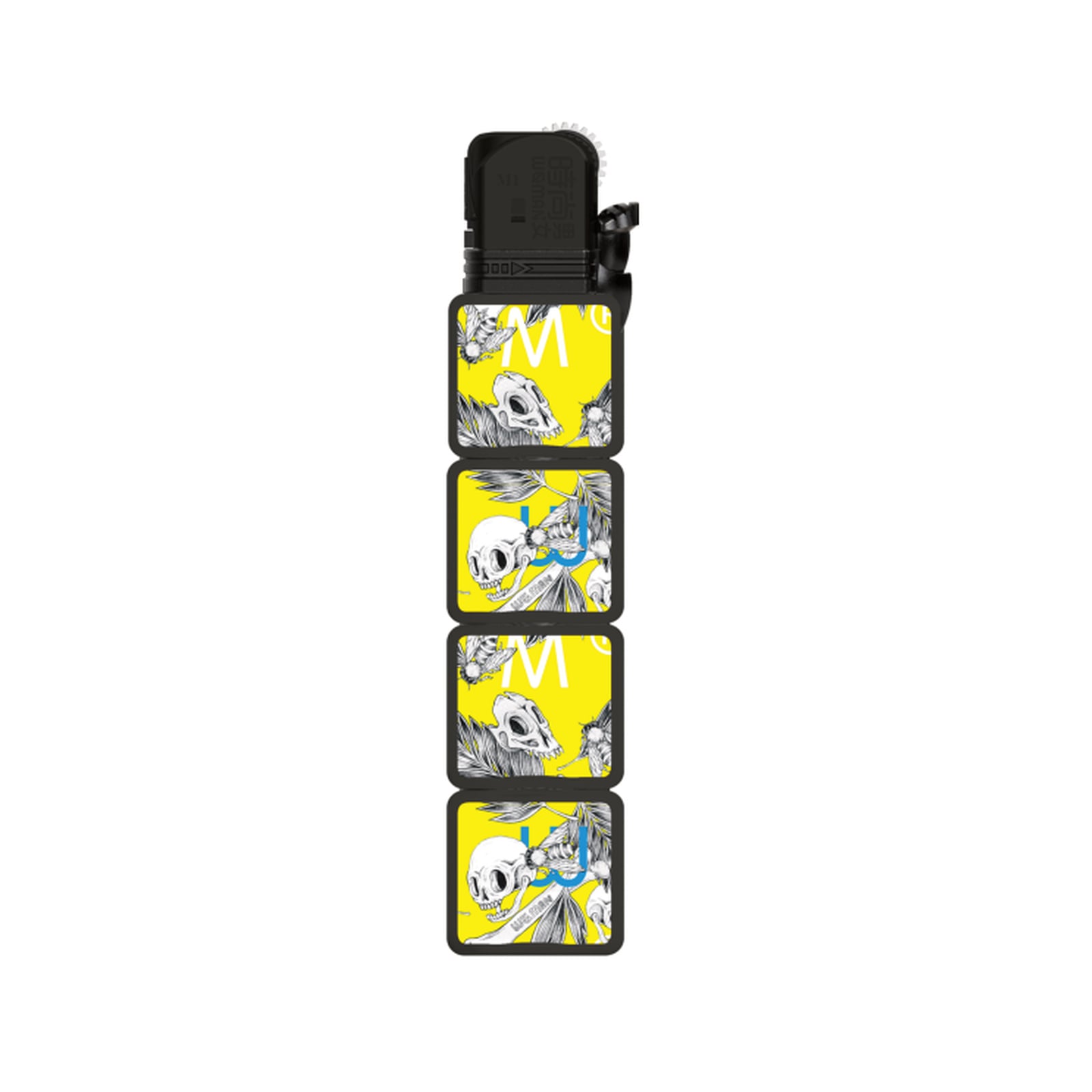
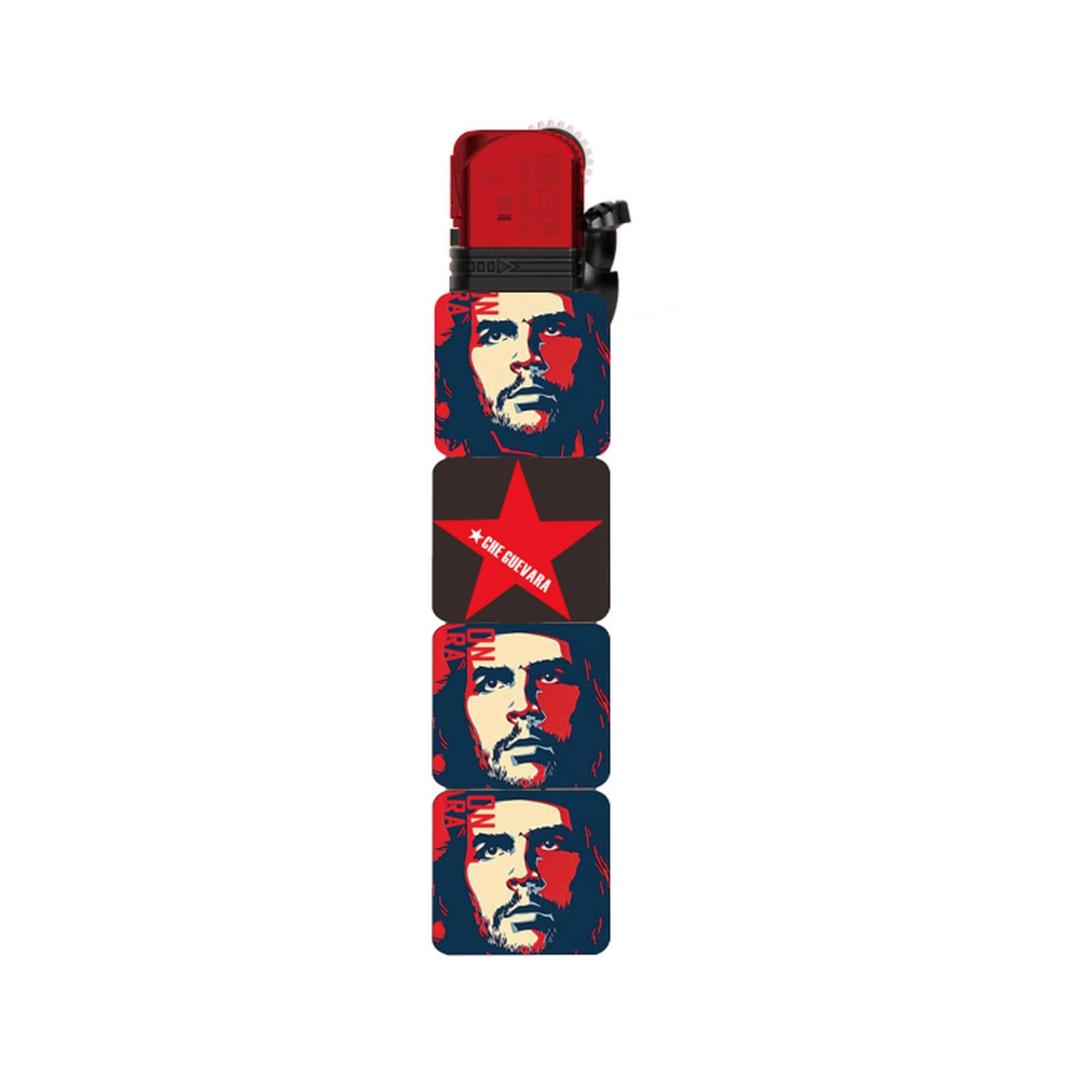
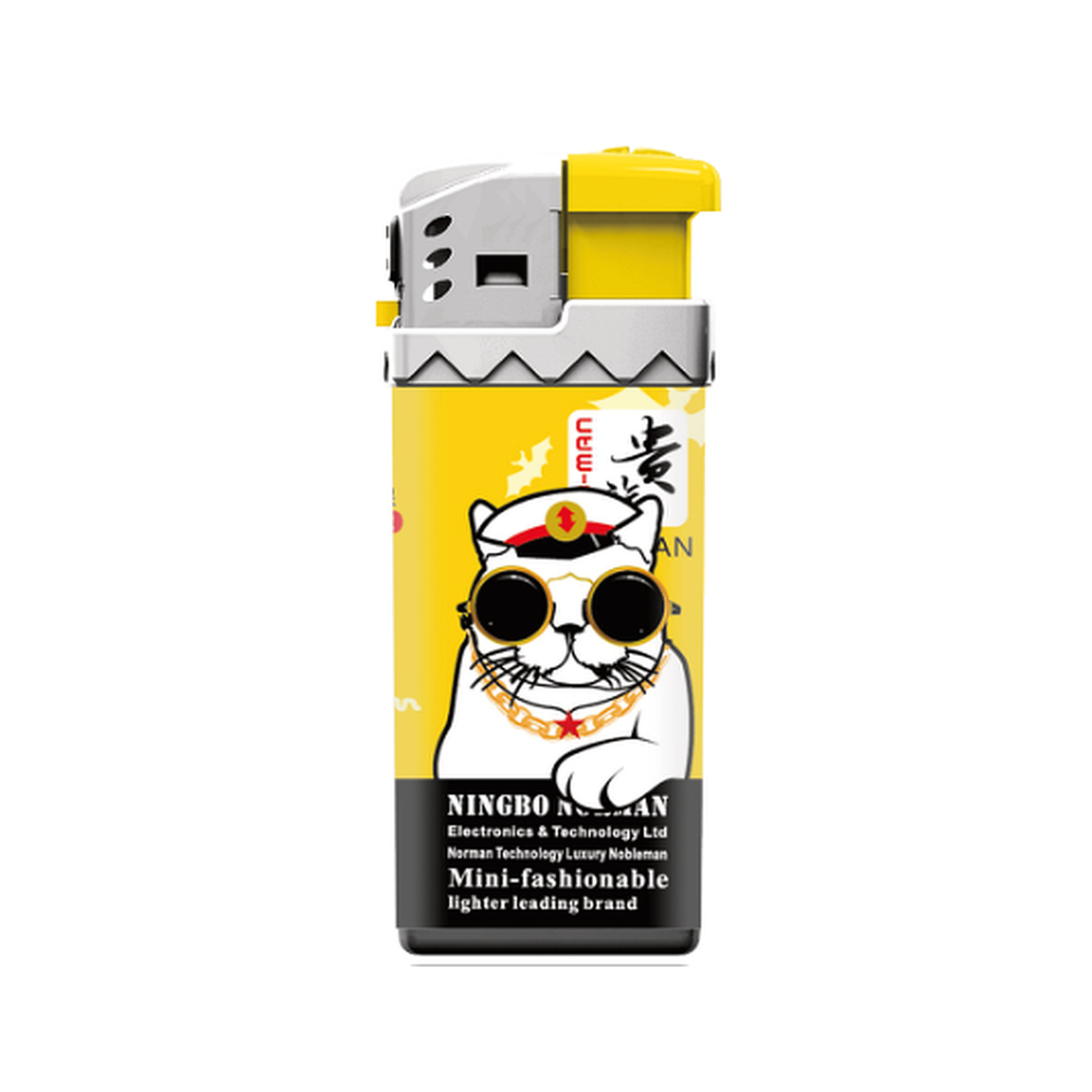
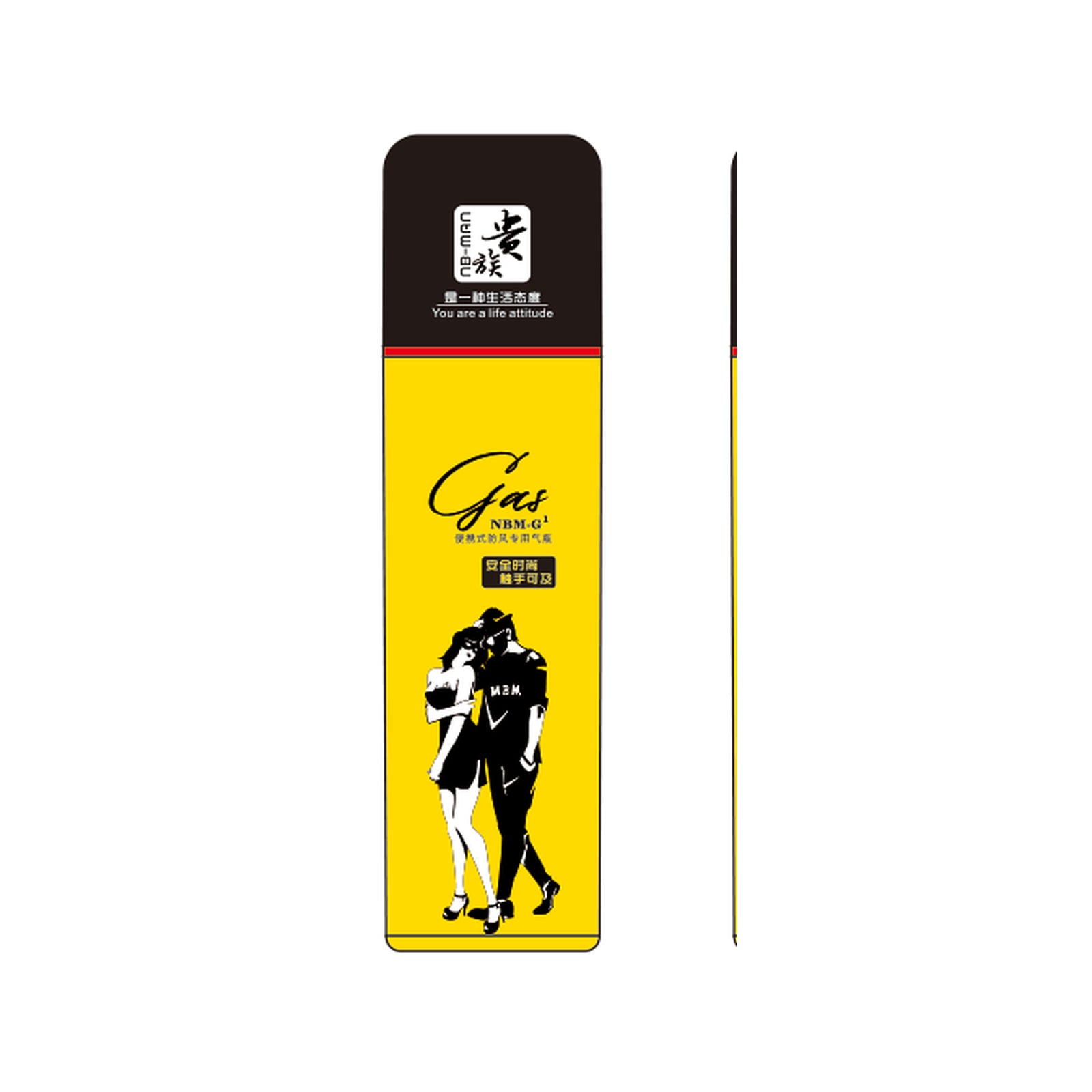
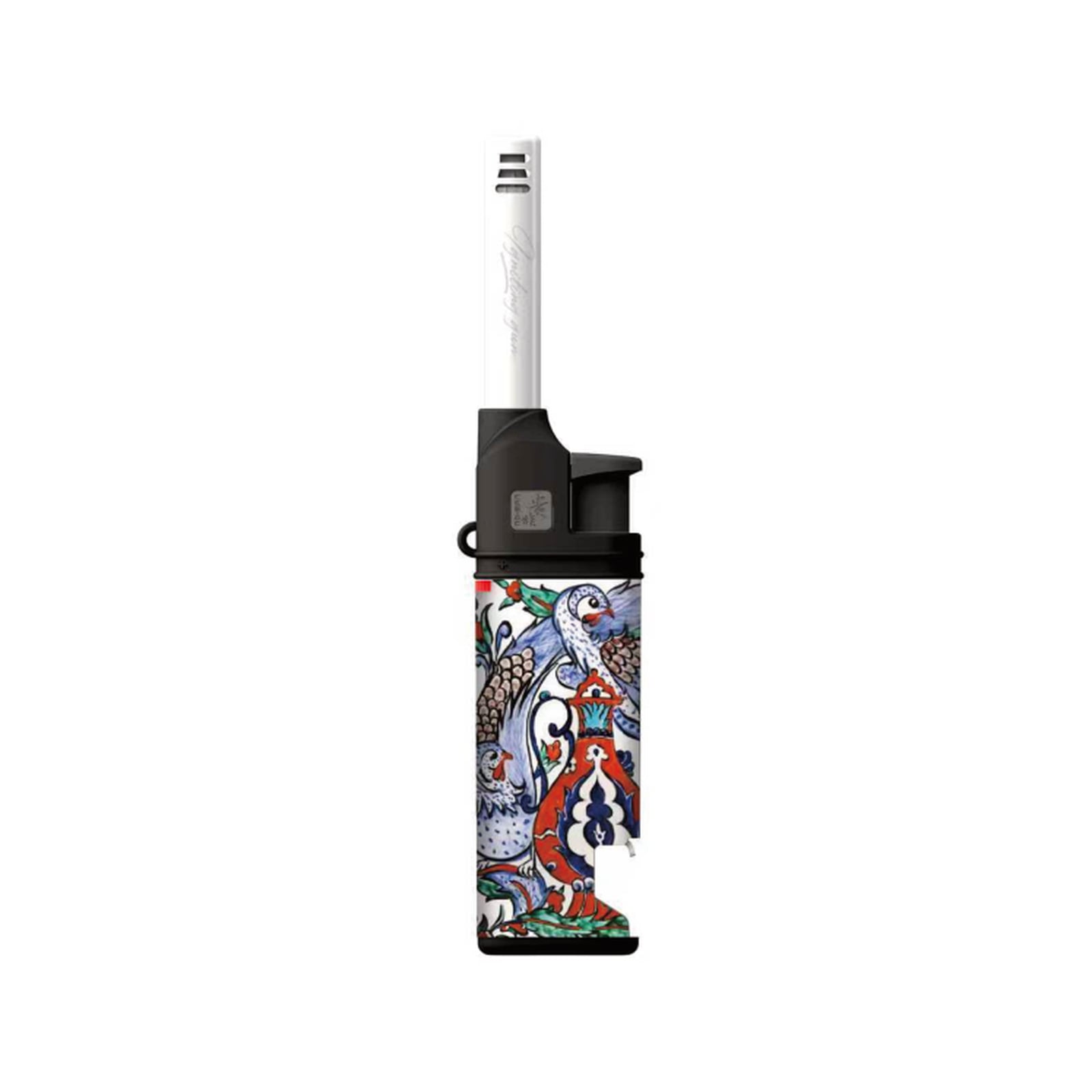
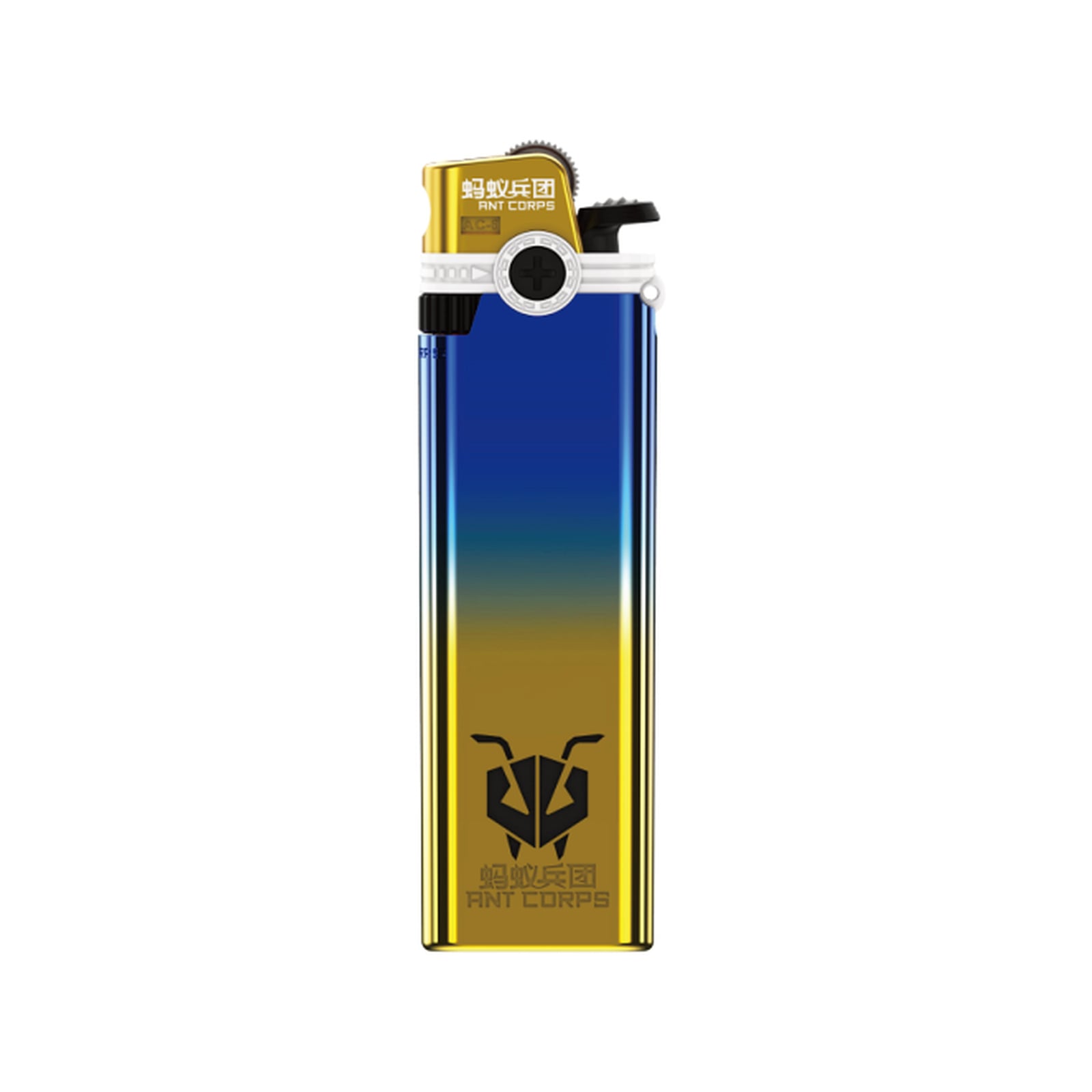
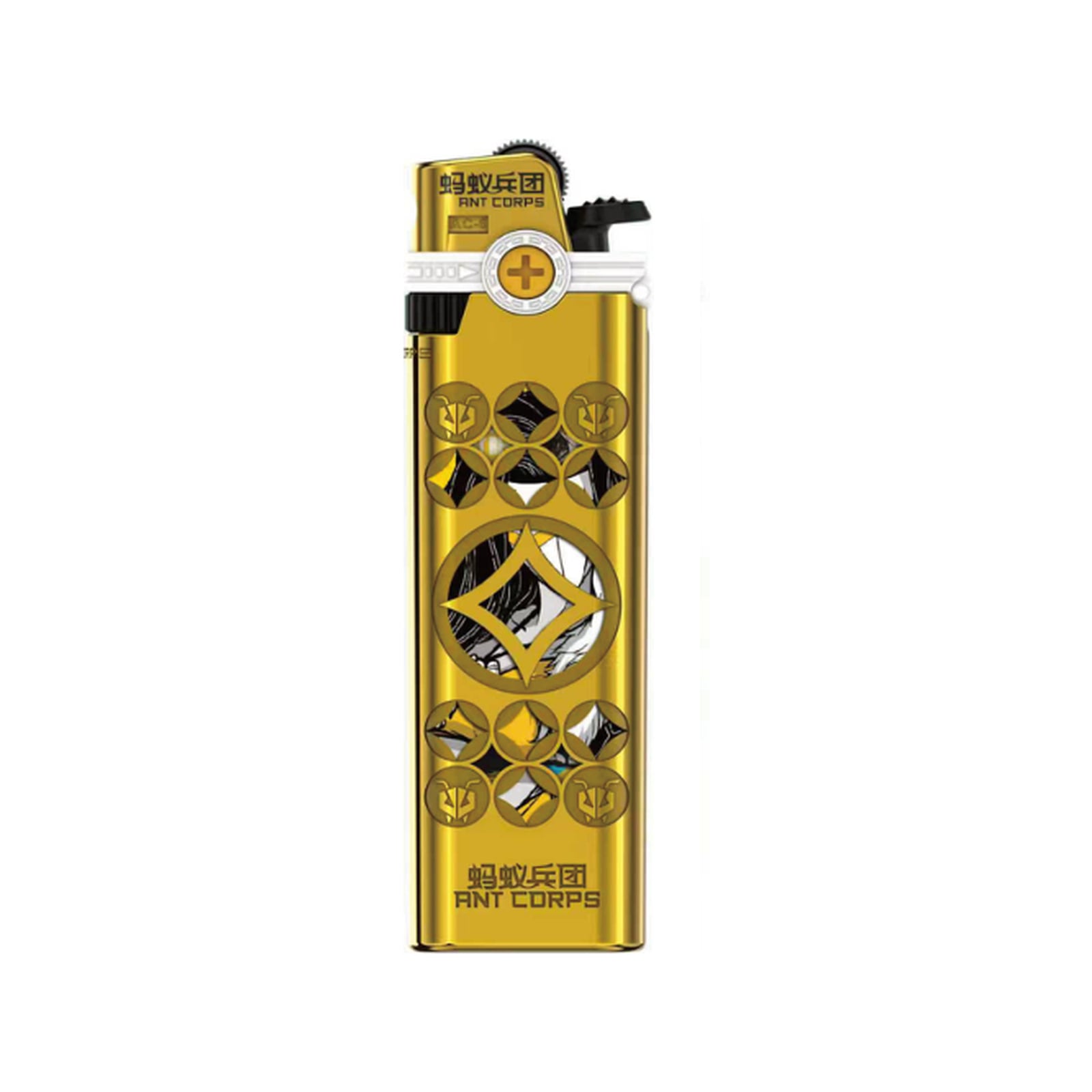
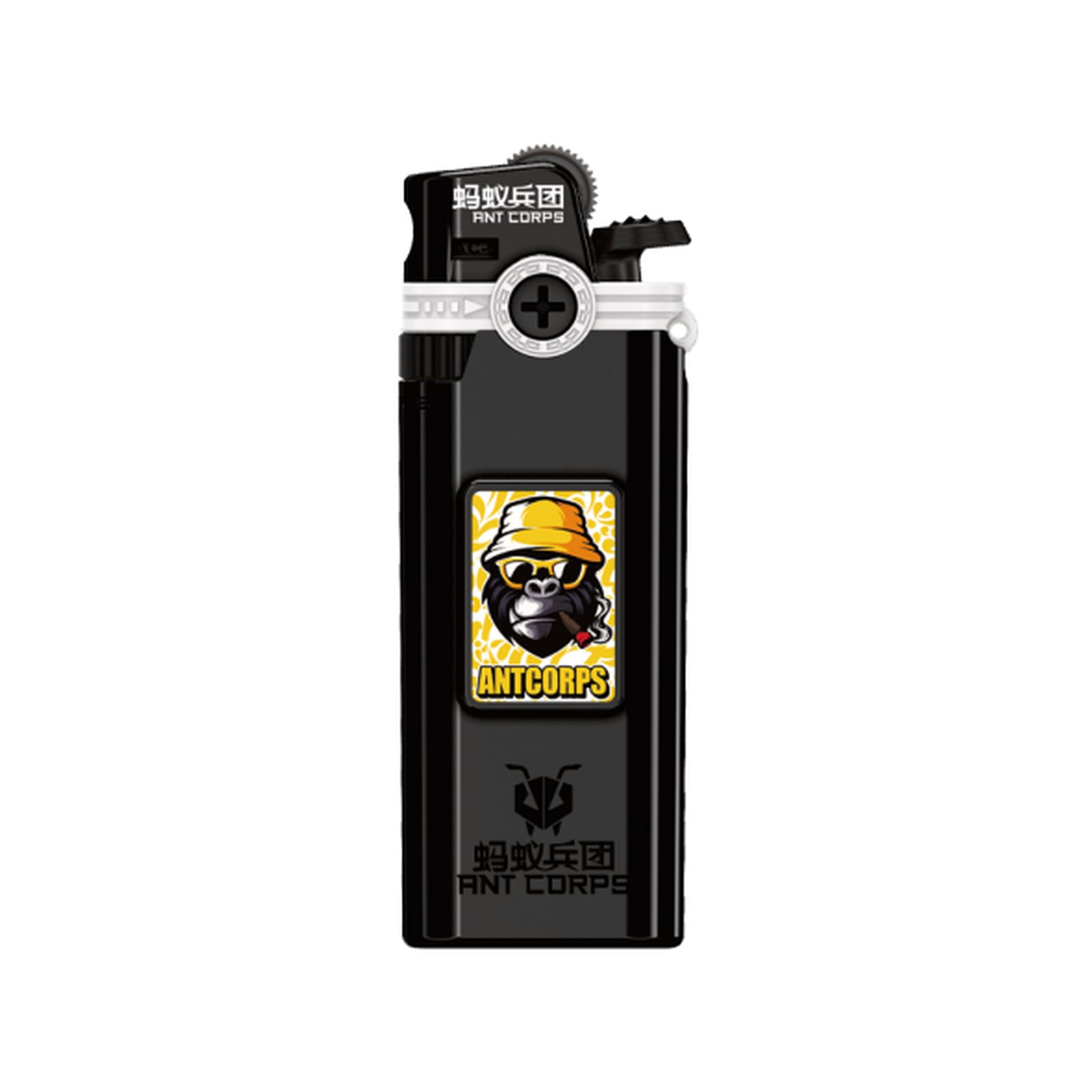
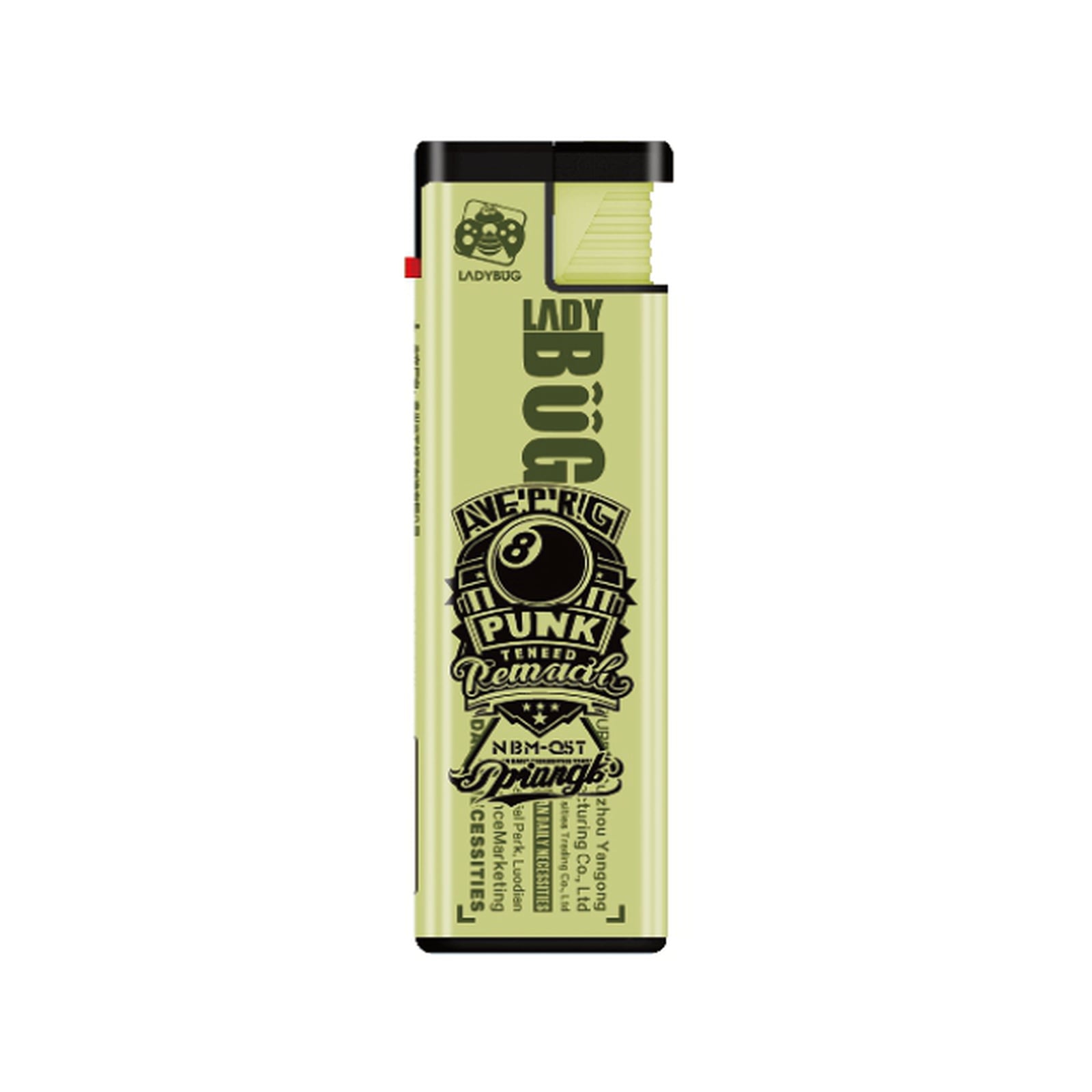
Specifications You Need for Refillable Butane Pipe Lighters
Understanding the specifications of refillable butane pipe lighters can significantly impact their performance and suitability for various applications. Key specifications to consider include:
Material: The body material affects durability and safety. Common materials include plastic and metal, each offering different benefits in terms of weight and heat resistance.
Dimensions: Size can influence usability. Compact lighters are often more portable, while larger models may offer more fuel capacity. Consider the dimensions that best fit the intended use.
Fuel Capacity: The amount of butane a lighter can hold directly affects its longevity between refills. Evaluate how frequently the lighter will be used to determine an appropriate fuel capacity.
Ignition Mechanism: Lighters typically feature either a push-button or flint ignition. Push-button ignitions are often more user-friendly, while flint ignitions may be preferred for specific applications.
Flame Type and Adjustability: Some lighters offer adjustable flames, which can be essential for certain tasks requiring precision. Be sure to select a lighter that meets the necessary flame type for the intended application, such as the Normal Flame option.
Understanding these specifications helps ensure that the refillable butane pipe lighters chosen will meet the demands of the intended environment.