 EN

Refillable butane grill lighters are essential tools for both commercial and industrial applications, providing a reliable ignition source for gas grills, stoves, and other equipment. As a purchasing manager or distributor, understanding the specifications, advantages, and common issues associated with these lighters is crucial for making informed procurement decisions. This article will guide you through the key material advantages, installation guidance, common problems, cost comparisons, and various applications of refillable butane grill lighters.
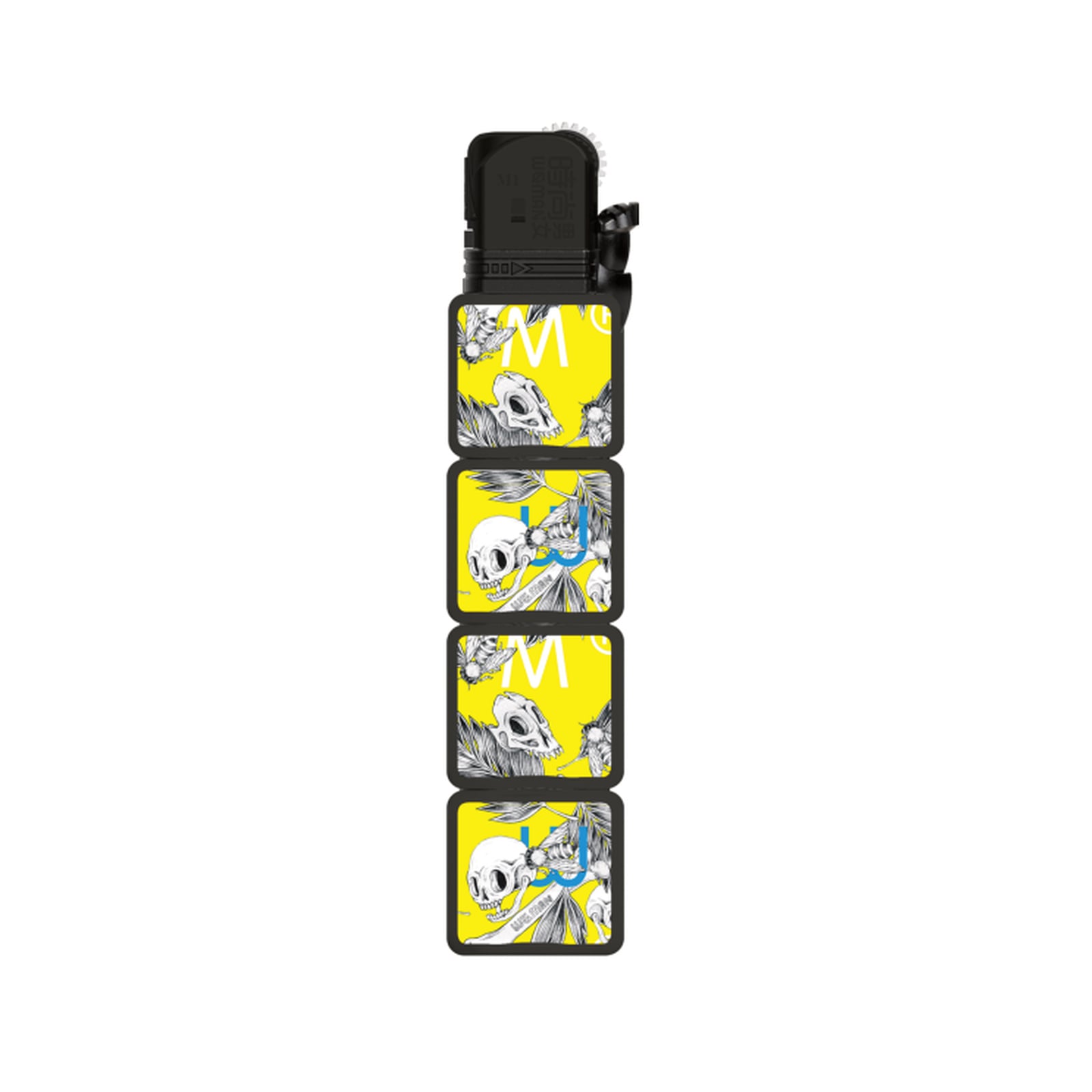
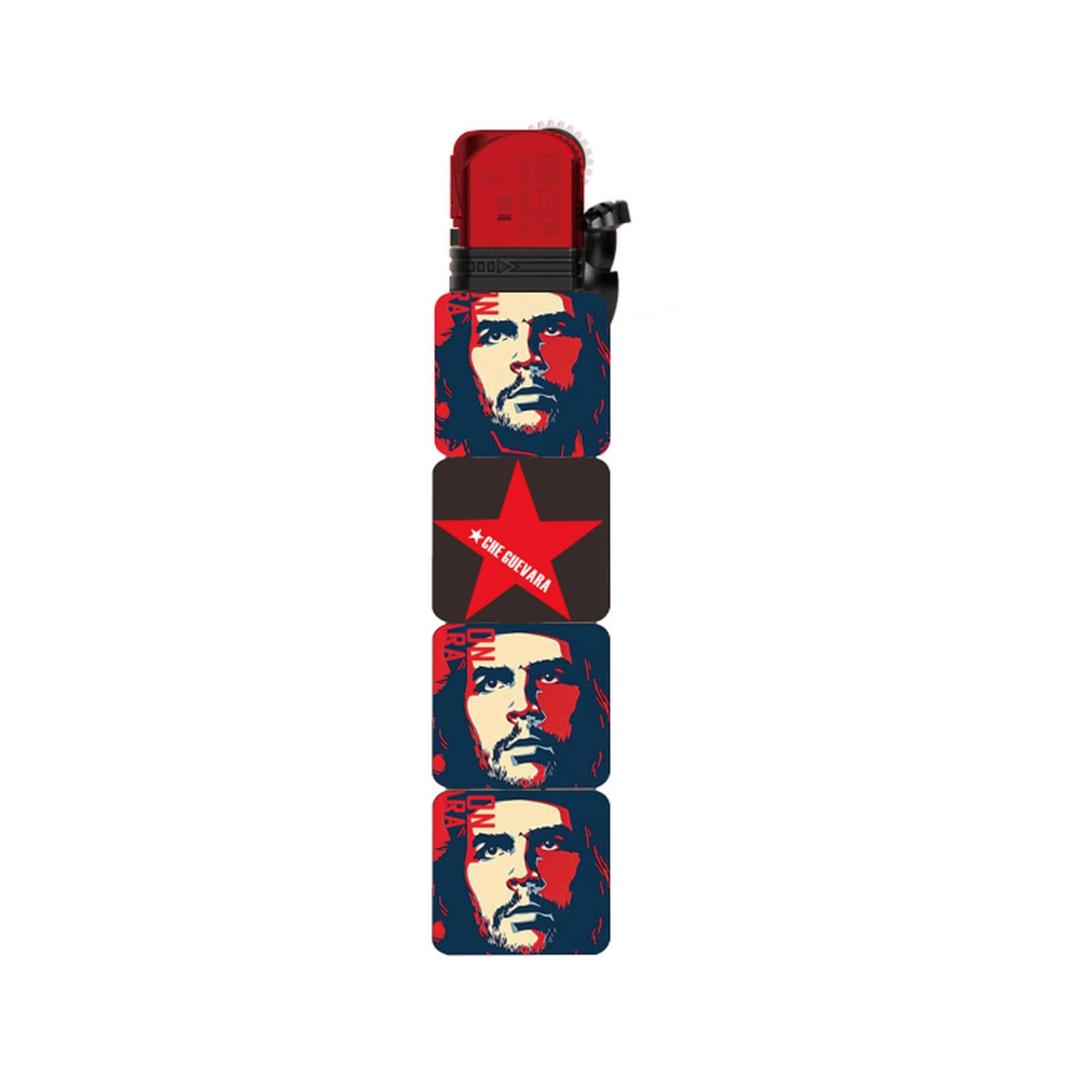
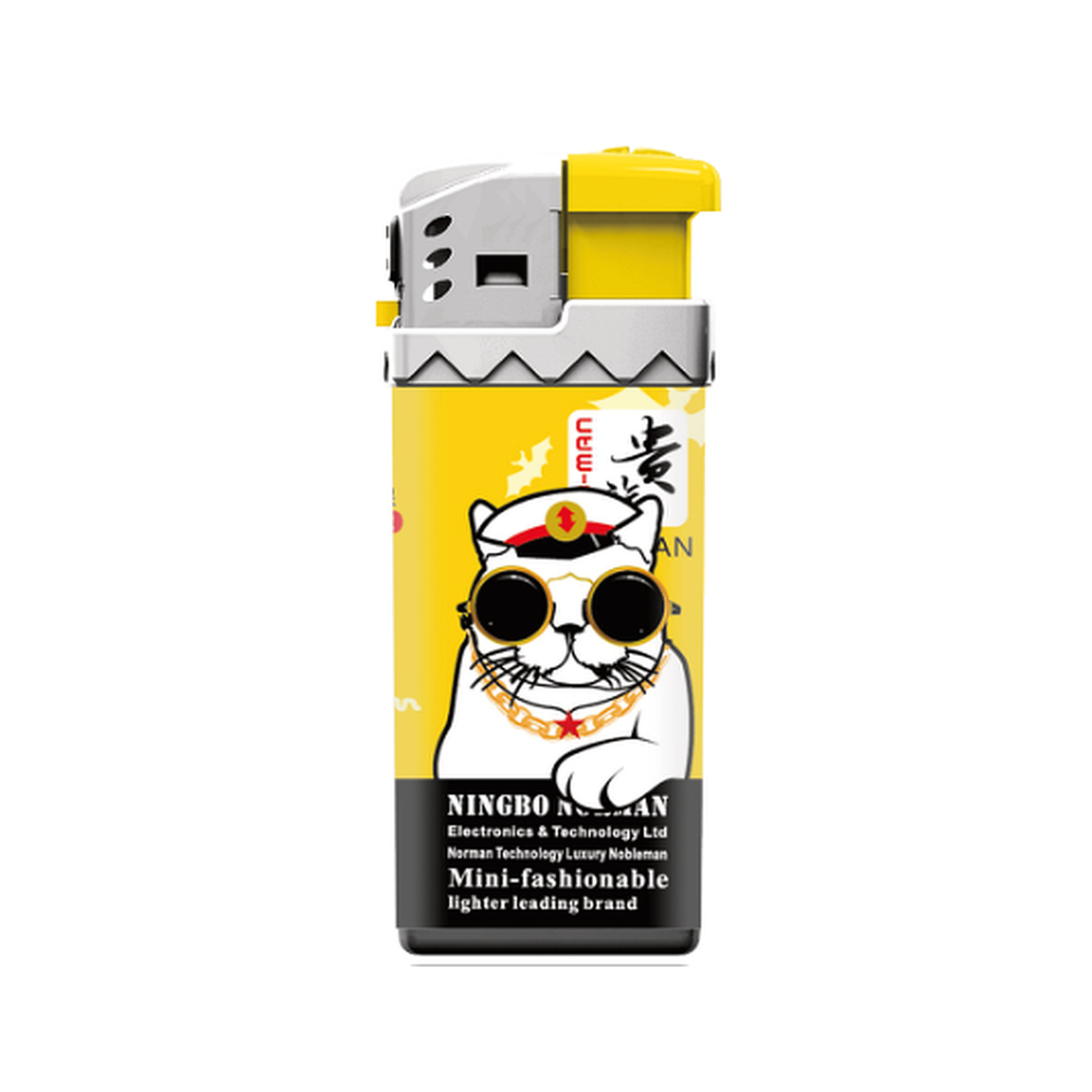
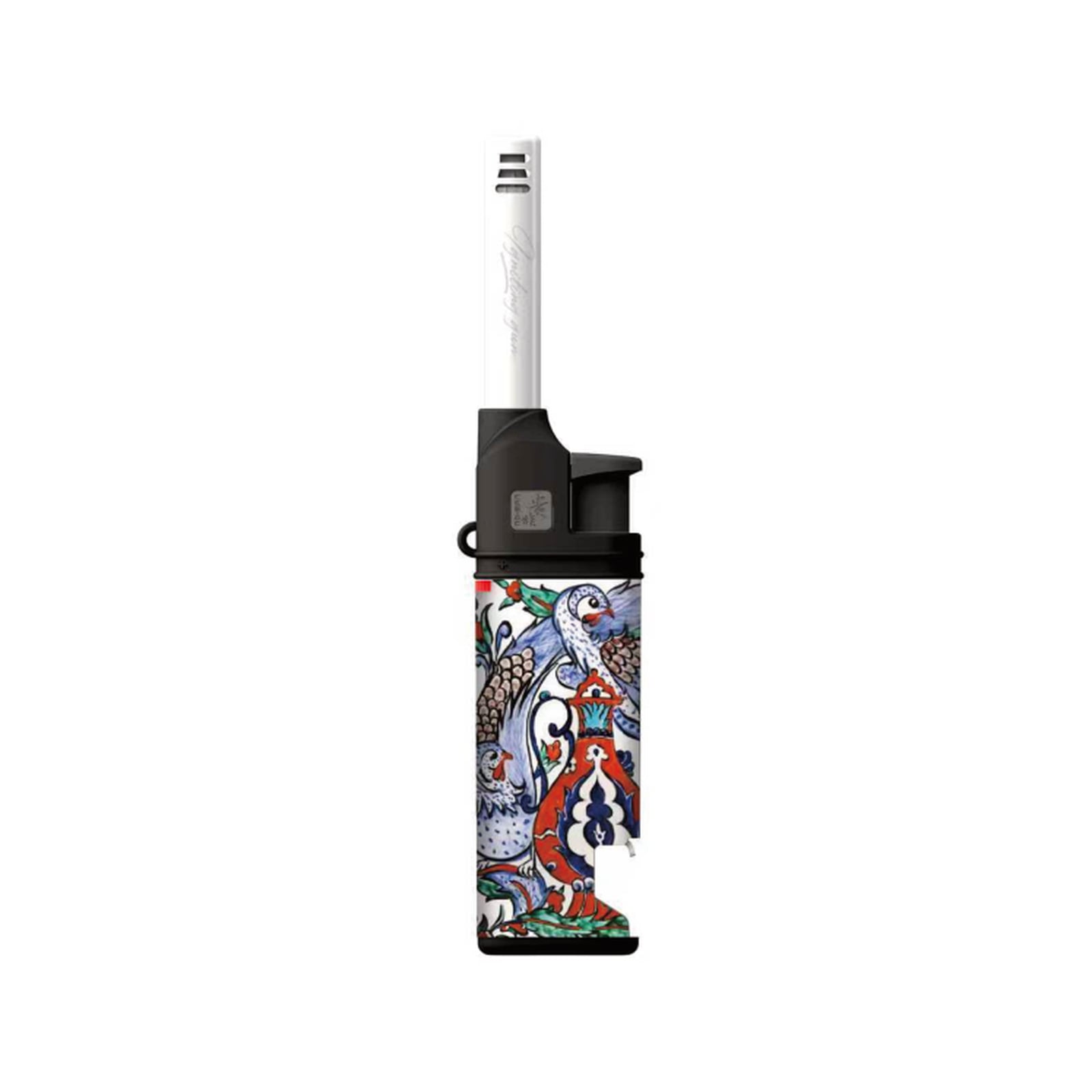
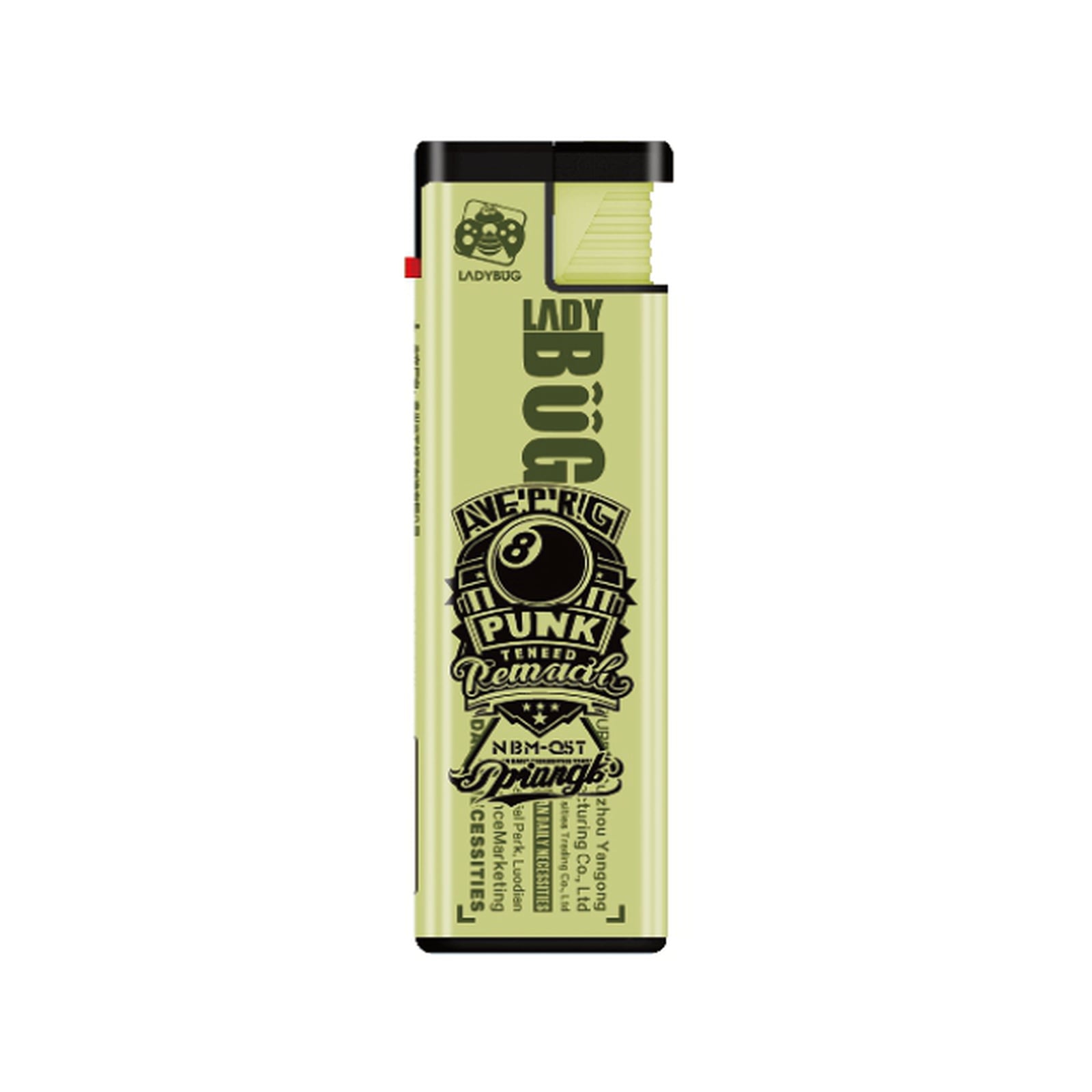
Installation Guidance for Refillable Butane Grill Lighters in Your Projects
Proper installation of refillable butane grill lighters in projects is critical for ensuring their optimal performance. Below are essential considerations and steps for successful installation:
Compatibility Check: Before installation, confirm that the lighter is compatible with the intended gas appliance or grill. Ensure that the lighter’s nozzle aligns with the gas outlet to avoid leaks or ignition failures.
Secure Placement: Position the lighter in a location that allows for easy access while maintaining safety. It should be placed away from flammable materials and in a well-ventilated area to prevent the accumulation of gas.
Follow Manufacturer’s Instructions: Always adhere to the manufacturer's guidelines regarding installation and usage. This includes specifications on the types of gas the lighter can accommodate and any specific settings for flame adjustment.
Safety Checks: After installation, conduct a thorough inspection to ensure that there are no gas leaks and that the lighter functions as intended. Regular maintenance checks should also be scheduled to ensure continued safety and performance.